Iron Maiden announced a 2026 North American tour celebrating their 50th anniversary, featuring support from Megadeth on all dates and Anthrax on select shows, with stops across major cities and a festival appearance, along with European dates planned.
Iron Maiden announced their 2026 North American 'Run For Your Lives' tour celebrating their 50th anniversary, featuring stadium and amphitheater shows across the US and Canada, with Megadeth and Anthrax as special guests, and including historic performances and new production elements.
A fake album titled 'Crazy Sheep' attributed to Anthrax has appeared on Spotify, created by AI and uploaded by an unknown creator, highlighting issues with AI-generated content on streaming platforms and the need for stricter regulation to protect artists and artistic integrity.
A Texas rancher contracted anthrax after butchering an infected lamb that died unexpectedly on his ranch in December 2023. Despite five people being exposed to the lamb, only the rancher exhibited symptoms. The CDC advises keeping livestock vaccinated against anthrax and avoiding butchering animals that die of unknown causes.
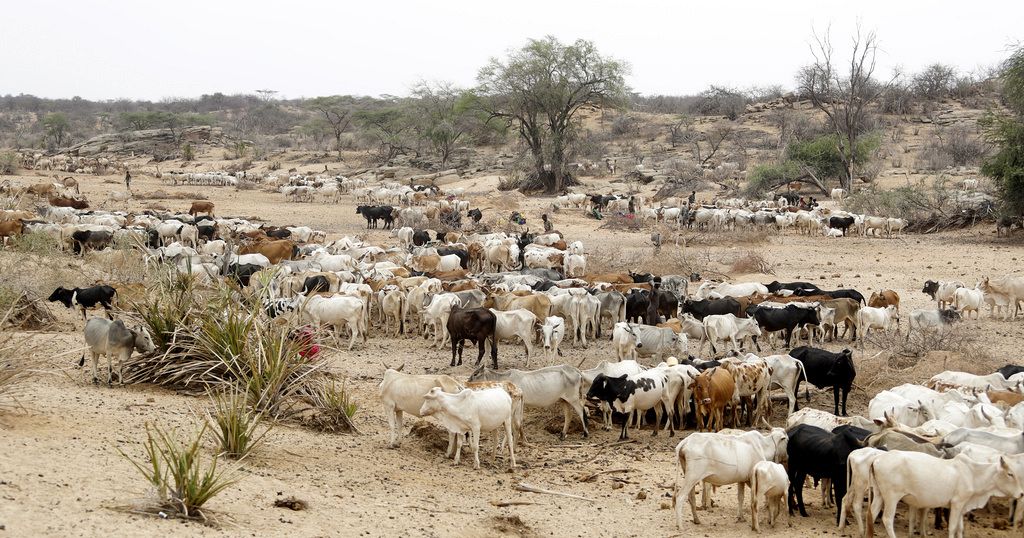
Five African countries are currently experiencing outbreaks of anthrax, with nearly 1,200 people affected and 20 deaths reported. However, only a small fraction of the presumed cases have been confirmed with lab tests, leading to confusion about the exact nature and scale of the outbreaks. In Uganda, many of the presumed cases have resulted in negative tests for anthrax, raising the possibility of another disease circulating. Anthrax is typically spread through the consumption of infected animal meat, and the outbreaks are thought to be confined to this transmission route. The simultaneous occurrence of five outbreaks is considered unusual, and investigations are ongoing to determine the cause of the outbreaks and identify other possible diseases with similar symptoms.
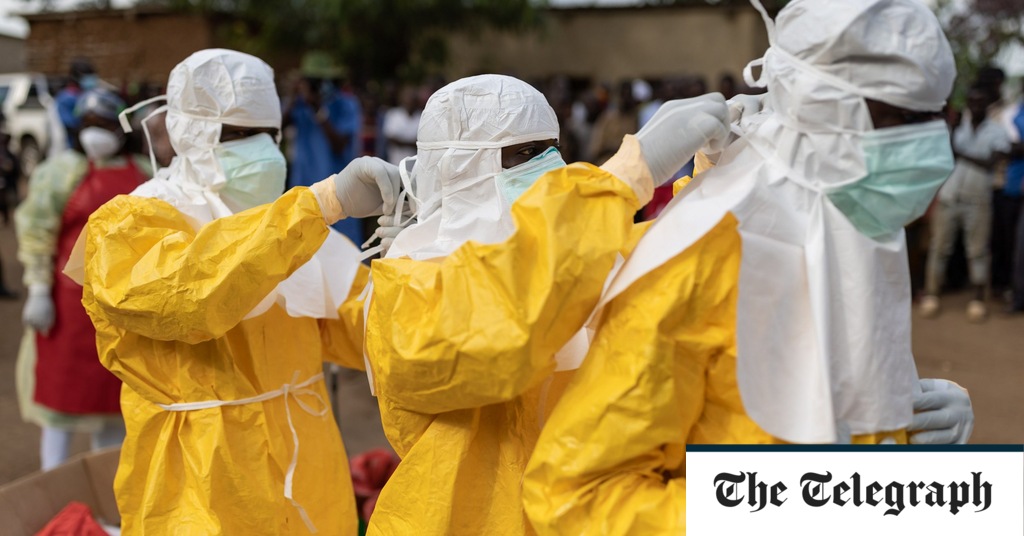
The World Health Organization (WHO) has reported anthrax outbreaks in five East and Southern African countries, including Kenya, Malawi, Uganda, Zambia, and Zimbabwe, resulting in over 1,100 suspected cases and 20 deaths this year. While these countries experience seasonal outbreaks annually, Zambia is currently facing its worst outbreak since 2011, and Malawi has reported its first human case this year. The outbreaks are likely driven by various factors, including climatic shocks, food insecurity, low-risk perception, and exposure to infected animals. WHO has warned of a high risk of the Zambian outbreak spreading to neighboring countries.
The World Health Organization (WHO) has issued a warning about the alarming spread of anthrax in Zambia and neighboring African countries, including Kenya, Malawi, Uganda, and Zimbabwe. These countries have recorded a total of 1166 suspected and 37 confirmed cases of anthrax, with 20 related deaths reported so far this year. While anthrax is typically present in these regions, the situation has escalated beyond what is usual, particularly in Zambia. The WHO has raised concerns about the risk of regional spread and emphasizes the need for swift treatment with antibiotics and antitoxin, as anthrax can be fatal.
A mystery disease that has killed up to 17 people in Uganda has been confirmed as anthrax, according to health officials. The outbreak in Kyotera district has caused infected patients to suffer from rashes and swollen limbs before succumbing to the illness. Initially ruled out by the Africa Centres for Disease Control and Prevention, tests have now confirmed the presence of the bacterial infection, which is typically found in cows, sheep, and goats. It is believed that contaminated meat may have caused the infection, as a number of cattle have also died during the outbreak. International and local health bodies are increasing disease surveillance in Africa due to the continent's vulnerability to deadly pathogens that can jump from animals to humans.
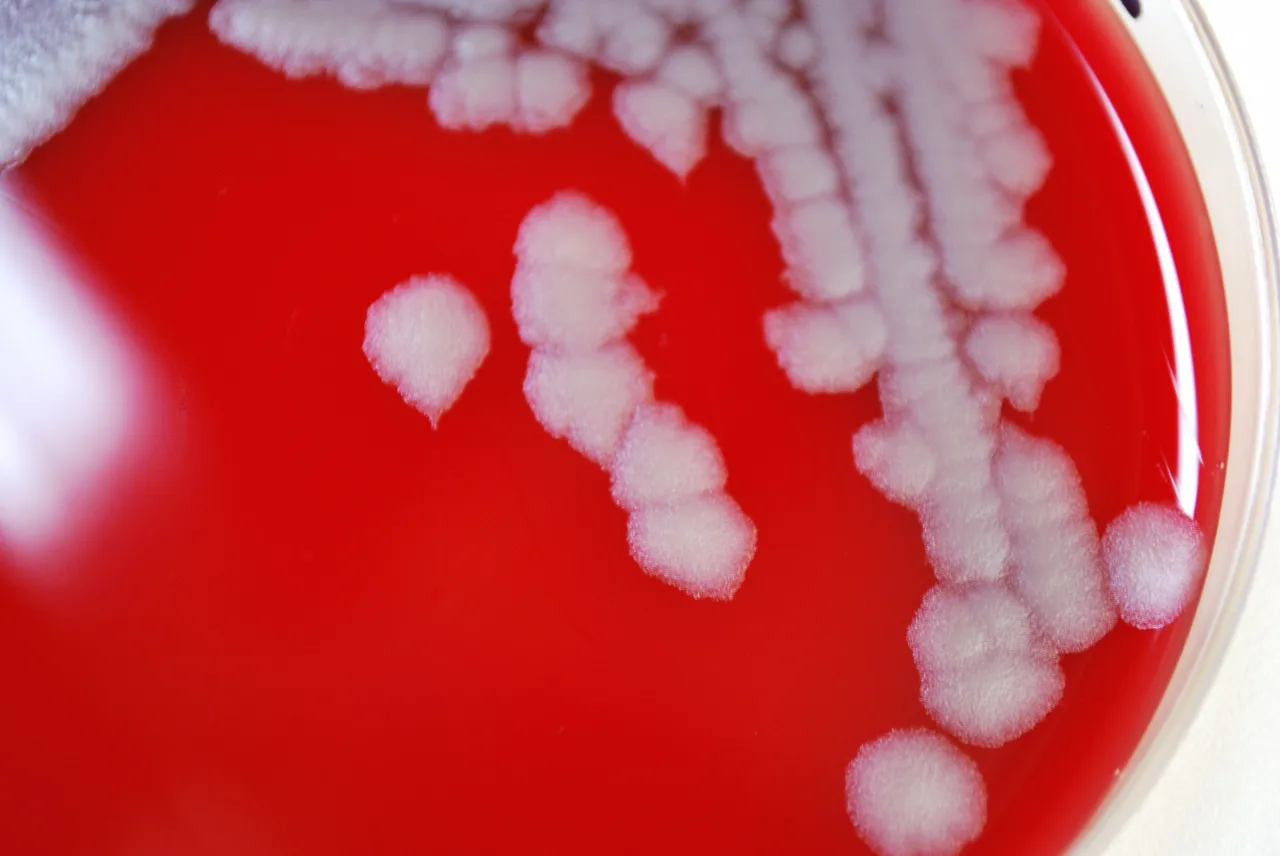
The CDC has updated its guidelines for the prevention and treatment of anthrax, including recommendations for preferred antimicrobial drugs and antitoxins. The guidelines also provide alternative regimens for patients with contraindications or intolerances to first-line drugs, as well as in the event of a wide-area aerosol release of Bacillus anthracis spores or the use of multidrug-resistant strains. The report includes new recommendations for the diagnosis and treatment of anthrax meningitis. The guidelines are intended for healthcare providers, emergency preparedness officials, and planners.
The CDC has updated its guidelines for the prevention and treatment of anthrax, including recommendations for preferred antimicrobial drugs and antitoxins. The guidelines also provide alternative regimens for patients with contraindications or intolerances to first-line drugs, as well as in the event of a wide-area aerosol release of Bacillus anthracis spores or the use of multidrug-resistant strains. The report includes new recommendations for the diagnosis and treatment of anthrax meningitis. The guidelines are intended for healthcare providers, emergency preparedness officials, and planners.
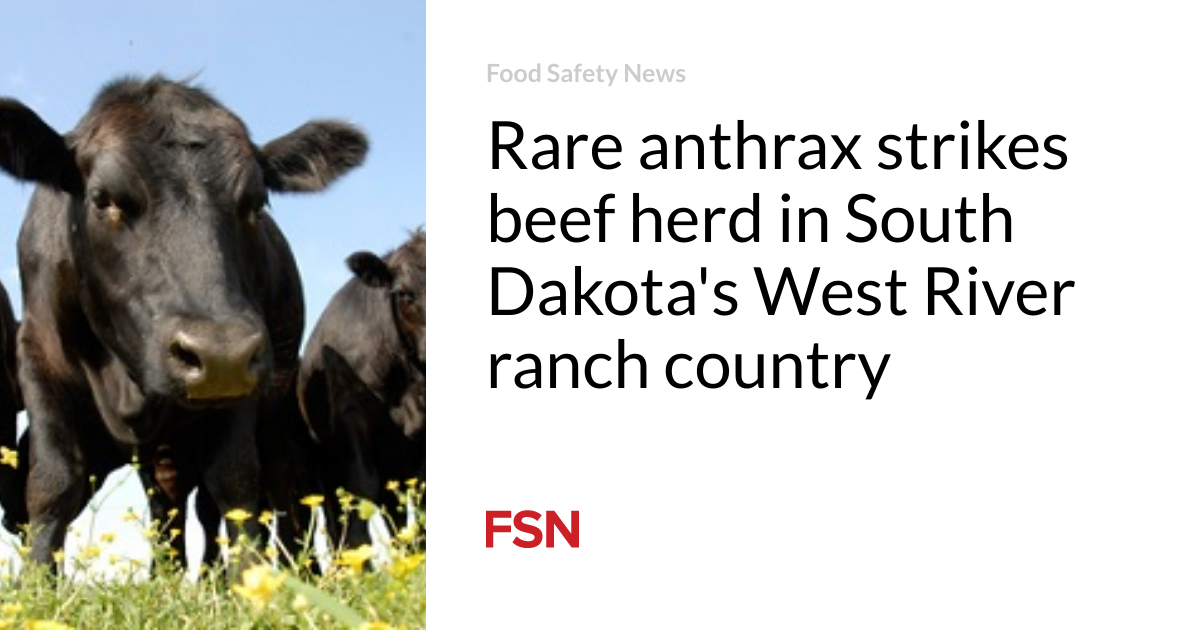
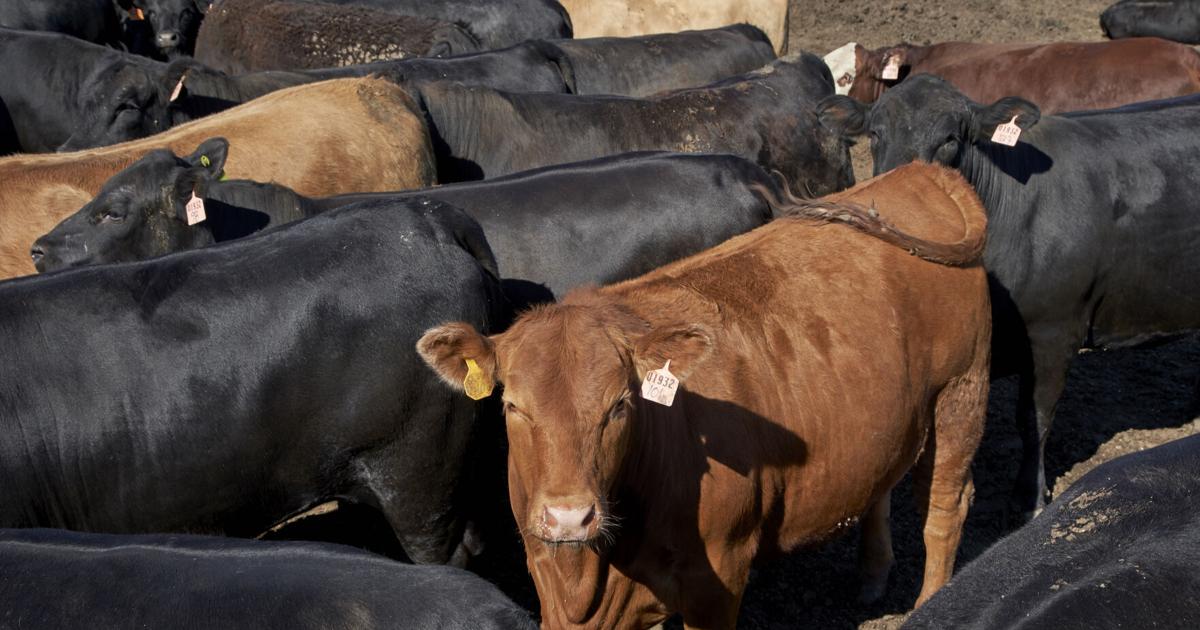
Anthrax has been confirmed in a beef herd in Ziebach County, South Dakota, according to the state veterinarian. Several dead animals were found in the unvaccinated herd, which has been quarantined. Anthrax is a serious infectious disease caused by bacteria and can cause severe illness in humans and animals. It occurs naturally in soil and can be transmitted through contact with infected animals or contaminated animal products. Prompt treatment with antibiotics can cure most anthrax infections, but inhaled anthrax is more difficult to treat and can be fatal. Anthrax is rare in the developed world but remains a concern due to its potential use in bioterrorism attacks.
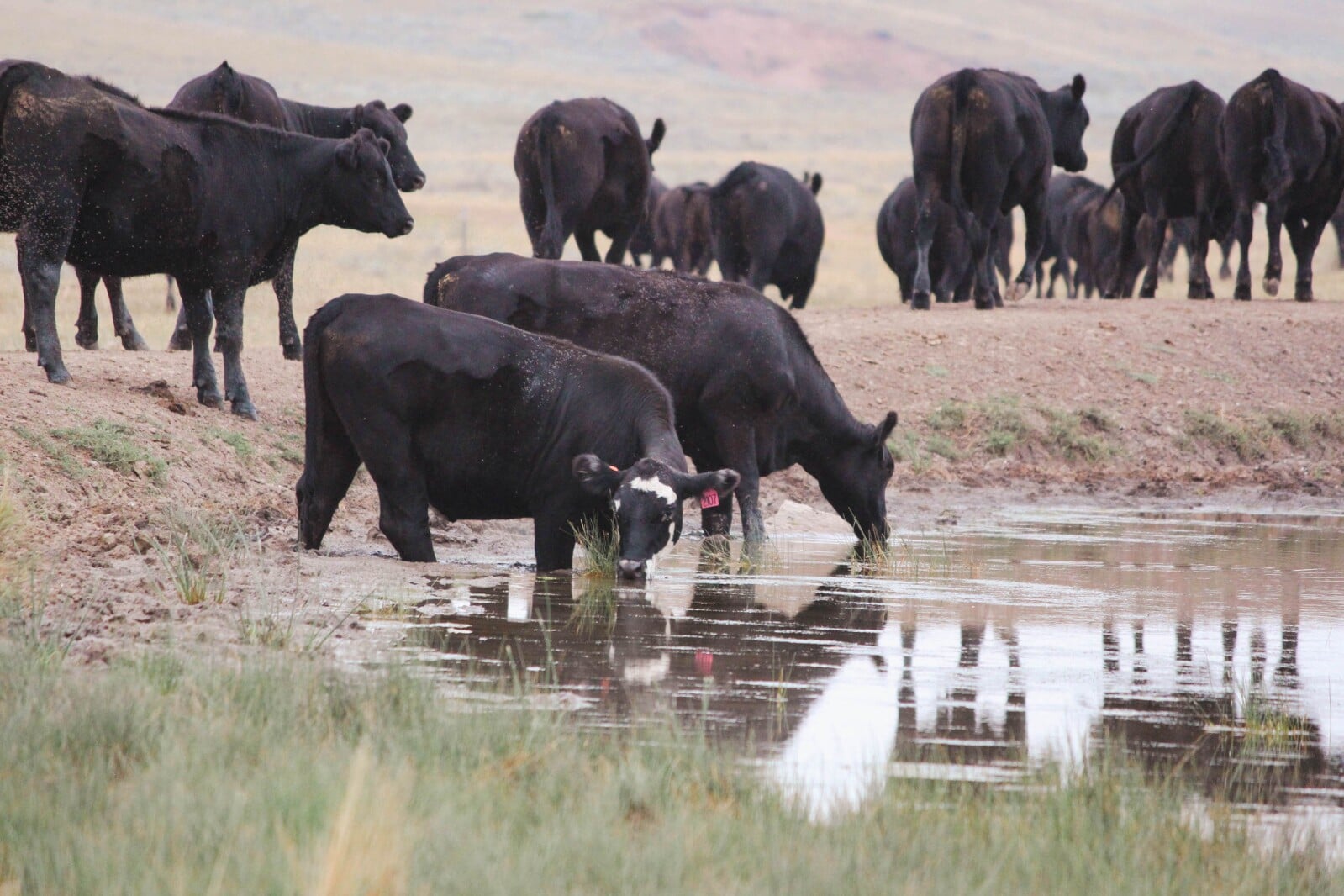
Anthrax has been discovered in a cattle herd in Ziebach County, South Dakota, with approximately 10-15 cattle found dead. Anthrax is a bacterial organism that can spread through ingestion or inhalation, causing disease in livestock. The spores of anthrax can come to the surface during flooding or drought, and grazing animals can pick them up. Vaccination is crucial in protecting livestock, and veterinarians recommend yearly vaccination in areas with a history of anthrax. Producers are advised to have a local veterinarian and to contact the Animal Industry Board if signs of anthrax are observed.
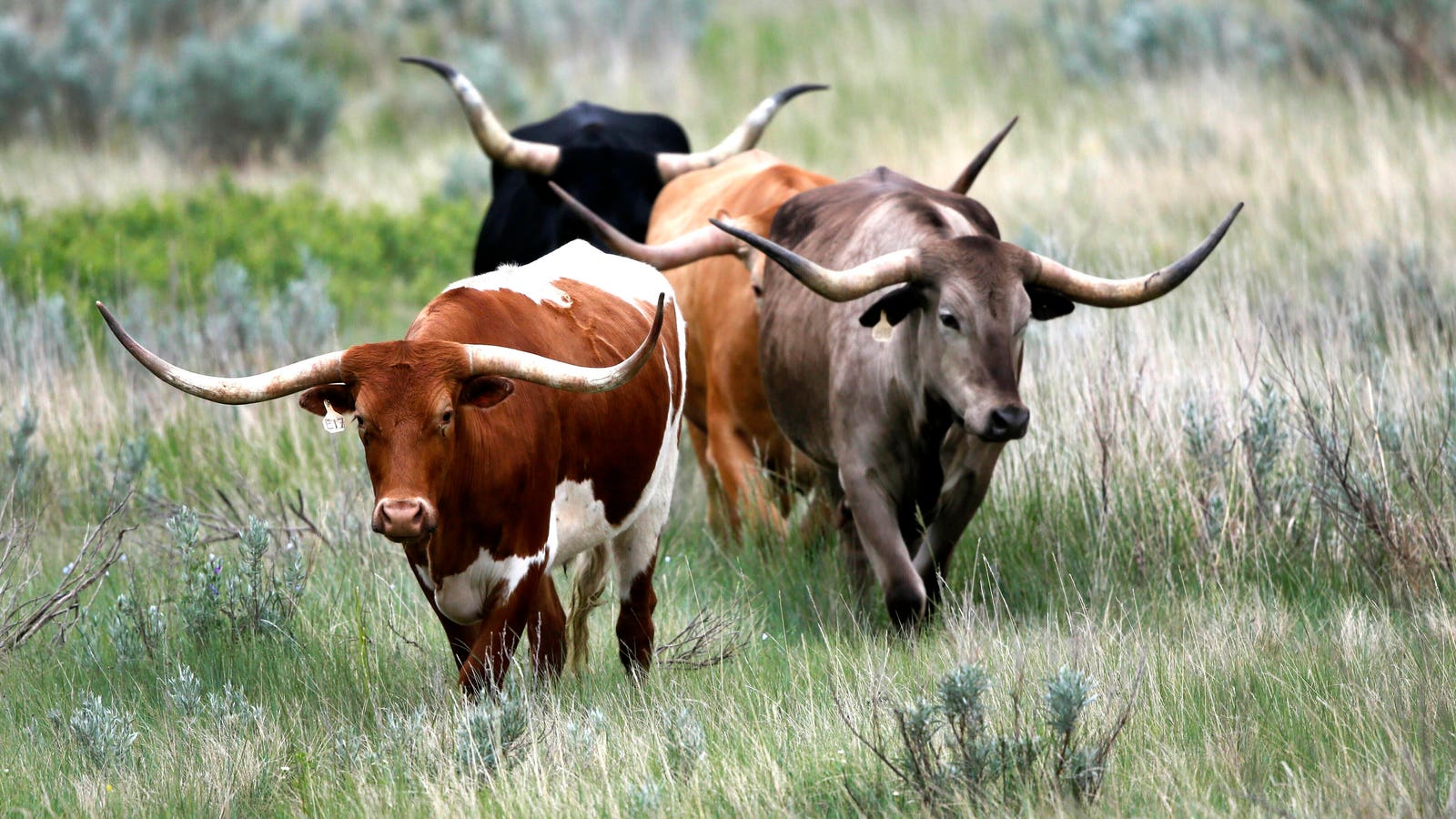
Anthrax is spreading among ranches in southwestern North Dakota, with 16 confirmed cases and an estimated loss of 120 cattle. This is the highest number of cases seen in almost 20 years. Anthrax outbreaks are often associated with extreme weather conditions, such as drought or flooding, which activate dormant spores in the soil. The North Dakota Stockmen's Association is concerned about the impact on the industry, but hopes that milder weather and aggressive vaccination efforts will help control the spread. Livestock producers are urged to take action to protect their animals, especially in areas with a history of anthrax.
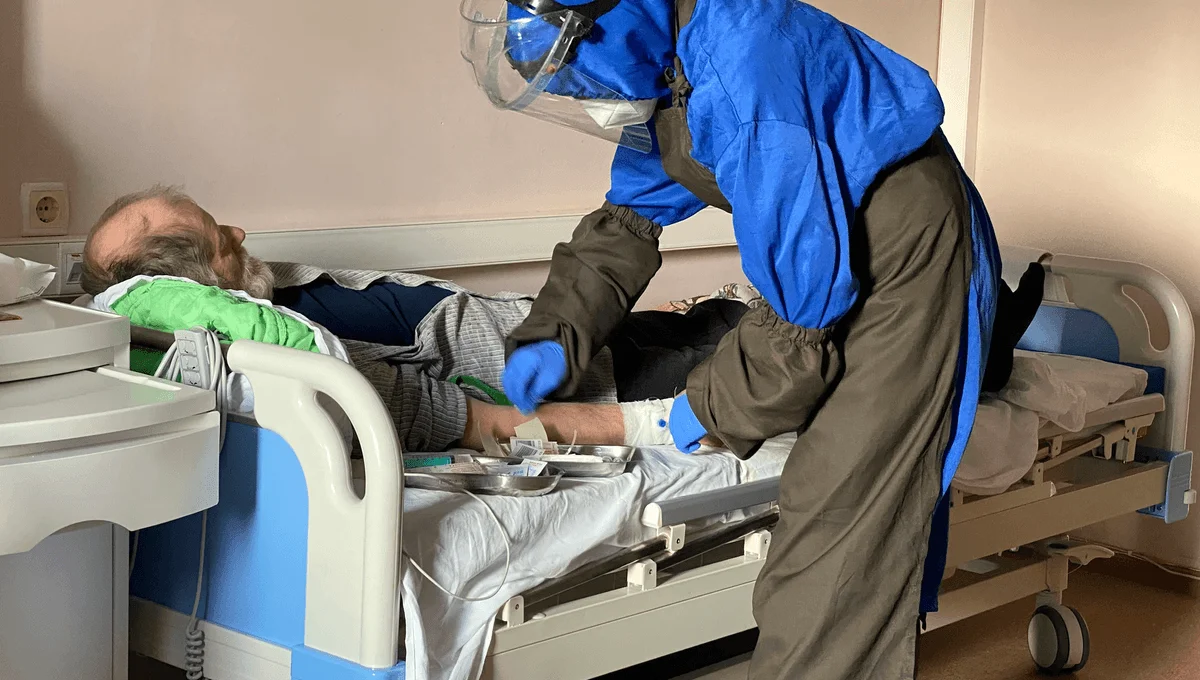
Patients infected with anthrax in Siberia have escaped from a hospital, raising concerns about a potential outbreak. The patients had contracted the disease after eating the internal organs of a sick horse. While anthrax is not generally contagious between humans, it can be deadly if left untreated. The bacteria naturally exists in the soil and can emerge in both wild and domesticated animals, posing a risk to humans through contact with infected animals. This incident serves as a reminder of the persistent threat of anthrax.
Patients infected with anthrax, a rare and deadly bacteria, have reportedly escaped from a hospital in Tuva, Russia. The outbreak occurred in a town where horsemeat was consumed, and four other people were also infected. Russian state media has reported the incident, raising concerns about public health. Researchers have warned that anthrax outbreaks may become more common in Siberia due to climate change, as warming temperatures thaw permafrost and release deadly bacteria and viruses.