The article explores seven iconic sounds from the boomer era—such as rotary phones, 8-tracks, radio static, typewriters, bicycle bells, vinyl records, and screen doors—that evoke nostalgic memories and highlight the sensory experiences that shaped a generation. It emphasizes the emotional and cultural significance of these sounds, urging readers to appreciate their nostalgic value in a digital world.
Research shows that sounds associated with illness, like coughing and sniffling, can impair learning by distracting individuals, even if they are not consciously aware of the distraction. The study suggests that the human brain's sensitivity to disease cues may divert attention from educational tasks, leading to lower performance, highlighting the influence of evolutionary responses on modern cognition.
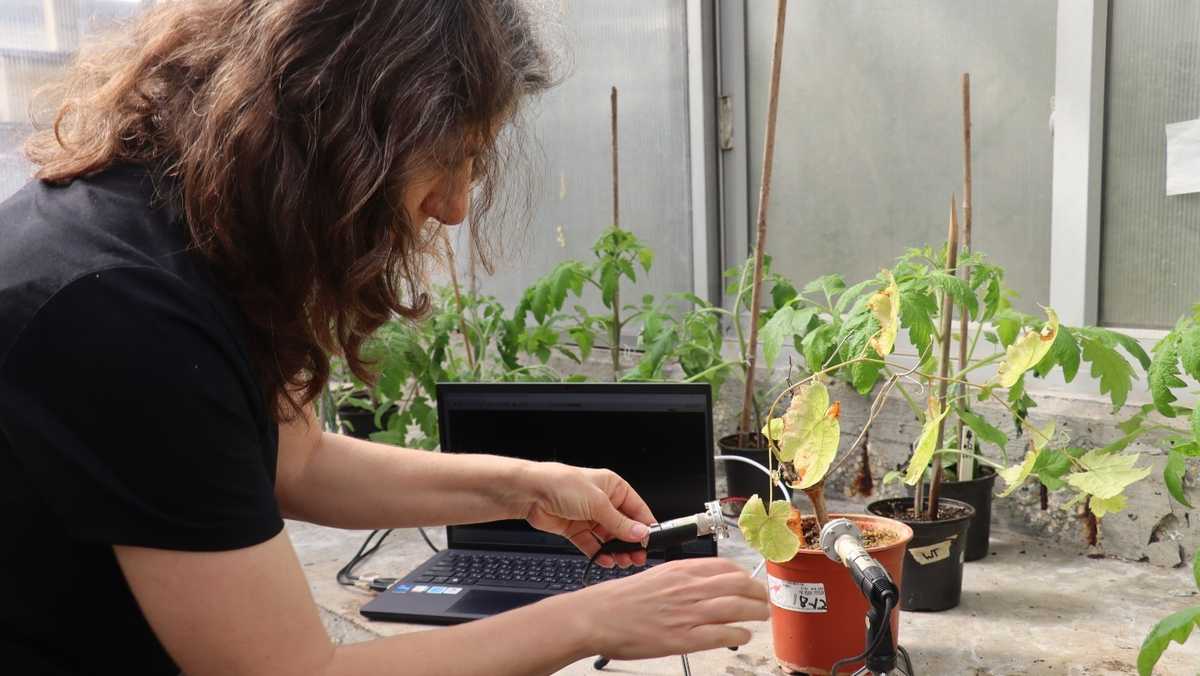
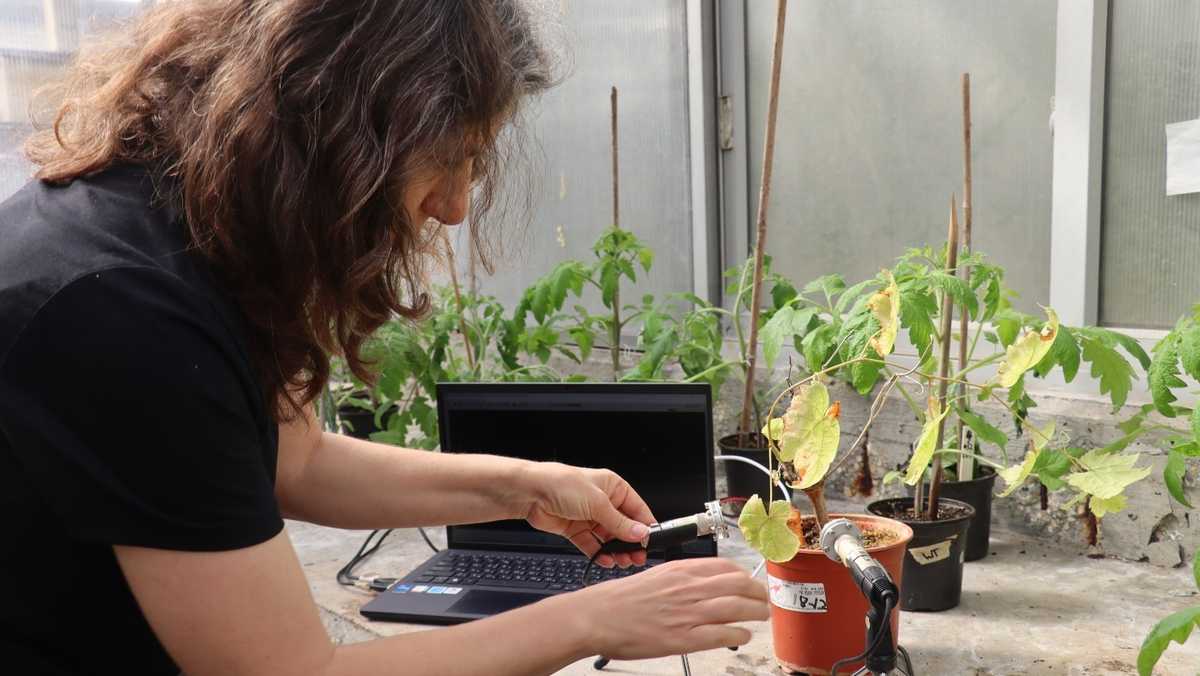
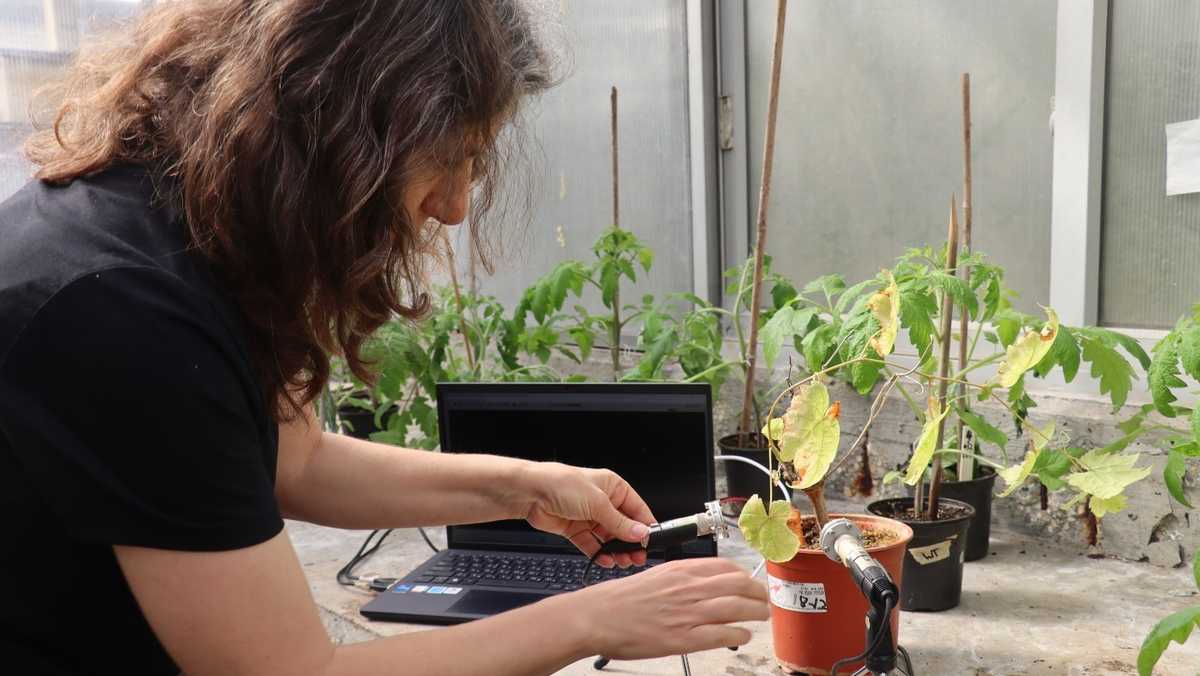
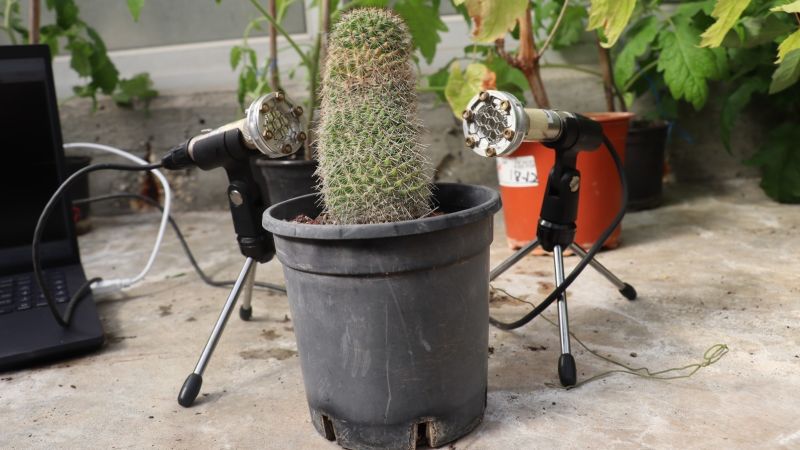
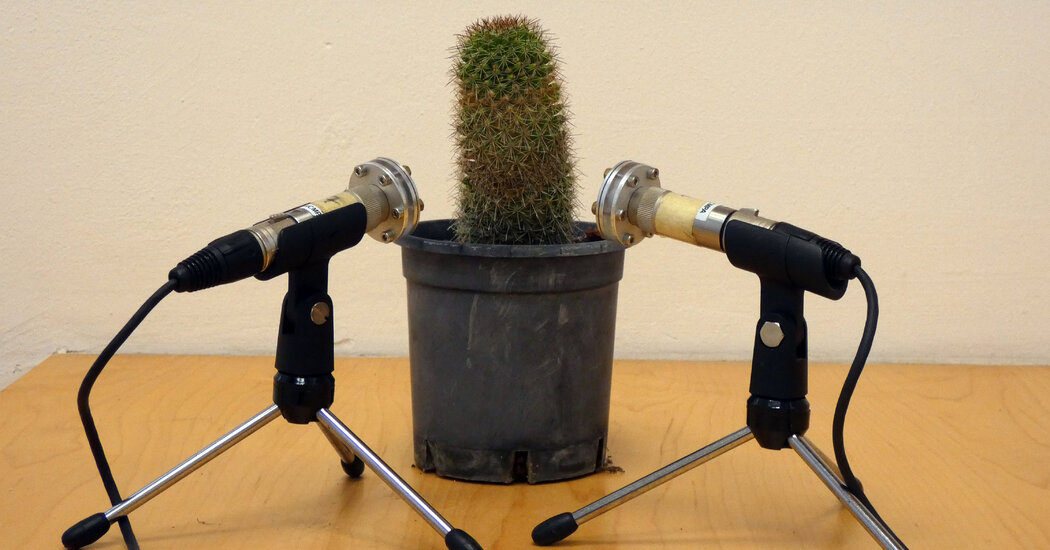
A new study has found that plants emit sounds, similar to 'screams', when they are distressed, producing clicking noises that are inaudible to humans without scientific equipment. The research, published in Cell, revealed that distressed plants emit high-pitched popping noises, while unstressed plants do not. The study's lead, Lilach Hadany, suggests that these sounds may serve as a form of communication with other organisms, and further research is being conducted to understand the responses of animals and plants to these sounds.
A new study has found that plants emit sounds, similar to 'screams', when they are distressed, producing clicking noises that are inaudible to humans without scientific equipment. The research, published in Cell, revealed that distressed plants emit high-pitched popping noises, while unstressed plants do not. The study's lead, Lilach Hadany, suggests that these sounds may serve as a form of communication with other organisms, and further research is being conducted to understand the responses of animals and plants to these sounds.
Roland has released a new software instrument called Galaxias, which provides access to a vast library of 20,000 sounds. The instrument offers musicians a wide range of options for creating music and exploring different sonic possibilities.
NASA has produced cosmic harmonies using astronomical data of objects in space. The mesmerizing sounds represent wavelengths of light detected by NASA telescopes.
Plants make popping sounds that are undetectable to the human ear, according to a new study. The research suggests the world around us is a cacophony of plant sounds, and plants make more sounds when thirsty or under other kinds of stress. The noises come from cavitation, a process in which an air bubble in the plant's water column collapses under some kind of pressure, making a click or pop. While the plant sounds are a passive phenomenon, other organisms might be able to use the plant's audible cues for their own benefit.
Plants make popping sounds that are undetectable to the human ear, according to a new study. The research suggests the world around us is a cacophony of plant sounds, and plants make more sounds when thirsty or under other kinds of stress. The noises come from cavitation, a process in which an air bubble in the plant's water column collapses under some kind of pressure, making a click or pop. While the plant sounds are a passive phenomenon, other organisms might be able to use the plant's audible cues for their own benefit.
Plants make popping sounds that are undetectable to the human ear, according to a new study. The research suggests the world around us is a cacophony of plant sounds, and plants make more sounds when thirsty or under other kinds of stress. The noises come from cavitation, a process in which an air bubble in the plant's water column collapses under some kind of pressure, making a click or pop. While the plant sounds are a passive phenomenon, other organisms might be able to use the plant's audible cues for their own benefit.
Plants make popping sounds that are undetectable to the human ear, according to a new study. The research suggests that the world around us is a cacophony of plant sounds, and plants make more sounds when thirsty or under other kinds of stress. The noises come from cavitation, a process in which an air bubble in the plant’s water column collapses under some kind of pressure, making a click or pop. While the plant sounds are a passive phenomenon, other organisms might be able to use the plant’s audible cues for their own benefit.
Researchers have recorded the sounds made by plants in response to stresses like dehydration or a cut, finding that the sounds correspond with the type of stress the plant is under. The sounds are a byproduct of cavitation, when tiny bubbles burst and produce mini-shock waves inside the plant’s vascular system. The plants did not air their grievances randomly but rather made specific complaints that matched up with the type of stresses they were under. The sounds fall within the hearing range of other animals, like mice and moths, and there is the question of whether other plants could be listening in to their neighbors’ drama.
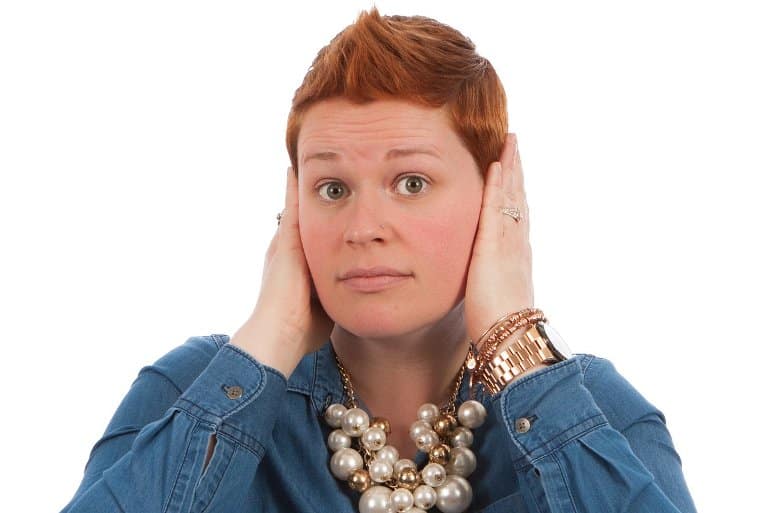
A study published in PLOS ONE found that up to 18% of the UK general population may have misophonia, a decreased tolerance to certain sounds such as chewing or sniffing. The study surveyed 768 people and found that 18% of the sample appeared to have significant symptoms of misophonia, which can include feeling trapped or helpless around these sounds, as well as blaming yourself for the strong reactions and missing out on things because of the impact of sounds. The authors suggest their survey tool may be useful to clinicians working in the misophonia field.
A new study from King’s College London and the University of Oxford has found that 18.4% of the UK population report that certain sounds cause a significant problem in their lives, with the extreme negative reaction to some everyday sounds that are usually made by other people known as misophonia. Aside from chewing, sniffing and breathing, yawning and tapping can also trigger the condition. People with misophonia often experience a fight-or-flight response to the sounds which can trigger anger and a need to escape. The study is the first in the UK to assess the level of the condition in a general population.