Conservationists are leveraging 400-million-year-old plant-fungi relationships, particularly mycorrhizal fungi, to restore forests, improve soil health, sequester carbon, and promote sustainable agriculture, demonstrating their vital role in ecological and climate solutions.
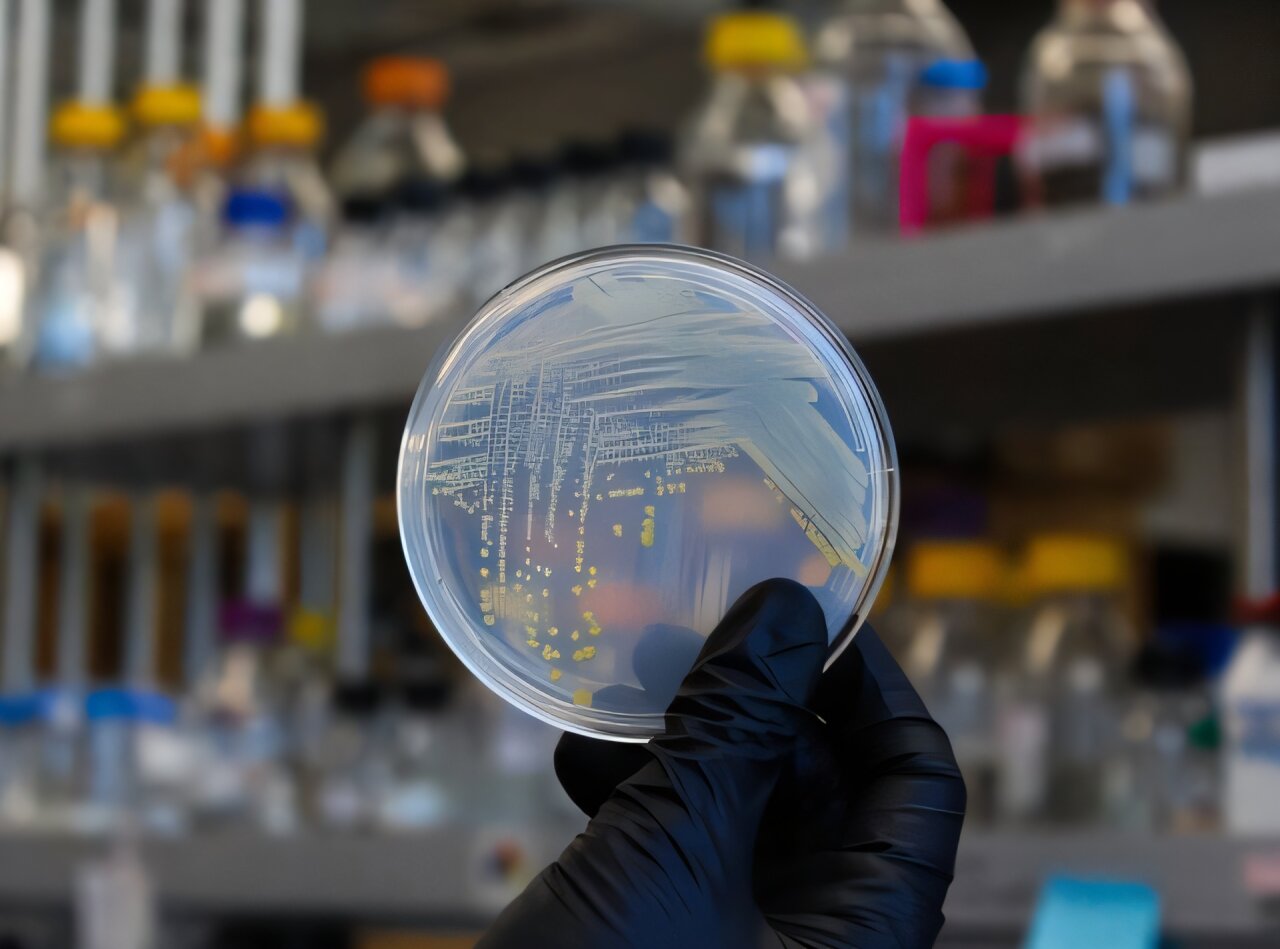
Recent research published in The ISME Journal highlights the significant role of corrinoids, a family of vitamin B12 nutrients, in influencing microbial growth and soil microbiomes. The studies revealed that while many soil bacteria can produce corrinoids, only a few release them, impacting microbiome assembly and activity. Additionally, the presence of corrinoids in soil, often exceeding levels needed for microbial growth, can transiently alter microbiome structures. These findings suggest potential strategies for manipulating soil microbiomes to enhance soil health and ecosystem functions.
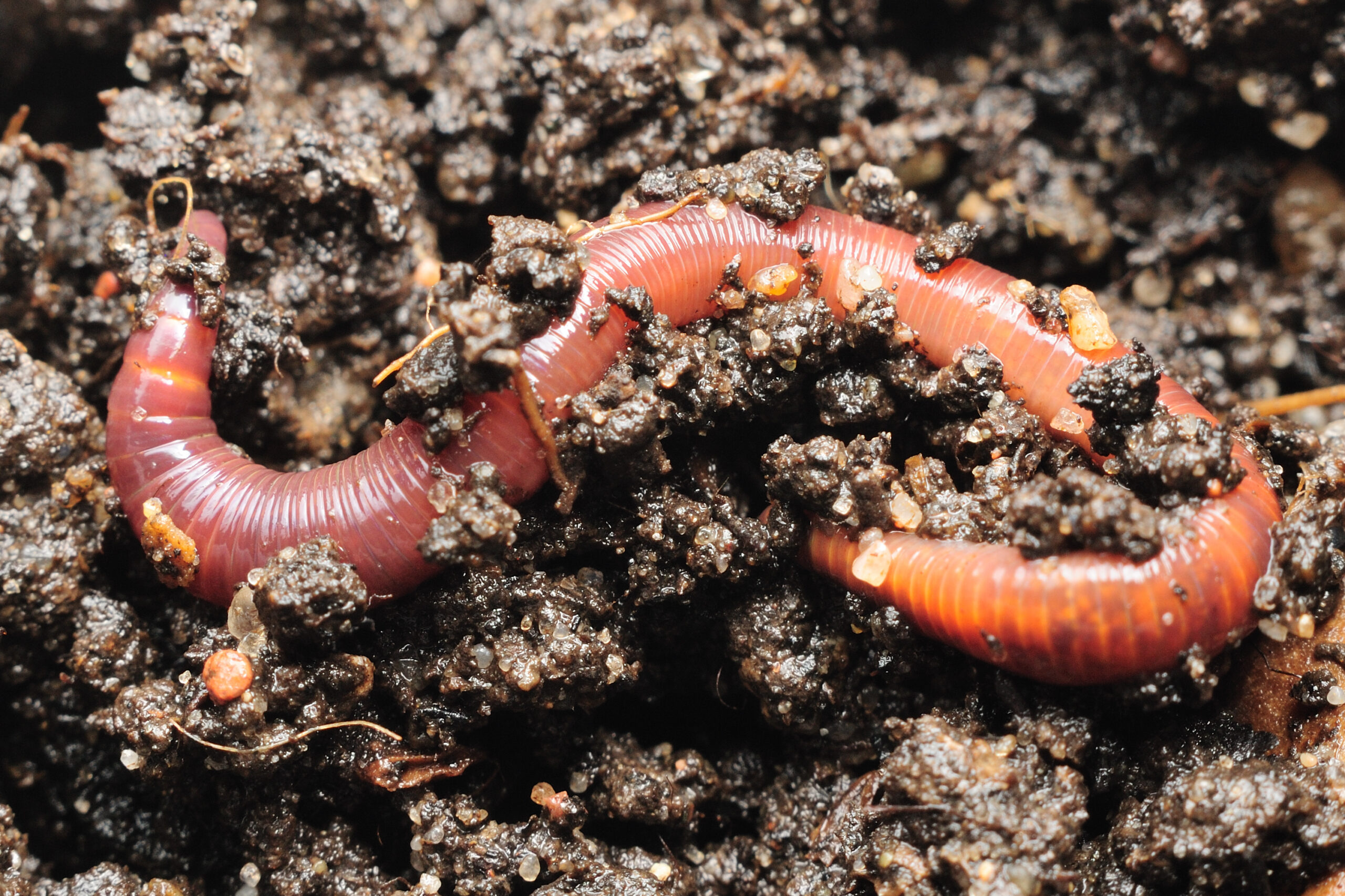
A new study led by Stanford University reveals that the invasion of at least 70 species of non-native earthworms in North America is posing a significant threat to the continent's ecosystems, stressing native plants and wildlife, displacing native earthworm species, and altering soil properties. The study emphasizes the urgent need for attention to this phenomenon and underscores the importance of prevention and early detection in managing the threat posed by invasive earthworms.
In a large-scale field trial conducted in Switzerland, researchers found that inoculating soil with mycorrhizal fungi can increase plant yield by up to 40%. The fungi act as a protective shield against soil pathogens, helping plants acquire nutrients and maintain yields without the need for additional fertilizers or pesticides. However, the effectiveness of the fungi varied depending on the presence of pathogens in the soil. The study's findings provide valuable insights for developing sustainable agricultural methods and predicting the success of mycorrhizal inoculation. Further research is needed to determine the most efficient way to spread the fungi over large areas.
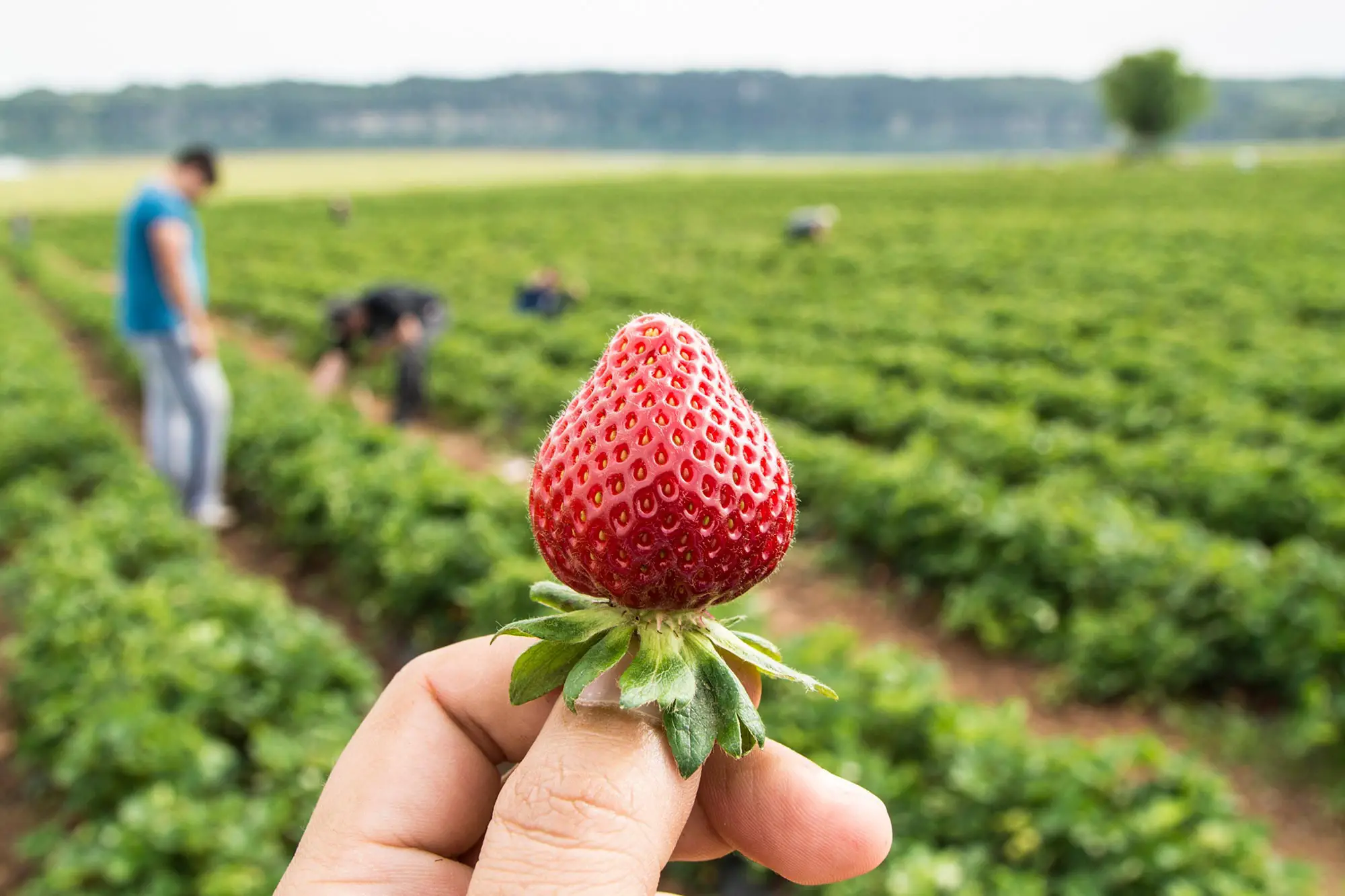
Plastic mulch, commonly used in strawberry farming in California, is contributing to soil plastic pollution, according to a recent study. The shedding of plastic fragments from the mulch negatively impacts soil health and raises concerns about the long-term sustainability of its usage. Even meticulous removal of the mulch leaves behind fragments that adhere to the soil, resulting in plastic accumulation over time. The researchers found significant amounts of macroplastic particles in strawberry fields, with potential global implications for plastic use in agriculture. The study highlights the need for alternative mulching options and collaboration with manufacturers to address environmental concerns.
Mosses, the oldest living relative of all plants, have been found to absorb six times more carbon dioxide than other plants, according to a study published in Nature. Mosses cover an area of the Earth about as big as China or Canada and store an estimated 6.43 billion metric tons of carbon in their soils. They also help keep a lid on plant pathogens and have remarkable powers of resilience. Harnessing the power of moss can improve soil health, control weeds, and contribute to a healthy ecosystem.
A new grazing practice called Adaptive Multi-Paddock (AMP) grazing, which mimics the natural grazing patterns of wild animals, is being hailed as a potential solution to the environmental impact of cattle farming. By using smaller grazing areas and allowing the land to rest and regenerate, AMP farmers have observed benefits such as improved soil health, increased carbon sequestration, and reduced methane emissions. Early data from a study comparing AMP grazing to conventional methods shows promising results, including higher levels of microbes and insect diversity in the soil, as well as increased rainwater absorption. While some critics argue for a shift towards a vegan diet, proponents of AMP grazing believe that properly managed grasslands can play a crucial role in building healthy soil and mitigating climate change.
Fungi, including mycorrhizal fungi, are responsible for consuming more than a third of the world's annual fossil fuel emissions, according to a study published in Current Biology. This makes fungi a crucial but often overlooked component in carbon modeling, conservation, and restoration efforts. However, human activities such as agriculture, mining, and industry continue to disrupt these subsurface fungal networks, which are essential to the health of our planet and the ecosystems on which we depend.
A new study has revealed the vital role of moss in ecosystems around the world. Researchers estimated that the plant covers a staggering 9.4 million square kilometers in the types of environments surveyed, comparable to the size of China or Canada. Moss helps maintain surface microclimates, contributes to soil biodiversity, and acts as a storage pool for nutrients, including carbon, currently keeping about 6.43 billion metric tons of this vital element out of our oversaturated atmosphere. Moss may provide the perfect vehicle to kick start the recovery of severely degraded urban and natural area soils.
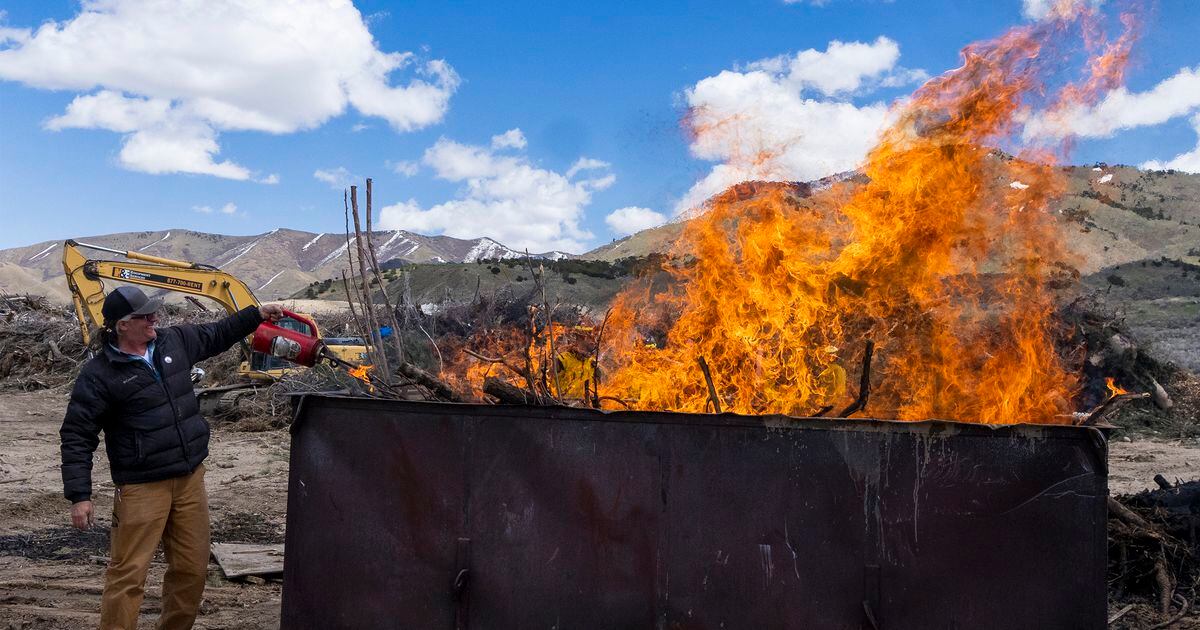
Biochar, a charcoal-like material made from wood waste or other plant material heated in a low-oxygen environment, has the potential to limit climate change and increase food production by locking down carbon dioxide and adding nutrients to soil. Forests overstocked with wood that fuels wildfires offer the biggest opportunity for biochar production. However, there is debate about whether the carbon dioxide in biochar truly stays locked up. Proponents of biochar hosted a "Charpolooza" event in Tooele County to demonstrate three devices for producing it, including portable kilns that can take the kilns to the waste rather than taking the waste to the kilns.