A new parasitic plant called fairy lantern (Thismia selangorensis) was discovered near Kuala Lumpur, Malaysia. It uniquely derives nutrients from underground fungi and produces a distinctive pinkish flower with tentacle-like structures, highlighting its parasitic nature and underground lifestyle.

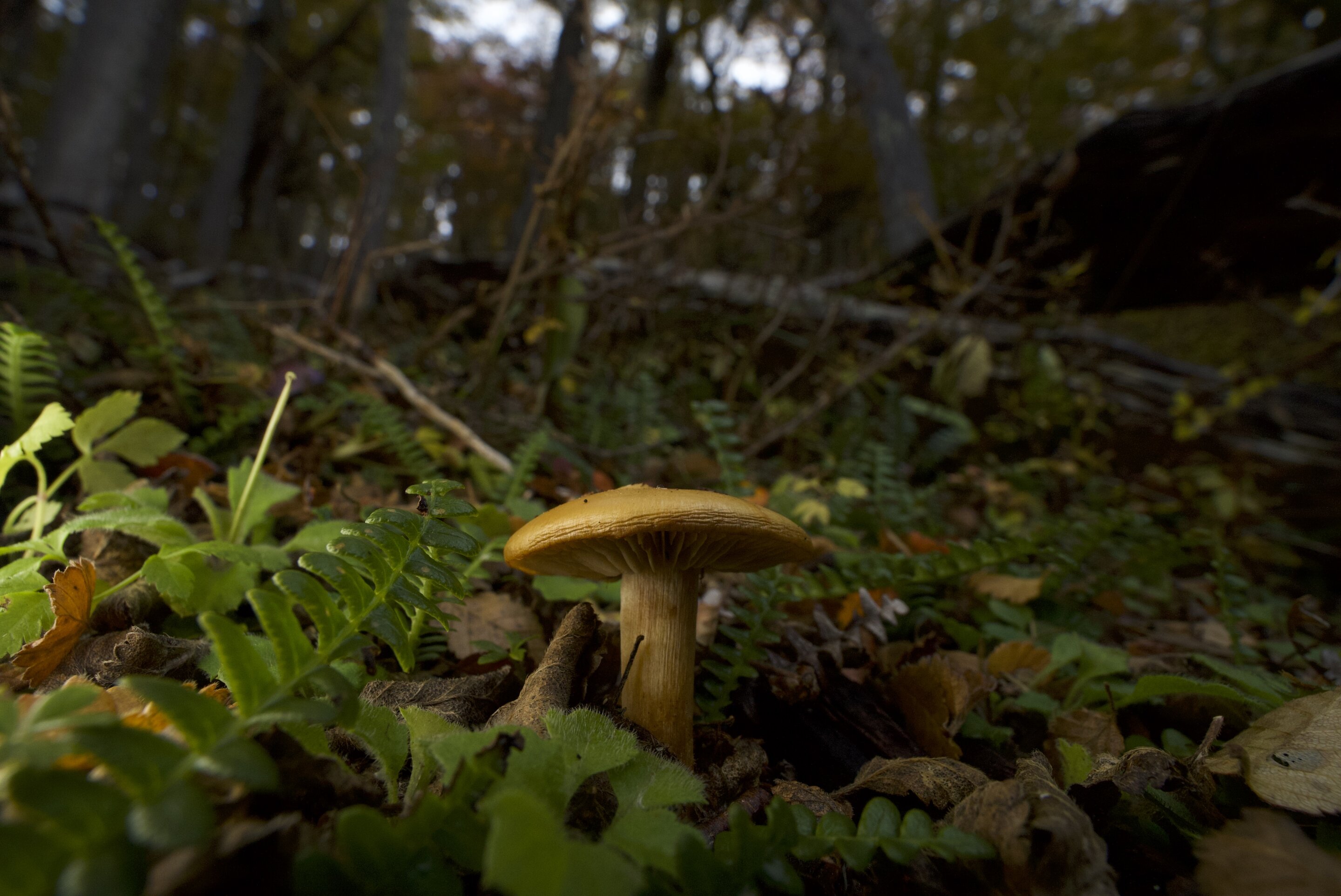
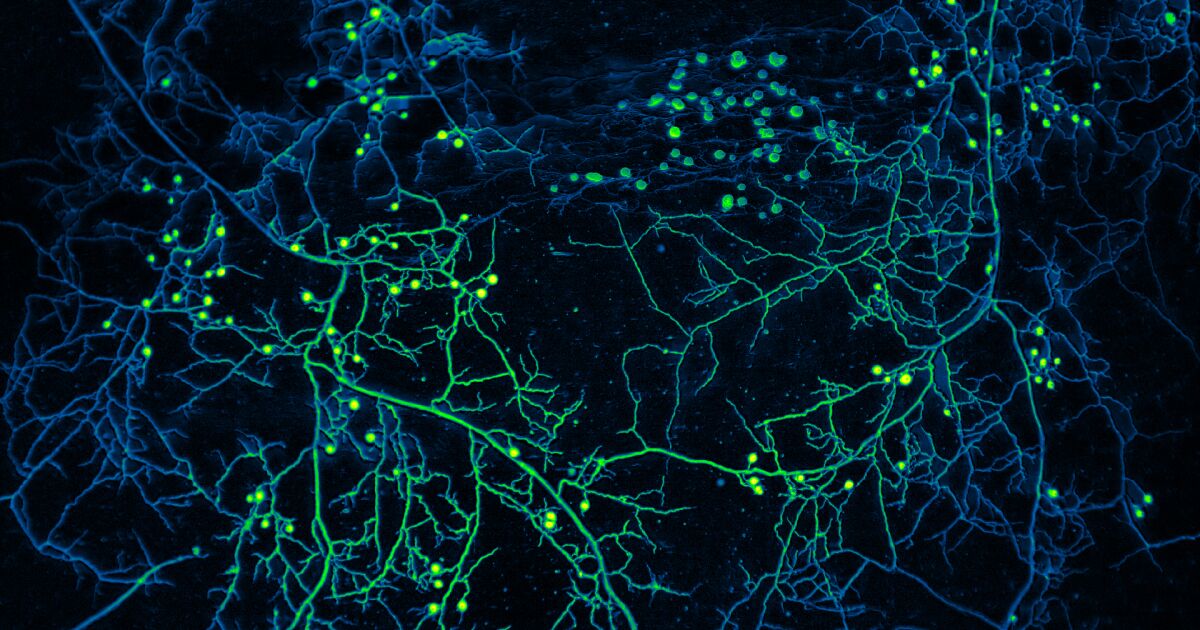
Conservationists are leveraging 400-million-year-old plant-fungi relationships, particularly mycorrhizal fungi, to restore forests, improve soil health, sequester carbon, and promote sustainable agriculture, demonstrating their vital role in ecological and climate solutions.
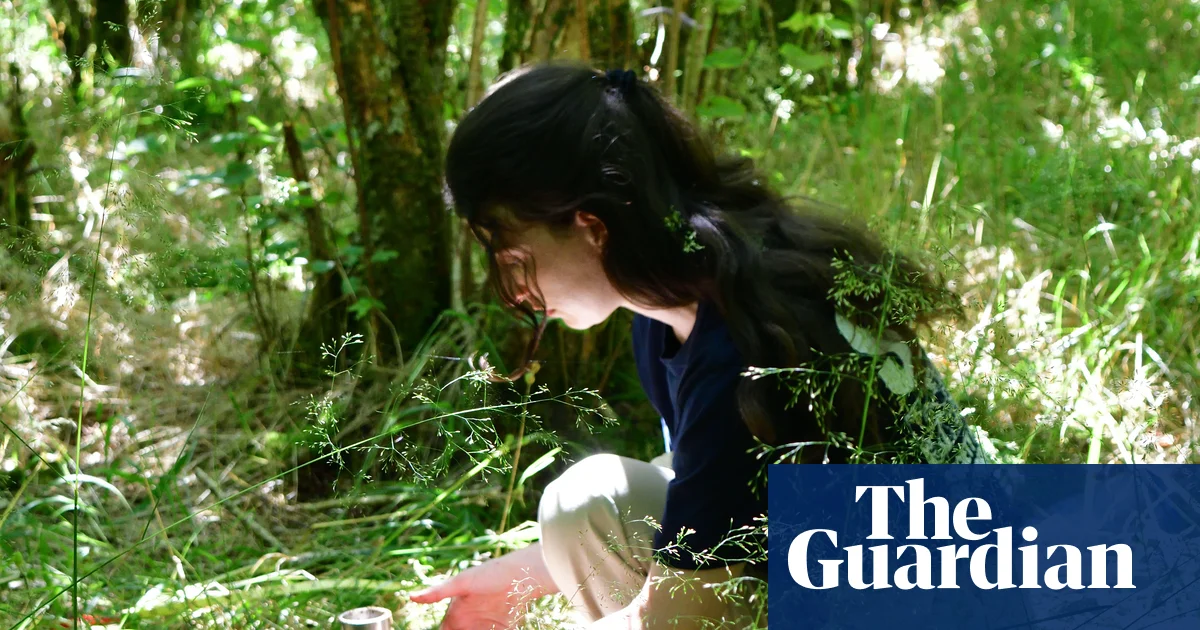
Scientists are exploring the role of fungi in restoring Britain's ancient hazelwoods and temperate rainforests, emphasizing the importance of subterranean microbial communities in forest health and regeneration, with efforts spanning from Scotland to global sites like Colombia to develop a comprehensive understanding and strategies for ecosystem revival.
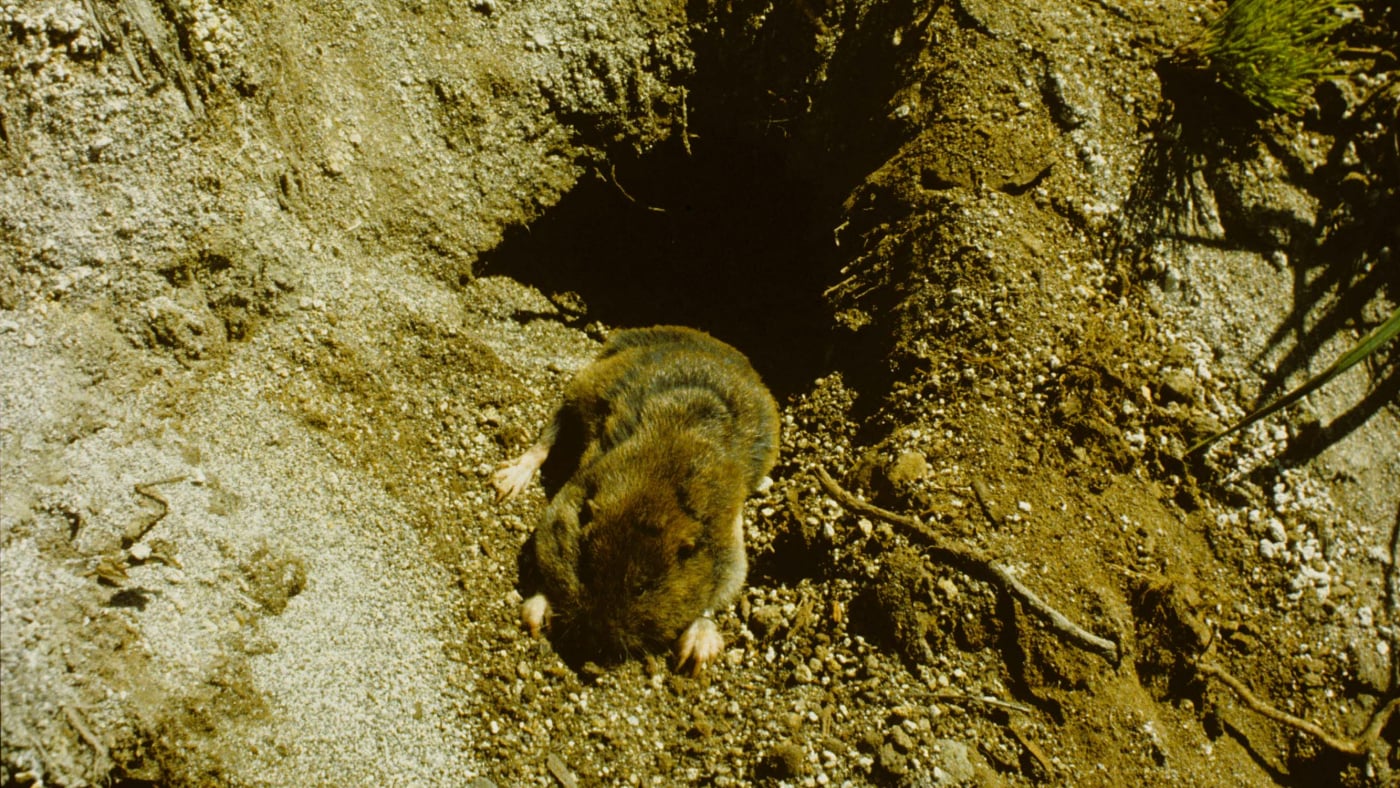
After the 1980 eruption of Mount St. Helens, scientists introduced pocket gophers to the devastated landscape to study their impact on ecosystem recovery. Despite their brief 24-hour stay, the gophers' digging and the introduction of spores and fungi significantly boosted plant growth, transforming barren areas into thriving ecosystems over decades. This experiment highlights the potential of using natural processes to aid habitat recovery after environmental disasters.
Scientists have discovered that northern pocket gophers can significantly aid in the restoration of devastated landscapes, such as Mount St. Helens after its 1980 eruption. By burrowing, these rodents help distribute beneficial microbes, including mycorrhizal fungi, which enhance plant growth and resilience. This process has led to a remarkable recovery of plant life in areas where gophers were introduced, highlighting the critical role of microbial communities in ecosystem recovery.
After the 1980 eruption of Mount St. Helens, scientists introduced gophers to the devastated landscape to test their potential in aiding ecological recovery. The gophers' activity helped bring beneficial bacteria and fungi to the surface, significantly enhancing plant regrowth. This experiment, initially intended to observe short-term effects, has shown lasting benefits, with the gopher-affected areas still thriving 40 years later. The study highlights the critical role of microbes and fungi in ecosystem recovery, as seen in the contrasting regrowth between old-growth and clearcut forests affected by the eruption.
After the 1980 eruption of Mount St. Helens, scientists introduced gophers to the devastated landscape to aid in ecological recovery. The gophers' burrowing activities helped unearth beneficial microbes and fungi, significantly enhancing soil health and biodiversity. A recent study highlights the long-term positive impact of this intervention, showing increased microbial activity and plant growth in areas where gophers were introduced. This underscores the crucial role of soil microbes and fungi in ecosystem restoration.
A study published in PNAS reveals that climate change is causing tree populations to move away from the soil fungi that sustain them, particularly in northern latitudes. This migration lag is due to the trees relocating to soils lacking the necessary mycorrhizal fungi, which are crucial for their nutrient uptake and survival. The research highlights the importance of understanding and protecting these symbiotic relationships to mitigate the impacts of climate change on forest ecosystems.
A study published in Nature Communications Biology suggests that soil fungi, particularly mycorrhizal fungi, may be influencing global forest diversity. The research indicates that mycorrhizal fungi, which form mutually beneficial relationships with plant roots, counteract the effects of harmful soil pathogens, potentially influencing global patterns of forest diversity. The study used data from 43 Forest Global Earth Observatory (ForestGEO) plots and found evidence for both diversity-promoting effects of arbuscular fungi and diversity-reducing effects of ectomycorrhizal fungi, shedding light on the role of soil microbes in driving global biodiversity patterns.
In a large-scale field trial conducted in Switzerland, researchers found that inoculating soil with mycorrhizal fungi can increase plant yield by up to 40%. The fungi act as a protective shield against soil pathogens, helping plants acquire nutrients and maintain yields without the need for additional fertilizers or pesticides. However, the effectiveness of the fungi varied depending on the presence of pathogens in the soil. The study's findings provide valuable insights for developing sustainable agricultural methods and predicting the success of mycorrhizal inoculation. Further research is needed to determine the most efficient way to spread the fungi over large areas.
A global team of researchers has discovered that mycorrhizal fungi, which live underground in symbiotic relationships with plants, play a crucial role in capturing and storing carbon dioxide from the atmosphere. The researchers estimate that around 36% of the carbon released annually from burning fossil fuels is captured by these fungi. By sending sugars and fats down to the fungi, plants receive water and essential nutrients in return. The study also found that plants associated with mycorrhizal fungi can take in eight times more carbon than those without. However, the use of fertilizers disrupts this relationship, limiting the growth of the fungal matrix and leading to soil erosion and increased carbon emissions. Understanding the role of mycorrhizal fungi can inform land use planning and conservation efforts to mitigate climate change.
Mycorrhizal fungi, which form symbiotic relationships with nearly all land plants, are important conduits to transport carbon into soil ecosystems. A meta-analysis estimates that as much as 13.12 gigatons of carbon dioxide equivalents fixed by terrestrial plants is allocated to mycorrhizal fungi annually, roughly equivalent to 36% of yearly global fossil fuel emissions. However, 90% of soils could be degraded by 2050, and fungi are left out of most conservation and environmental policy.
Mycorrhizal fungi, which form symbiotic relationships with nearly all land plants, could be essential to reaching net zero emissions, according to a meta-analysis published in Current Biology. The study estimates that as much as 36% of yearly global fossil fuel emissions are allocated to mycorrhizal fungi annually, equivalent to 13.12 gigatons of carbon dioxide equivalents. However, the permanence of carbon within mycorrhizal structures remains unclear, and the researchers emphasize the urgent need for further empirical study of carbon and nutrient fluxes between plants and mycorrhizal fungi.