Research by Dr. Gao's team reveals that biochar can actively degrade organic pollutants through direct electron transfer, making it a more powerful and sustainable tool for water treatment than previously thought, potentially reducing chemical use and costs in wastewater management.
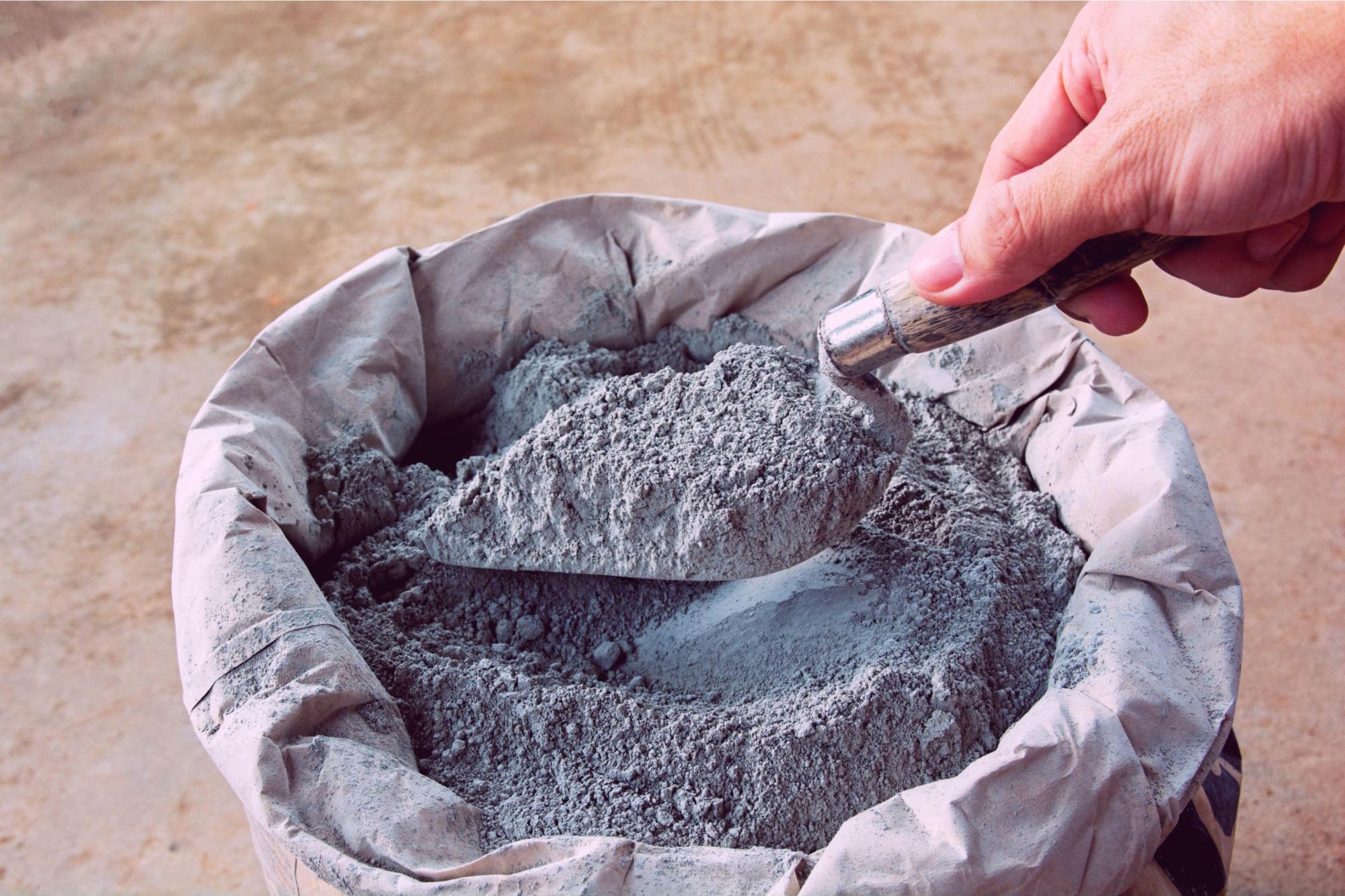
Researchers at the University of Saskatchewan are exploring the use of biochar, made from crop waste, as a substitute for part of the cement in concrete, resulting in a stronger, more durable, and environmentally friendly material that could reduce greenhouse gas emissions and utilize agricultural waste.
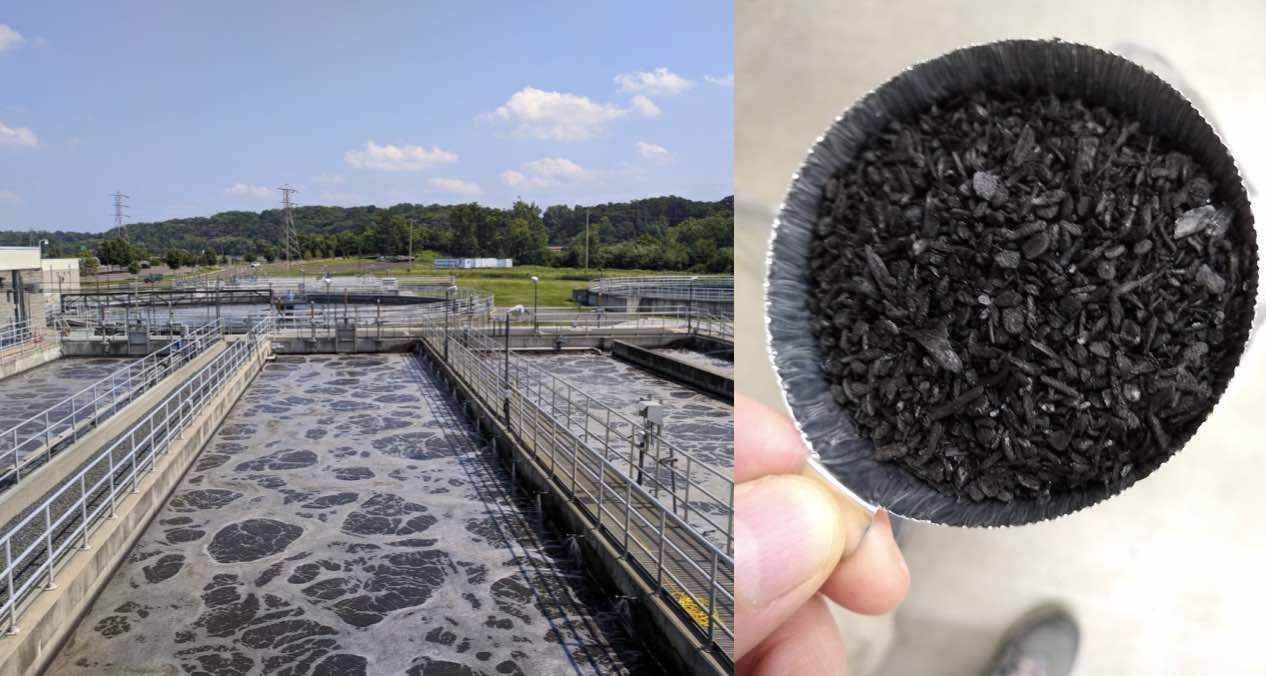
Scientists have developed a method to recycle phosphorus from wastewater and infuse it into biochar, a soil superfood made from incinerated organic material. Biochar acts like an underground rainwater sponge that delivers necessary phosphorus and other nutrients for plant growth. The process not only recycles phosphorus and produces cleaner water but also increases soil health and creates a carbon sink that reduces atmospheric greenhouse gases. The method has been patented and could be used to tackle several major problems related to agriculture and pollution.
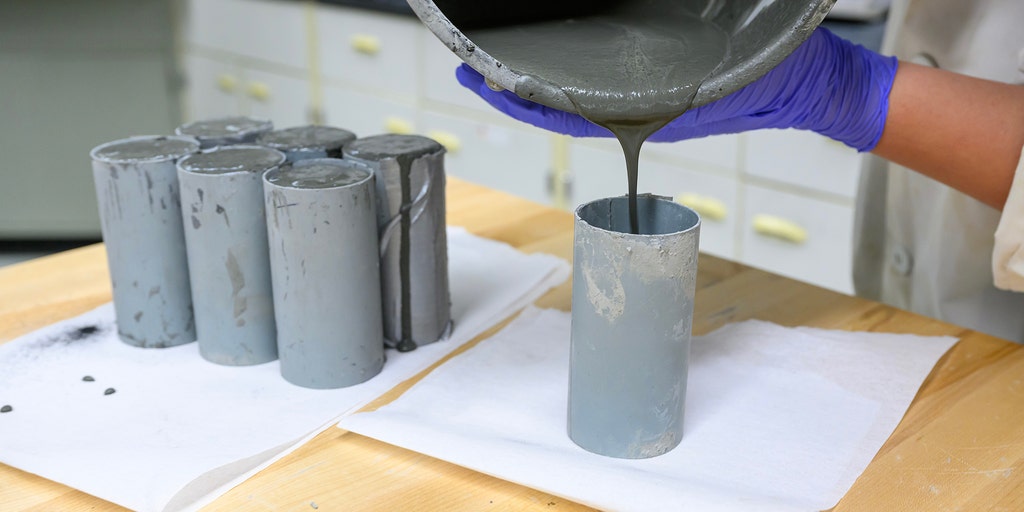
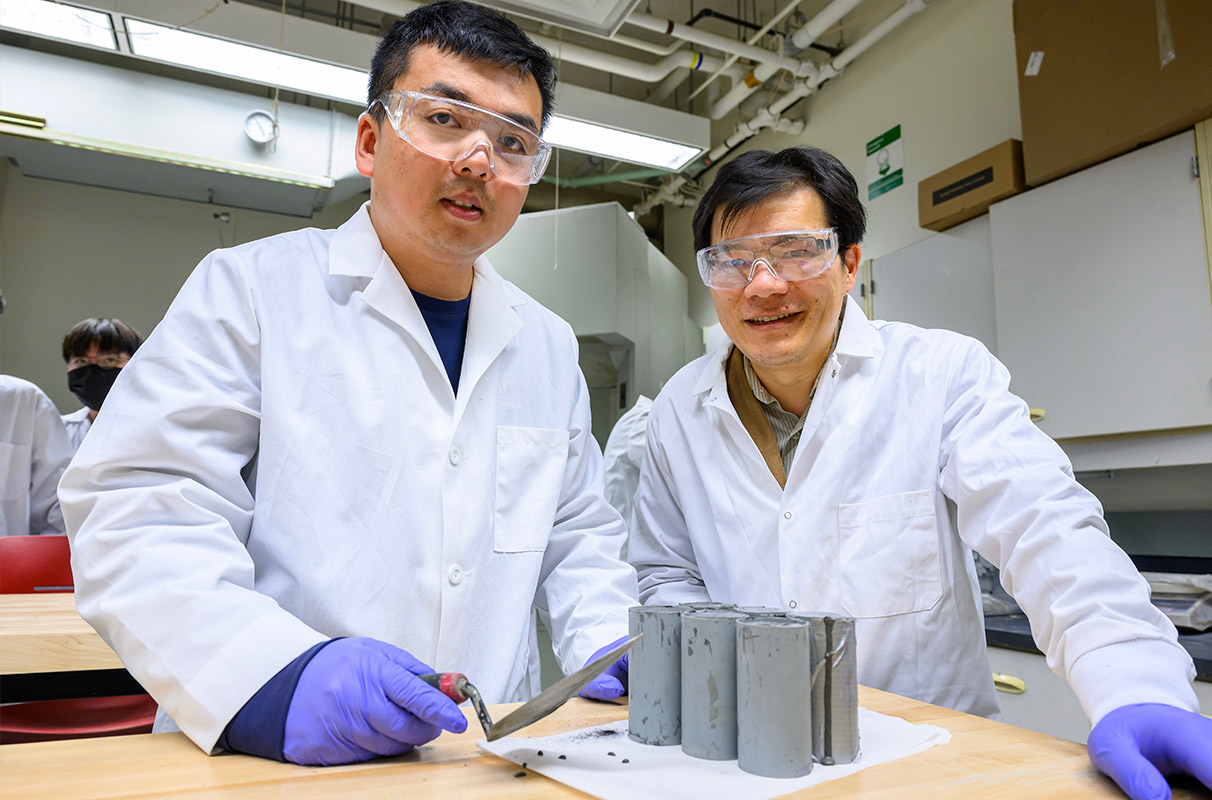
Researchers at Washington State University have developed a 'carbon-negative' concrete that removes up to 23% of its weight in carbon dioxide from the air during its formation by using 30% biochar, a type of charcoal made from organic waste, mixed with concrete wastewater. The new formula maintains a similar strength to ordinary cement and the carbon dioxide remains sequestered inside the concrete for its lifespan. The team hopes the invention will significantly reduce carbon emissions from the concrete industry and is now working to patent and commercialize the technology.
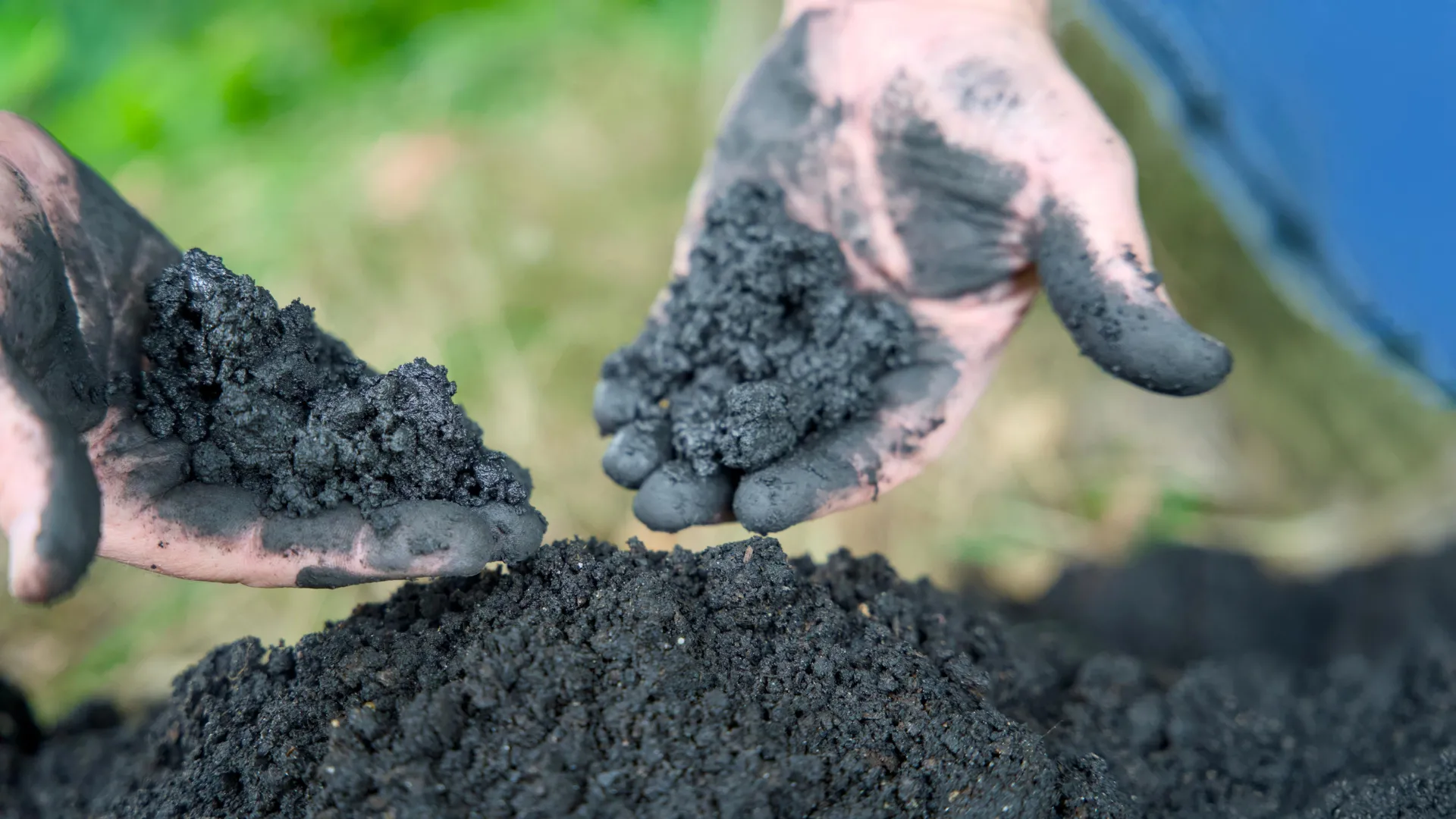
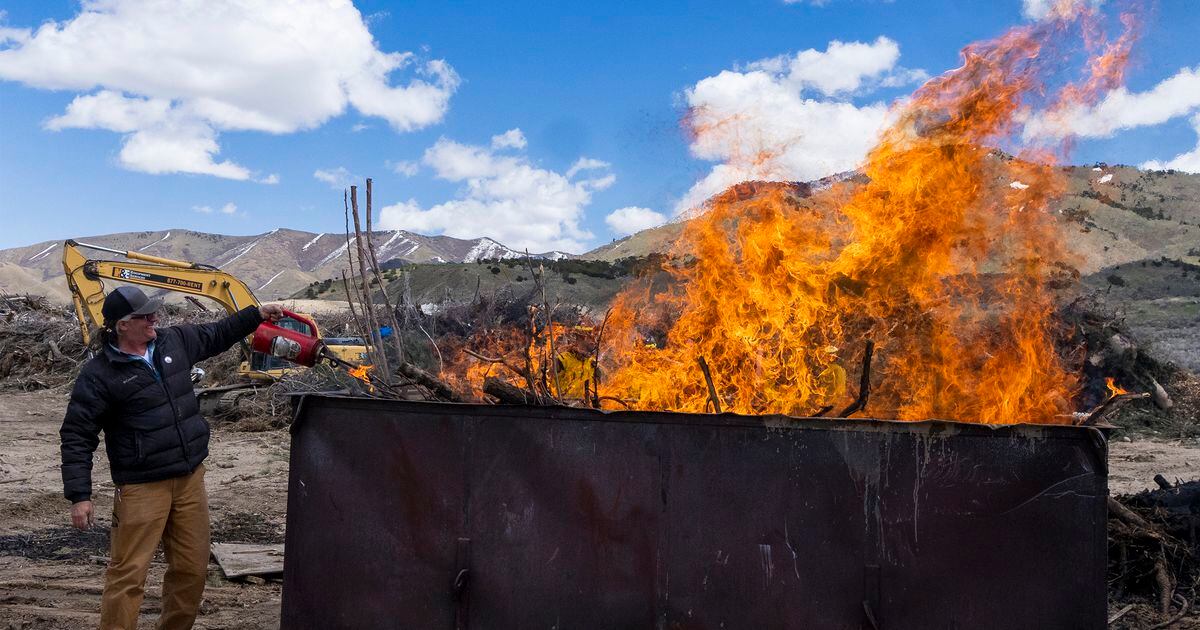
Biochar, a charcoal-like material made from wood waste or other plant material heated in a low-oxygen environment, has the potential to limit climate change and increase food production by locking down carbon dioxide and adding nutrients to soil. Forests overstocked with wood that fuels wildfires offer the biggest opportunity for biochar production. However, there is debate about whether the carbon dioxide in biochar truly stays locked up. Proponents of biochar hosted a "Charpolooza" event in Tooele County to demonstrate three devices for producing it, including portable kilns that can take the kilns to the waste rather than taking the waste to the kilns.
Researchers at Washington State University have developed a carbon-negative concrete that is nearly as strong as regular concrete by infusing regular cement with biochar, a type of charcoal made from organic waste, that had been strengthened beforehand with concrete wastewater. The biochar was able to absorb up to 23% of its weight in carbon dioxide from the air while still reaching a strength comparable to ordinary cement. The research could significantly reduce carbon emissions of the concrete industry, which is one of the most energy- and carbon-intensive of all manufacturing industries.
Researchers at Washington State University have developed a carbon-negative concrete by infusing regular cement with biochar, a type of charcoal made from organic waste, that had been strengthened beforehand with concrete wastewater. The biochar was able to absorb up to 23% of its weight in carbon dioxide from the air while still reaching a strength comparable to ordinary cement. The research could significantly reduce carbon emissions of the concrete industry, which is one of the most energy- and carbon-intensive of all manufacturing industries.