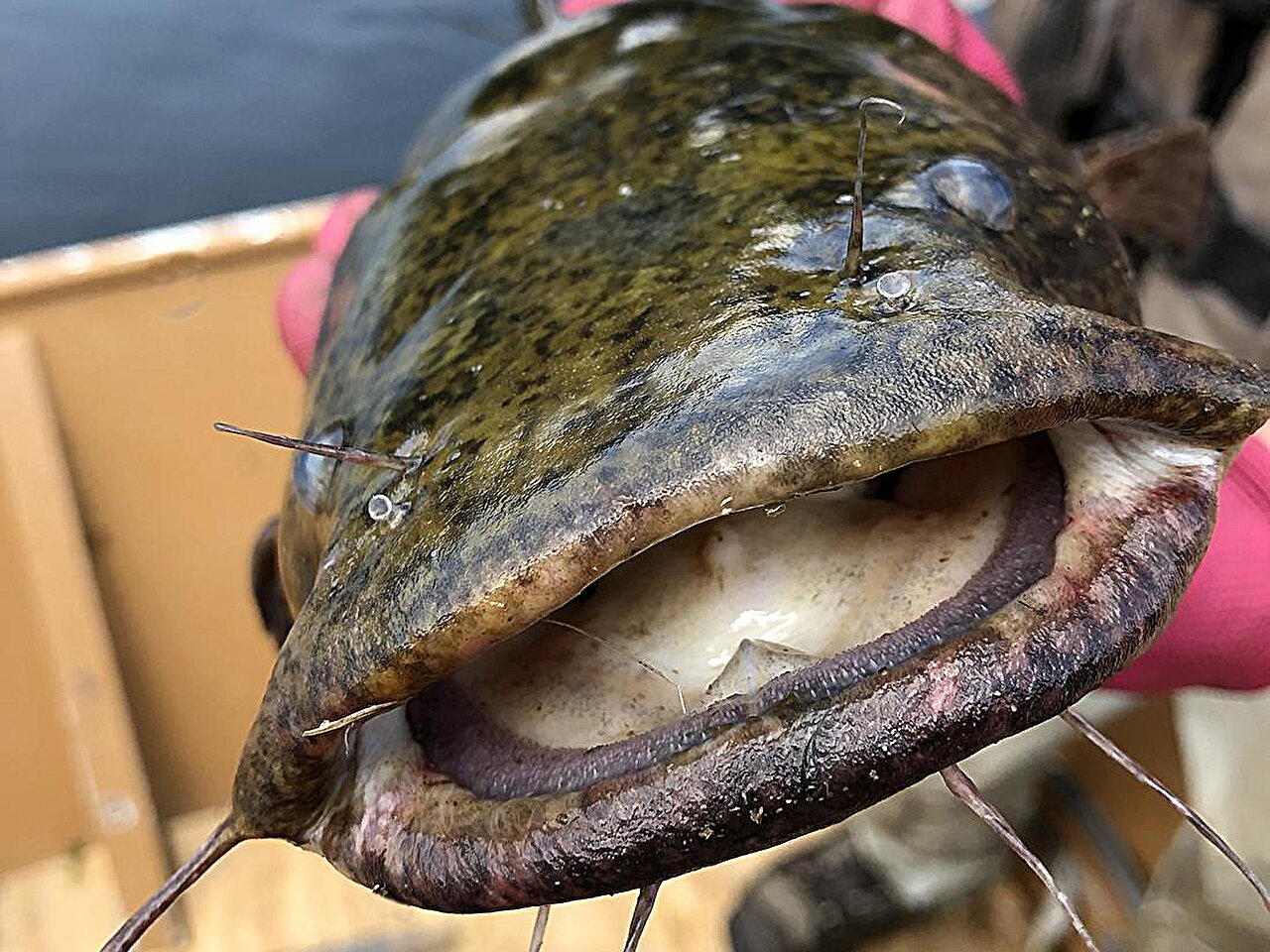
Invasive flathead catfish have become top predators in the Susquehanna River, disrupting the local food web by outcompeting native species and altering their diets, which may destabilize the ecosystem over time.
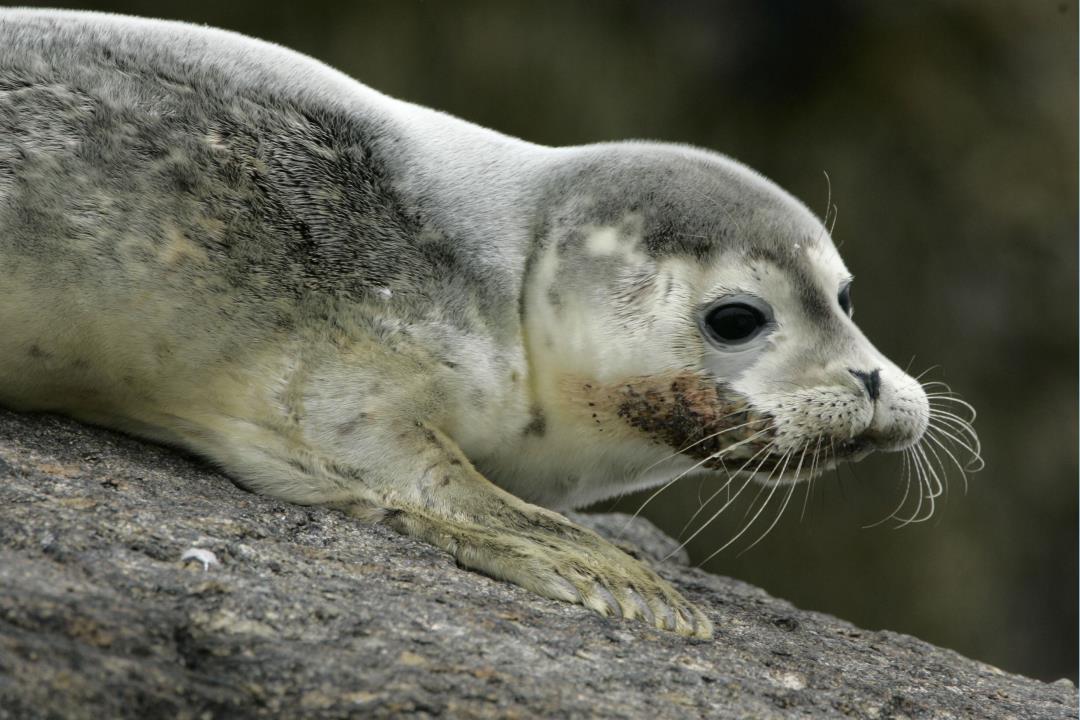
Avian influenza, which has caused the deaths of millions of domesticated birds, is now wreaking havoc on seals and sea lions worldwide, with tens of thousands of these marine mammals dying in various locations. The virus, likely contracted from infected seabirds, is disrupting ecosystems and causing concern among scientists about its potential impact on other vulnerable animal species. Some experts suggest a possible link between the outbreaks and warming oceans due to climate change.
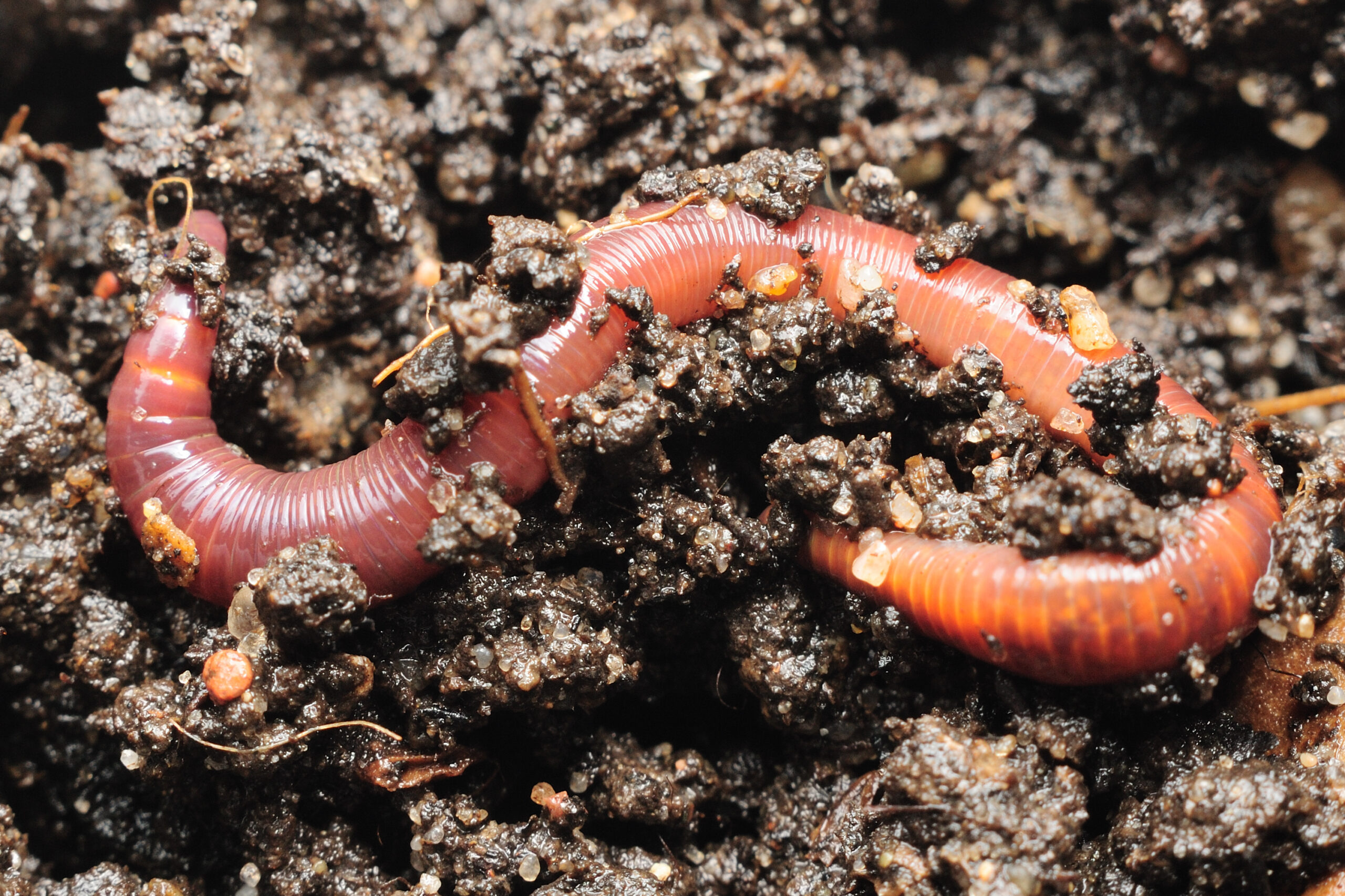
A new study led by Stanford University reveals that the invasion of at least 70 species of non-native earthworms in North America is posing a significant threat to the continent's ecosystems, stressing native plants and wildlife, displacing native earthworm species, and altering soil properties. The study emphasizes the urgent need for attention to this phenomenon and underscores the importance of prevention and early detection in managing the threat posed by invasive earthworms.
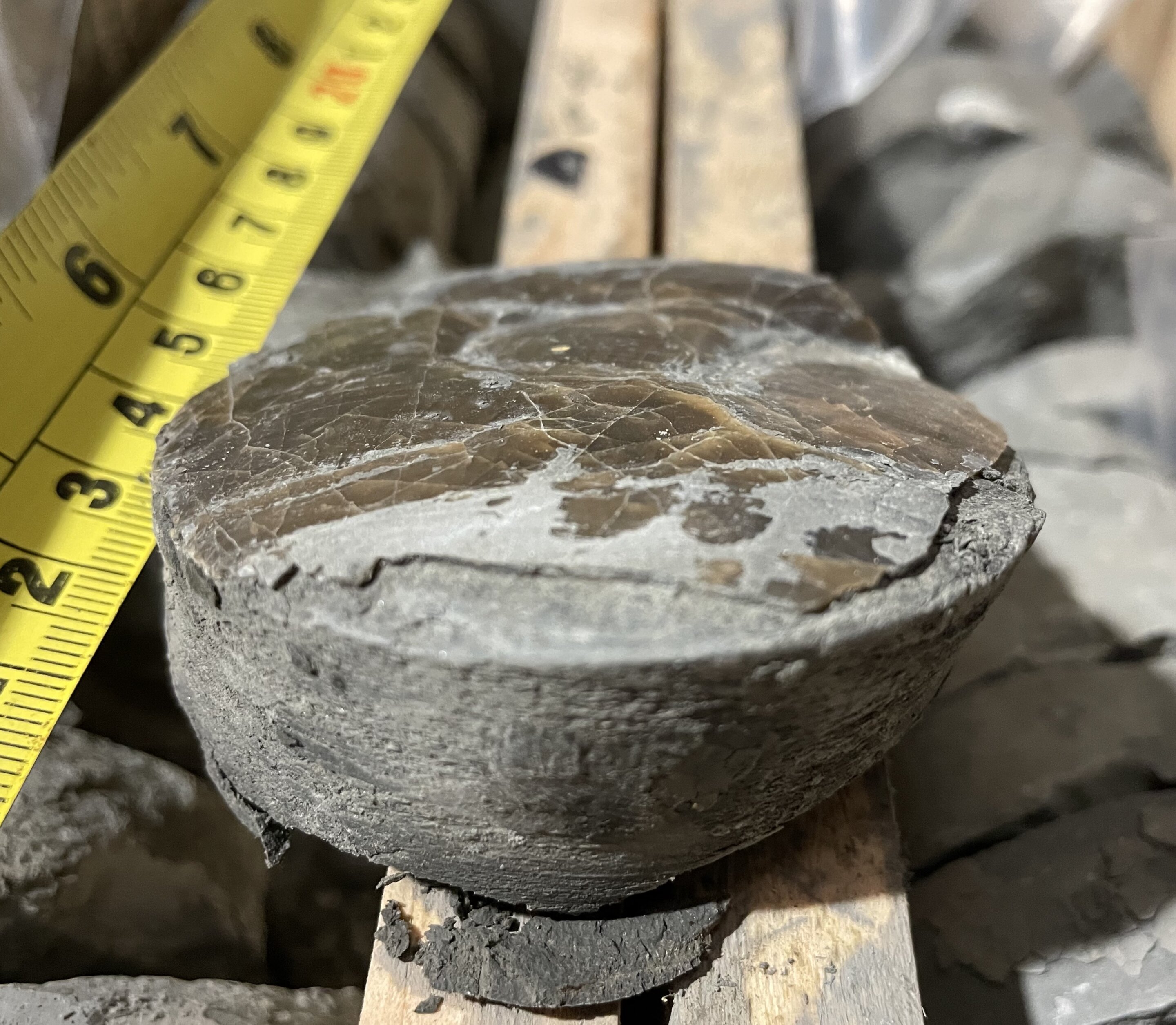
A new study published in Nature Geosciences reveals that oceanic deoxygenation (anoxia) played a significant role in the Triassic-Jurassic mass extinction event that occurred around 200 million years ago. Surprisingly, the study shows that the global extent of extreme deoxygenation during that time was similar to present-day levels. The research highlights the vulnerability of marine ecosystems to local deoxygenation, even when global deoxygenation levels are not widespread. The findings have implications for understanding present-day ecosystem stability and the potential impacts of global warming and increased nutrient run-off on marine environments.
Rising ocean temperatures caused by climate change are disrupting the ocean food web, impacting not only corals but also the entire ecosystem. The warming waters affect phytoplankton, the base of the food web, by reducing their pigment production and nutrient intake. This, in turn, affects zooplankton and other marine organisms, leading to changes in community composition and potential threats to fisheries. The heat also causes stratification, preventing nutrient upwelling and further depriving phytoplankton of essential nutrients. These disruptions have far-reaching consequences for the Earth's climate system, as plankton play a crucial role in carbon sequestration. While the ecosystem may adapt, biodiversity loss and the loss of important functions are expected.