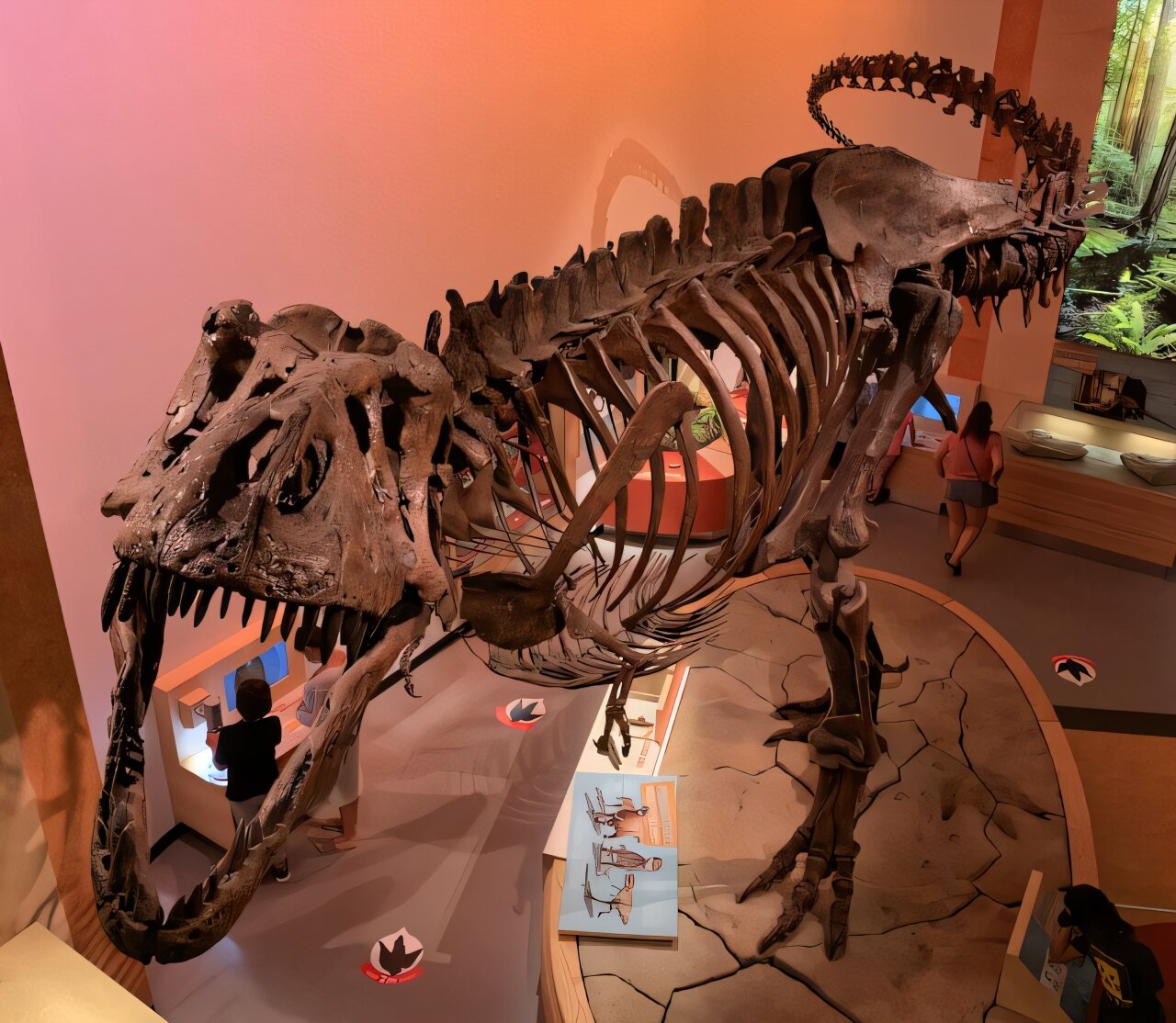
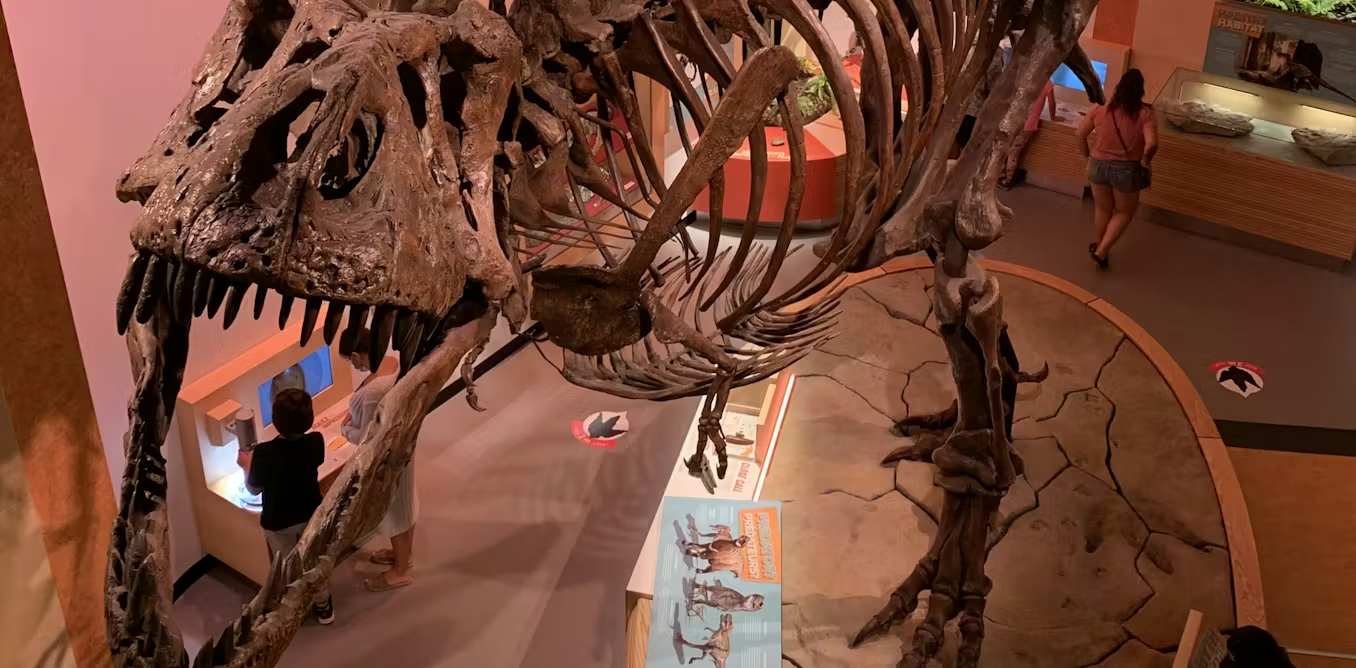
A physicist and research team discovered preserved blood vessels in the largest T. rex fossil, Scotty, using advanced 3D modeling and synchrotron X-ray technology, providing new insights into dinosaur healing and soft tissue preservation, which could revolutionize paleontology research.
A physicist studying fossils discovered preserved blood vessels in a T. rex fossil, using advanced 3D modeling and synchrotron X-ray technology, which could revolutionize understanding of dinosaur biology and healing processes.
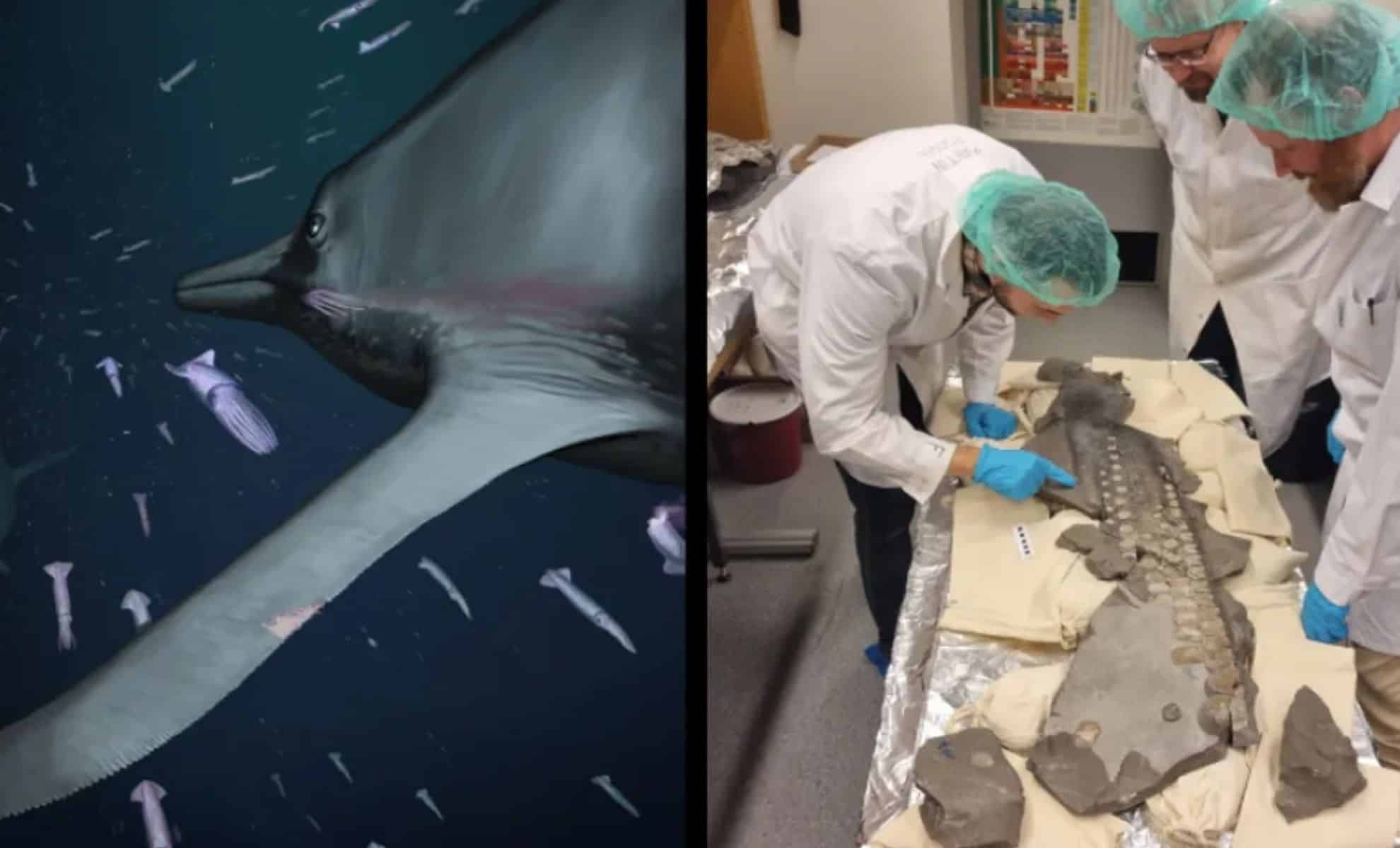
A groundbreaking discovery of the first soft tissue fossil of a giant ichthyosaur from 183 million years ago reveals new features like chondroderms, which suggest the ichthyosaur was a stealthy, apex predator. This find challenges previous understanding of these marine reptiles, offering insights into their hunting strategies, evolution, and ecological role in the Jurassic seas.
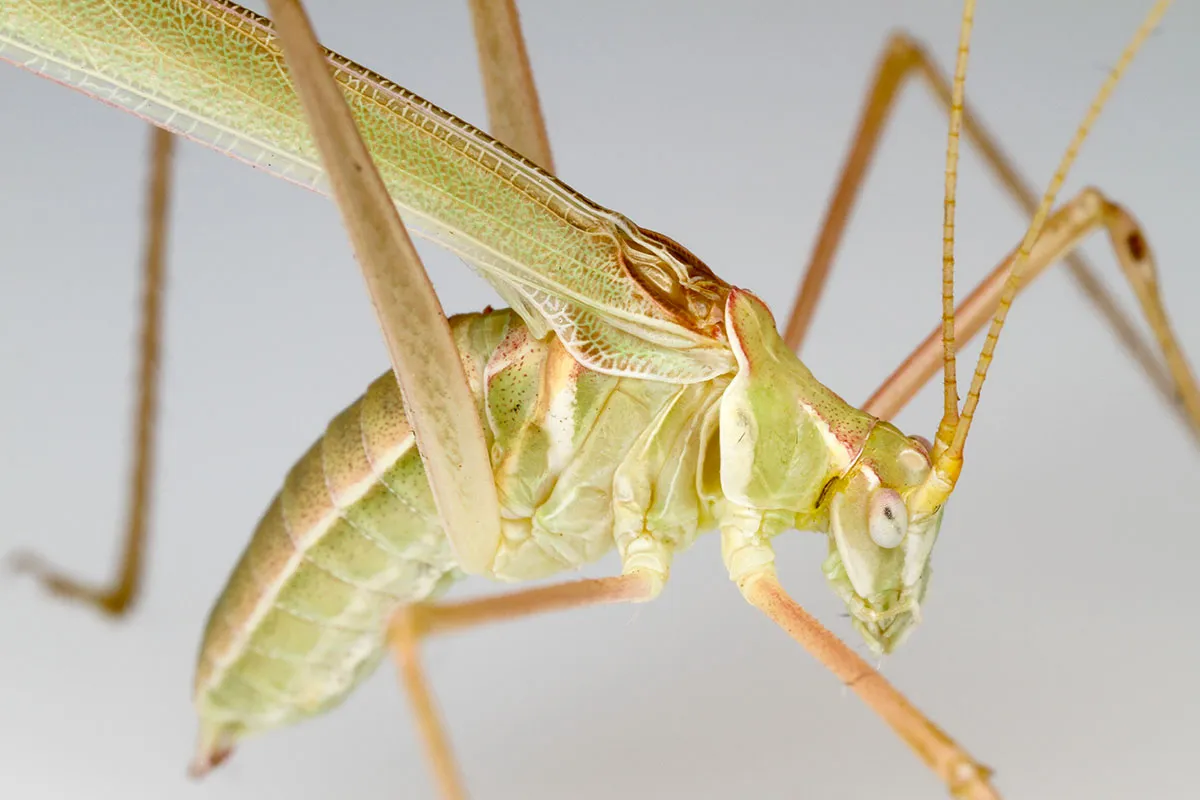
Researchers have discovered a 50-million-year-old fossil katydid with remarkably preserved soft tissues, including a testicle. The fossil, named Arethaea solterae, was found in northwestern Colorado and is the first known preserved testicle in a fossil insect. The discovery sheds light on the internal anatomy of ancient insects and suggests that there may be more well-preserved soft tissues waiting to be found in other fossils.
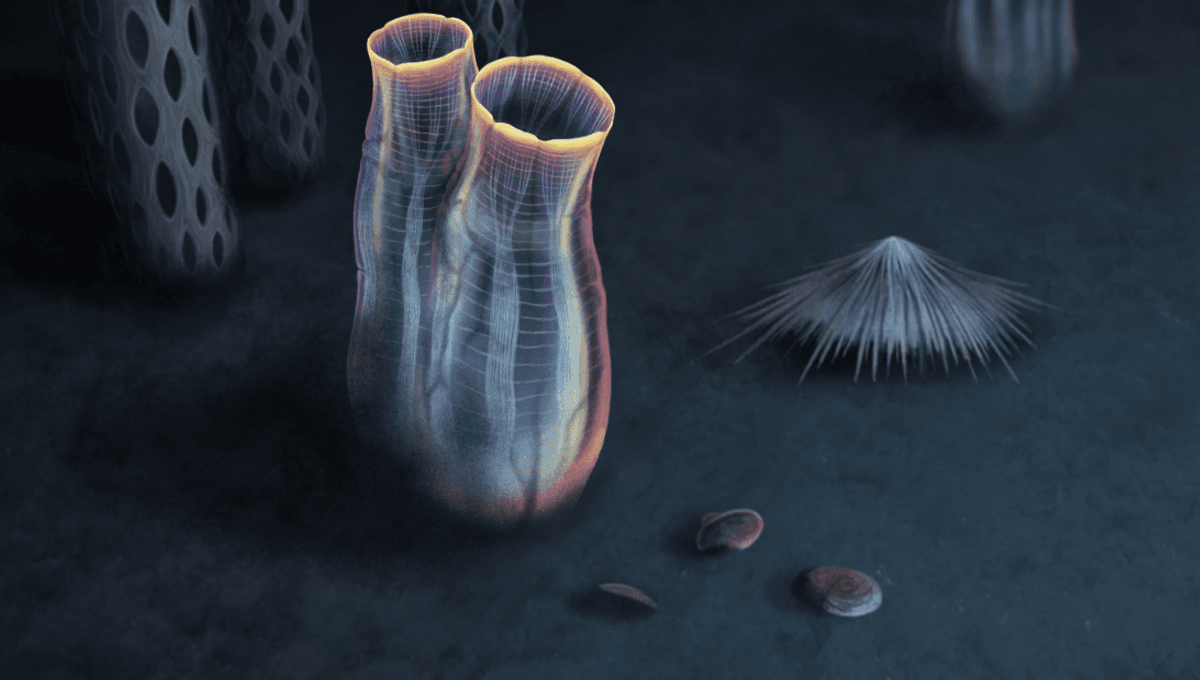
Scientists have discovered the first-ever tunicate fossil with preserved soft tissues, dating back 500 million years. Named Megasiphon thylakos, this remarkable find sheds light on the origins of tunicates and reveals that their modern body plan was already established shortly after the Cambrian Explosion. The fossil shares similarities with modern tunicates in terms of musculature and coloration, pushing back the origin of ascidiaceans by 50 million years. The discovery was made in the Marjum Formation in Utah, and researchers are hopeful for more exciting finds in the future.