In NYC, seasonal affective disorder (SAD) can be challenging due to reduced sunlight and colder weather, especially with urban factors like tall buildings and busy schedules. Experts recommend seeking professional help, using light therapy, getting outside, and maintaining social connections to manage symptoms. Resources like crisis lines, free therapy programs for teens, and low-cost clinics are available to support those affected.
Six seemingly harmless habits can prematurely age the brain, including lack of socialization, repetitive activities, chronic stress, reliance on fast food, poor sleep quality, and sedentary lifestyle. Engaging in new experiences, managing stress, maintaining a healthy diet, improving sleep quality, and incorporating physical activity can help maintain brain health and slow down the aging process.
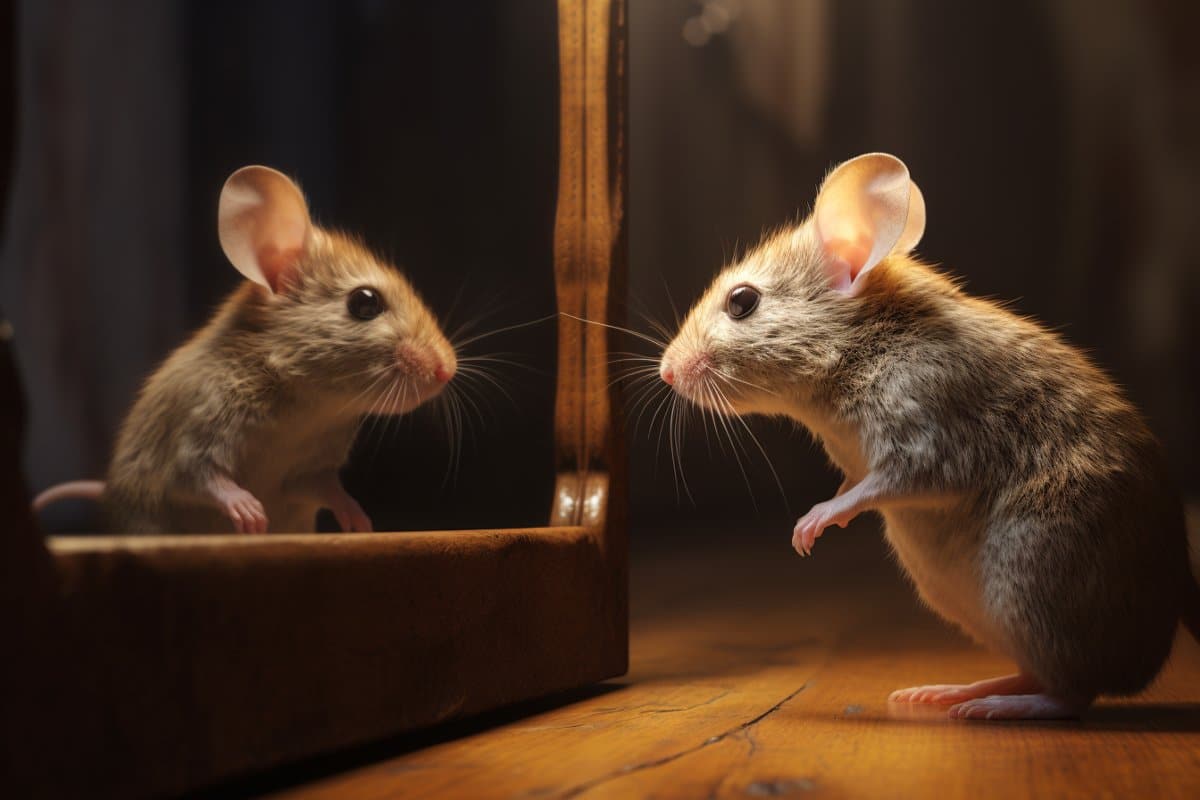
Mice exhibit behavior resembling self-recognition when viewing themselves in mirrors, but only under specific conditions such as familiarity with mirrors, socialization with similar-looking mice, and visible markings on their fur. Researchers have identified a subset of neurons in the hippocampus that are crucial for this self-recognition-like behavior. The study highlights the importance of social experiences and sensory cues in developing self-recognition capabilities, providing valuable insights into the neural mechanisms behind self-recognition.
Seasonal affective disorder (SAD) is a type of depression that occurs in late fall and winter due to the lack of sunlight. To manage SAD, experts recommend trying bright light therapy, using a dawn simulator, prioritizing sleep at night, going for walks outside, socializing with others, and seeking medical attention, such as cognitive behavioral therapy or antidepressants. These strategies can help regulate the body's internal clock, improve mood, and reduce depressive symptoms associated with SAD.
The Moon enters Aquarius today, shifting our focus towards partnerships, socialization for business purposes, and boosting our activity online. Each zodiac sign has a particular area to focus on the most. Aries should socialize and have fun in the spirit of learning, while Taurus should update their public image online. Gemini should have a hearty appetite for knowledge, Cancer should send a nice note to people they love and appreciate, and Leo should think about tying the knot. Virgo should take stock of their health, Libra should cut loose a bit, Scorpio should build bridges with family, Sagittarius should embrace honesty, Capricorn should shift into a new realm of productivity, Aquarius should work on personal development, and Pisces should be more open and expressive of their love for others.
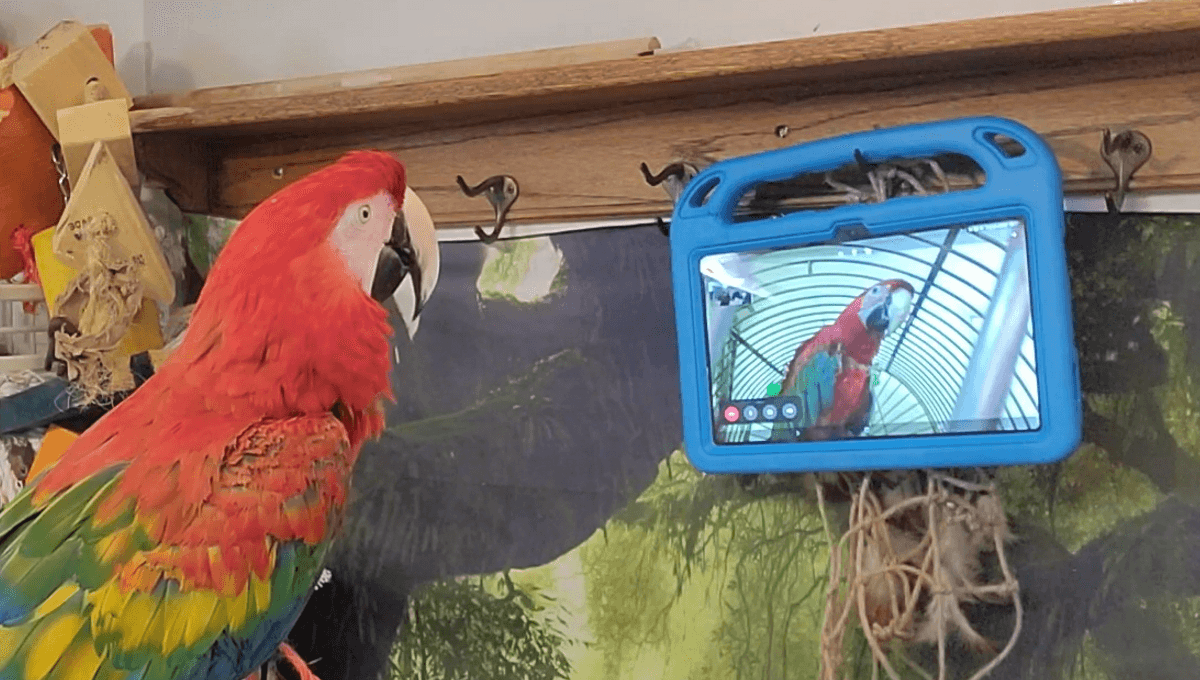
A study has set up video calls between parrots allowing them to make friends and fulfill their social needs. The first-of-its-kind experiment was carried out over three months and featured 18 birds of various parrot species including African gray parrots, cockatiels, and macaws. The birds were organized into five different groups and were allowed to make calls to other birds in their group, with a maximum of two calls per three-hour session. The caretakers perceived the birds to enjoy the experience of having video calls with other birds, and some reported new behaviors from their pet participants including new flying behavior, calmer behaviors, and new foraging behaviors.
To prevent dementia, in addition to eating a healthy diet, regular movement, and getting deep, restful sleep, taking a citicoline supplement, practicing deep breathing, and prioritizing socialization can be effective strategies. Loneliness is one of the biggest risk factors of dementia, and spending quality time with family and friends is one of the most important ways to protect your brain from cognitive decline.
Working out with a partner can boost motivation, sense of adventure, and reduce the risk of cognitive impairment in older adults. A study of 4,358 older adults in Japan found that participants who worked out with others at least twice a week had a lower risk of developing cognitive impairment than those who did so alone or not at all. Social isolation is a known risk factor in dementia, and exercise has been shown to promote social communication. Regular social exercise may act as an effective one-two punch against cognitive decline in older adults.