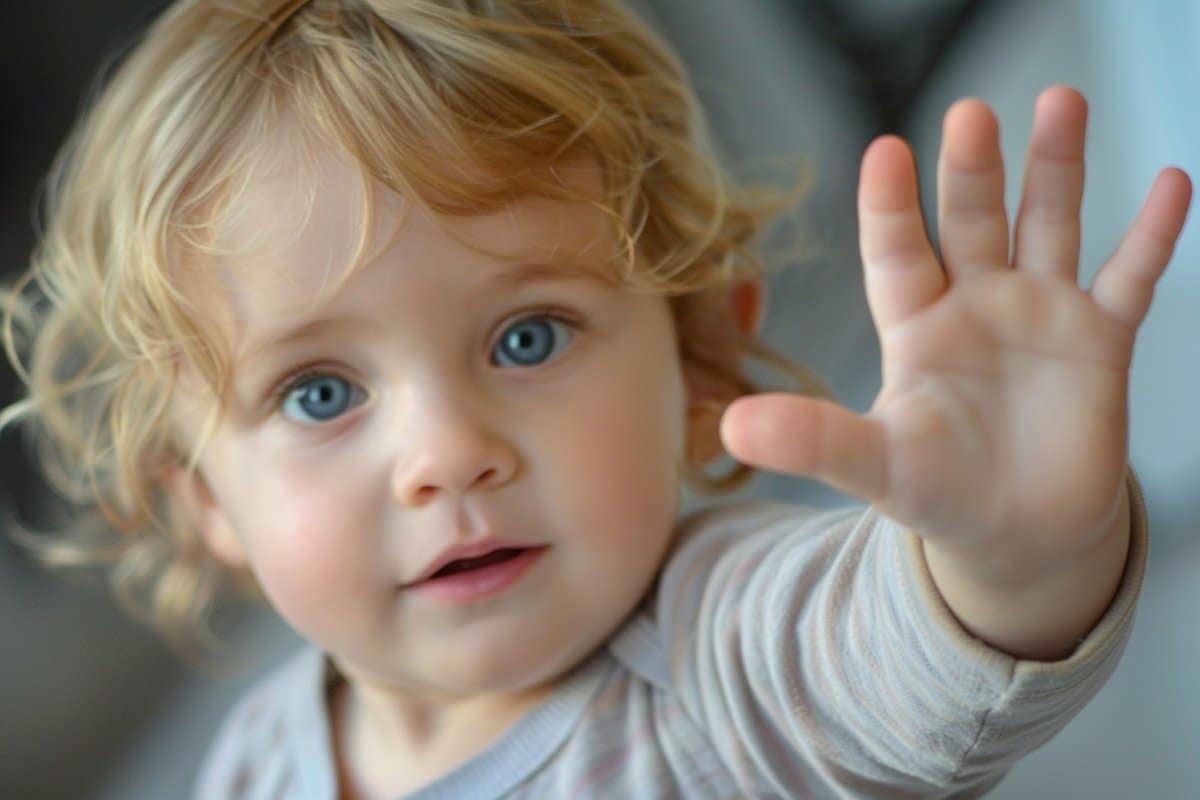
A study from The University of Texas at Austin reveals that toddlers prompted to touch their own faces through vibrating discs developed self-recognition in mirrors about two months earlier than expected, challenging the belief that self-recognition is hardwired and suggesting it's influenced by sensory experiences. The findings emphasize the importance of self-directed exploration for self-knowledge and could reshape interventions for children with motor development delays.
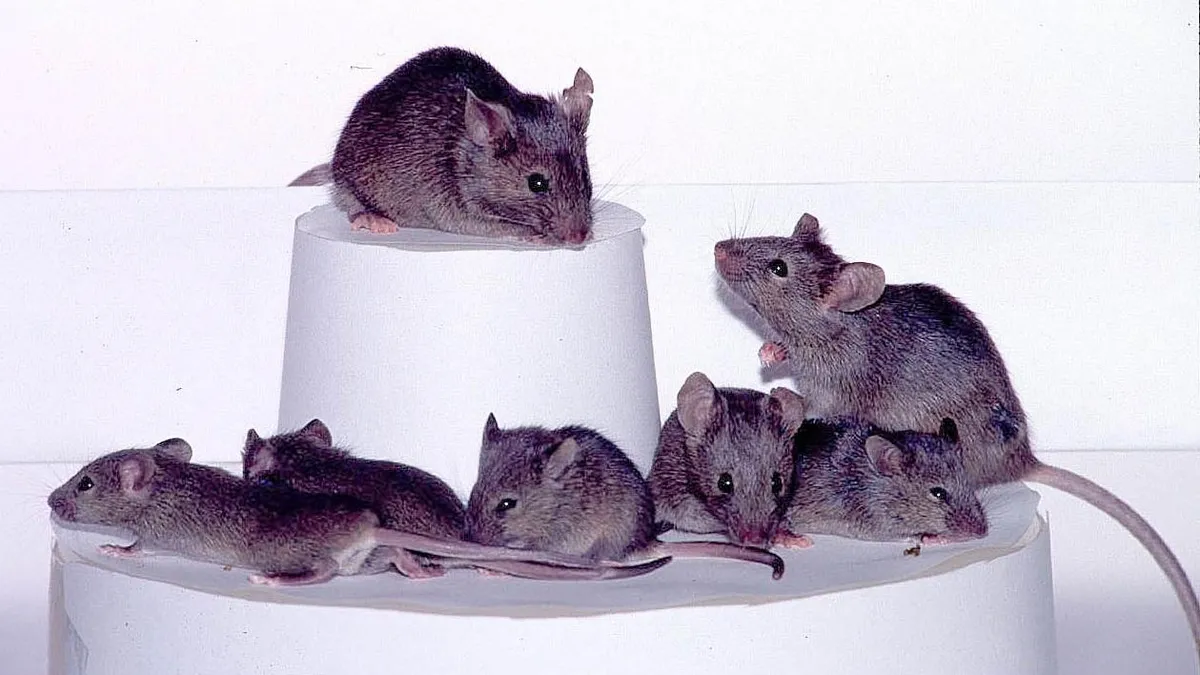
Mice exhibit behavior resembling self-recognition when viewing themselves in mirrors, but only under specific conditions such as familiarity with mirrors, socialization with similar-looking mice, and visible markings on their fur. Researchers have identified a subset of neurons in the hippocampus that are crucial for this self-recognition-like behavior. The study highlights the importance of social experiences and sensory cues in developing self-recognition capabilities, providing valuable insights into the neural mechanisms behind self-recognition.
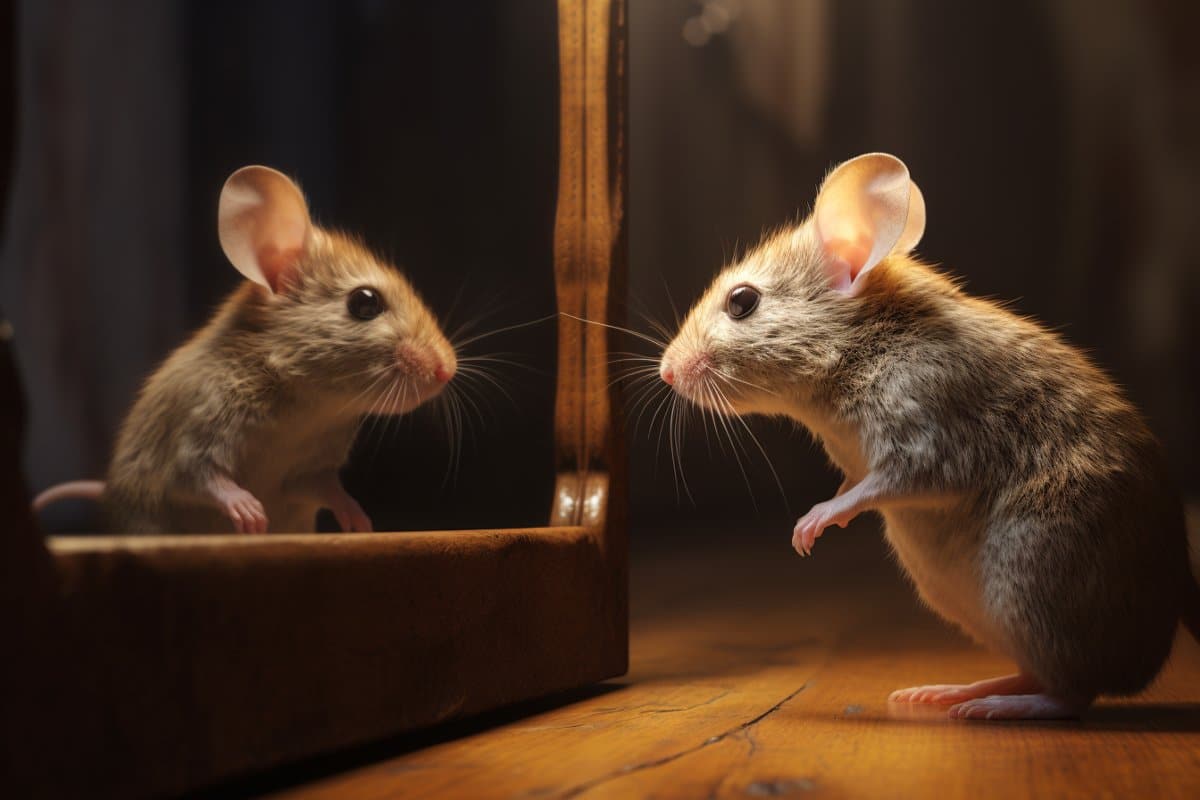
Mice have passed the mirror test, demonstrating the ability to recognize themselves in a mirror reflection. The study, published in the journal Neuron, marks the first time mice have shown mirror-induced self-directed behavior, joining humans, great apes, some monkeys, dolphins, and elephants. Researchers marked the foreheads of dark-furred mice with white ink and observed that the mice groomed themselves in front of the mirror to remove the ink. The mice did not exhibit self-grooming behavior when the ink was a smaller blotch or when it was swapped for black ink. The study also identified specific neurons in the mice's ventral hippocampus that were activated during self-recognition. The researchers hope to further investigate the mice's ability to self-recognize without tactile stimuli and understand how they distinguish themselves from other animals.
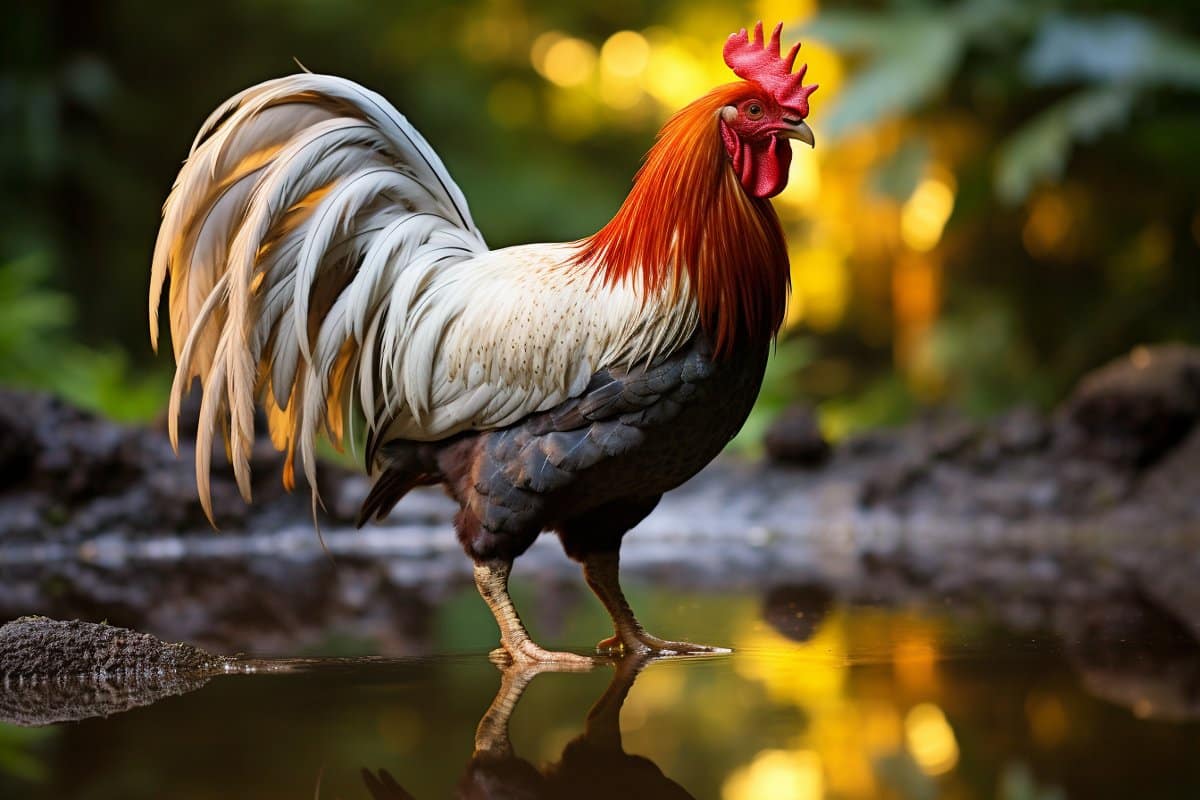
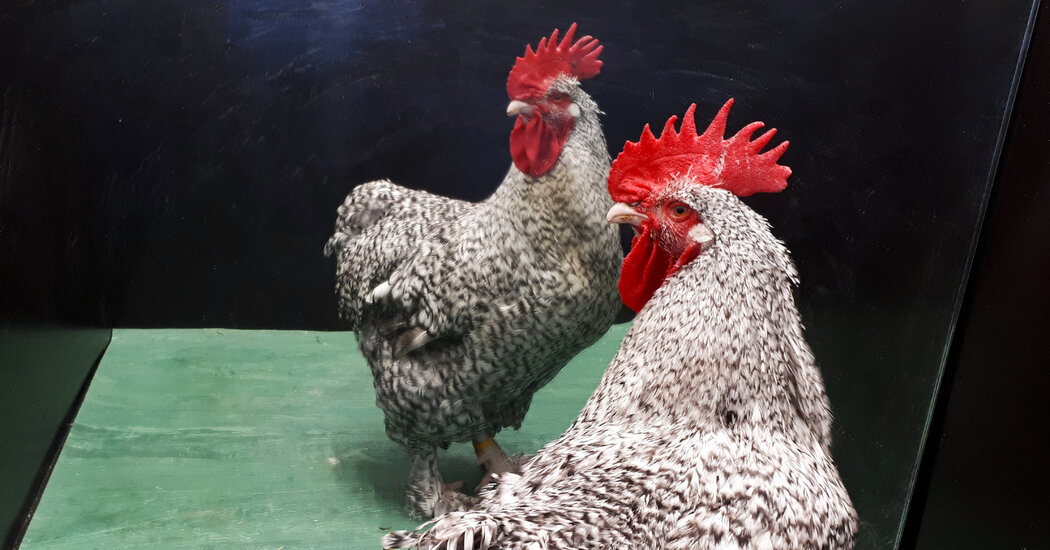
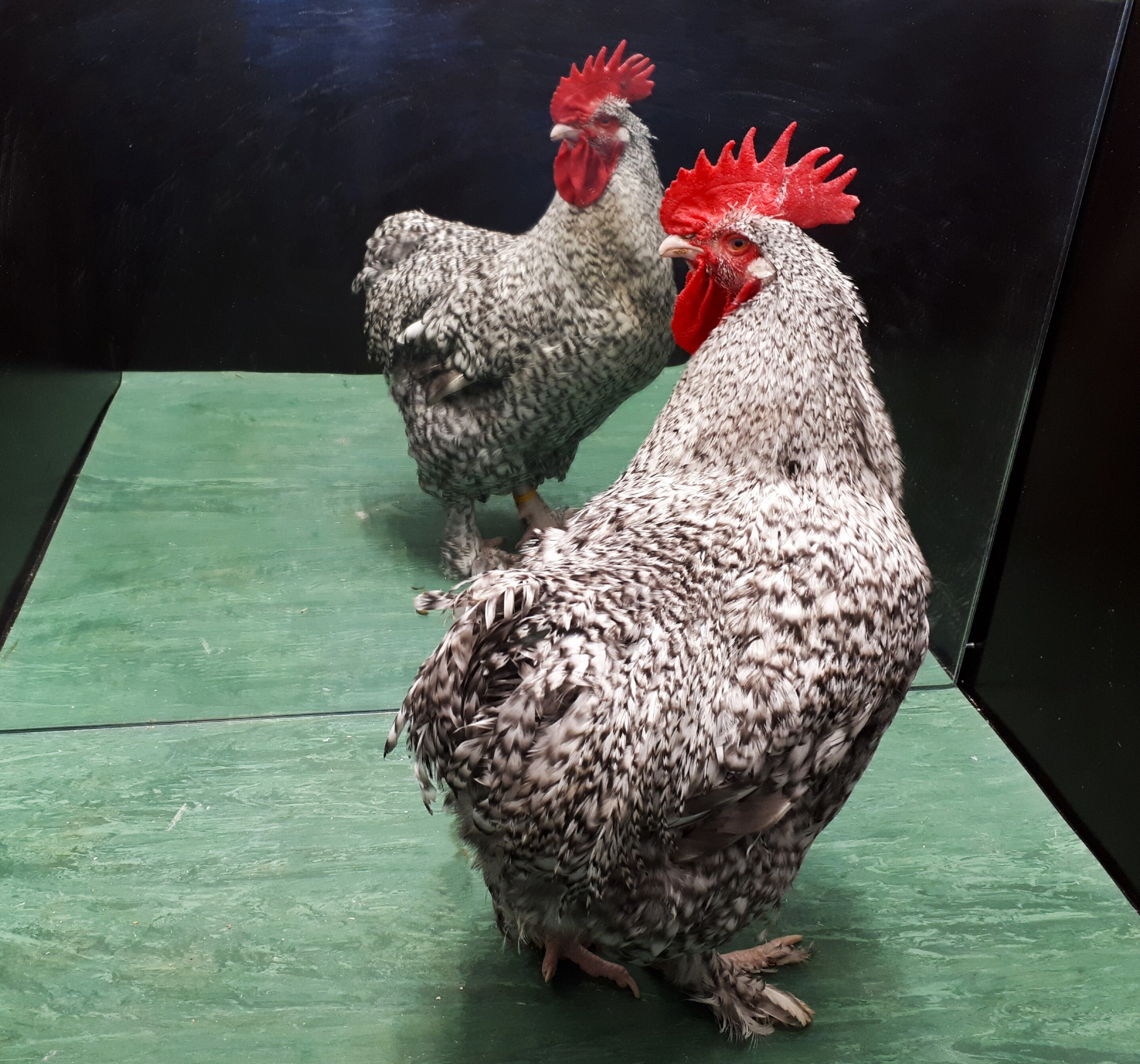
Roosters may have the ability to recognize themselves in mirrors, indicating a potential level of self-awareness. However, the success of this recognition depends on the experimental conditions, challenging the traditional "mark test" for self-recognition. Researchers found that roosters emit alarm calls in the presence of a conspecific when a predator is present, but remain silent when alone. When confronted with their own reflection and a predator, the roosters emitted fewer alarm calls, suggesting they may recognize themselves. This study highlights the importance of conducting ecologically relevant experiments to understand animal self-awareness.
A study conducted by researchers at the University of Bonn in Germany suggests that roosters can recognize themselves in mirrors, challenging the notion that chickens lack intelligence. The classic mirror test, which assesses self-recognition, was unsuccessful with roosters. However, when the researchers tested rooster self-awareness using a more relevant scenario involving a hawk silhouette, the roosters exhibited alarm calls when another rooster was visible, but stayed silent when alone or when another rooster was present but blocked from view by a mirror. The study highlights the need for alternative tests of self-awareness that are ecologically relevant to different animal species.
A team of neuroscientists and psychologists from German universities conducted experiments with roosters and mirrors to test their self-recognition abilities. The researchers found that roosters were more likely to crow when they knew there was another rooster on the other side of a mesh, regardless of whether they could see themselves in the mirror or not. This suggests that roosters can determine if something is real or not based on vision, rather than sounds or smells. The study provides possible evidence of roosters passing the self-recognition test, a type of self-awareness observed in only a few animal species.