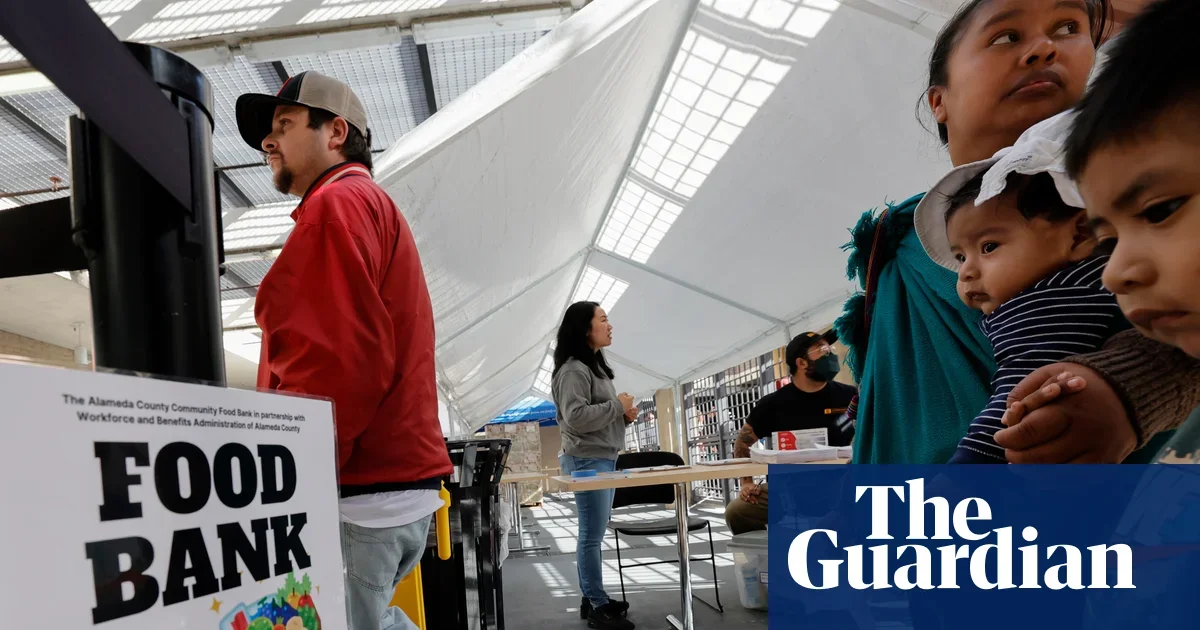
A federal judge ordered the Trump administration to fully fund food stamps for 42 million Americans, criticizing the partial funding plan during the government shutdown, which is now the longest in history. The shutdown has led to flight reductions at major airports and ongoing political negotiations, while other news includes Nancy Pelosi's retirement, Elon Musk's massive compensation plan, and climate concerns at the COP30 summit.

Elon Musk envisions a future where AI and robots replace most jobs, advocating for a 'universal high income' that provides everyone with top-tier medical care, food, housing, and other essentials, though questions about funding and feasibility remain.
Norway is holding a closely contested election where the future of its century-old wealth tax and social welfare system are key issues, with debates centered around economic impact and inequality, and official results expected soon to determine the country's political direction.
German CDU leader Friedrich Merz has called for reforming the country's social welfare system, citing unsustainable costs, while ruling out tax increases on medium-sized companies, signaling potential tensions within the coalition government and a shift towards traditional CDU voter concerns.
On the 90th anniversary of the Social Security Act, President Trump reaffirmed commitment to strengthening and protecting the program through measures against fraud, tax relief for seniors, and efficiency improvements, emphasizing its importance for American seniors and future generations.
UK Prime Minister Keir Starmer faced a significant rebellion within his Labour Party over proposed welfare cuts, leading to concessions that limited the scope of the changes, but exposing deep divisions and weakening his leadership.
Across the U.S., various places are conducting no-strings-attached cash aid pilots as part of the social safety net, with over 150 basic income programs in progress. Advocates argue that this approach helps people manage rising costs and invest in their families, while opponents express concerns about potential impacts on work. The pandemic has spurred interest in cash aid, but as emergency funding runs out, the future of these programs remains uncertain. Nonetheless, early results show that the extra income not only improves financial stability but also enhances psychological well-being for recipients.
Swiss voters have approved an extra month's pension each year in a referendum focused on elderly living standards, rejecting the government's warnings about affordability. The move aligns the state pension with the country's 13-instalment salary system and reflects the high cost of living in Switzerland, particularly for older people, women, and immigrants. The decision also saw the rejection of raising the retirement age, signaling a historic victory for retirees and highlighting the power of Switzerland's direct democracy system.
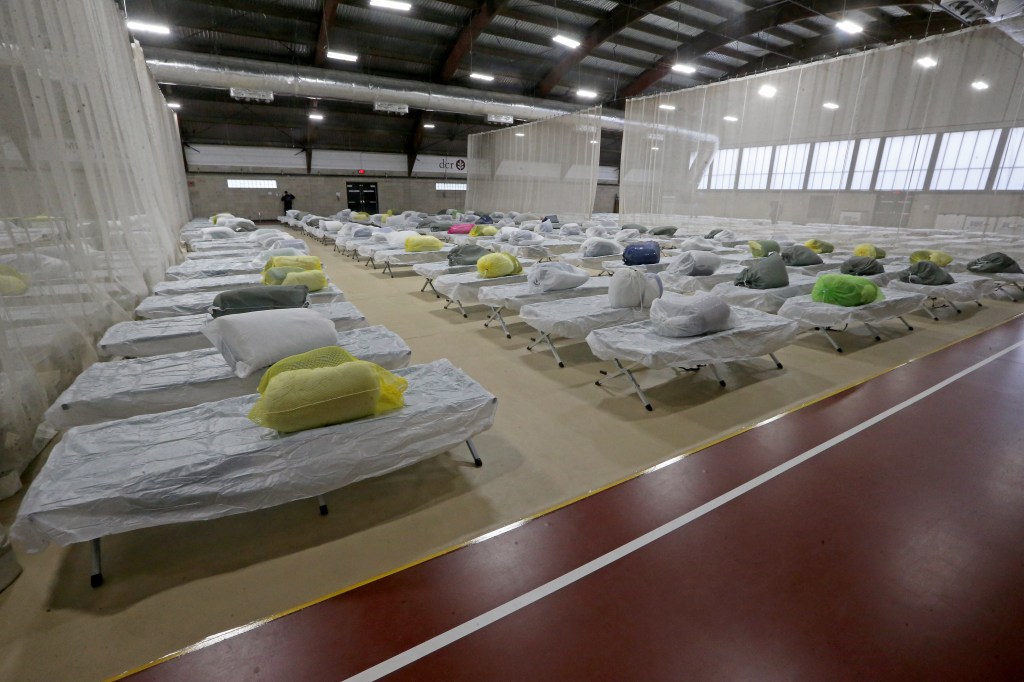
Massachusetts' HomeBASE program, which traditionally assists homeless families, is now being extended to include migrants in emergency shelters, offering up to $30,000 over two years to help find stable housing. The program covers expenses such as rent, security deposits, moving costs, and utilities, and also supports overdue rent or utility payments. Eligibility requires living in or being eligible for the state-run emergency shelter system, with additional consideration for families in non-emergency domestic violence shelters and residential use treatment programs. Governor Maura Healey has implemented a waitlist for temporary housing, with overflow shelter sites available for those on the list.
A study of Austin's guaranteed basic income program found that most participants spent the $1,000 monthly payments on housing, leading to increased housing security and improved ability to afford balanced meals. While the program aimed to alleviate poverty and housing insecurity, some Texas lawmakers have opposed similar initiatives in Houston. Basic income projects in other U.S. cities, such as Baltimore and Denver, have also shown positive impacts on housing security and support for vulnerable residents.
New York City plans to eliminate over $2 billion in medical debt for up to 500,000 residents in partnership with RIP Medical Debt, a nonprofit organization. This initiative aims to alleviate the financial burden on low-income households and individuals with inadequate insurance, addressing a leading cause of personal bankruptcy. Mayor Eric Adams emphasized the significant impact of medical bills on working-class families and highlighted the program as the largest municipal effort of its kind in the United States.
Georgia has opted out of participating in the 2024 Summer Electronic Benefit Transfer (EBT) program, which aims to provide grocery benefits to eligible children during the summer months. The program, initiated by the U.S. Department of Agriculture, has been embraced by 35 states, five territories, and four indigenous tribes. The decision not to participate follows concerns about backlogs in the state's food assistance program. While Georgia has not joined the program this year, the USDA states that the door remains open for future participation.
The USDA expects nearly 21 million children to receive food benefits this summer through the newly permanent Summer Electronic Benefits Transfer program, which will provide $40 per month per child to eligible families. While 35 states, all five U.S. territories, and four tribes have opted in, some states cited existing programs and feasibility issues for not participating. The program aims to address child hunger during the summer months and supplement existing initiatives.
The Summer Electronic Benefit Transfer (EBT) program aims to reduce child hunger during the summer by providing $120 per eligible child to buy food, but not all states are participating. While 35 states and territories have signed up, some, including Nebraska and Iowa, have declined, citing the program as an outdated Covid-19 relief measure. The initiative, part of the federal government's efforts to address food insecurity, has shown positive results in reducing child hunger and supporting healthier food purchases.
The UK's ruling Conservative Party has unveiled welfare reforms that require disabled people, including those with mobility or mental health issues, to find work they can do from home or risk losing almost $6,000 per year in benefits. Critics argue that the plan is ill thought-out, as the number of work-from-home jobs has decreased since the end of the pandemic. Charities for people with disabilities have expressed concerns about the added anxiety and financial strain this may place on disabled households. The opposition Labour Party accuses the government of ignoring the broader issues of high rates of long-term illness and long National Health Service waiting lists.