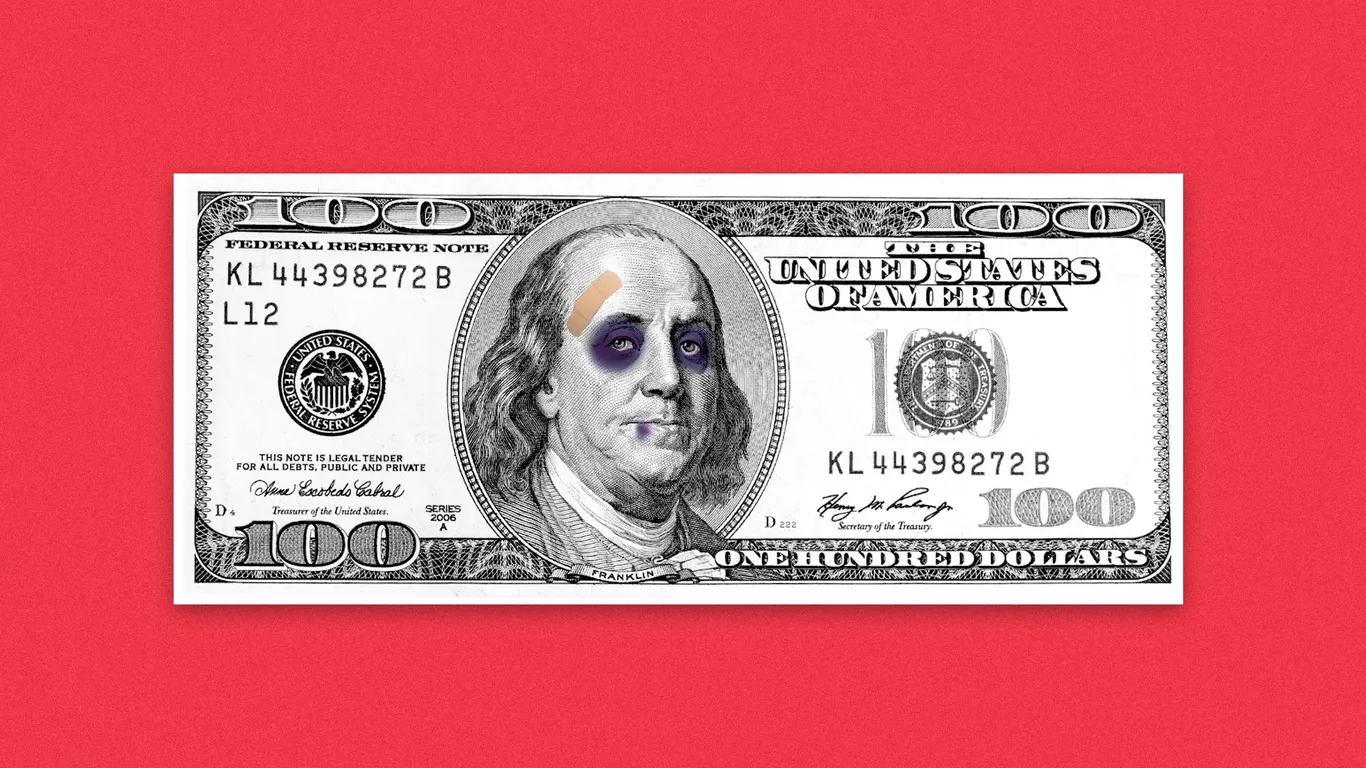
The Trump administration's CFPB is moving to override state laws that protect consumers from having medical debt reported on their credit reports, aiming to establish a uniform national standard under the Fair Credit Reporting Act, which could impact millions of Americans with medical debt.
Cineverse is partnering with the nonprofit Undue Medical Debt to donate $1 million in medical debt relief for every $1 million earned from the film The Toxic Avenger, aiming to raise awareness about healthcare financial burdens while supporting families in need.
The article discusses the potential consequences of recent Medicaid cuts, highlighting how reduced coverage could increase financial strain on hospitals, clinics, and patients, ultimately leading to higher uncompensated care costs, medical debt, and negative health and economic outcomes for society.
Millions of low-income Americans face a dual threat as recent legal and policy changes could lead to increased medical debt appearing on credit reports and higher healthcare costs due to Medicaid and ACA cuts, potentially damaging their credit scores and financial stability.
A federal judge in Texas ruled that medical debt can remain on Americans' credit reports, overturning a Biden-era policy aimed at removing such debts to improve financial fairness, citing jurisdictional issues and concerns about credit report accuracy.
A federal judge in Texas has reversed a Biden administration rule that aimed to remove medical debt from credit reports, affecting nearly 15 million Americans and potentially increasing credit scores, citing that the Fair Credit Reporting Act does not permit the CFPB to make such removals.
The article highlights the struggles of Americans dealing with health insurance issues while facing serious medical conditions, such as cancer. Patients like Arete Tsoukalas and Isaac Rosenbloom face high costs and denied treatments, leading to significant stress and financial burden. The recent shooting of UnitedHealthcare CEO Brian Thompson has brought attention to widespread frustrations with the insurance system, as many people share stories of denied claims and unexpected bills. Despite these challenges, a majority of insured adults still rate their insurance positively, according to a KFF survey.
Anthem Blue Cross Blue Shield has reversed a controversial policy that would have limited anesthesia coverage during surgeries, following backlash from physicians, lawmakers, and the American Society of Anesthesiologists. The policy, which was set to affect plans in Connecticut, New York, and Missouri, would have denied claims for anesthesia exceeding estimated procedure times. Critics, including Connecticut Senator Chris Murphy, argued it would burden patients with unexpected medical debt. Anthem clarified that the policy was intended to align with clinical guidelines and not to deny necessary anesthesia services.
A study found that wiping out $169 million in medical debt for 83,401 people did not significantly improve their mental health or credit scores on average. The debt relief had no impact on financial distress or mental health, and only slightly increased credit scores. The results were unexpected and mirrored a previous study on cash transfers, suggesting that insufficient relief may raise feelings of distress. The study raises questions about the effectiveness of medical debt relief and its impact on recipients' well-being.
A study found that despite the nonprofit group R.I.P. Medical Debt relieving Americans of $11 billion in hospital bills, the debt relief did not significantly improve the mental health or credit scores of the debtors, nor did it reduce their likelihood of forgoing medical care. The study, which followed 213,000 people in debt and randomly selected some to work with the nonprofit group, calls into question the impact of the high-profile charity's efforts.
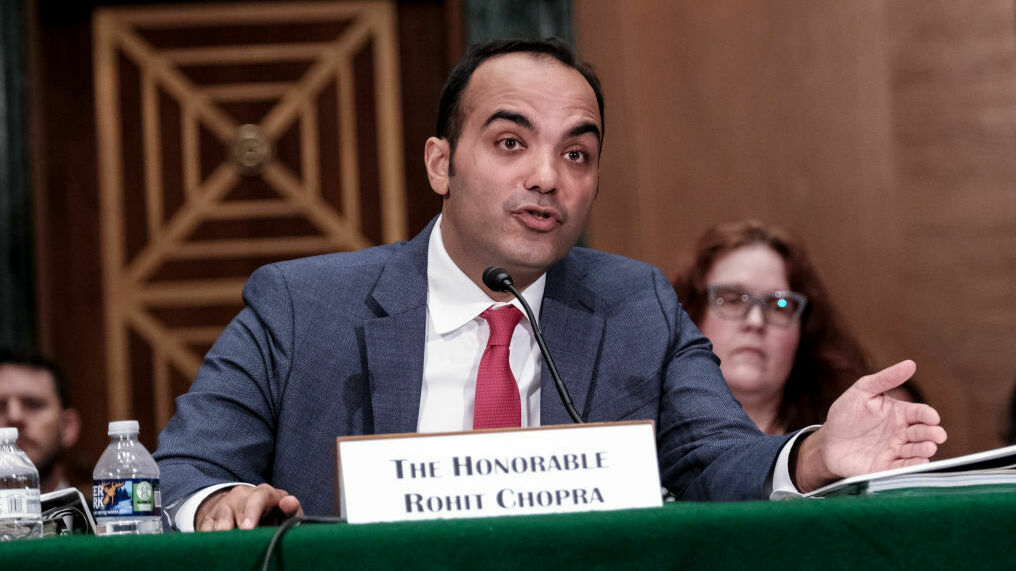
The Consumer Financial Protection Bureau (CFPB) is working on regulations to remove medical bills from consumer credit reports, aiming to protect Americans burdened by medical debt. The CFPB's move has stirred opposition from collection industry officials, who argue that the agency's efforts are misguided. However, the CFPB's defenders argue that the scale of the medical debt crisis necessitates action, as unpaid medical bills historically represent a significant portion of debts on consumers' credit reports and are often riddled with errors. The CFPB's director, Rohit Chopra, sees the health care system as increasingly burdening patients with debt, similar to what he observed in the student loan industry, and is pushing for rules to address this issue.
Connecticut Governor Ned Lamont announced that the state will be the first to cancel medical debt for all eligible residents, using $6.5 million in American Rescue Plan Act funds to erase approximately $1 billion in medical debt. The relief program aims to help those whose household income is up to 400% of the federal poverty line or whose medical debt equates to 5% or more of their annual income, and will not have any associated tax burden. This initiative is intended to provide financial and emotional relief to individuals burdened by medical debt and stimulate the local economy, with several cities also implementing similar plans.
Connecticut is set to become the first state to cancel medical debt for thousands of residents statewide using $6.5 million in federal COVID-19 recovery funds. The plan, expected to wipe out around $650 million in medical debt for approximately 250,000 people, will be implemented under a state law signed last year. Eligible residents, with household incomes up to 400% of the federal poverty line or medical debt at 5% or more of their annual income, will have their debt canceled without an application process. The state will contract with a nonprofit organization to buy and eliminate medical debt from hospitals, with letters notifying residents of the debt cancellation expected to be sent out by the end of the year.
Connecticut plans to cancel around $650 million in medical debt for an estimated 250,000 residents, making it the first state to provide this type of relief. The effort aims to alleviate the financial burden on residents who have medical debt equal to 5% or more of their annual income or fall within 400% of the federal poverty line. The state will leverage $6.5 million in Covid-19 funds from the 2021 American Rescue Plan Act to eliminate the debt, and it joins other governments in working with nonprofits to address the issue of medical debt, which has become a significant financial concern for many Americans.
Connecticut Governor Ned Lamont announced that the state will be the first to cancel medical debt for all eligible residents, using $6.5 million in American Rescue Plan Act funds to erase approximately $1 billion in medical debt. The relief program aims to help those hit with a medical emergency and will not require eligible residents to apply for the debt cancellation. Qualifying residents include those with household incomes up to 400% of the federal poverty line or whose medical debt equates to 5% or more of their annual income. The initiative intends to provide financial and emotional relief while stimulating the local economy, with similar plans implemented in cities like New York City, New Orleans, and Pittsburgh.