Despite Russia's impressive GDP growth, the war-focused economy is facing strains such as labor shortages, population decline, and low productivity, leading to stagnant real incomes and soaring inflation. President Putin has pledged significant spending on various areas but has yet to deliver on previous promises to improve living standards. The cost of the war is straining the state budget, leading to potential tax increases for companies and wealthier individuals. Key targets for poverty reduction, life expectancy, labor productivity, and capital investment have not been met, raising concerns about the sustainability of Russia's economic strategy amidst the ongoing conflict in Ukraine.

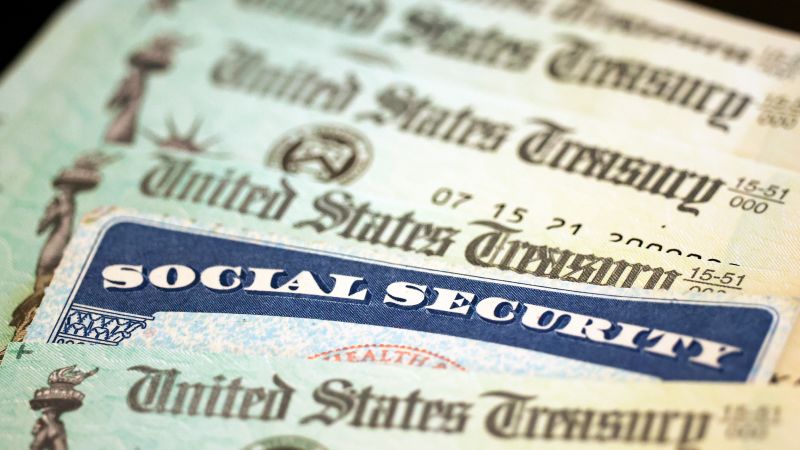
Swiss voters have approved an extra month's pension each year in a referendum focused on elderly living standards, rejecting the government's warnings about affordability. The move aligns the state pension with the country's 13-instalment salary system and reflects the high cost of living in Switzerland, particularly for older people, women, and immigrants. The decision also saw the rejection of raising the retirement age, signaling a historic victory for retirees and highlighting the power of Switzerland's direct democracy system.
A recent CBS News poll reveals that Americans are feeling the impact of inflation on their living standards and opportunities, with many believing that the economic difficulties arising from the pandemic have been the worst in generations. Despite positive macroeconomic indicators, such as job growth and GDP, people are paying more attention to their personal experiences and feel that their incomes are not keeping up with inflation. There is a prevailing sentiment that opportunity is increasing only for the wealthy, and support for government price controls to combat inflation is surprisingly high among both Democrats and Republicans. President Biden continues to receive poor marks for his handling of inflation, and Americans attribute the causes of inflation to international factors, suspicion of companies overcharging, and government spending.
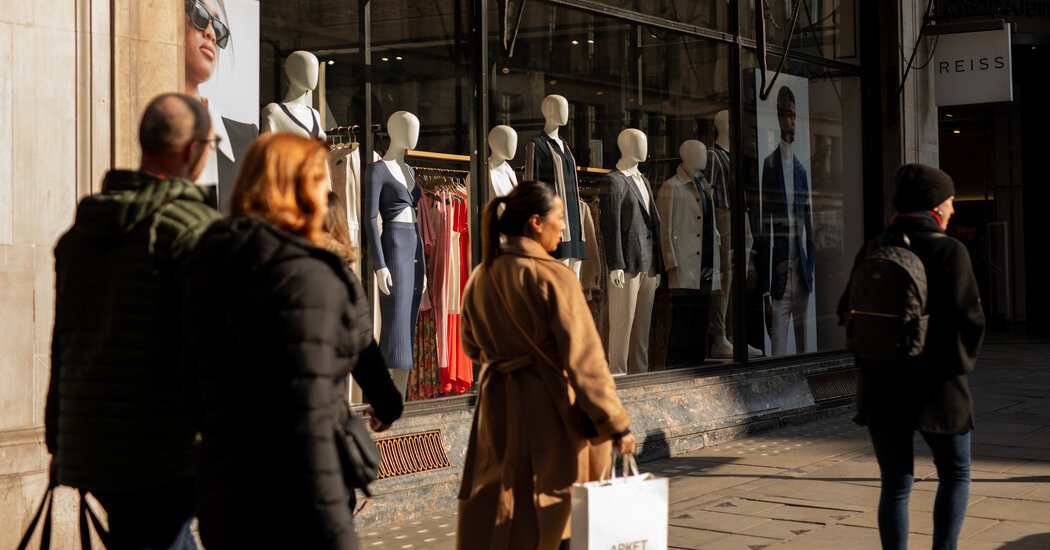
UK voters are facing a potential "living standards disaster" as household incomes are projected to decline between one national election and the next, despite Finance Minister Jeremy Hunt's tax cut plan. The Resolution Foundation warns that this would be the first time since 1974 that household incomes would be lower at the end of a parliamentary term than at the beginning. The strain on public finances from COVID-19 spending and rising debt costs limits the government's ability to implement tax cuts or increase spending. The think tank predicts a 1.5% fall in household disposable income per person in 2024, adjusted for inflation, and an average decrease of £1,900 ($2,375) per household by January 2025.
Americans are finally experiencing a raise as wage growth outpaces price growth for the first time since March 2021. In June, real average hourly earnings increased by 1.2% on a year-over-year basis, compared to a decline of 3.2% in June 2022. For nonsupervisory workers, wage growth was even greater at 2.2% year over year. With inflation falling to 3% in June, the smallest increase in over a year, and gas prices and food inflation also decreasing, wages are stretching further. While these gains are relative and inflation-adjusted wages have only climbed slightly since 2019-2020, economists believe the recent wage growth is sustainable and could lead to higher living standards.
A US debt default could have significant impacts on households, including a decline in living standards, higher interest rates, and a potential recession. Financial markets could also be affected, leading to a decrease in retirement savings and investments. It is important for lawmakers to come to a resolution to avoid these potential consequences.
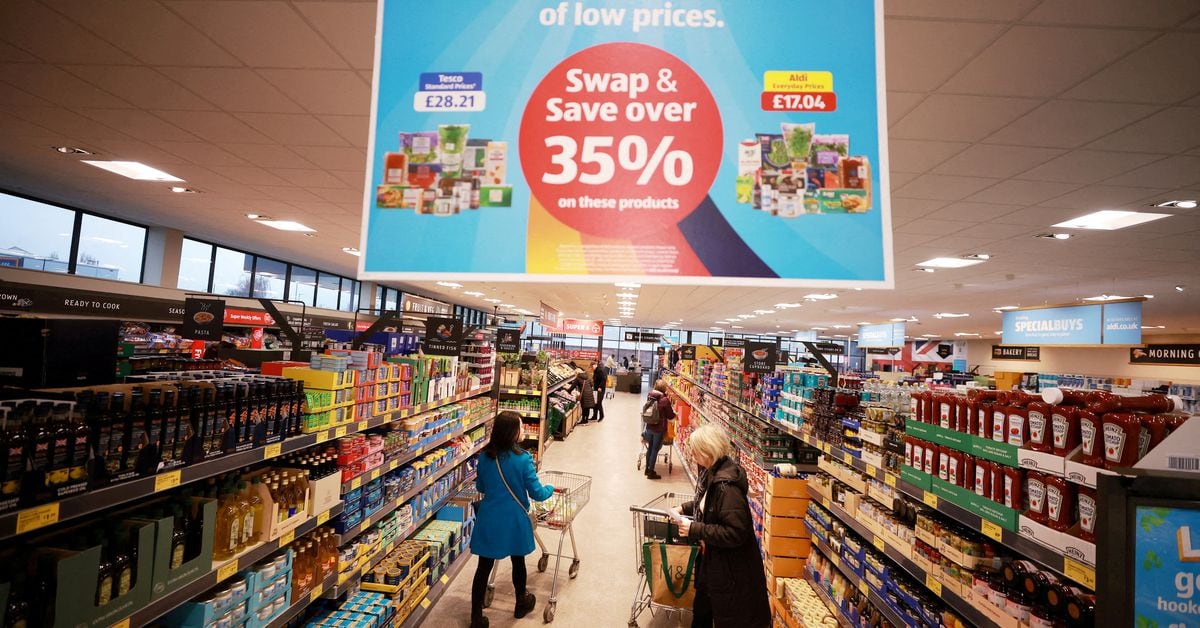
UK inflation unexpectedly rose to 10.4% in February, reversing a recent downward trend and potentially undermining expectations that the Bank of England was close to halting interest rate increases. The swing higher in inflation will come as an unwelcome intensification of Britain’s cost-of-living crisis. High household energy bills, wage growth that has lagged far behind inflation, and more expensive food and other essential items have contributed to a steep decline in living standards. The Bank of England has raised rates by nearly 4 percentage points in an effort to stop high inflation becoming embedded in the economy.