Bulgaria is set to join the eurozone on January 1, 2026, marking a significant milestone in its EU integration, supported by stable macroeconomic indicators but challenged by political instability, corruption, and public skepticism. Experts emphasize the need for reforms and caution against overspending post-adoption, while highlighting the geopolitical importance of deeper Western European integration.
Argentina's Congress approved President Javier Milei's first budget since his election, featuring $102 billion in spending, a 5% growth projection, and a focus on reducing the deficit through spending cuts, amid protests and ongoing reforms.
Germany faces a critical balancing act under Chancellor Merz, who aims to boost defense and economic growth through increased debt spending, but struggles with domestic discontent, economic stagnation, and rising far-right support, risking its leadership role in Europe if reforms falter.
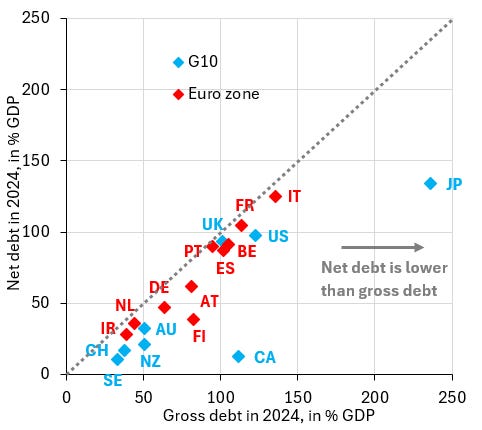
Japan faces a severe debt crisis with gross debt at 240% of GDP, but its large financial assets offer a potential solution: selling assets to reduce debt, which could stabilize the Yen and signal a move towards fiscal responsibility, despite political challenges.
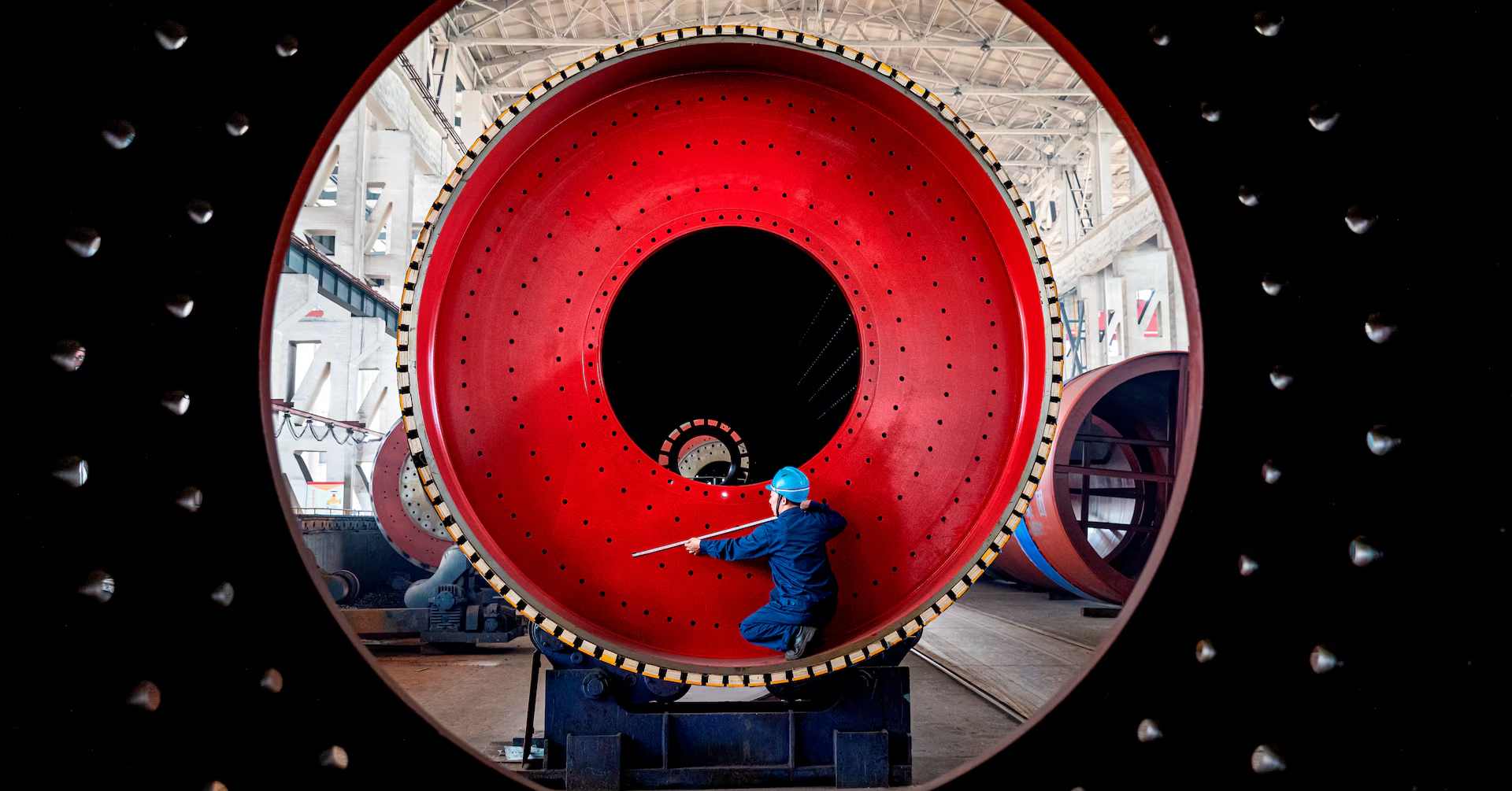
China has launched a $113 billion free-trade experiment on Hainan island, transforming it into a duty-free zone to attract foreign investment, boost trade, and establish a Hong Kong-style commercial hub, as part of its efforts to join the CPTPP and diversify its economy amid trade tensions and economic slowdown.
China's factory activity has contracted for the eighth consecutive month in November, with manufacturing PMI at 49.2 and services shrinking for the first time in nearly three years, reflecting ongoing economic challenges and the need for structural reforms amid a global slowdown and trade tensions.
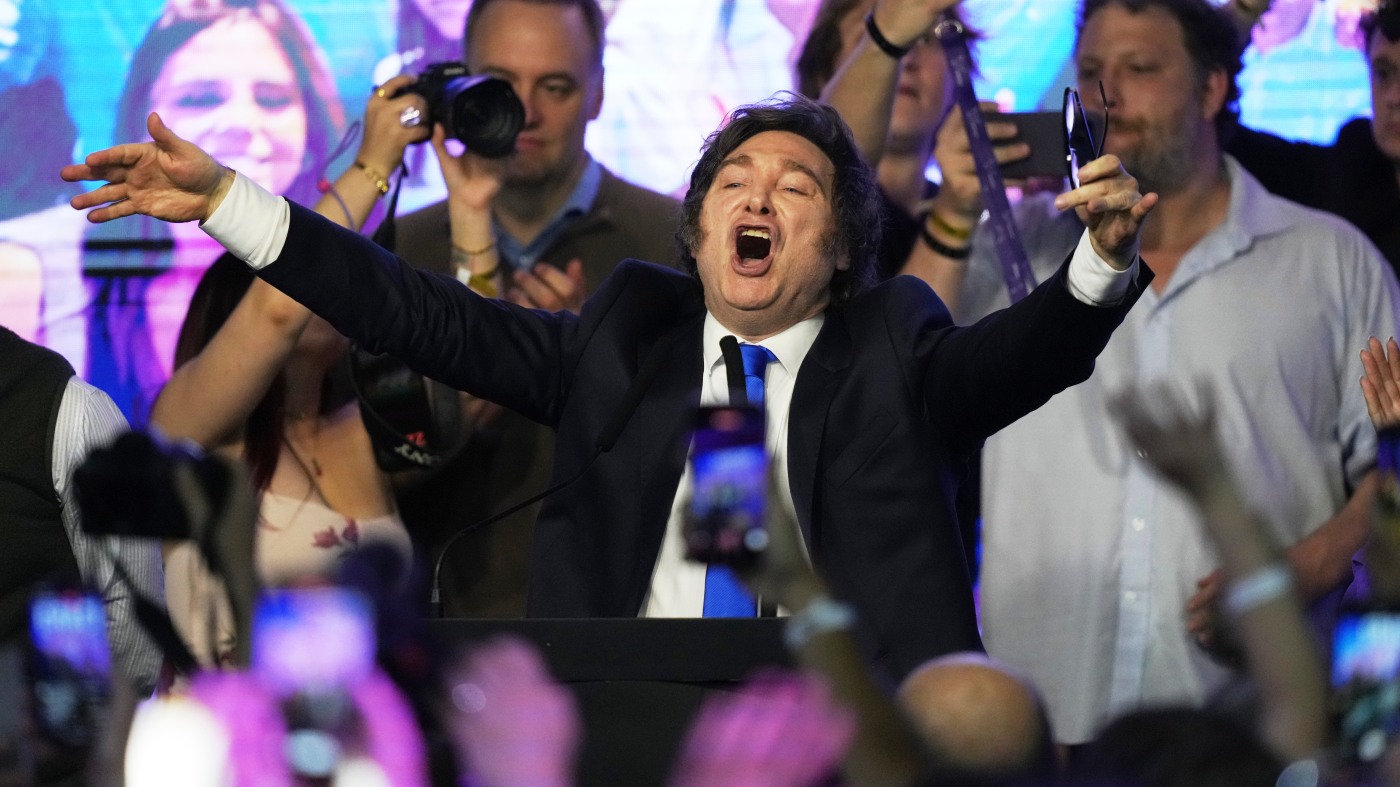
Argentine President Javier Milei achieved a significant victory in the midterm elections, strengthening his political position and support for his economic reforms amid economic turmoil and market confidence, with implications for Argentina's future policy direction.
Javier Milei's party won a landslide victory in Argentina's midterm elections, strengthening his mandate to implement radical spending cuts and free-market reforms amid mixed public reactions and economic challenges.
Argentina's libertarian President Javier Milei won significant victories in the midterm elections, strengthening his mandate to pursue radical free-market reforms with substantial backing from the U.S., amidst economic challenges and political polarization.
Javier Milei's party won a significant legislative victory in Argentina's midterm elections, securing enough support to advance his libertarian and austerity policies despite economic challenges and political turmoil, with implications for U.S.-Argentina relations and regional influence.
Argentina's legislative elections are underway to assess support for President Javier Milei's libertarian and austerity reforms, with the outcome crucial for his ability to continue his economic overhaul and maintain U.S. support, amid recent inflation reductions and political challenges.
Argentina's midterm elections will determine whether President Javier Milei can strengthen his legislative support to push his economic reforms amid economic challenges and declining approval ratings, with US aid contingent on political outcomes.
The article discusses the cautious stance of Wall Street on investing in Argentina without U.S. government guarantees amid political uncertainty, especially with upcoming elections that could impact economic reforms and U.S. support, which is tied to Argentina's policy outcomes.
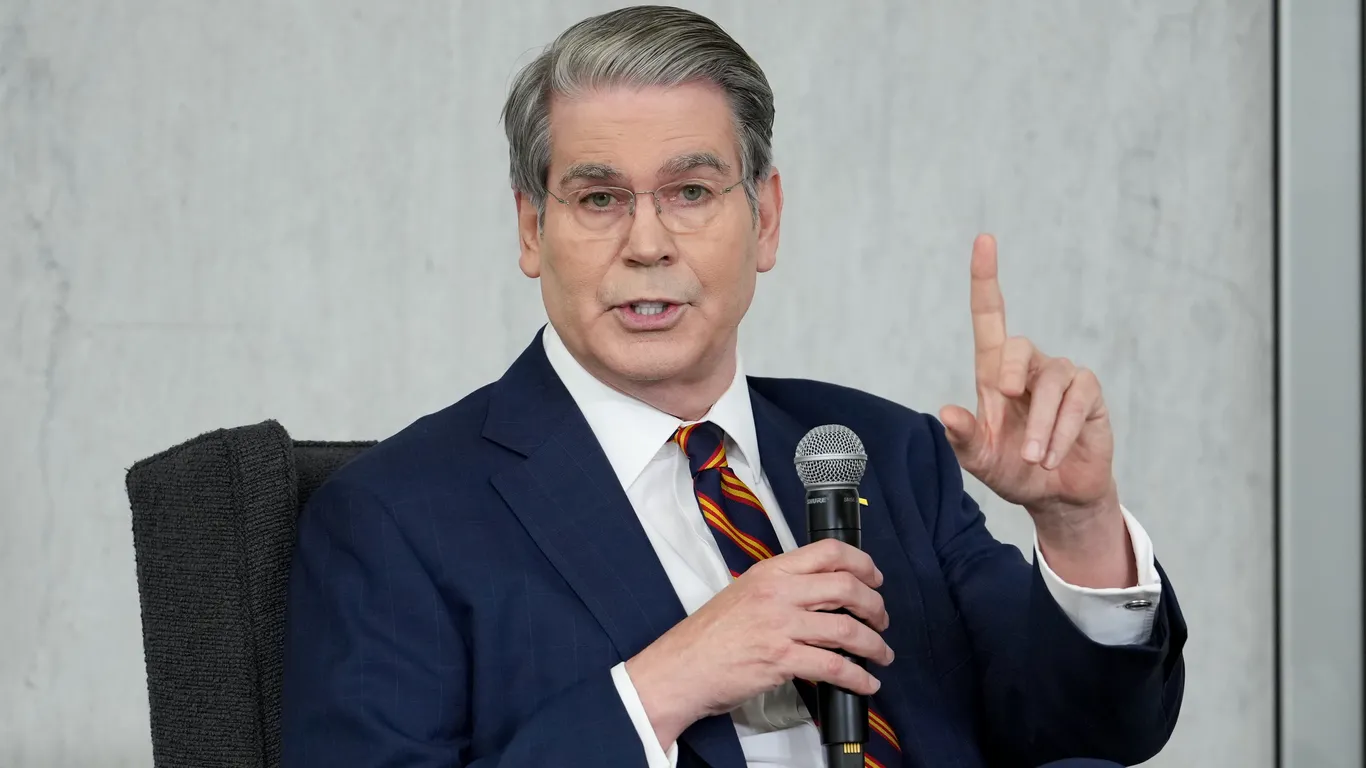
The U.S. Treasury, led by Scott Bessent, has purchased Argentine pesos and agreed on a $20 billion currency swap with Argentina's central bank to support the struggling economy and bolster President Milei's reform efforts, amid ongoing currency and market pressures.
The US government intervened to support Argentina's peso amid economic instability and political challenges faced by President Milei, with market reactions indicating relief but concerns about future stability, especially around upcoming elections and fiscal policies.