The article reflects on the social custom of complimenting older people with 'You look great,' despite their appearance often showing signs of aging, and explores the underlying kindness and social politeness behind such remarks, even when they may not be entirely truthful.
Research confirms that engaging in social interactions significantly boosts happiness and well-being, suggesting that incorporating more social activities into daily life can improve overall mental health.
The article offers advice for gardening enthusiasts who prefer to work in peace without engaging in conversations with neighbors, suggesting strategies like wearing earbuds or politely indicating they are busy to maintain their privacy and focus.
A study finds that individuals from lower socioeconomic backgrounds exhibit greater physiological attunement and signs of comfort during social interactions, regardless of their partner's class, but still prefer same-class interactions, highlighting complex dynamics in cross-class social engagement.
The horoscope for July 4, 2025, suggests embracing surprises and exploring true desires, with a focus on social connections, emotional honesty, and personal growth, influenced by planetary alignments and moon movements.
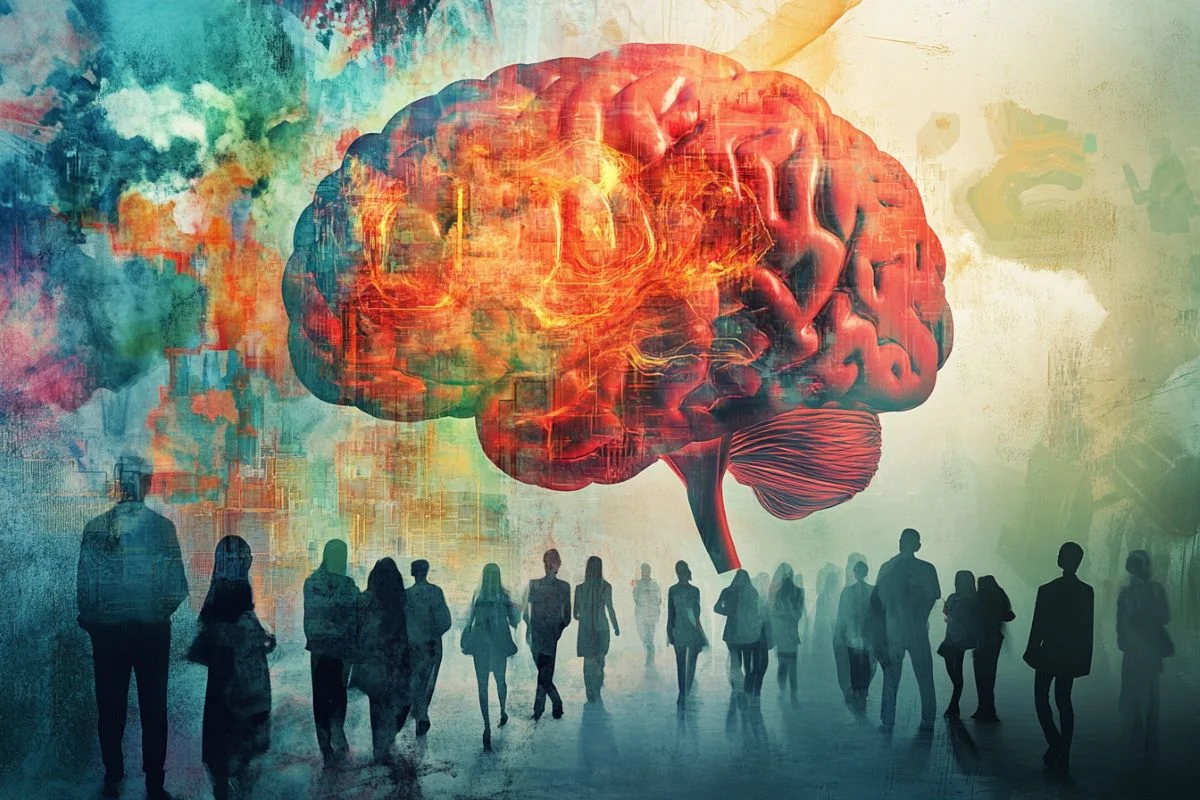
A study by USC researchers using MRI imaging and behavioral experiments reveals how the brain processes social acceptance and rejection, highlighting distinct brain regions activated during these experiences. Acceptance triggers reward pathways, while rejection activates areas related to assessing social value, influencing how individuals perceive their relational worth. These insights could inform treatments for mental health conditions like social anxiety and depression, and improve strategies for fostering healthy relationships.
A Yale University study reveals that social interactions significantly influence the human gut microbiome, with people sharing microbial species and strains not only with family but also with friends and other social connections. Conducted in isolated Honduran villages, the research found that socially central individuals have gut flora more similar to the overall community. The study suggests that social structures impact microbial profiles, which can affect health conditions like obesity and depression. The findings highlight the role of social interactions in shaping our microbiomes, though the health implications remain complex.
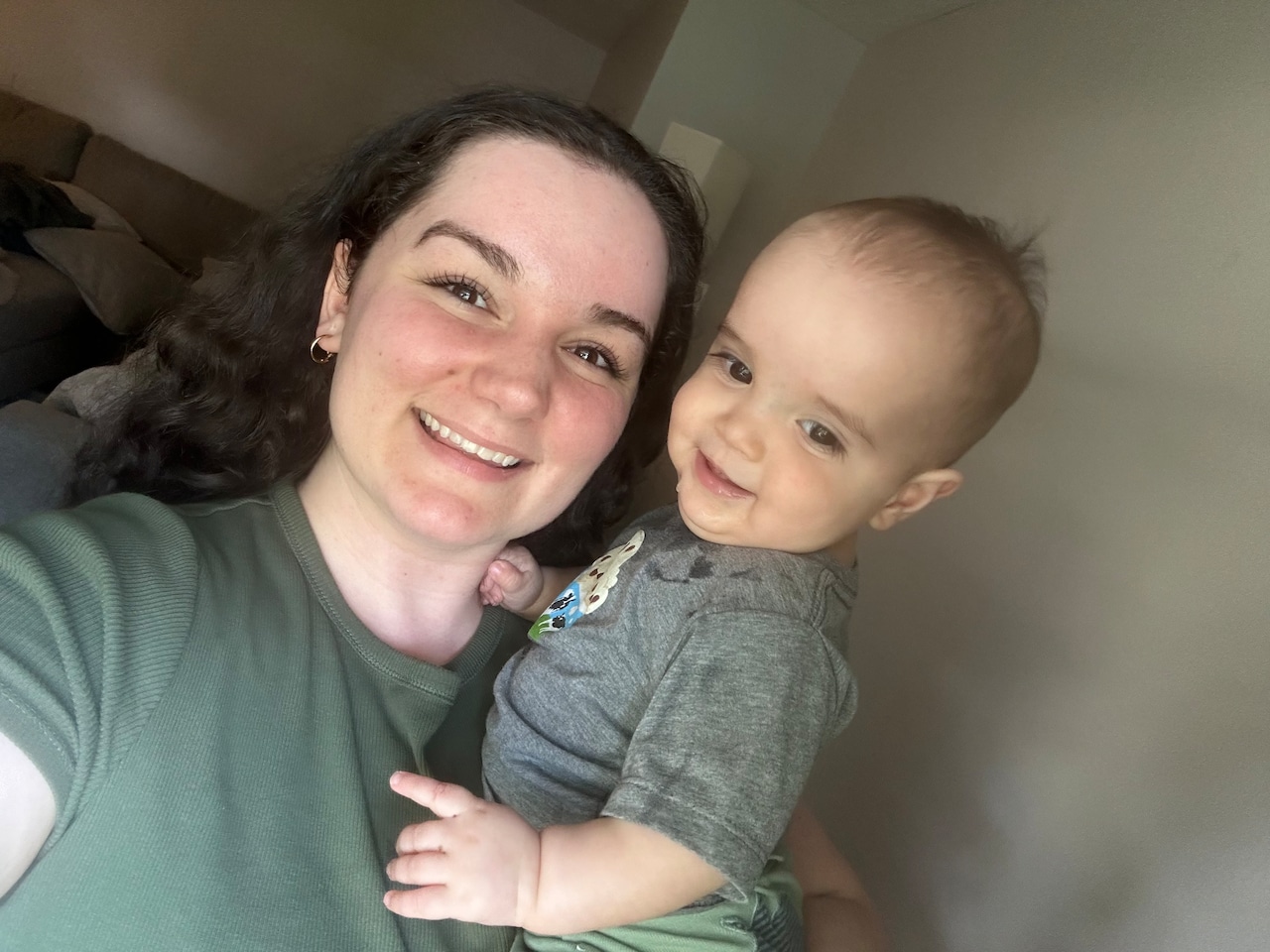
A casual comment from a stranger at Wegmans has deeply affected new mother Kelsie Pierce, causing her to constantly think about it and struggle with her dedication to breastfeeding her baby, Santiago.
A study on stress-free individuals found that while they reported higher levels of happiness and lower levels of chronic health issues, they also displayed signs of cognitive decline. The research suggests that some level of stress is necessary for optimal brain function and learning, and that not all stressors are negative. The study also revealed that social interactions play a complex role in stress, with a sweet spot for ideal social support that keeps individuals thriving cognitively.
President Biden lingered for about 35 minutes after his State of the Union speech, engaging in conversations, taking selfies, and even discussing international affairs until the lights were turned off in the House chamber. Known for his love of face-to-face interactions, Biden's extended stay prompted some humorous moments and drew attention for its unusual length. Despite the lengthy post-speech activities, Biden's actual address was shorter than last year's, clocking in at 67 minutes.
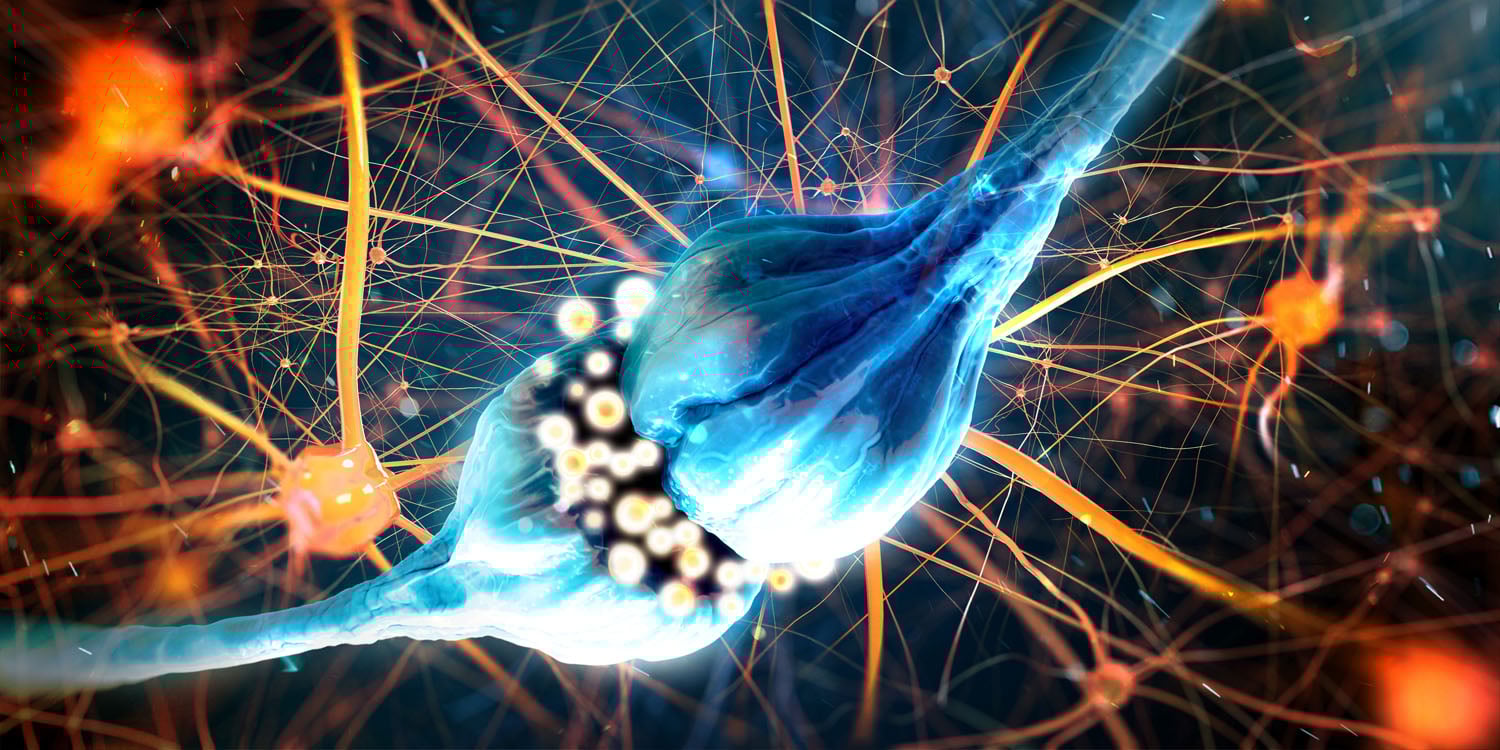
Neuroscientists at Virginia Tech have conducted a groundbreaking study on the roles of dopamine and serotonin in shaping social decisions. Using Parkinson’s disease patients undergoing brain surgery, the researchers found that dopamine tracks changes in offers during social interactions, while serotonin focuses on the immediate value of the current offer. The study revealed that the social context of interactions significantly impacts dopamine levels, with higher levels observed when participants believed they were interacting with humans. The findings offer valuable insights into the neurobiological basis of social behavior and potential implications for understanding and addressing Parkinson’s disease and psychiatric conditions.
A new study suggests that people with "hostile attribution bias" display unique brain activity in the ventromedial prefrontal cortex (vmPFC) when interpreting others' actions as hostile. This bias can lead to aggression, poor mental health, and difficulties in relationships. Understanding the brain mechanisms behind this bias could help develop interventions to reduce aggressive behavior and promote healthier social interactions. The study found that fostering attributional complexity could be a potential strategy to mitigate hostile attribution bias.
A study involving over 4,100 participants revealed that 75% had hidden or might hide their infectious illness in the future, with more than 61% of healthcare workers admitting to concealing their illness. The research highlighted a discrepancy between how people predict they would act when sick and their actual behavior, with many downplaying the severity and transmissibility of their illness. The findings underscore a critical public health issue, emphasizing the need for solutions beyond individual responsibility.
A study from the University of Michigan suggests that having children, particularly two, can increase a person's life expectancy to age 76. The research found that individuals with small families have a higher probability of living longer. The study attributes the longer lifespan to the social interactions that come with parenting. However, having fewer or more children was associated with a lower lifespan. The research also supports the theory that genetic mutations promoting reproduction tend to shorten lifespan. Overall, while genetics play a minor role, environmental factors such as lifestyle changes and medical advancements have contributed to increased longevity in parents.
People often overestimate the negative consequences of declining social invitations, fearing that it may harm their relationships. However, a study involving over 2,000 participants across five experiments found that inviters generally felt less upset than expected when their invitations were declined. The research highlights a common misconception about the social ramifications of saying no and suggests that occasionally turning down invitations may not harm relationships as much as people think.