A secondary analysis of a large randomized trial found bariatric surgery produced stronger diabetes control and greater weight loss (about 28% vs 10%) than medical therapy across social backgrounds, though the rapid rise of obesity drugs and study limitations temper interpretation; overall, surgery remains underutilized and should remain a discussion option for patients.
A UCLA study suggests that obesity is driven by social factors like stress, inequality, and life circumstances that influence gut and brain function, challenging the traditional focus solely on diet and exercise, and emphasizing the need for systemic policy reforms alongside individual actions.
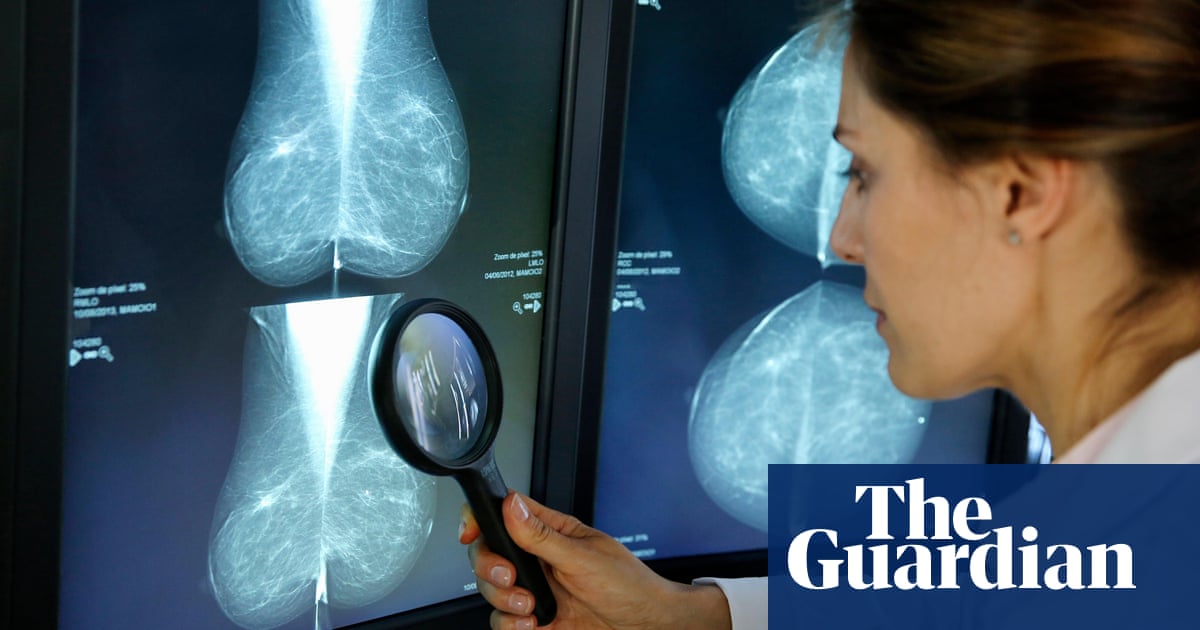
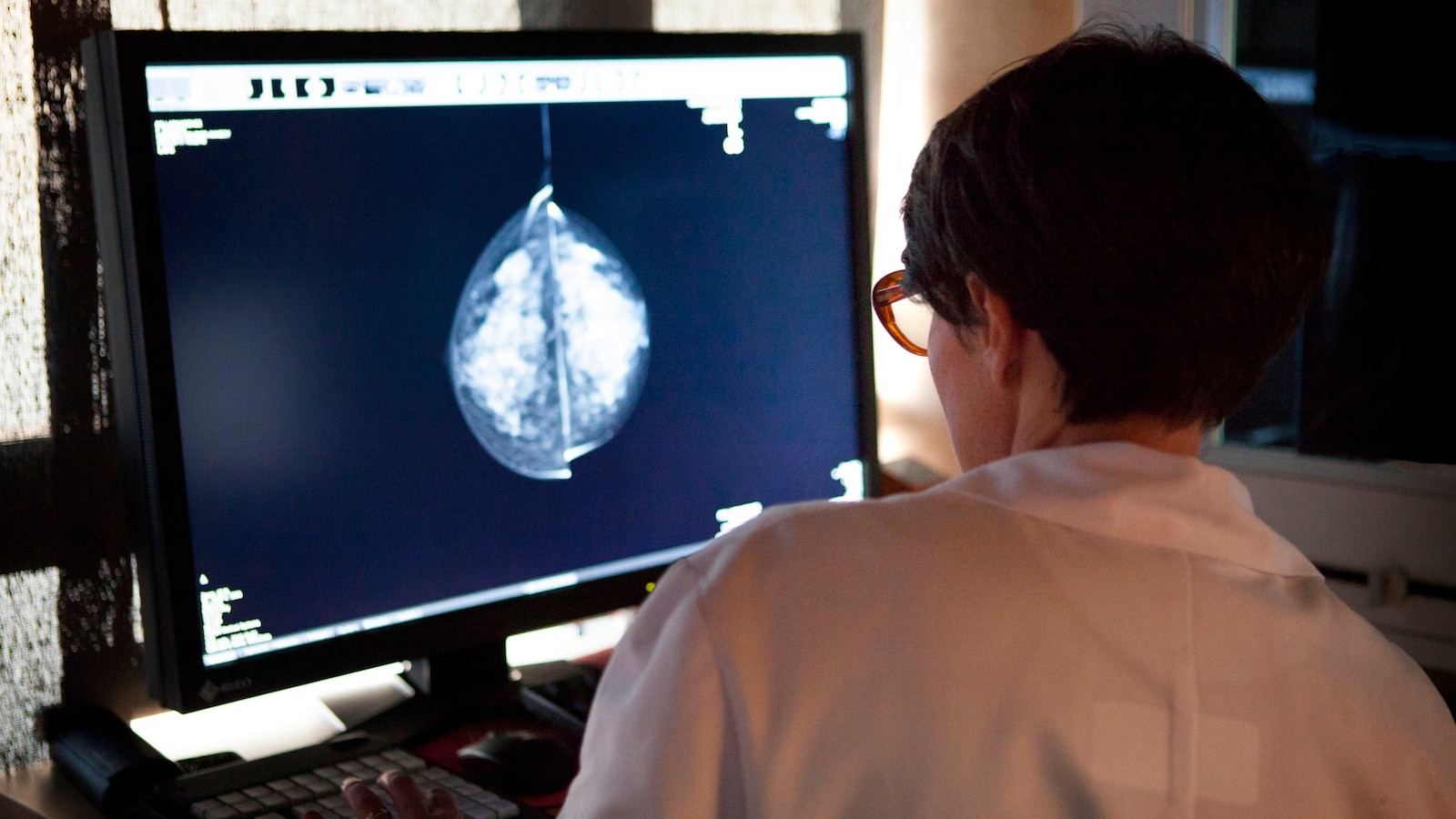
A new report from the CDC reveals that low-income, socially isolated, and uninsured women are less likely to be up-to-date on mammograms, a crucial tool for detecting breast cancer. The study found that women with multiple social deprivations, such as lack of health insurance and transportation, had lower mammogram rates, with significant state-to-state differences. While Black women reported higher overall mammogram rates, they are 40% more likely to die from breast cancer than white women. Experts emphasize the need to address social determinants of health and ensure access to services like low-cost mammograms to reduce the burden of breast cancer deaths in the US.
A CDC report reveals that one-third of socially vulnerable women between ages 50 and 74 are not receiving recommended mammograms, with health-related social needs being a significant barrier. Factors such as social isolation, financial constraints, and lack of access to reliable transportation contribute to lower mammography rates. The CDC emphasizes the importance of addressing these social determinants of health to improve breast cancer screening and reduce disparities in breast cancer deaths, as evidence shows that mammograms significantly reduce mortality rates. The U.S. Preventive Services Task Force is expected to update its guidelines for breast cancer screening, recognizing the need to address the challenges women face in accessing mammograms.
The gender health gap is often misunderstood and attributed to biological differences without considering social determinants of health. Research into the impact of sexism and other social factors on health is crucial, and understanding the context of health conditions is essential. Sarah Richardson's GenderSci Lab at Harvard University has made significant progress in breaking down gender health disparities and challenging pseudoscientific assumptions, particularly during the pandemic. It's important to consider social circumstances and individual complexity in health research to address the gender health gap effectively.
Medicaid is evolving to address social needs in addition to healthcare in states like North Carolina, where it is being used to provide food, housing, and transportation assistance. With the encouragement of the Biden administration, Medicaid is incorporating health-related social needs into its program, with experiments approved in eight states and additional nine states applying. While there is bipartisan enthusiasm for this shift, there are concerns about the effectiveness and potential impact on healthcare costs.
Generative AI, such as large language models, shows promise in automatically extracting patients' social needs from clinical records, potentially benefiting both patients and providers. However, challenges such as bias and patient privacy concerns need to be addressed before implementing these tools in real care settings. While there is potential for improving health outcomes and connecting patients with support systems, careful consideration of unintended consequences and patient consent is crucial in the development and deployment of these AI tools.
A study led by UC San Francisco found that living alone puts older Americans with dementia or mild cognitive impairment at risk. The US healthcare system is ill-equipped to serve this population, with patients missing medical appointments, lacking emergency contacts, and experiencing untreated medical conditions. The study highlights the need for subsidized home care aides, which are more readily available in Europe, Japan, and Canada. The researchers advocate for expanded funding from Medicare and Medicaid to provide necessary supports for vulnerable individuals with cognitive decline.
St. Louis has the highest rate of Alzheimer's dementia cases in Missouri, with 13% of residents 65 and older affected. A new study from Washington University's School of Medicine reveals that social factors such as income, race, and education impact access to treatment and diagnosis. Patients in less affluent neighborhoods and people of color are less likely to receive care from the memory clinic. Racial disparities in Alzheimer's risk have also been observed, with Black Americans facing double the risk compared to white Americans. Stigma, distrust of the medical community, and social determinants of health contribute to these disparities. Early diagnosis is crucial as new drugs are approved, but patients from marginalized communities often arrive at memory clinics with more advanced dementia, reducing the effectiveness of treatment. Multiple approaches, including community education and policy changes, are needed to address these disparities.
Doctors and nurses are experiencing moral distress due to an inhumane healthcare system that often prevents them from providing necessary care to patients. The pressure to meet productivity demands, limited time with patients, and overwhelming administrative burdens contribute to physician burnout. Recent legislation and social determinants of health further exacerbate moral dilemmas for healthcare professionals. As a result, many doctors and nurses are leaving the field, leading to healthcare staffing shortages and negatively impacting patient care. Addressing social determinants of health, involving frontline staff in decision-making, and ensuring universal access to healthcare are potential solutions to alleviate moral distress and improve the healthcare system.
A study conducted by researchers at Case Western Reserve University, University Hospitals, and the Cleveland VA Medical Center found that U.S. military veterans who lived in "redlined" areas, which were historically disadvantaged neighborhoods due to discriminatory housing practices, had a higher risk for cardiovascular issues. The study analyzed data from 80,000 veterans with pre-existing cardiovascular disease and found that those living in redlined neighborhoods were 14% more likely to experience adverse cardiac events like heart attacks or strokes, even after adjusting for known risk factors. The findings highlight the long-lasting impact of historical residential policies on community health and the need for targeted interventions to address health disparities.
People who live in historically redlined areas are less likely to be screened for breast, colorectal, and cervical cancer than people who live in areas not associated with redlining practices, according to a study published in the Journal of the American College of Surgeons. Redlining is a discriminatory practice in which financial institutions refuse to provide loans or insurance to people who live in an area deemed to be a poor financial risk. The practice predominately impacted Black home buyers, contributing to segregation and inequality. The study underscores the responsibility of healthcare systems to proactively tackle social determinants of health, such as redlining, to achieve equitable access to cancer screening and ultimately save lives.
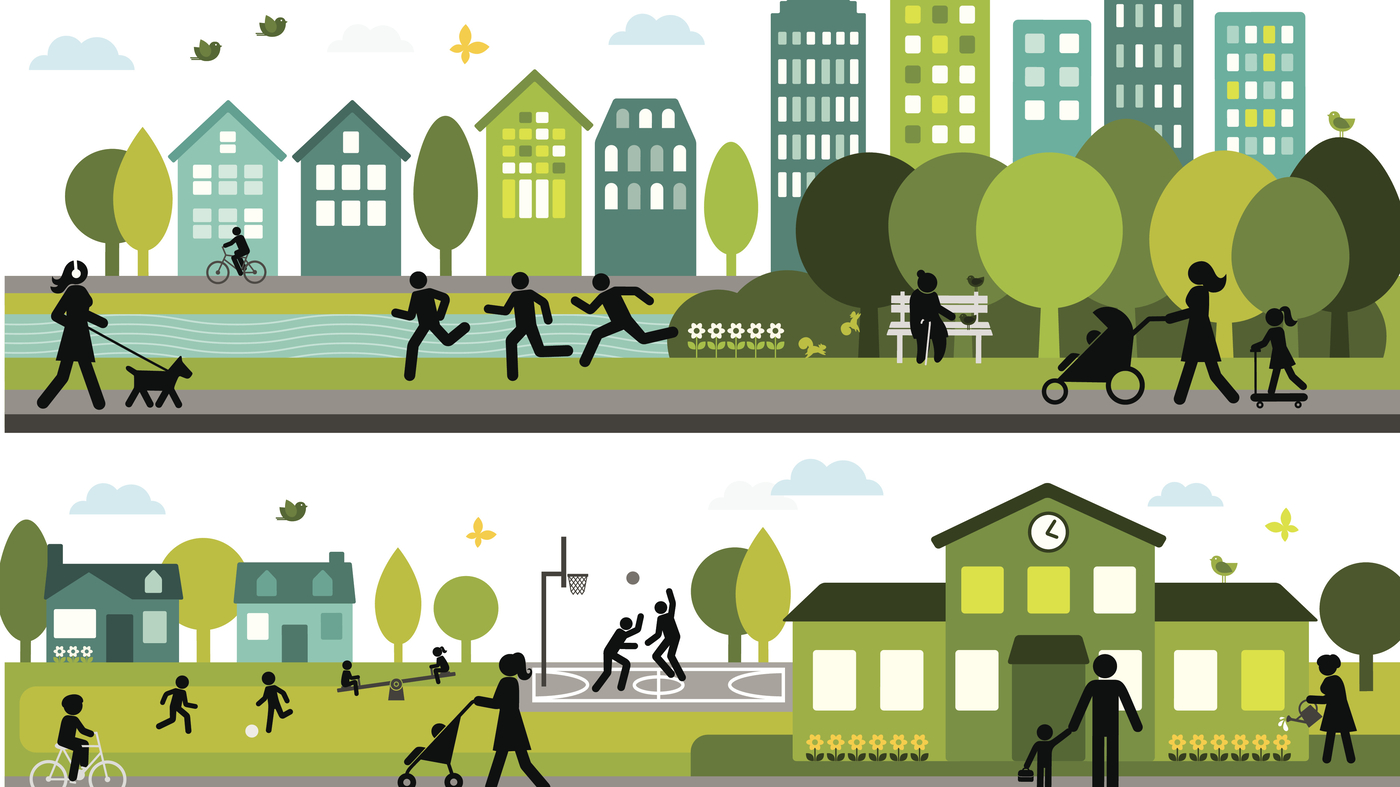
Good health depends on more than just exercise and a healthy diet. Access to safe housing, good schools, and a decent job are also important. Chronic diseases, fueled by poverty and racism, contribute to preventable deaths. Despite having a sophisticated healthcare system, the US is not getting healthier. NPR's ongoing series, Living Better, explores how Americans can take back their health by improving health outcomes and lives through community programs, medically tailored meals, and understanding human behavior.
Adults in the US who reported feeling discriminated against at work had a higher risk of developing high blood pressure than those who reported less discrimination, according to a new study. Chronic exposure to discrimination can lead to weakness within the cardiovascular system because of perpetual stress reactions and to higher blood pressure overall. High blood pressure damages arteries and makes them less elastic, leading to heart disease. Employers should try to create an anti-discriminatory environment, and people should identify where discrimination could be taking the form of jokes or comments in the workplace.
Researchers from Carnegie Mellon University, Florida International University, and Santa Clara University have developed a machine learning model that predicts strokes with 84% precision, outperforming existing scales that miss as many as 30% of strokes. The model incorporates variables routinely collected by healthcare providers and payers, including basic demographics, the number of chronic conditions, and insurance. The study's authors suggest that it is possible to predict the likelihood of a patient's condition being a stroke at the time of hospital presentation, based on patients' demographics and social determinants of health available at the time of entry.