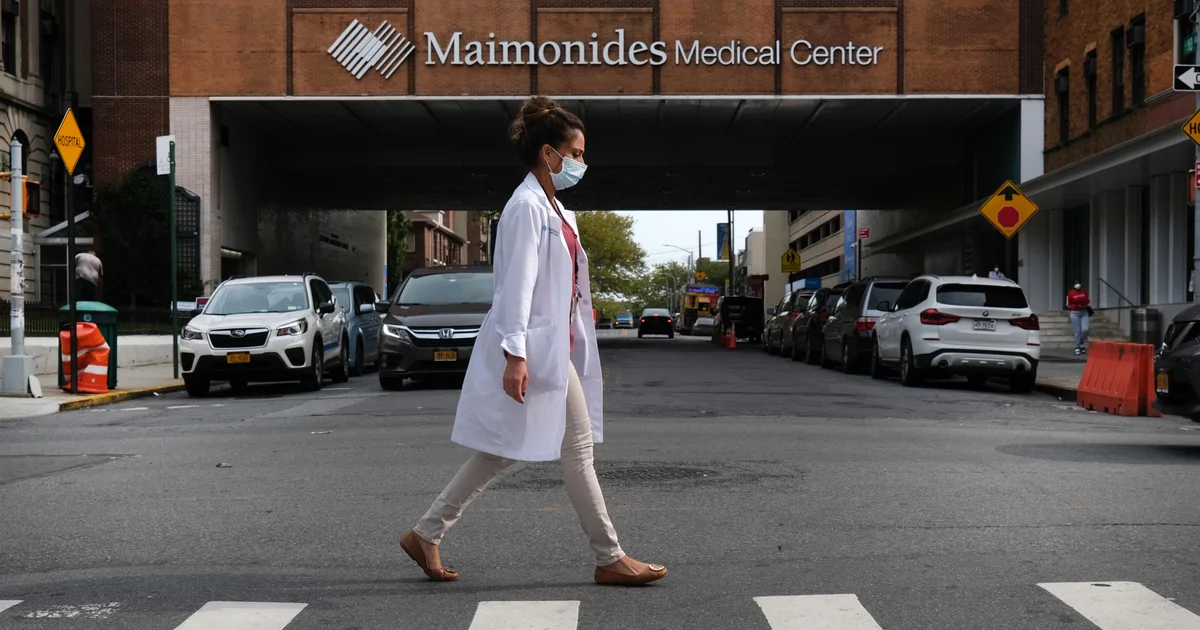
Maimonides Health is merging with NYC Health + Hospitals, supported by a $2.2 billion state grant, to enhance healthcare services in Brooklyn, with the transition pending final approval. The merger aims to improve reimbursement rates, patient record access, and maintain the unique identity of Maimonides' hospitals while strengthening Brooklyn's healthcare safety net.

The article discusses the complex issue of patients refusing cancer treatment, highlighting the importance of respecting patient choices, understanding their perspectives, and addressing systemic issues in healthcare that influence decision-making.
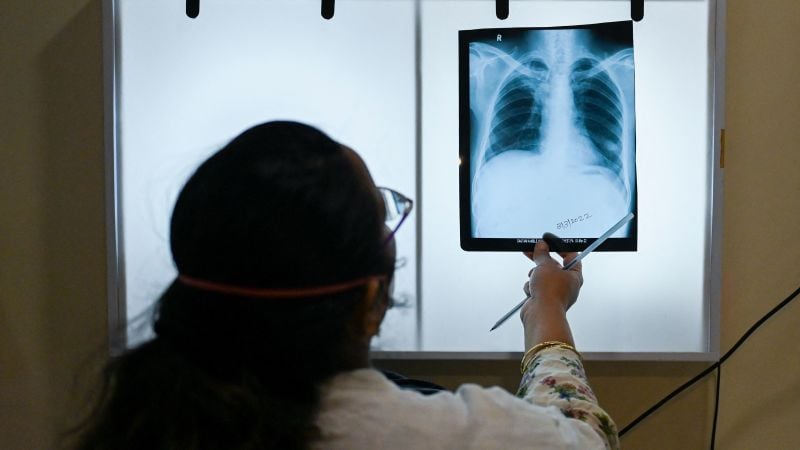
India's government aimed to eliminate tuberculosis by 2025, but efforts are falling short due to systemic healthcare gaps, socioeconomic barriers, and the COVID-19 pandemic's impact, with millions still affected and challenges in diagnosis and treatment persistence.
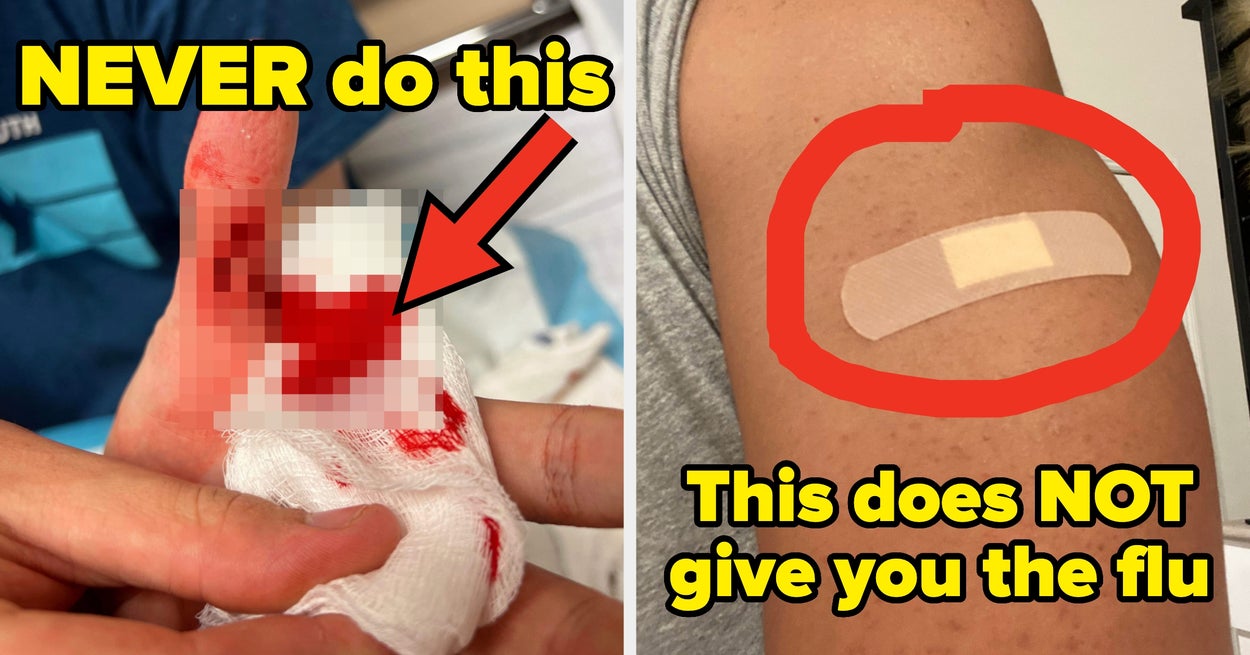
This article features 21 healthcare professionals debunking common health myths, such as ambulance wait times, misconceptions about vaccines, the overdiagnosis of developmental disorders, and misunderstandings about medical conditions and treatments, emphasizing the importance of accurate health information and appropriate medical care.
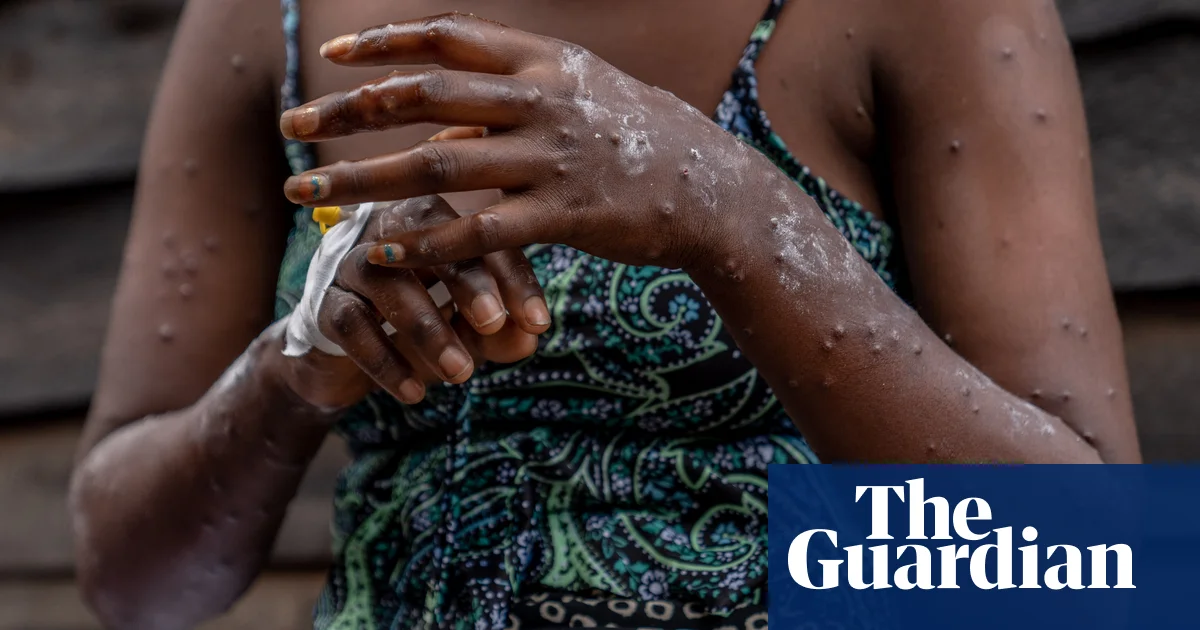
Malawi reports 11 cases of mpox amid regional surge, compounded by vaccine shortages, limited testing, and healthcare funding cuts, especially affecting HIV treatment, which worsens mpox severity. The country faces challenges in disease awareness and healthcare capacity, with fears of an outbreak amid low public knowledge and strained health services.
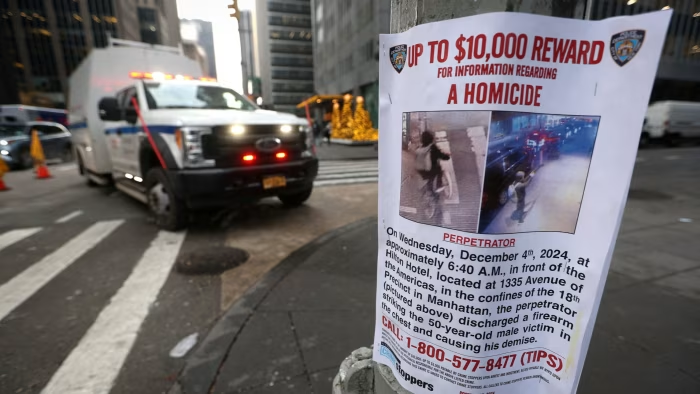
UnitedHealth Group CEO Andrew Witty has called for reforms in the U.S. healthcare system following the public killing of UnitedHealthcare CEO Brian Thompson. In a New York Times op-ed, Witty acknowledged the system's inefficiencies and expressed willingness to collaborate on improving care quality and reducing costs. The murder has sparked a national debate and social media backlash against health insurers, highlighting public frustration with the industry. Witty emphasized the need for safety and support for employees amid the vitriol directed at the company.
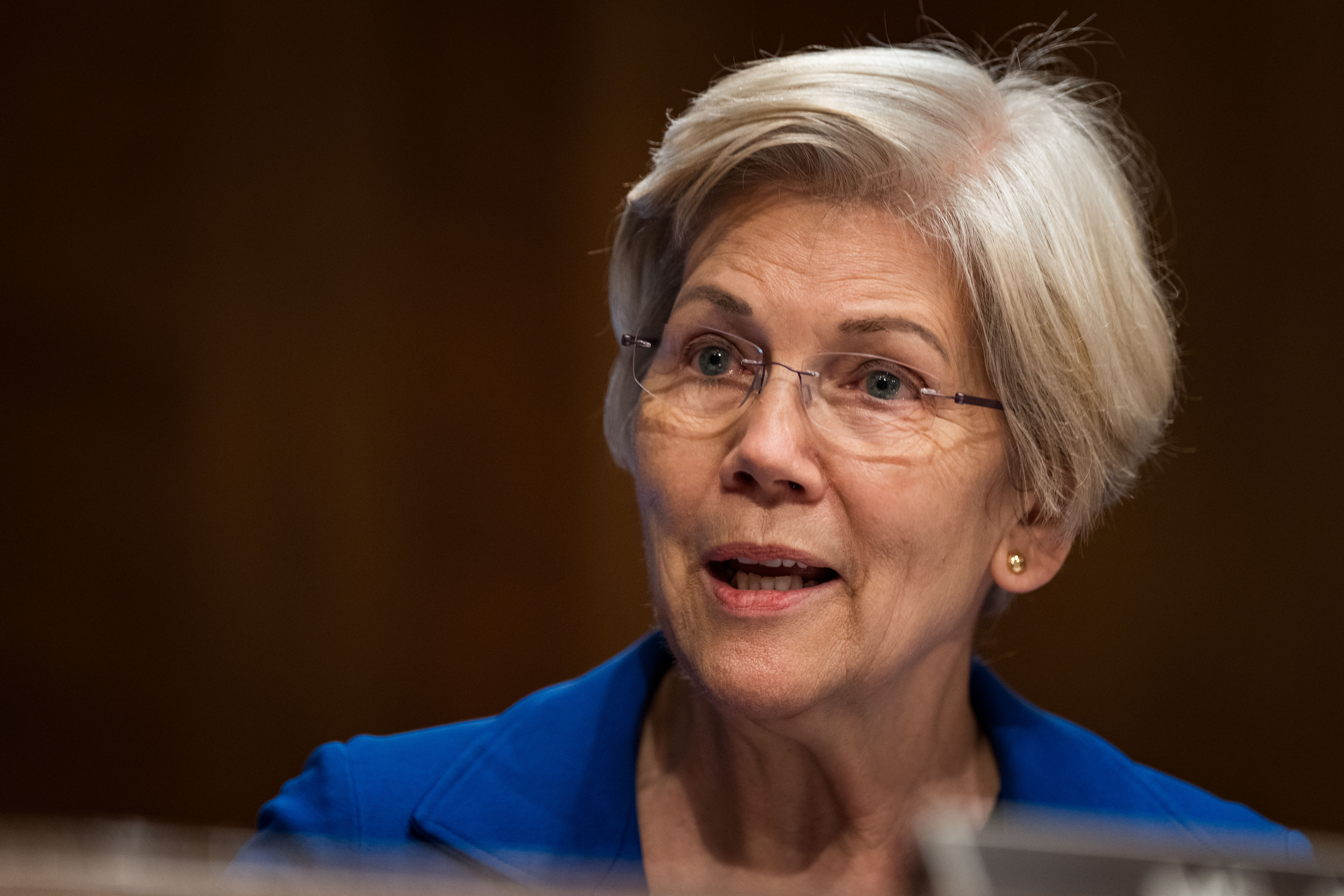
Senator Elizabeth Warren condemned the assassination of UnitedHealthcare CEO Brian Thompson, emphasizing that while violence is never justified, the frustration with the healthcare system is palpable. Warren and Senator Bernie Sanders highlighted the widespread anger towards insurance companies, which many feel prioritize profits over patient care. The suspect, Luigi Mangione, has been charged with second-degree murder, and the crime scene included references to insurance practices. The incident underscores the deep-seated discontent with the American healthcare system.
Dr. Bobby Mukkamala, a prominent Flint physician and president-elect of the American Medical Association, has been diagnosed with a brain tumor after experiencing speech difficulties during a conference. The tumor, suspected to be a grade 2 or 3 glioma, will be surgically removed at the Mayo Clinic. Mukkamala, who has been active in addressing the Flint water crisis and healthcare issues, plans to return to work if his treatment is successful. He is using his experience to highlight deficiencies in the U.S. healthcare system and is documenting his journey through writing.
The article shares 18 personal stories from individuals who faced health insurance claim denials, highlighting the struggles and frustrations with the American healthcare system. These accounts, collected from the BuzzFeed Community, include cases of denied coverage for critical treatments, medications, and procedures, often leading to severe health consequences or financial burdens. The stories underscore the challenges many face with insurance companies prioritizing profits over patient care.
The killing of UnitedHealth executive Brian Thompson has sparked mixed reactions on social media, with some expressing sympathy and others using the incident to criticize the U.S. healthcare system. The backlash highlights widespread frustration over issues like high costs and medical debt. While some posts celebrated the death, others condemned the violence and the callousness of such reactions. The incident underscores the contentious nature of the healthcare industry, with many Americans dissatisfied with the current system.
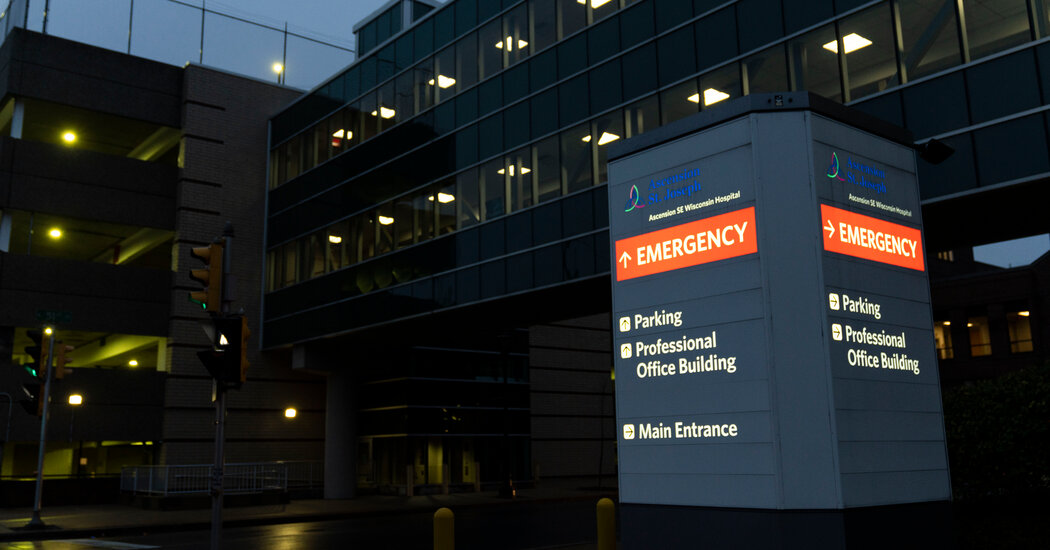
A cyberattack on Ascension, one of the largest U.S. health systems with 140 hospitals, has caused significant disruptions in patient care by limiting access to digital medical records. For over two weeks, medical staff have resorted to using paper and handwritten orders, leading to delays in treatments and long waits in emergency rooms. The attack highlights the vulnerabilities in the healthcare system's reliance on digital records and the risks of consolidation.
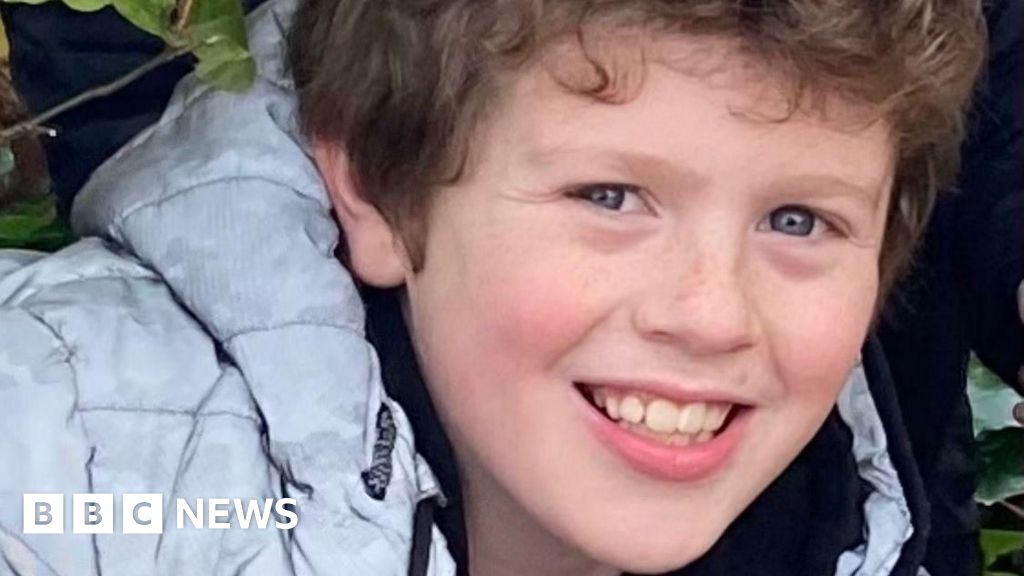
A nine-year-old boy, Dylan Cope, died from sepsis after doctors and nurses at the Grange Hospital in Cwmbran missed a crucial GP note indicating possible appendicitis. The inquest revealed multiple failures, including the hospital's overcapacity, miscommunication, and delays in the NHS 111 service, which contributed to the tragedy. Changes have since been made to the 111 system and hospital procedures to prevent similar incidents.
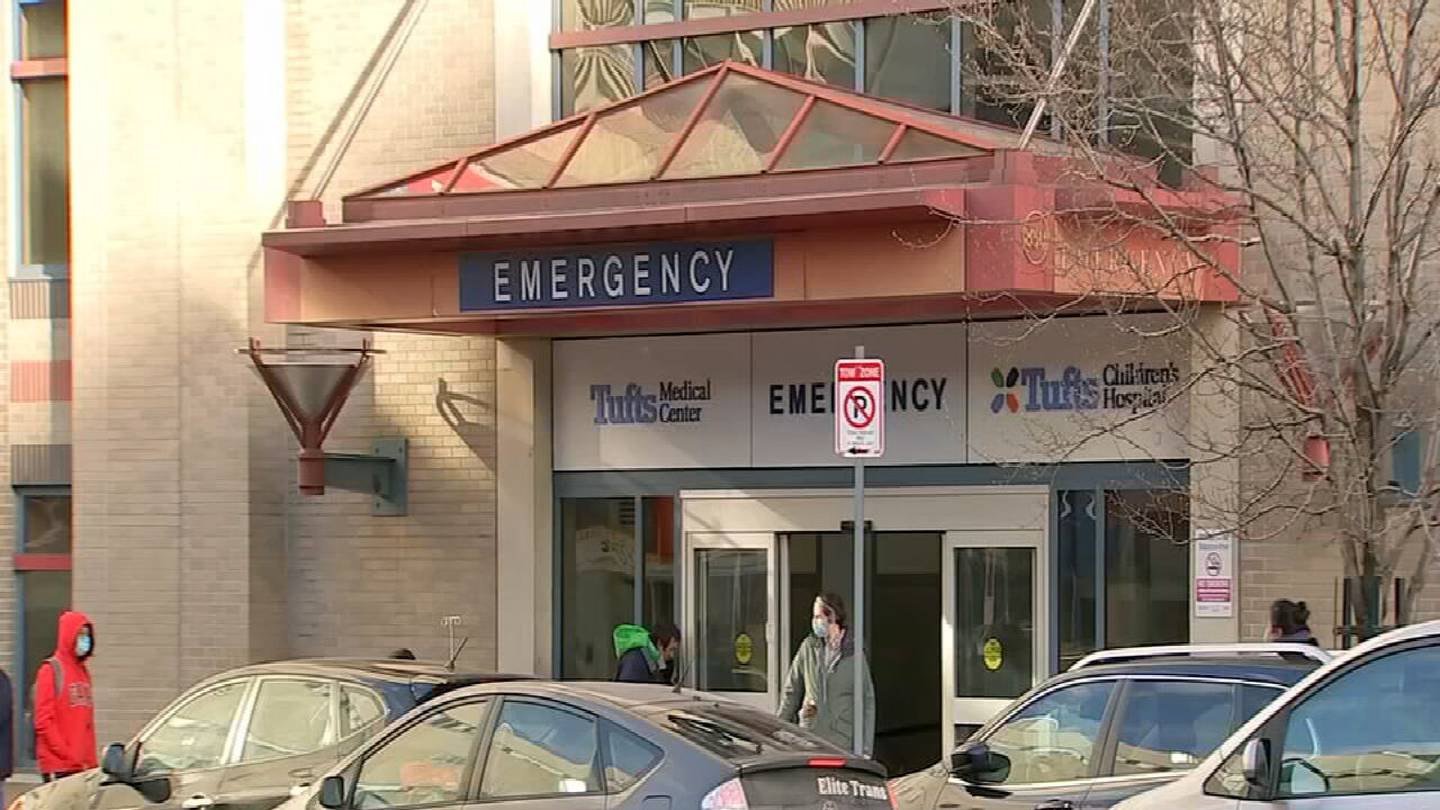
Tufts Medicine, one of the largest healthcare systems in Massachusetts, is laying off nearly 200 workers, primarily in administrative and non-direct patient care roles, due to ongoing financial difficulties stemming from capacity issues, high contract labor expenses, and rising supply chain costs. The healthcare system had previously cut its workforce in August and January last year, and its financial struggles are attributed to a high proportion of patients covered by Medicare and Medicaid, which typically pay lower amounts than other insurers.
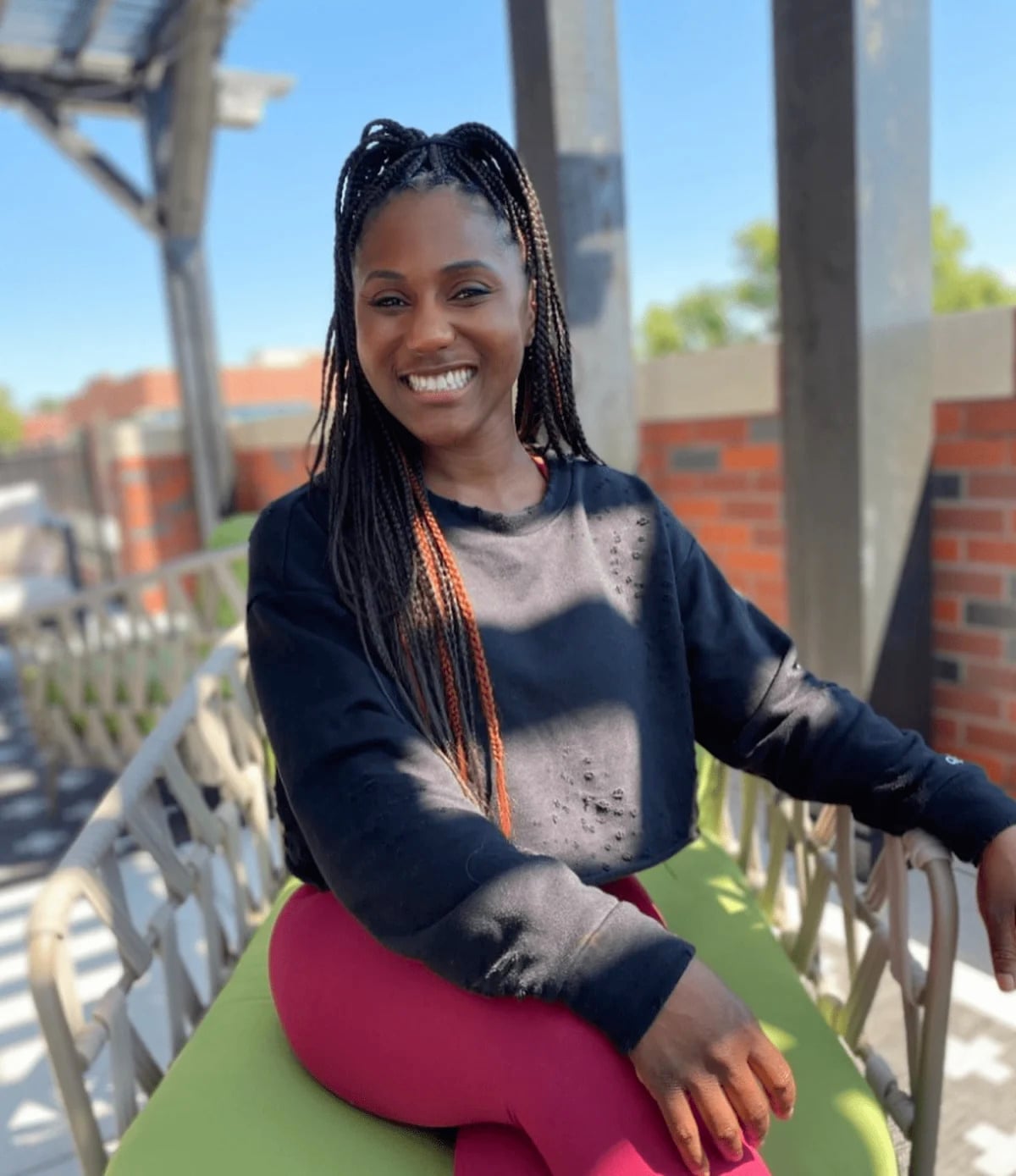
Former Kansas City Chiefs cheerleader Krystal "Krissy" Anderson died at 40 from cardiac arrest caused by sepsis shortly after the stillbirth of her daughter, Charlotte Willow Anderson. Her husband, Clayton Anderson, criticized the healthcare system's one-size-fits-all approach to maternal care, particularly for Black women, and described the events leading to her death. Black maternal mortality rates in the US are disproportionately high, and recent studies have shown minority women may be more at risk for sepsis. Krystal Anderson, a software engineer, had made significant contributions to improving healthcare. The hospital treating her could not comment on her case due to privacy laws.
Former Kansas City Chiefs cheerleader Krystal "Krissy" Anderson died of cardiac arrest caused by sepsis shortly after the stillbirth of her daughter, Charlotte Willow Anderson. Her husband, Clayton Anderson, criticized the healthcare system's one-size-fits-all approach to maternal care, particularly for Black women, and described the events leading to her death. Krystal had suffered a stillbirth and a miscarriage scare before her death. The hospital treating her expressed condolences but couldn't comment on specifics. Black maternal mortality rates in the US are high, and recent studies show minority women may be more at risk for sepsis. Krystal, a software engineer, had made significant contributions to improving healthcare.