medical-research-news4.21 min read
Fragmented Sleep Tied to Obesity-Related Liver Disease Progression
1 year ago•Source: News-Medical.Net

The latest medical research news stories, summarized by AI

A study by MedUni Vienna reveals that COVID-19 causes long-term changes in the immune system, even in mild cases. Researchers found significant reductions in immune cells and changes in cytokine and growth factor patterns in recovered patients, suggesting potential long-term impairments in immune response and providing insights into Long-COVID.
News-Medical.Net•2 years ago
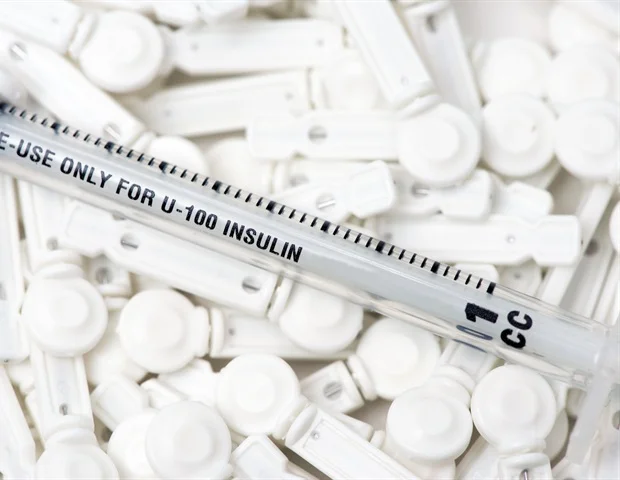
A new study has revealed that cancer patients have insulin resistance, which can cause cancer cells to multiply and lead to muscle loss. Insulin resistance can also be hard to identify in cancer patients as they already experience symptoms such as fatigue. The study suggests that oncologists should check patients' blood sugar levels and treat insulin resistance if found. The next step is to determine who is at high risk of developing insulin resistance and whether treatment has a positive effect on patients.

A recent study investigated the effectiveness of three popular smart drugs, namely, modafinil, methylphenidate, and dextroamphetamine, against the difficulty of real-life daily tasks, i.e., the 0-1 knapsack optimization problem. Even though drug treatment did not result in a significant drop in the chance of getting a solution to the knapsack problem instances, it positively caused a significant overall reduction in attained value. The time spent or the effort levels significantly improved on average in the participants under smart drugs. However, heterogeneity in the quality of effort linked to each drug was observed compared to placebo. The study found that smart drugs only improved motivation to do work but not the quality of effort.
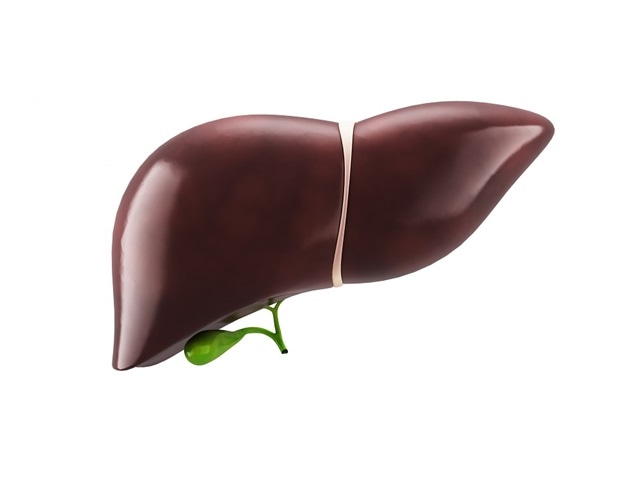
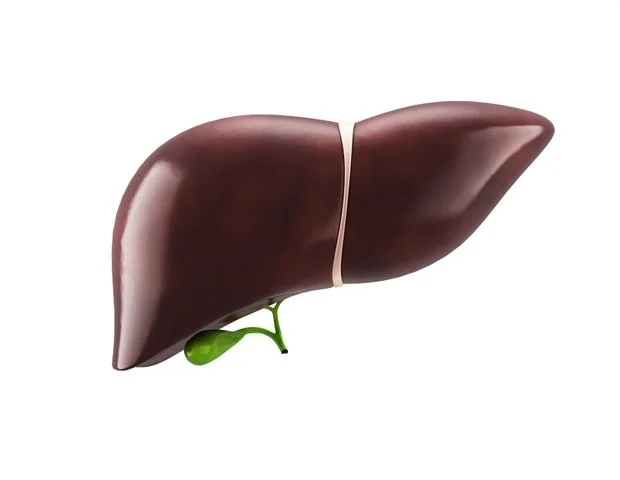
The prevalence of metabolic-associated fatty liver disease (MAFLD), the leading global cause of liver disease, is increasing in the US, with Mexican Americans consistently having the highest percentage. MAFLD is a risk factor for cardiovascular disease, type 2 diabetes, and a common type of liver cancer. The increase in MAFLD is concerning, as this condition can lead to liver failure and cardiovascular diseases and has an important health disparity. The percent of people with MAFLD increased from 16% in 1988 to 37% in 2018, while the percent of obesity rose from 23% in 1988 to 40% in 2018.
People who live in historically redlined areas are less likely to be screened for breast, colorectal, and cervical cancer than people who live in areas not associated with redlining practices, according to a study published in the Journal of the American College of Surgeons. Redlining is a discriminatory practice in which financial institutions refuse to provide loans or insurance to people who live in an area deemed to be a poor financial risk. The practice predominately impacted Black home buyers, contributing to segregation and inequality. The study underscores the responsibility of healthcare systems to proactively tackle social determinants of health, such as redlining, to achieve equitable access to cancer screening and ultimately save lives.
A recent study conducted at the Cleveland Clinic Health System (CCHS) found that being not "up-to-date" on COVID-19 vaccination was associated with a lower risk of COVID-19 than being "up-to-date." The study analyzed the risk of COVID-19 among CCHS employees who were "up-to-date" or "not up-to-date" on COVID-19 vaccination. The study found that the bivalent vaccine was less effective against the XBB lineages of the Omicron variant, and the CDC definition ignores the protective effect of immunity acquired from prior infection.
Patients with STEMI and COVID-19 had a significant amount of clotting in their arteries both before and after intervention, according to the latest analysis from The North American COVID-19 STEMI (NACMI). Clots were seen in multiple arteries in close to 30% of patients, a phenomenon observed in less than 5% of patients with heart attacks who do not have COVID-19. The findings point to the need for clinicians to be meticulous with blood thinning strategies, early interventions, and patient follow-up.
Scientists in Quebec have successfully isolated infectious particles of the SARS-CoV-2 virus from air samples collected from hospital rooms of COVID-19 patients and kept frozen for more than a year. The study provides insight into a scientific field that has been little explored since the beginning of the pandemic: airborne transmission of the virus causing COVID-19. The findings can be used to prepare for the next pandemic, be it SARS-CoV-2 or another respiratory virus, and can also be adapted to closed environments other than hospitals, such as schools, to test air quality and evaluate the effectiveness of protection measures against airborne transmission of viruses.
A novel vaccine candidate known as CF501/RBD-Fc has been found to neutralize SARS-CoV-2 Omicron subvariants BQ.1.1 and XBB in a rhesus macaque animal model. The vaccine comprised the human immunoglobulin G (hIgG) fraction, crystallizable (Fc)-conjugated receptor-binding domain (RBD) of the SARS-CoV-2 ancestral WA1 strain, in combination with a novel stimulator of interferon genes (STING) agonist-based adjuvant called CF501. The study findings confirm that CF501/RBD-Fc induced highly potent and persistent broad-neutralizing antibody (bnAb) responses against several SARS-CoV-2 variants, including Omicron subvariants.