Tag

Healthcare Disparities

All articles tagged with #healthcare disparities

health1 year ago

Long COVID's Prevalence and Risks Highlighted by New Studies and AI Insights

A new study suggests that long COVID may be more prevalent than previously thought, with an AI algorithm estimating that 22.8% of COVID-19 patients meet the criteria for long COVID, compared to the CDC's 6.9% estimate. The research, conducted by a team at Mass General Brigham, used AI to analyze electronic health records, but some experts question the findings due to the challenges in defining long COVID. The study highlights disparities in diagnosis and aims to refine treatment plans and further research on the condition.


health1 year ago

"Survey Reveals Gaps in Mental vs. Physical Healthcare for Americans"

A survey by West Health and Gallup reveals that 75% of Americans believe mental health conditions are treated worse than physical health issues, with 57% grading the healthcare system's ability to handle mental health as a D or F. Key barriers include affordability, provider availability, and stigma, with 74% of recent sufferers feeling negatively viewed. Despite this, 53% find psychological counseling effective, though fewer believe in medication's efficacy. Over 80% perceive a rise in mental health issues in the past five years, especially among women and those under 50.

health1 year ago

"Study Finds Low Prescription Rates for Weight Loss Drugs Among Insured Individuals"

A study from Johns Hopkins University School of Medicine suggests that powerful weight loss medications are not reaching those who need them most, with barriers including obtaining a prescription, finding a pharmacy with the drug in stock, and being able to afford it. Even among insured patients, only 2.3% were prescribed a weight loss drug, with factors such as cost, prior authorization, and discomfort discussing obesity with patients contributing to the low prescription rates. Disparities were also apparent, with white adults more likely to receive a prescription than Asian or Black adults, despite higher rates of severe obesity and hypertension among Black adults. Experts emphasize the need for more physician training in obesity medicine and addressing the complex barriers beyond insurance coverage to ensure equitable access to weight loss drugs.

health1 year ago

"Challenges in Accessing Weight Loss Drugs for the Insured"

A study from Johns Hopkins University School of Medicine reveals that powerful weight loss medications are not reaching those who need them most, with barriers including obtaining a prescription, finding a pharmacy with the drug in stock, and being able to afford it. Even among insured patients, only 2.3% were prescribed a weight loss drug, with factors such as cost, prior authorization, and discomfort in discussing obesity with patients contributing to the low prescription rates. Disparities were also apparent, with white adults more likely to receive a prescription than Asian or Black adults, despite higher rates of severe obesity and hypertension among the latter. Experts emphasize the need for more physician training in obesity medicine and addressing the complex barriers beyond insurance coverage to ensure equitable access to weight loss drugs.

healthcare1 year ago

"Shortage of Geriatric Specialists in Aging America"

The shortage of geriatricians in the United States is leaving many older patients without specialized care, leading to misdiagnoses and overprescribing of medications. With only 7,300 board-certified geriatricians in the country, experts are calling for increased financial incentives and exposure to the field to attract more doctors. Medicare funding for residencies and fellowships could require basic competency in geriatrics, and student loan forgiveness programs for geriatric specialists are being suggested. The growing number of older patients highlights the urgent need for more doctors who are trained to understand the unique healthcare needs of seniors.

health1 year ago

Breaking the Stigma: Lessons from My Grandmother's Death

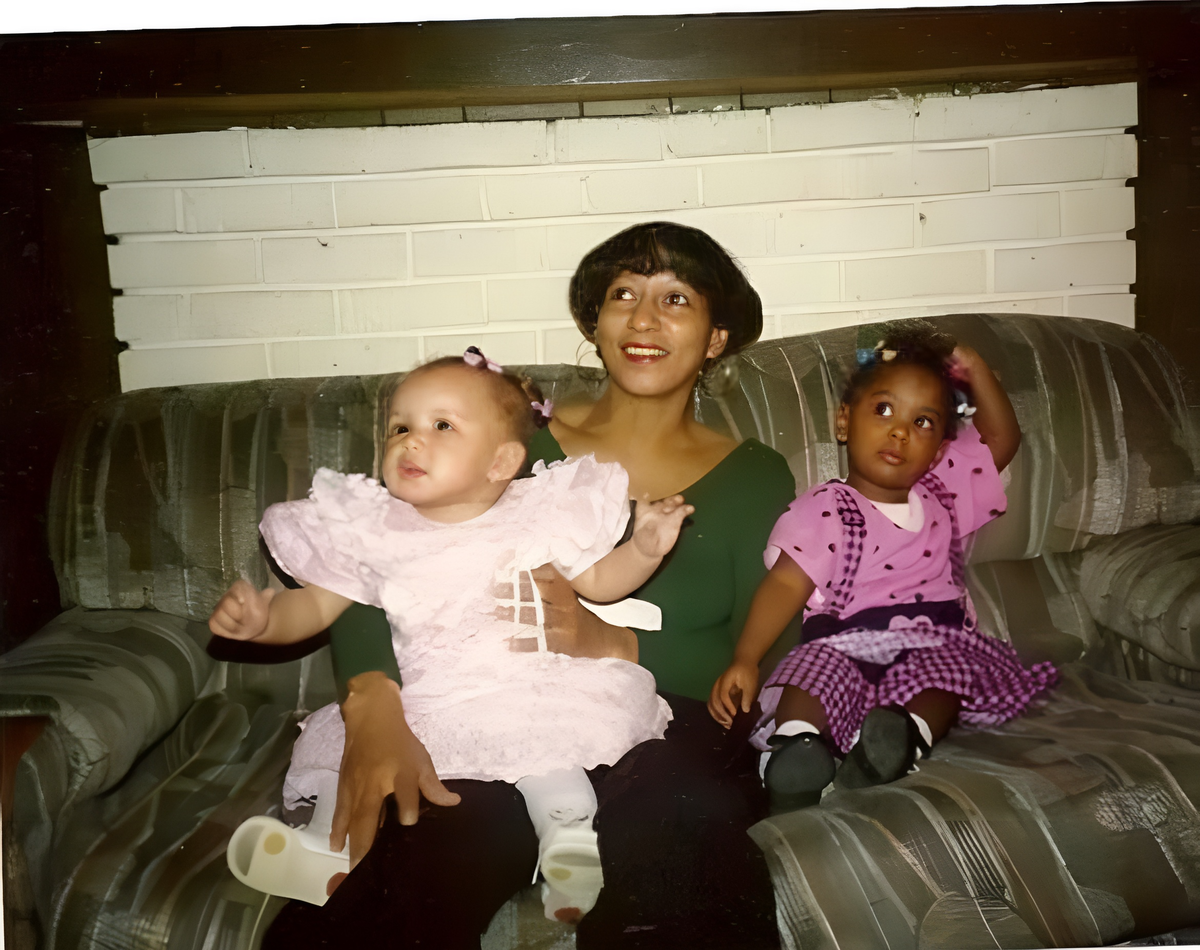
The author reflects on her grandmother's battle with HIV and the impact of stigma, discrimination, and systemic health disparities on her untimely passing, highlighting the pressing need for targeted interventions and equitable access to healthcare resources for Black women. The article emphasizes the inadequacy of current prevention efforts in effectively reaching and addressing the specific needs of Black women, and calls for comprehensive support, advocacy, and education to address the complex challenges surrounding HIV/AIDS within marginalized communities. The author's advocacy endeavors aim to honor her grandmother's memory by championing awareness and fighting for equitable healthcare access, emphasizing the critical need for awareness, empathy, and proactive healthcare practices within communities, particularly for Black women living with HIV.

health2 years ago

"Empowering Communities: Tackling Cervical Cancer Through Prevention and Advocacy"

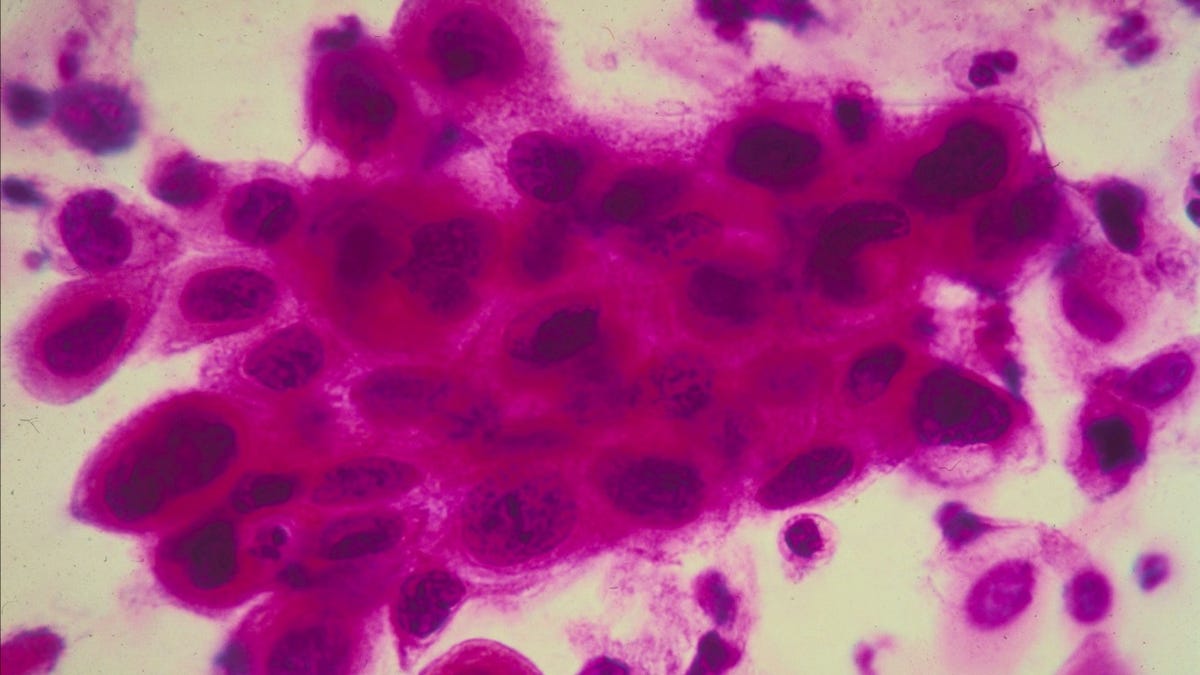
Despite the preventable nature of cervical cancer through vaccination, screening, and early detection, a new study reveals a concerning rise in diagnosis and mortality rates among women in low-income areas of the U.S. The study found that while cervical cancer rates declined in high-income regions since 2000, they increased in low-income counties, particularly affecting white, black, and Hispanic women. Lack of access to vaccination, screening, and treatment in these communities is linked to the alarming findings. Experts emphasize the importance of addressing healthcare disparities and increasing access to preventive care to combat this 100% preventable disease.

healthcare2 years ago

"Research Reveals Disproportionate Impact of Medical Errors on Women and Minorities in the U.S."

A study published in JAMA Internal Medicine found that nearly 1 in 4 hospital patients who died or were transferred to intensive care had experienced a diagnostic error, with nearly 18% of misdiagnosed patients being harmed or dying. Women and racial and ethnic minorities are 20% to 30% more likely than white men to experience a misdiagnosis, leading to an estimated 795,000 patients a year dying or being permanently disabled because of misdiagnosis. Racial and gender disparities are widespread, with Black women and minorities suffering from heart attacks, depression, and other conditions being more likely to be misdiagnosed. The Covid pandemic has also highlighted the inaccuracy of medical devices for people with darker skin.

healthcare2 years ago

Advancements in Sickle Cell Therapies: Promising Breakthroughs and Accessibility Challenges

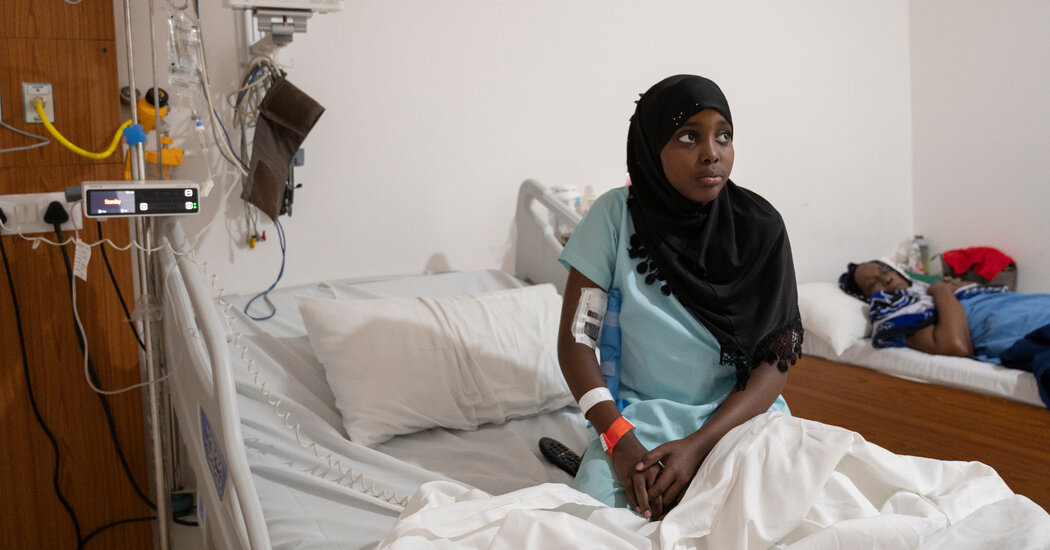
The recent approval of two groundbreaking gene therapy treatments for sickle cell disease by the FDA has brought hope to patients, but there are significant barriers to accessing these treatments in the countries where the majority of sickle cell patients live, particularly in sub-Saharan Africa. The high price tags of the therapies, reaching millions of dollars, make them unaffordable for governments with limited healthcare resources. Additionally, the complex and resource-intensive process of administering the treatments, including stem cell transplants and gene editing, requires medical infrastructure that is lacking in many African countries. The lack of routine screening, limited access to basic medications, and the high cost of existing treatments further exacerbate healthcare disparities for sickle cell patients in Africa. Efforts are being made to develop cheaper and easier approaches to treat sickle cell globally, but widespread access to gene therapies remains a challenge.

health2 years ago

CRISPR Gene Therapy: A Promising Cure for Sickle Cell Disease

Many sickle cell patients in the US face a difficult choice between a potential cure and preserving their fertility. Experimental gene therapies like CRISPR offer hope for a cure, but often require chemotherapy that can leave patients sterile. While some clinical trials provide counseling and fertility preservation services, most Americans with sickle cell will not have access to these options once the therapies are approved. Coverage for fertility preservation varies across states and insurers, leaving many patients to bear the high costs on their own. The lack of attention to fertility and gynecological issues in sickle cell care is another example of the discrimination faced by these patients.

health2 years ago

Racial and Ethnic Minorities Fear Bias in Health Care, Survey Reveals

A survey conducted by the Kaiser Family Foundation (KFF) reveals that many people of color in the United States worry about facing racial discrimination and judgment when seeking healthcare. The survey found that over half of Black adults feel they have to be careful about their appearance to be treated fairly by healthcare providers, along with a significant percentage of American Indian, Alaska Native, Hispanic, and Asian patients. Racial disparities in health outcomes and negative experiences with healthcare providers were also reported. The survey highlights the importance of diversity in healthcare providers and the need to address racial bias in the healthcare system.

healthcare2 years ago

"Life-Threatening Waits: The Urgent Dilemma for Sickle Cell Patients in ERs"

People with sickle cell disease face life-threatening waits and discrimination when seeking care in emergency rooms. The rare blood disorder affects an estimated 100,000 Americans, with Black patients being the majority. Sickle cell crises can lead to extreme pain and complications, requiring high doses of opioids and IVs. However, ER staff often lack experience in treating the disease and are hesitant to prescribe necessary painkillers. Patients report long delays, discrimination, and suspicion of drug-seeking behavior. Despite established guidelines, best practices for sickle cell care are not widely adopted. Legislators are working on bills to improve physician education, care coordination, and data collection. Patients advocate for themselves while balancing the need not to alienate hospital staff.

healthcare2 years ago

Racial Disparities in Oxygen Readings Delayed Covid Care, Study Reveals

A study published in JAMA Network Open reveals that pulse oximeters, which measure blood-oxygen levels, routinely overestimated oxygen levels in the blood of darker-skinned Covid patients, leading to delays in treatment and hospital readmissions. The flawed readings disproportionately affected Black and Hispanic patients, who were more likely to have their condition go undetected and experience delays in receiving appropriate care. The issue has prompted concerns among researchers and experts, leading to reviews by federal regulators and calls for more accurate readings. The FDA plans to publish a discussion paper and convene a meeting with experts to address the issue and ensure equitable and accurate device performance for all patients.

health2 years ago

Alzheimer's Disease Prevalence Varies Across US Counties

Four Southern California counties, including Los Angeles, Orange, and San Diego, have some of the highest numbers of Alzheimer's disease cases in the nation, with cases expected to increase as the state's population ages. A new report by the Alzheimer's Association estimates the disorder's prevalence and number of diagnoses at the county level in the U.S. California has the highest number of Alzheimer's diagnoses in the country, and the report highlights the need for counties to prepare for the growing burden on healthcare and social systems. Healthcare disparities, particularly among Black and Latino older adults, contribute to the increased risk of Alzheimer's. The report emphasizes the importance of raising awareness and reducing stigma surrounding memory loss and dementia.

healthcare2 years ago

Addressing Critical Gaps in Parkinson's Disease Care for Americans

A new study reveals that nearly 40% of Medicare beneficiaries living with Parkinson's disease in the US did not see a neurologist for their condition in 2019. The study also found that a majority of these patients did not receive therapy or mental health care. The gaps in care were more pronounced for communities of color, women, and rural Americans. The lack of access to specialized care is attributed to various factors, including a shortage of neurologists, difficulties in scheduling appointments, and cultural and language barriers. The study highlights the need for improved care coordination, expanded training for general neurologists, and better access to care for marginalized communities.