Danaher will acquire Masimo for $180 per share in cash, valuing the deal at about $9.9 billion. The boards have approved the transaction, Masimo will become a standalone business unit and brand within Danaher’s Diagnostics segment, and the deal is expected to close in the second half of 2026 subject to regulatory approvals and other customary closing conditions.
A University of Oxford study found that AI chatbots deliver a mix of accurate and inaccurate medical information, making it hard for users to identify trustworthy guidance and potentially leading to unsafe health decisions about when to seek a GP or emergency care. Experts call for safer health-focused AI versions, clearer guidelines, and regulatory guardrails to reduce misdiagnosis and confusion.
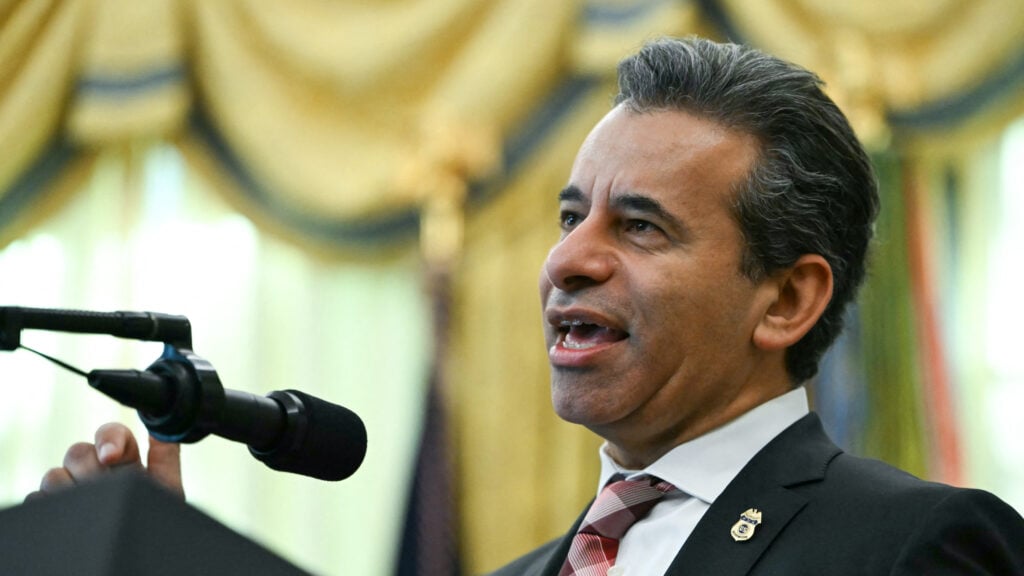
The FDA announced plans to ease regulation of digital health products, including AI-enabled clinical decision support software, to promote innovation and faster market entry, signaling a shift towards more Silicon Valley-style regulation in healthcare technology.
CES 2026 in Las Vegas will showcase advancements in AI, robotics, healthcare, and mobility, with a focus on humanoid robots, AI-powered health devices, and innovative energy solutions, reflecting the industry's push towards integrating AI into everyday life and addressing global challenges.
CES 2026 in Las Vegas will showcase advancements in AI, robotics, healthcare, and extended reality, with keynotes from industry leaders like Nvidia and AMD, highlighting innovations in humanoid robots, health tech, and sustainable energy solutions, reflecting the industry's focus on practical, human-centered applications.
Dr. Fred Mutisya, a Kenyan medical doctor and AI innovator, developed antimicro.ai, an open-source AI tool to analyze data on antimicrobial resistance (AMR). His work aims to improve antibiotic use and combat AMR, which poses a significant global health threat. While successful in Europe, the tool has yet to be adopted widely in Kenya, highlighting challenges in local healthcare innovation adoption.
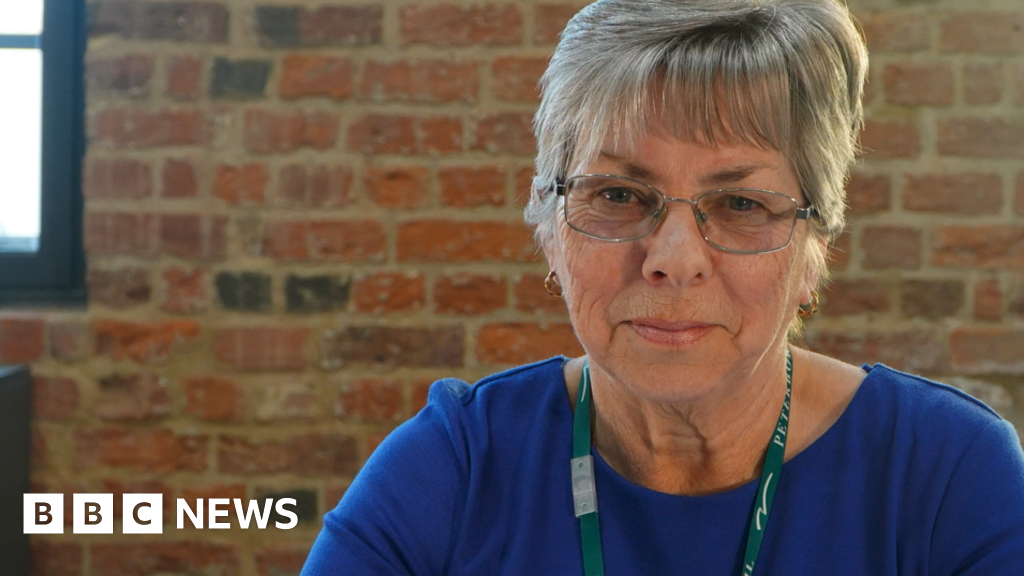
Peterborough City Council has developed an AI chatbot named Hey Geraldine, based on the knowledge of long-time employee Geraldine Jinks, to assist staff with social care questions, aiming to improve efficiency and patient discharge processes.
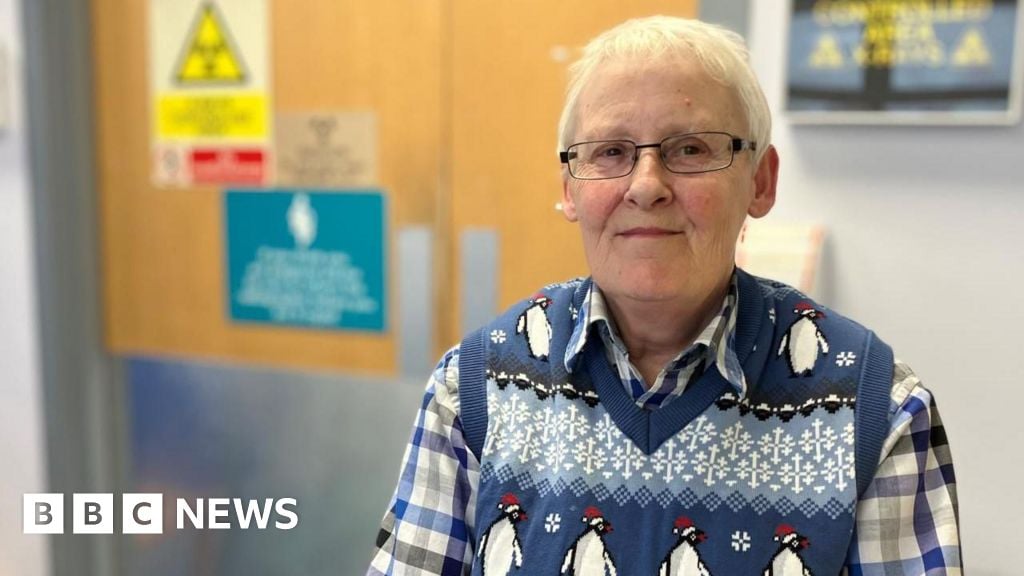
A new AI tool, Annalise.ai, used by the Royal Surrey NHS Foundation Trust, quickly diagnosed 69-year-old Dianne Covey with Stage 1 lung cancer after analyzing her chest X-ray. This technology prioritizes and enhances the accuracy of X-ray reviews, allowing for faster and more precise diagnoses. Covey, the first patient at the trust to benefit from this tool, expressed gratitude for the early detection, which has given her a positive prognosis and a second chance at life. The AI tool is being implemented across several NHS trusts in the Surrey, Sussex, and Frimley Imaging Network.
Strolll, a startup founded by Tom Finn, is developing augmented reality (AR) software to help Parkinson's patients overcome motor symptoms by projecting virtual cue lines on the ground. This technology, called Reality DTx, builds on the concept of external cueing, which uses visual prompts to engage unaffected neural pathways. With support from academics and clinical trials, Strolll aims to make rehabilitation more accessible and engaging through AR games, despite the high cost of the Magic Leap headset and subscription fees. The company envisions expanding its use to other neurological conditions by 2029.
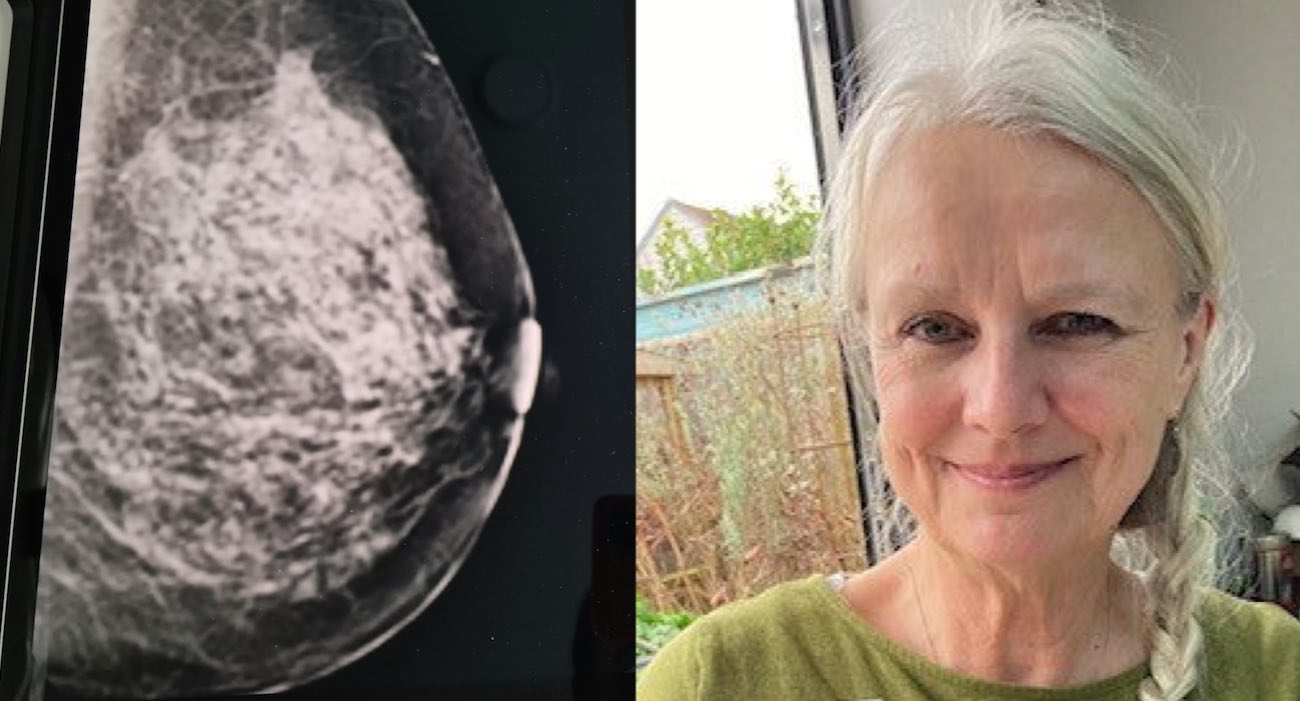
AI technology successfully detected early-stage breast cancer in Sheila Tooth, a 68-year-old woman, after her routine mammogram was initially deemed normal by radiologists. The AI system, part of a research project at University Hospitals Sussex, identified cancerous cells that were undetectable by human eyes, allowing for early intervention with minimal treatment. This project, involving over 12,000 mammograms, led to the detection of cancer in five women whose screenings were initially considered normal. The success of AI in this context highlights its potential to enhance cancer screening programs.
Scientists in Barcelona are developing a digital version of the human heart to enhance predictive and preventative medicine, potentially revolutionizing healthcare and advancing our comprehension of heart health. This ambitious project aims to leverage technology to improve medical understanding and treatment of heart-related conditions.
Generative AI is increasingly being integrated into healthcare by Big Tech firms and startups, with applications ranging from personalized patient intake experiences to medical database analysis and automated message triaging. While generative AI startups in healthcare have attracted significant investments, concerns persist regarding the technology's readiness for widespread use, its limitations in handling complex medical queries, and potential perpetuation of stereotypes. While some experts believe generative AI shows promise in specific areas such as medical imaging, others emphasize the need for rigorous science, patient-facing tools with clinician oversight, and comprehensive guidelines to address privacy, security, regulatory, and ethical considerations before widespread implementation in healthcare.
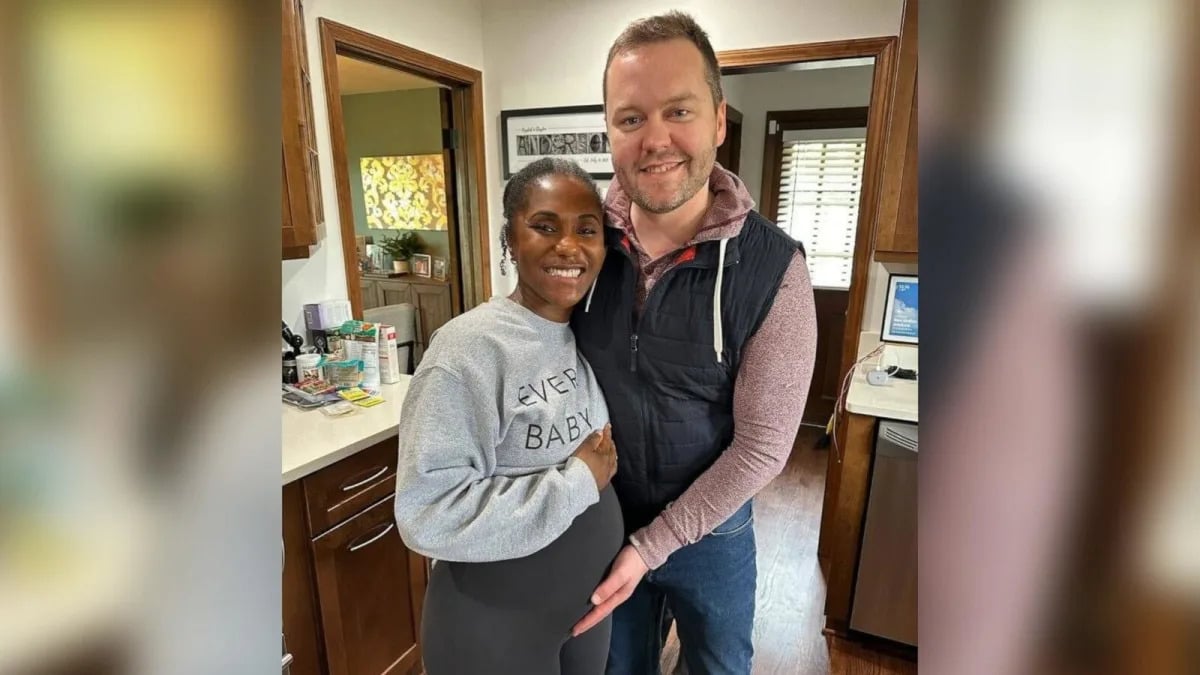
Former Kansas City Chiefs cheerleader Krystal Anderson and her husband Clayton Anderson experienced the tragic loss of their second child due to stillbirth, which was followed by Krystal's death from sepsis at 40 years old. Clayton is now speaking out about the loss, raising questions about maternal care, and advocating for improved outcomes for Black women in pregnancy. The couple's story sheds light on the disparities in maternal healthcare, particularly for women of color, and highlights the need for better support and awareness around stillbirth pregnancies.
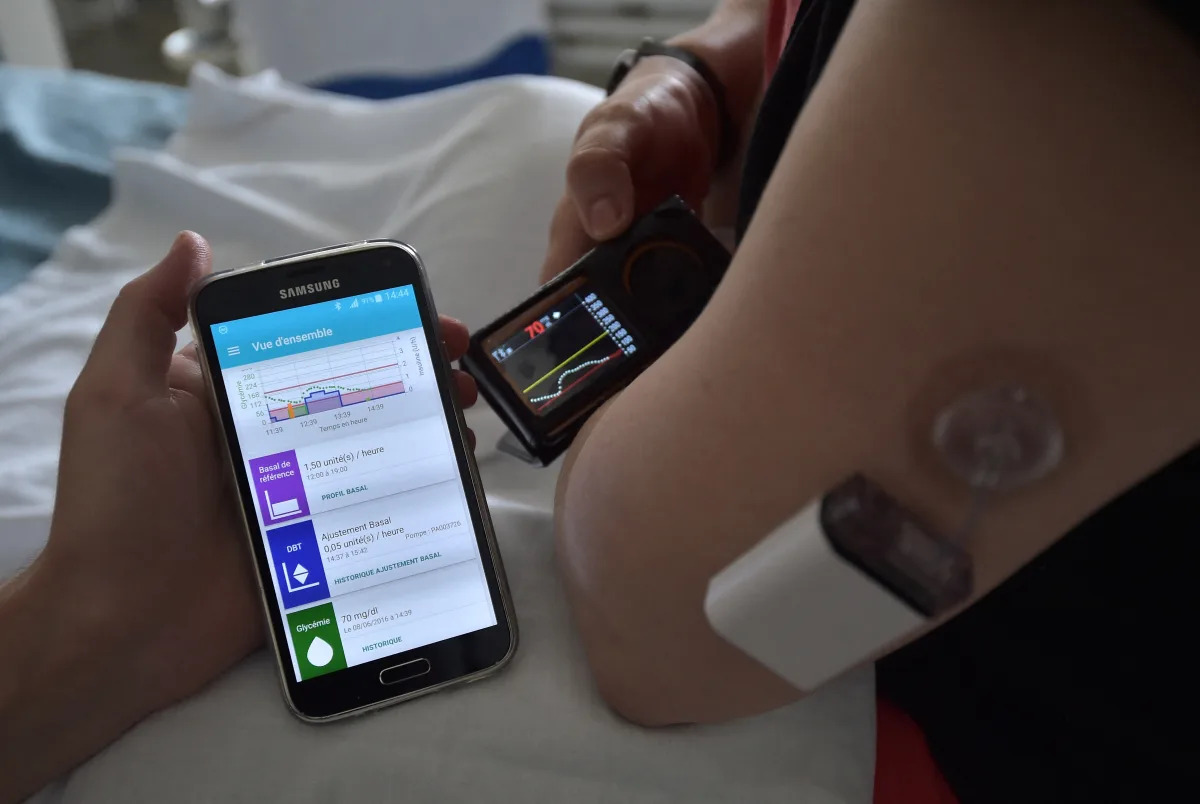
England's NHS will provide "tens of thousands" of type 1 diabetes patients with an "artificial pancreas" system, consisting of a sensor and an externally worn pump, to manage insulin levels without the need for finger sticks or injections. This move marks a significant shift as the publicly funded health care system will offer the technology for free, benefiting a large portion of the 269,095 people in England living with type 1 diabetes. The system requires some user input but can make a "life-changing difference" in managing the condition, according to Diabetes UK.
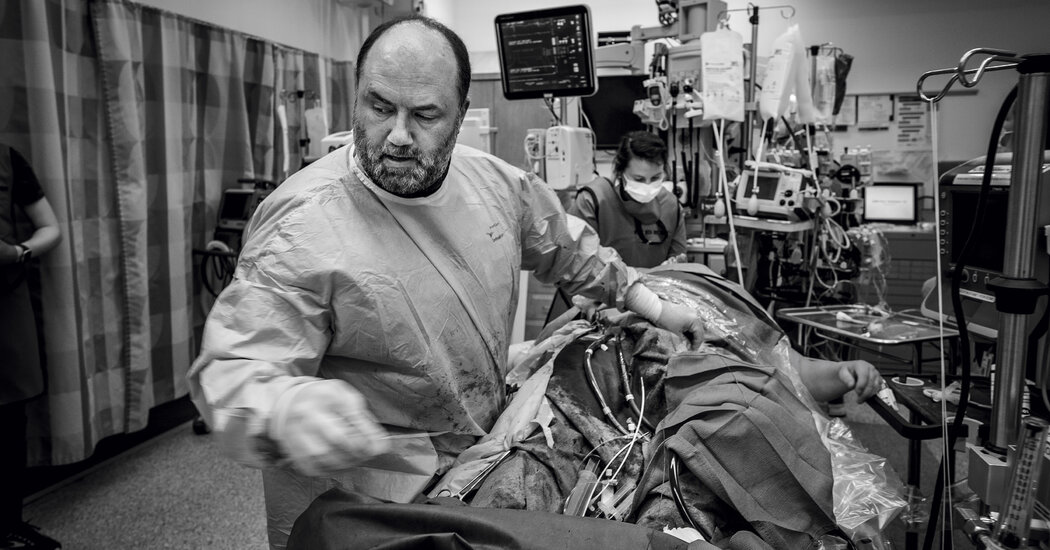
The article discusses the emergence of a high-tech approach called ECPR, which has the potential to restart more hearts and save more lives during cardiac arrests. It follows the story of a man who suffered a sudden cardiac arrest and the efforts of emergency responders to save him using CPR. Despite initial skepticism about the chances of survival, the article highlights the potential of ECPR and raises questions about why more hospitals are not embracing this innovative approach.