Caltabellotta, a mountain town in Sicily, is emerging as a new Blue Zone with residents exhibiting exceptional longevity, attributed to habits like low stress, a Mediterranean diet, strong social bonds, physical activity, and connection with nature. Adopting these lifestyle practices can promote healthier, longer lives.
Lifelong social housing in rats preserves memory and cognitive flexibility during aging by enhancing hippocampal activity and neural balance, highlighting social connection as a key factor in protecting brain health in old age.
A study shows that strong, sustained social connections throughout life can slow biological aging by reducing inflammation and resetting epigenetic clocks, highlighting the importance of social support for health and longevity.
Anthropologist Michael Gurven highlights lessons from traditional hunter-gatherer tribes, emphasizing the importance of social bonds, lifelong learning, moderate diet, and steady physical activity for longer, healthier lives, contrasting modern trends with these time-tested practices.
Research on prairie voles shows that oxytocin plays a crucial role in the quick formation and maintenance of selective social bonds, influencing who animals bond with and their social boundaries, highlighting oxytocin’s dual role in fostering affiliation and social selectivity.
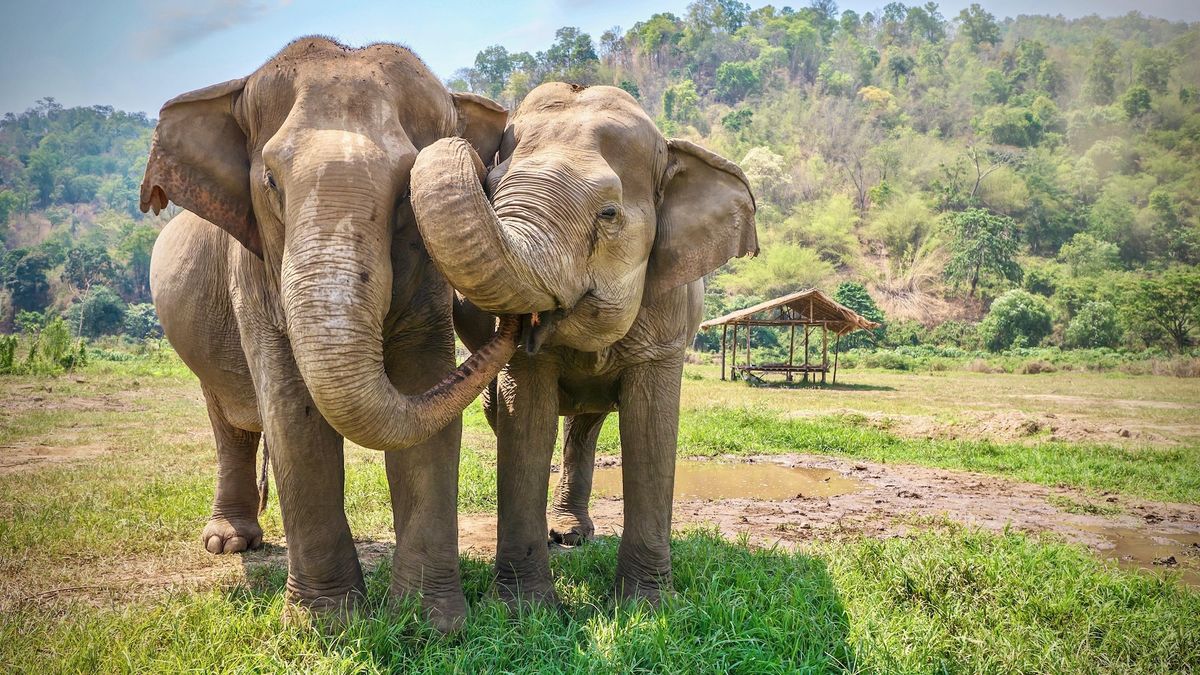
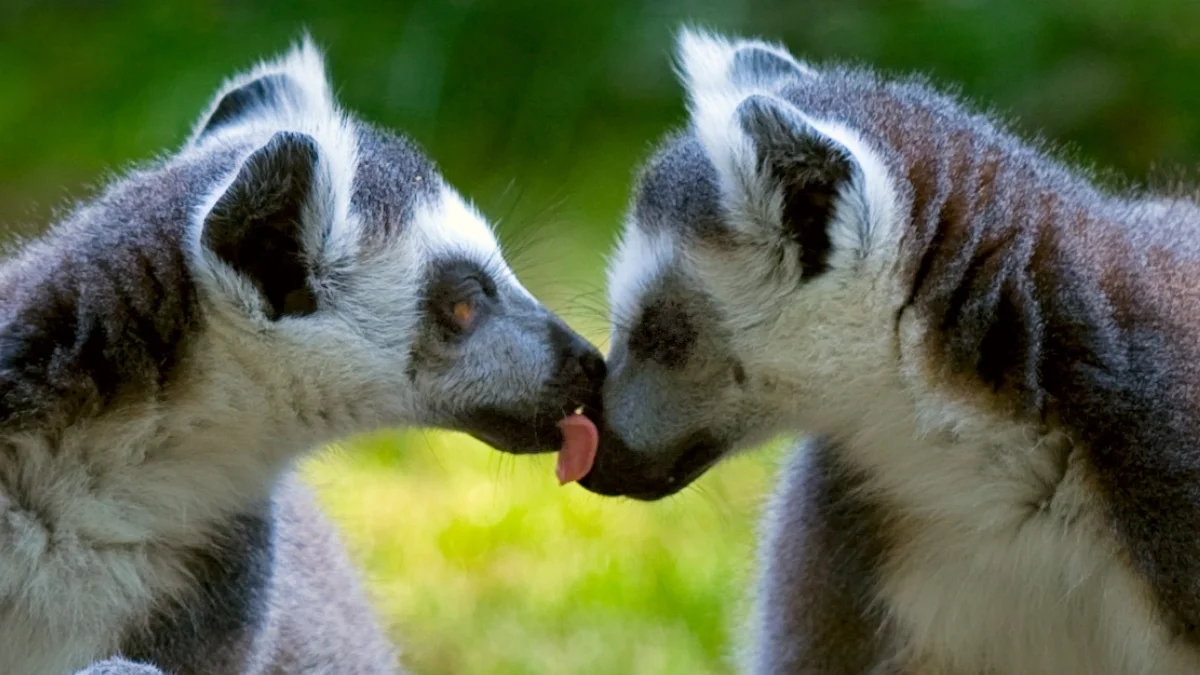
Animals can form friendships similar to humans, characterized by trust, intimacy, and mutual benefits. Studies show that social animals like elephants, dolphins, and primates exhibit behaviors indicating close bonds, such as grooming and specific greetings. These relationships can lead to longer lives and reduced stress. Interspecies friendships, like those between a badger and a coyote, also occur, suggesting that animal friendships may be more common than previously thought.
A study conducted by ecologists at the University of Nebraska–Lincoln found that golden-crowned sparrows tend to drift from their preferred overwintering spots when their closest flockmates fail to rejoin them. The research suggests that the sparrows' loyalty lies not just with a specific location and its resources, but also with the social bonds they form with familiar flockmates. The study also revealed that the loss of flockmates had a greater impact on sparrows returning for multiple consecutive winters, indicating the importance of long-term social relationships. The findings shed light on the complex interplay between resource availability and social cohesion in animal behavior.
Strong social bonds formed in adulthood can counteract the negative effects of adversity experienced early in life, according to a study of nearly 200 baboons in Kenya. Baboons who formed strong friendships were found to reclaim up to two years of life expectancy, despite experiencing early life challenges. Each additional hardship a baboon experienced in early life translated to 1.4 years of life lost, irrespective of the strength of their social bonds. The study provides a new perspective on the capacity for social bonds to ameliorate the long-term impacts of early life stress.