Tag

Ecological Research

All articles tagged with #ecological research

science-and-environment1 year ago

"Insights from Four Decades of Canned Salmon on Marine Food Webs"

Researchers have used canned salmon from the past to study the history of marine parasites in Alaskan waters. By dissecting preserved filets from 178 cans, they found that anisakid worm levels rose for chum and pink salmon from 1979 to 2021, while staying the same for coho and sockeye salmon. The presence of these parasites is seen as a signal of a healthy ecosystem, and their increase may indicate a stable or recovering ecosystem. The study suggests that old cans of fish could provide valuable historical data for understanding marine food webs and ecosystems.
science-and-technology1 year ago

"Exploring Animal Perspectives: Capturing the World Through Their Eyes"

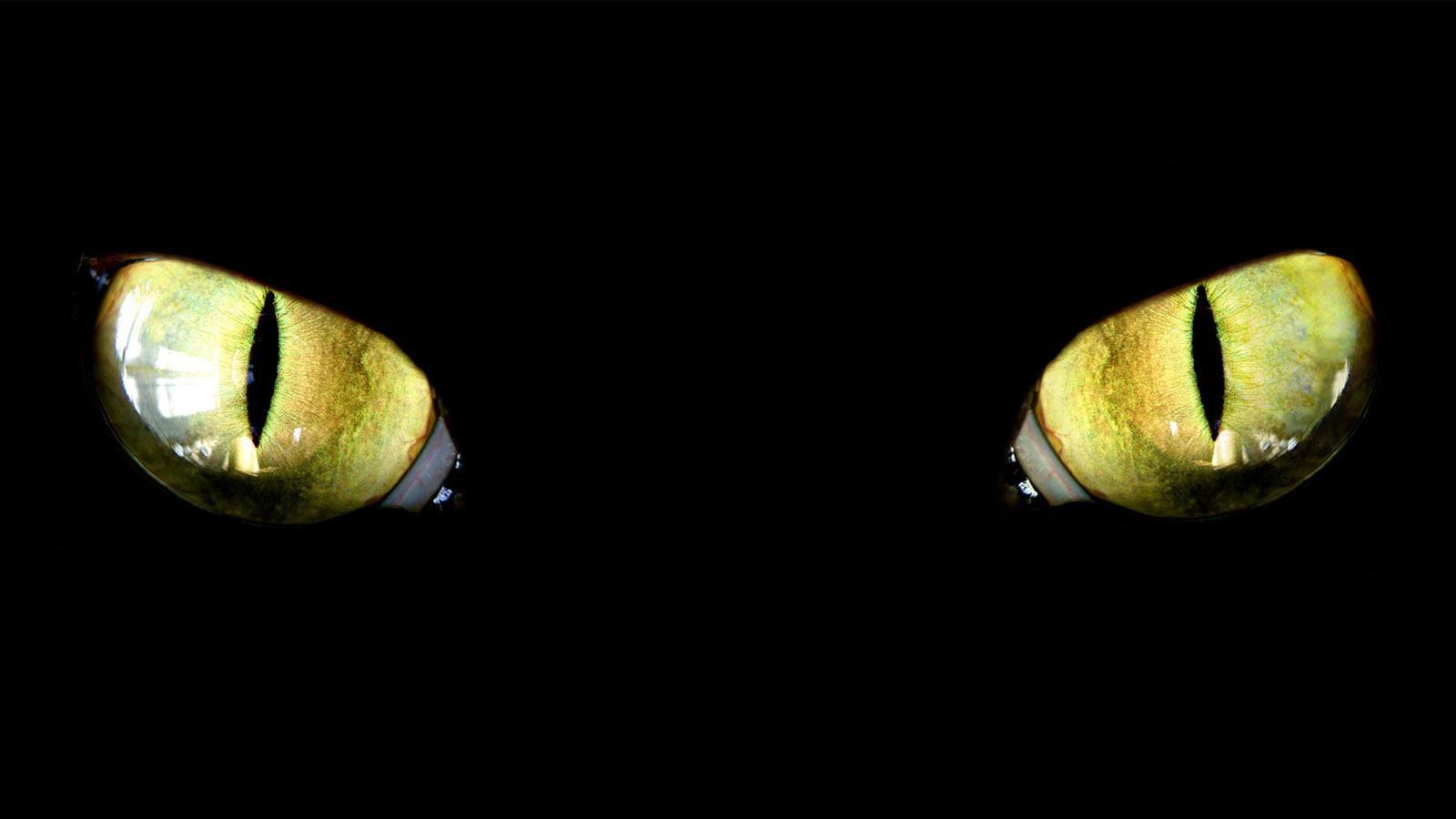
A new camera system developed by researchers can accurately recreate how animals perceive colors, allowing for the study of dynamic behavioral displays and the impact of natural illumination on color perception. The system, which includes hardware and open-source software, was found to predict perceived colors with over 92% accuracy compared to traditional spectrophotometry methods. Lead researcher Vera Vasas highlighted the surprising brightness of the sky in UV colors when filming birds, emphasizing the different visual experiences of animals compared to humans.

biology2 years ago

"Deadly Mating: Marsupials Turn Cannibal After 14-Hour Sex Sessions"

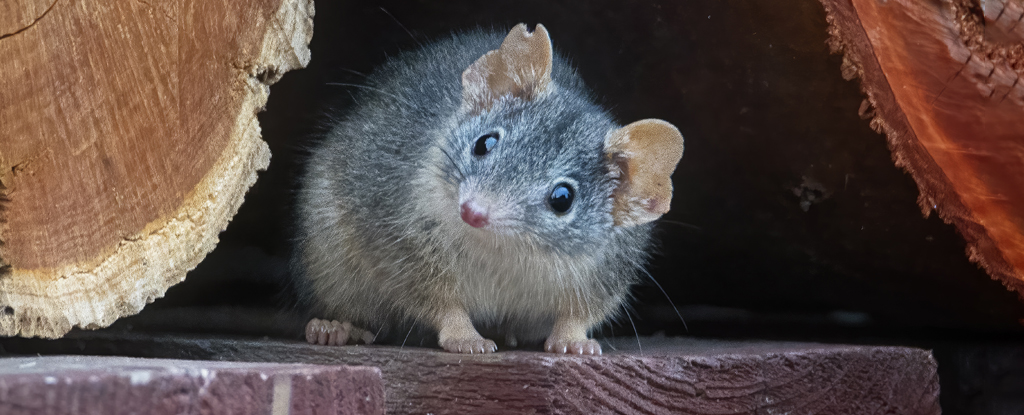
Researchers observed a mainland dusky antechinus, a native marsupial in Australia, engaging in cannibalism by eating a dead member of its own species. This behavior was linked to the intense mating period in August, which burns calories and leaves little invertebrate food available. The stress hormone cortisol and surging testosterone during mating cause male antechinuses to die after reproducing, leading to a potential surplus of carcasses for other antechinuses to feed on. This cannibalistic behavior may provide an energy boost for surviving individuals, shedding light on the complex mating and feeding dynamics of these small mammals in the Australian wilderness.

environment2 years ago

Surprising Biodiversity: Suburban Backyard Reveals Over 1,000 Species

Three researchers conducted a comprehensive biodiversity census of their suburban backyard in Brisbane, Australia, during the COVID-19 lockdowns and discovered over 1,150 unique species of animals, plants, and fungi, far surpassing initial predictions. The survey revealed a rich diversity of creatures, including moths, butterflies, spiders, reptiles, and birds. The researchers also identified three species not previously recorded in Australia's biodiversity database. The study highlights the potential for urban areas to support significant biodiversity and emphasizes the importance of maintaining low-maintenance gardens and eliminating pesticides to enhance ecological diversity in residential areas.

animal-behavior2 years ago

Lonely Sparrows Seek New Hangouts After Losing Companions

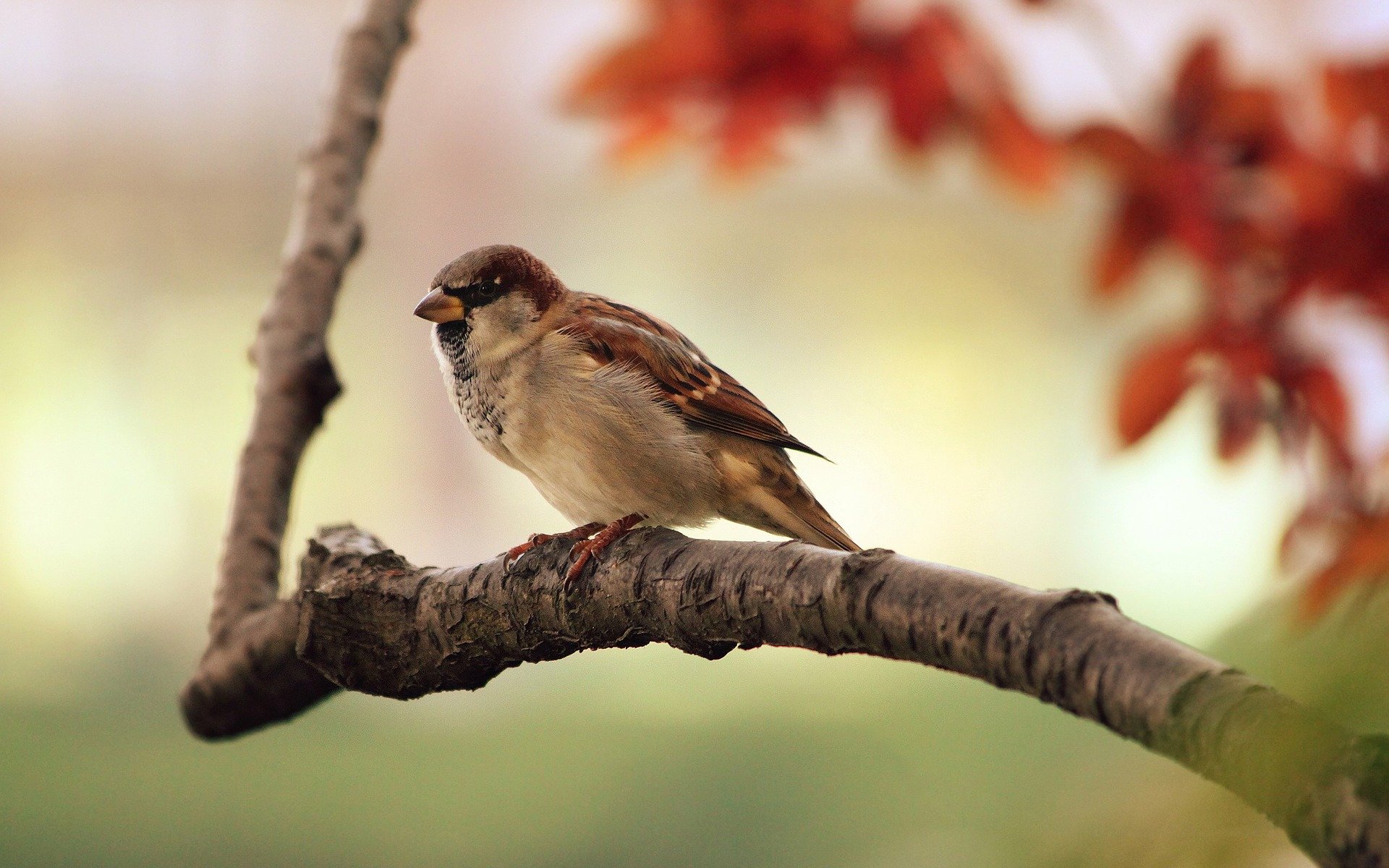
A study conducted by ecologists at the University of Nebraska–Lincoln found that golden-crowned sparrows tend to drift from their preferred overwintering spots when their closest flockmates fail to rejoin them. The research suggests that the sparrows' loyalty lies not just with a specific location and its resources, but also with the social bonds they form with familiar flockmates. The study also revealed that the loss of flockmates had a greater impact on sparrows returning for multiple consecutive winters, indicating the importance of long-term social relationships. The findings shed light on the complex interplay between resource availability and social cohesion in animal behavior.

science-and-technology2 years ago

"Groundbreaking Study: Airborne Animal DNA Extracted in Danish Forest"

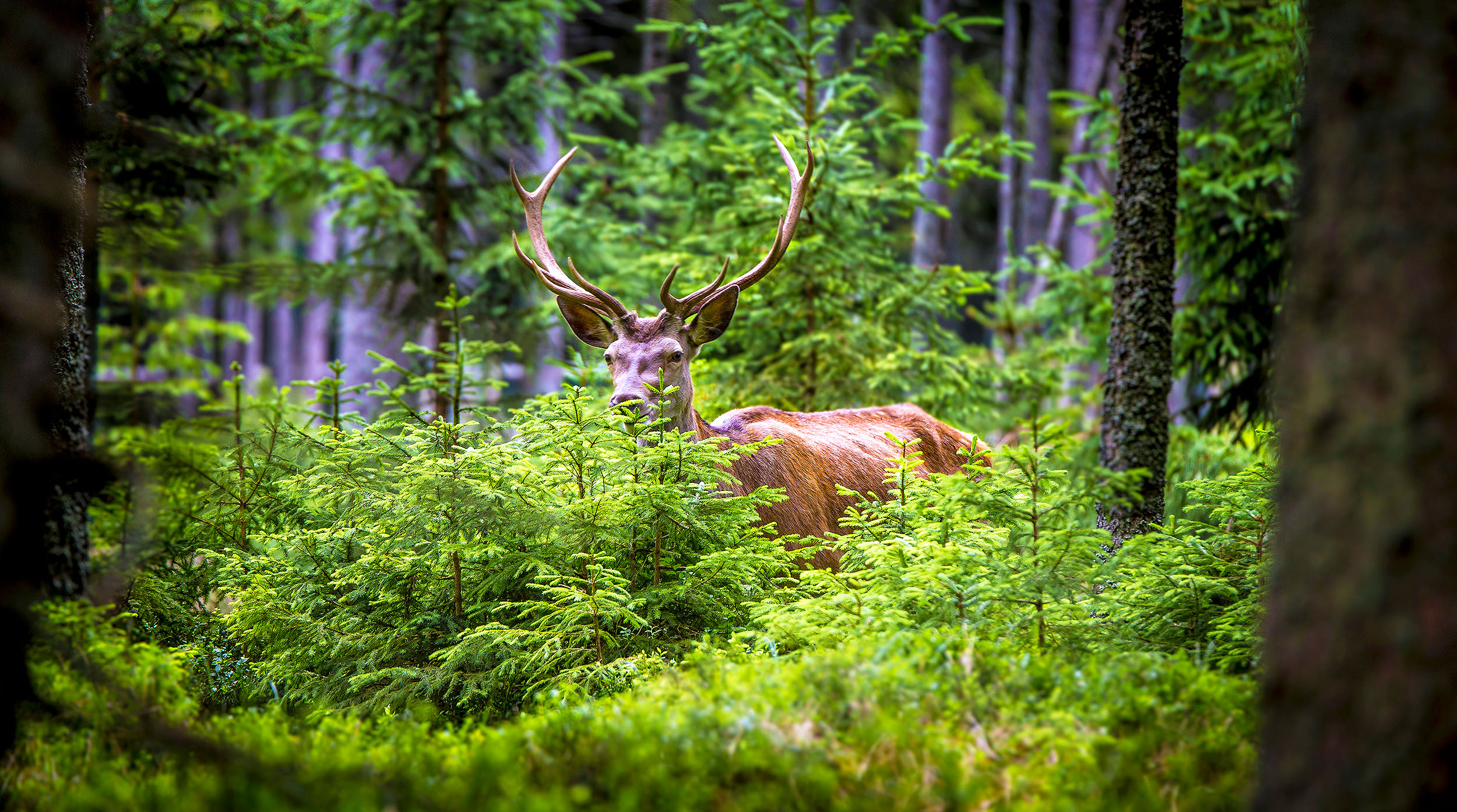
Scientists from the Globe Institute at the University of Copenhagen conducted an experiment in a Danish forest, using DNA air samplers to collect airborne particles and identify animal species. Over three days, they discovered DNA traces from 64 animal species, including domestic animals and terrestrial wild animals such as red deer, roe deer, and white-tailed eagles. The results show the potential of DNA air sampling as a valuable tool for biodiversity monitoring and understanding ecosystem changes. Despite limitations, this non-invasive technique could aid in disease surveillance and forensic investigations, and represents an exciting frontier in biological and ecological research.