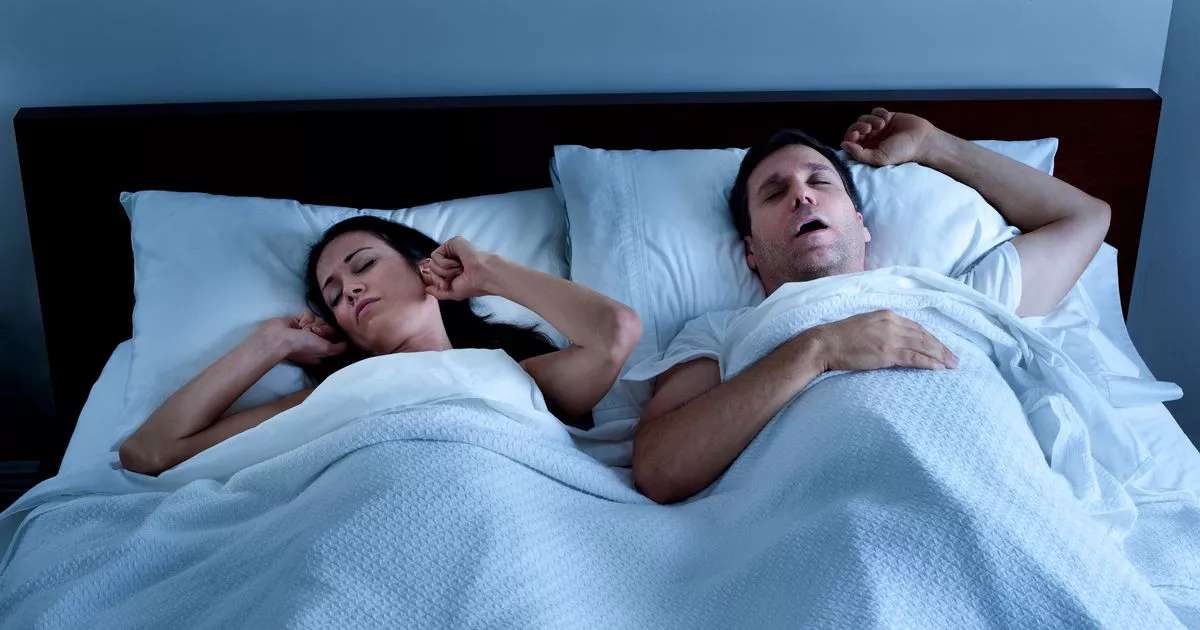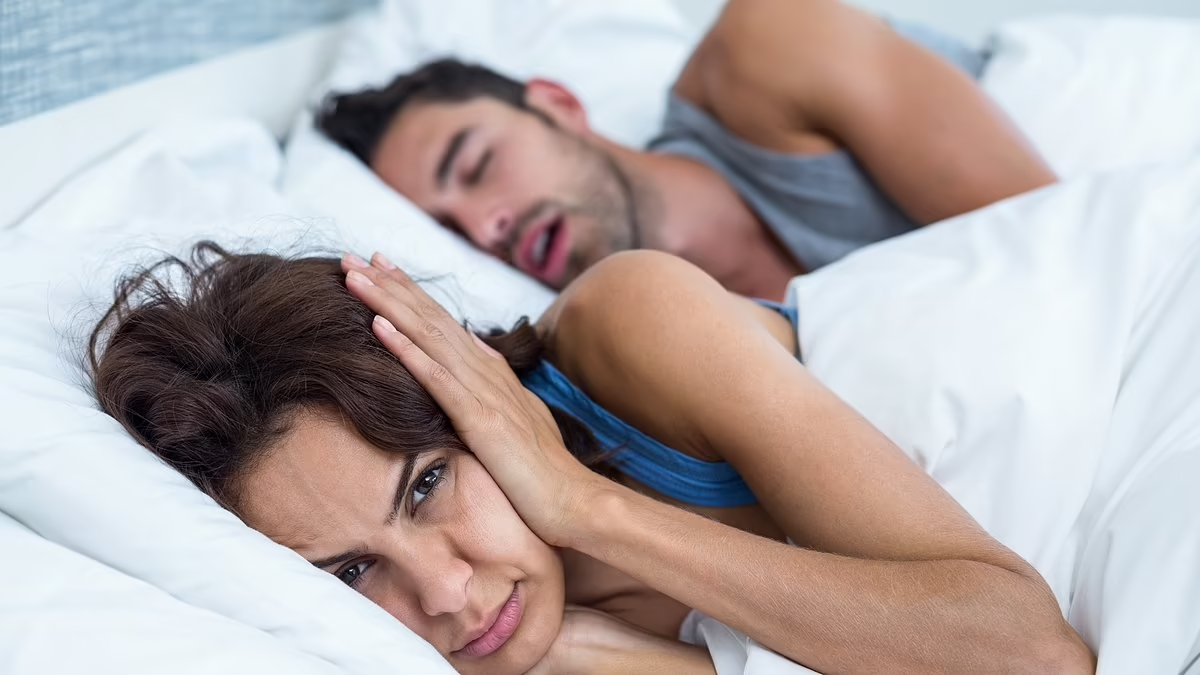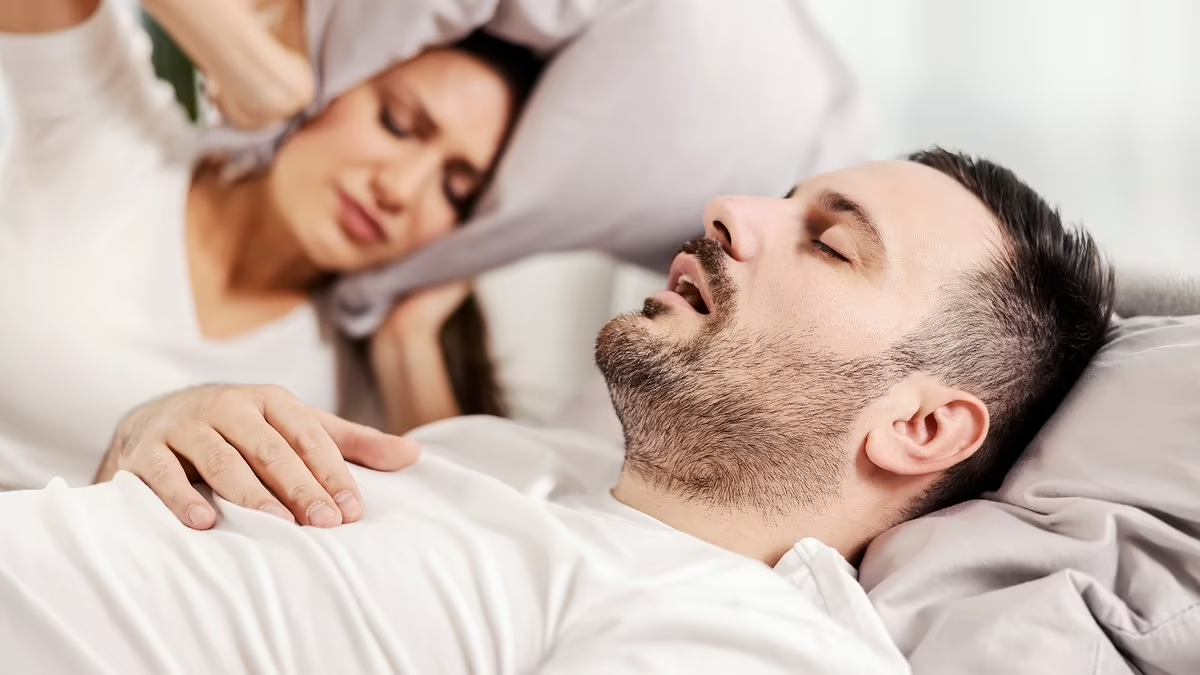
Jenny McCarthy revealed on 'Live with Kelly and Mark' that she faces bedroom challenges with her husband Donnie Wahlberg due to snoring, which she manages with headphones and pillow walls, but she still considers their marriage perfect and loving.
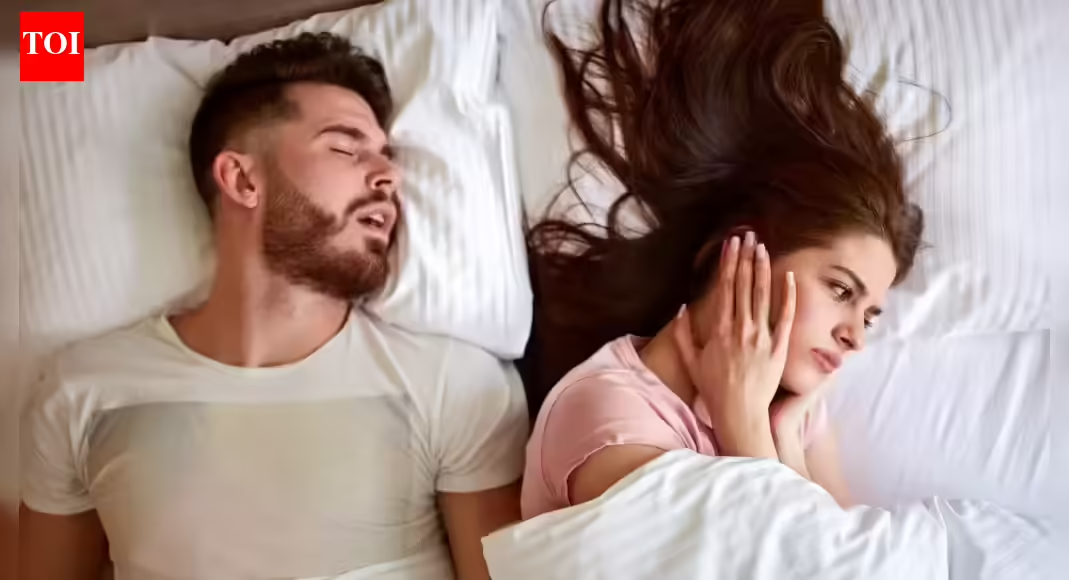
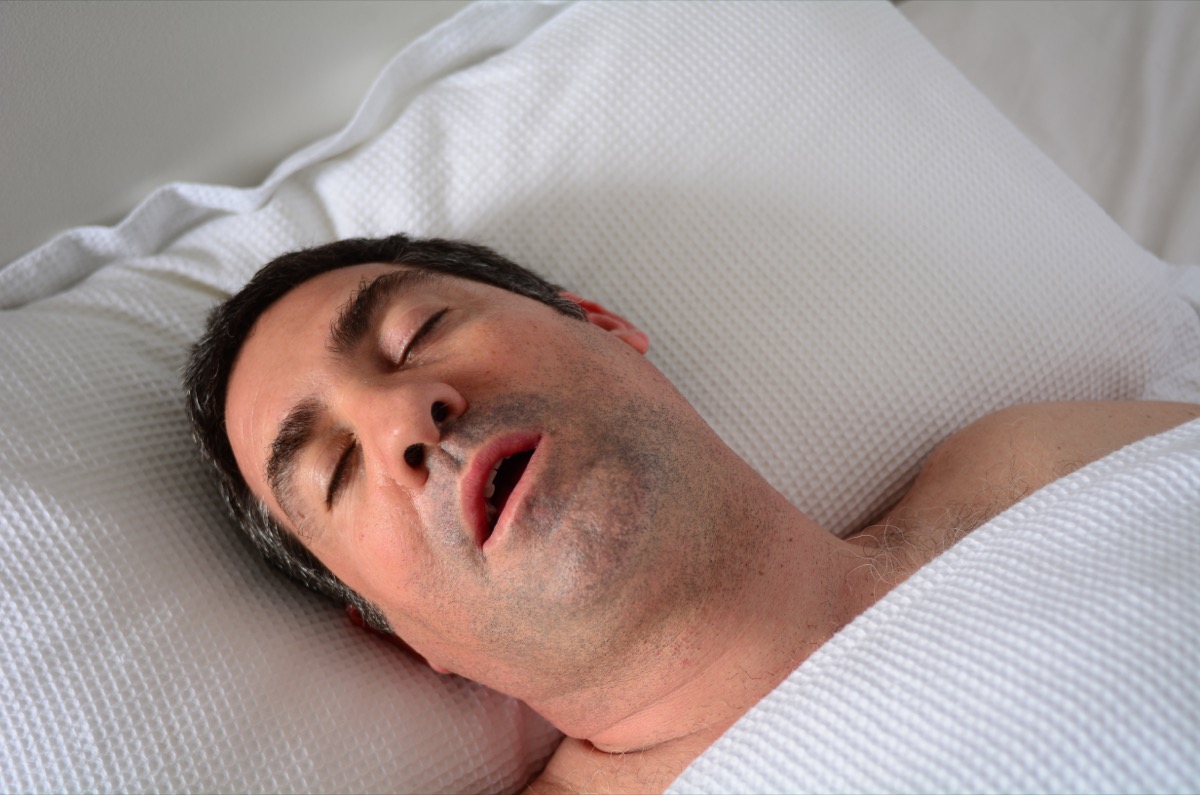
Chronic snoring can be a warning sign of Obstructive Sleep Apnea (OSA), a condition linked to serious health risks like high blood pressure, stroke, and heart failure. Recognizing symptoms such as loud snoring, breathing pauses, daytime fatigue, and morning headaches is crucial for early diagnosis and intervention, which can significantly reduce long-term health complications.
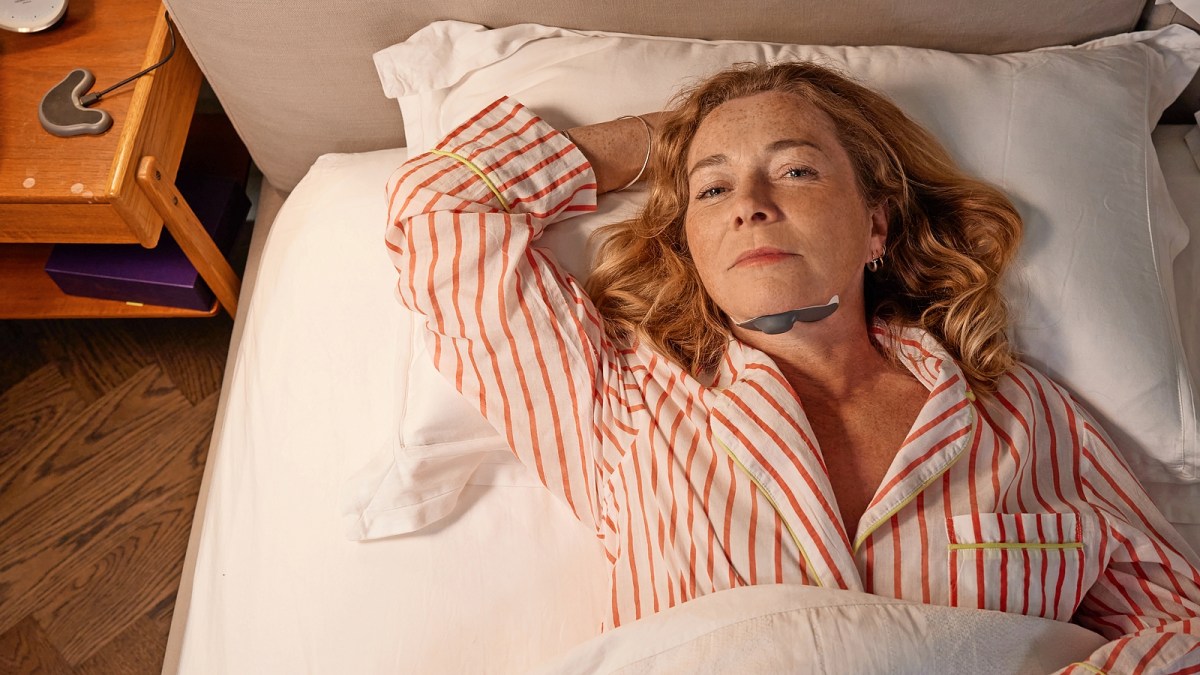
A woman explores a new wearable device called Zeus, designed to reduce snoring by electrically stimulating throat muscles, after recording her own loud snoring habits. While initial trials show promise, her personal experience with the device was mixed, but it may help some users with snoring or mild sleep apnea, offering a less intrusive alternative to traditional treatments.
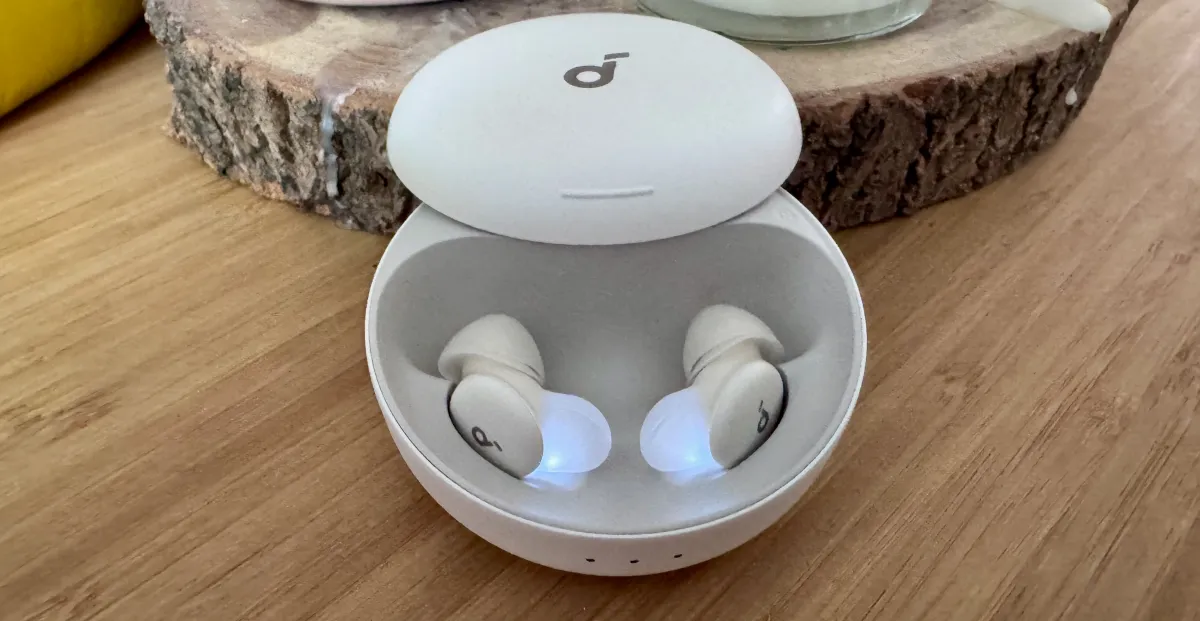
Anker's Soundcore Sleep A30 sleep buds feature active noise cancellation and adaptive masking to reduce snoring noise, with improvements in size and comfort for side sleepers. While effective at blocking light to moderate snoring, they have some drawbacks like limited battery life when streaming, unreliable touch controls, and no wireless charging. The buds also include sleep tracking and soundscape features, but their accuracy and usefulness vary. Overall, they are a significant upgrade for those needing snore masking and comfort during sleep, especially for side sleepers, but come at a higher price and with some functional compromises.
Chronic snoring, especially when associated with sleep apnea, can significantly increase the risk of heart disease and other cardiovascular issues. Recognizing symptoms and seeking treatment, such as a sleep study or using a CPAP device, can help mitigate these risks and improve overall heart health.
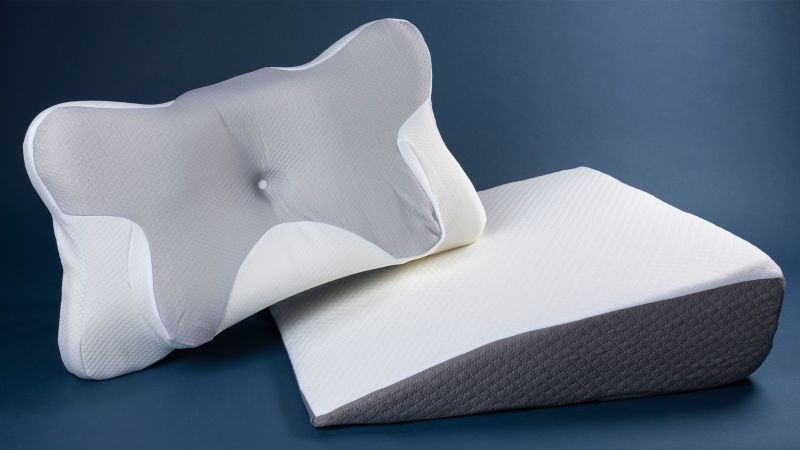
The article reviews the 11 best anti-snore pillows recommended by sleep experts, highlighting their features such as support for proper head and neck alignment, materials like memory foam and latex, and technological enhancements like sensors and adjustable firmness, all aimed at reducing snoring and improving sleep quality.
Snoring can be a sign of sleep apnea, which poses serious health risks like heart disease and brain degeneration. It can also cause dental issues and disturb others' sleep. Treatment options range from lifestyle changes to medical devices, and it's important to seek medical advice if snoring is frequent or accompanied by daytime fatigue.
Mouth tape is a specially designed tape used to keep the mouth closed during sleep to promote nasal breathing, which may improve sleep quality, reduce snoring, and benefit oral health. While generally safe for those without airway issues, consulting a healthcare professional is recommended for persistent problems.
A study involving 400,000 participants suggests that eating cheese before bed may reduce the risk of snoring and sleep apnoea by nearly a third. Researchers found that cheese can lower blood pressure and increase testosterone, which helps reduce snoring. This challenges the common belief that dairy products should be avoided before sleep due to potential mucus production. The findings highlight the importance of diet in managing sleep disorders like obstructive sleep apnoea, which affects millions globally.
A major study involving 400,000 people in the UK has found that regular cheese consumption is linked to a 28% lower risk of developing sleep apnoea, a condition often associated with severe snoring. Contrary to previous advice to avoid dairy before bed, researchers suggest that cheese may actually help reduce the risk of sleep apnoea by increasing testosterone levels and lowering blood pressure. This finding highlights the potential importance of diet in managing sleep disorders.
Mouth taping, a trend popularized on social media, involves sealing the mouth with tape to promote nose breathing during sleep, potentially reducing snoring and mild sleep apnea. Preliminary studies show some benefits, but experts caution that more research is needed to confirm its effectiveness and safety. It is considered low-risk for most people, but those with nasal breathing issues should consult a doctor before trying it. Mouth taping should not replace established treatments like CPAP for sleep apnea, and medical advice is recommended to avoid masking underlying health problems.
Gypsy Rose Blanchard and her estranged husband, Ryan Anderson, reportedly split over arguments about his food hoarding and snoring habits, with Blanchard feeling particularly bothered by the state of their shared fridge. The couple also fought about Anderson's snoring and sleeping habits. Blanchard has since filed for divorce and requested a restraining order against Anderson, and has been seen with her ex-fiancé, Ken Urker, following the separation.
During "Live with Kelly and Mark," Kelly Ripa teased her husband, Mark Consuelos, for keeping her awake all night with his snoring. Consuelos playfully flexed his biceps in response, leading to a lighthearted exchange between the couple. They have previously discussed their sleeping habits on the show, with Consuelos also mentioning Ripa's early morning workouts as disruptive. The couple, married for nearly 28 years, often humorously shares personal anecdotes on their hit talk show.
A sleep expert recommends a 30-second tongue exercise to help reduce snoring, which can worsen in the winter due to various factors. The exercise involves moving the tongue in different directions and is said to show results after three nights. Other suggestions for reducing snoring include using anti-allergy pillows, avoiding dairy, sleeping on your side, taking a hot shower before bed, and abstaining from alcohol. Snoring can be a symptom of sleep apnea, a disorder affecting millions of adults and linked to various health issues.
Experts warn that snoring, even mild cases, can lead to lasting health issues such as heart disease and diabetes, as well as disrupt deep sleep and increase the risk of Alzheimer's disease and cancer. Tips to reduce snoring include reducing alcohol intake, sleeping on your side, maintaining a healthy weight, taking a hot shower or bath, and propping up extra pillows. Various hacks people have tried to stop snoring include using extra pillows, nasal strips, avoiding alcohol, and trying throat exercises.