Vaping is considered safer than smoking due to the absence of combustion, but it remains addictive and challenging to quit, especially for young people. While evidence supports vaping as a less harmful alternative, many users struggle to stop due to behavioral and psychological factors, with various support strategies like gradual reduction, professional help, and behavioral therapies showing promise. Public misconceptions about vaping's risks persist, complicating efforts to reduce its use, particularly among youth.
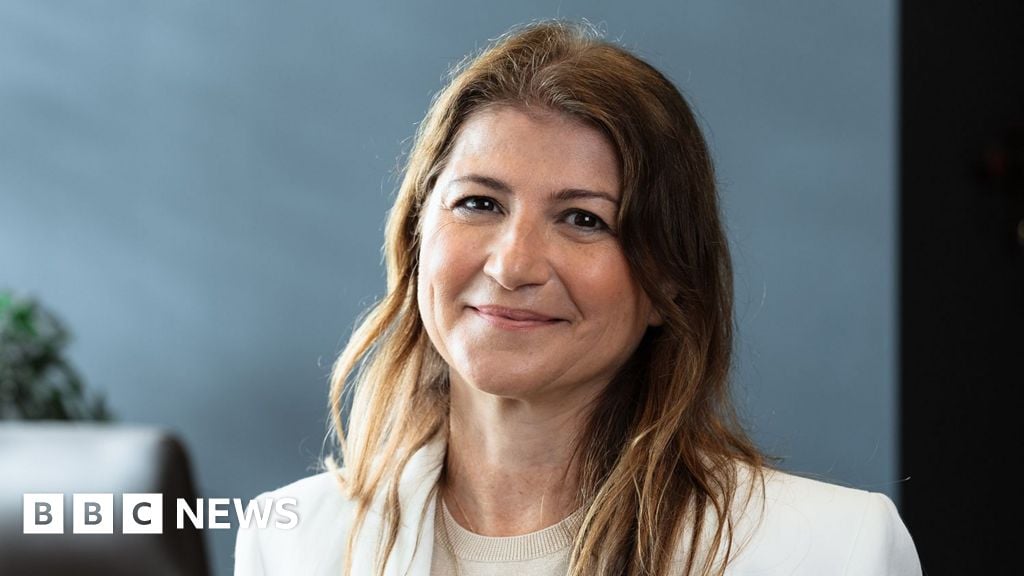
The managing director of BAT UK advocates for allowing strict advertising of vapes targeted at adults to help smokers switch, despite current UK restrictions and health concerns about youth vaping; she emphasizes regulation, education, and enforcement to support the UK's goal of a smoke-free generation by 2030.
The article discusses how misconceptions that nicotine causes cancer are hindering public health efforts, emphasizing that the harm from smoking comes from combustion, not nicotine itself. It highlights the potential benefits of smoke-free nicotine products like e-cigarettes and patches for quitting smoking, and stresses the importance of accurate public education to correct false beliefs and promote harm reduction. The piece also warns against the commercialization of nicotine as a wellness product and the need for nuanced understanding of nicotine's risks and benefits.
A study funded by NIH found that adults who quit smoking are more likely to recover from other substance use disorders, highlighting the importance of integrating smoking cessation into addiction treatment programs.
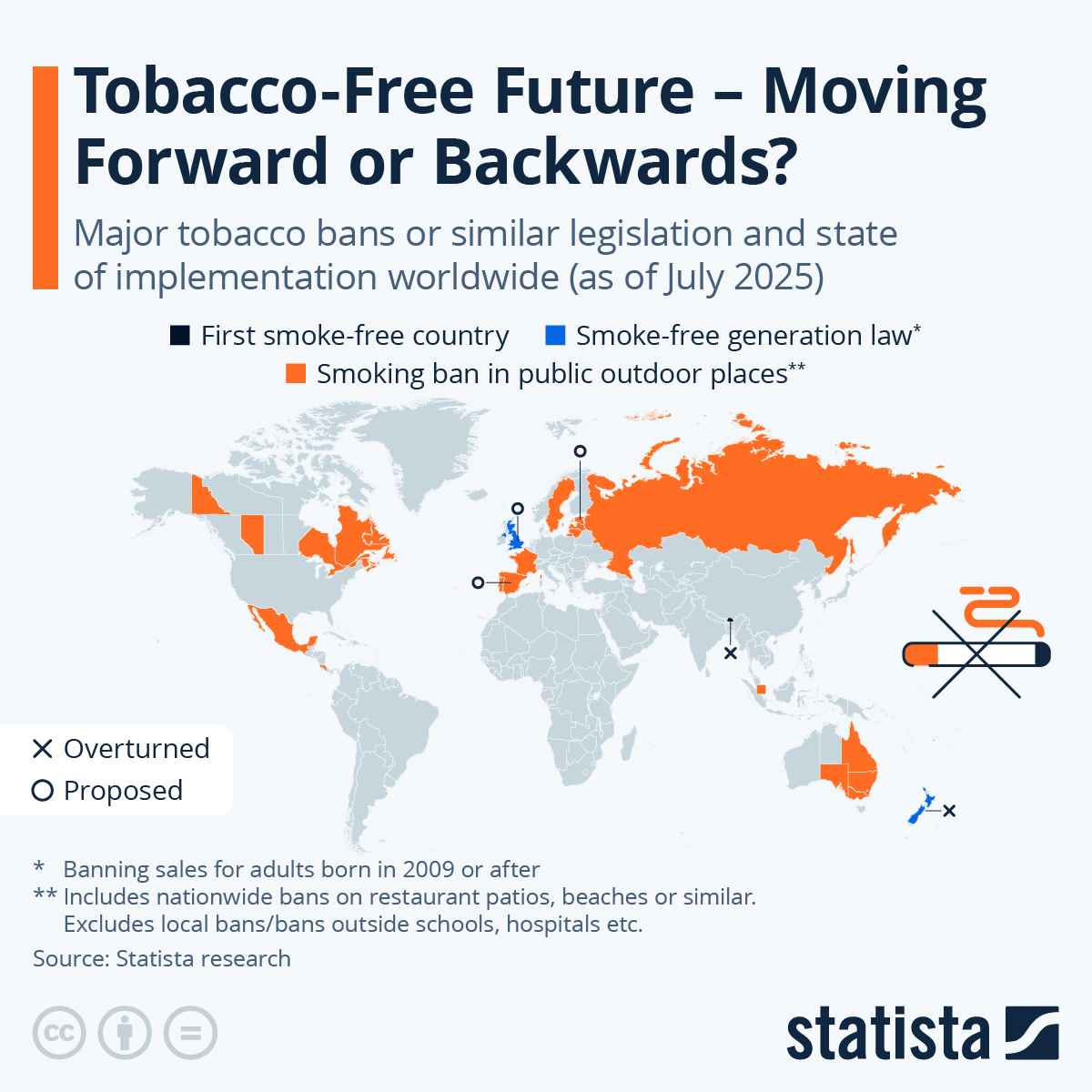
The article discusses the global efforts and challenges in moving towards a tobacco-free future, highlighting various country initiatives like France's outdoor smoking ban, Bhutan's historic tobacco prohibition, New Zealand's attempted phase-out, and ongoing debates about the effectiveness and economic impact of such measures, alongside WHO's report on declining global smoking rates.
To reduce the risk of kidney cancer, maintain a healthy lifestyle by quitting smoking, staying active, controlling blood sugar and blood pressure, staying well hydrated, avoiding toxic chemicals, and monitoring symptoms and kidney health through regular checkups.
Barbara Rodriguez, a 53-year-old woman from Virginia, felt "blessed" after being diagnosed with stage two lung cancer following a decision to quit smoking while reading the Bible. Despite the challenging treatment, including surgery and chemotherapy, she expressed gratitude for the early detection and successful removal of the cancer, which was caused by a mutation rather than smoking. Now cancer-free, Barbara emphasizes the importance of early cancer screenings and maintains a positive outlook, feeling grateful for her life and health.
Shahrukh Khan, on his 59th birthday, announced he has quit smoking, a decision that not only benefits his health but also boosts his brand value. This move has inspired many fans to consider quitting smoking and has opened up new endorsement opportunities with international brands that previously avoided partnerships due to his smoking habit. SRK's decision is expected to bring significant financial gains as brands now seek to associate with his healthier image.
The FDA has authorized the first menthol-flavored e-cigarettes from NJOY, suggesting that vaping flavors could help reduce the harms of traditional tobacco smoking. This decision supports vaping companies' claims that their products can aid adult smokers, though it is likely to disappoint parent groups and anti-tobacco advocates concerned about the appeal of menthol flavors to teens.
To reduce cancer risk, adopt lifestyle changes such as eating more fiber, consuming fish rich in omega-3, using sun protection, cutting down on alcohol, reducing processed meat intake, prioritizing sleep, eating antioxidant-rich berries, quitting smoking, and practicing safe sex. These measures can significantly lower the chances of developing cancer, which is influenced by environmental, lifestyle, and genetic factors.
New research suggests that vaping may help people quit smoking, with a study showing that a higher percentage of e-cigarette users stopped smoking compared to traditional smokers. The shift in quitting patterns has been observed since 2016, with speculation that the effectiveness of e-cigarettes in delivering nicotine could be a contributing factor. While some experts see vaping as a step in the right direction, others caution against it, emphasizing that quitting nicotine use entirely is the healthiest option. The FDA also warns about the health risks associated with vaping, especially among young people.
A meta-analysis of four national cohort studies found that smoking cessation before age 40 can reduce overall mortality by 90% compared to those who continue smoking. The study, which followed 1.48 million adults for 15 years, revealed that quitting before 40 brings overall mortality back to nonsmoker levels within three years, with the benefit increasing with longer cessation periods. Even older smokers can experience tangible benefits from quitting, with a minimum of three years of cessation sufficient to gain years of life. The findings underscore the importance of encouraging smokers to quit, emphasizing that it's never too late to benefit from smoking cessation.
A study suggests that fewer smokers in England now perceive vaping as less harmful than cigarettes, despite evidence showing that tobacco is far worse for health and that e-cigarettes can aid in smoking cessation. The survey data from over 28,000 current smokers between 2014 and 2023 revealed a shift in perceptions, with 57% now believing that vaping is just as harmful as smoking or even more so. Experts are concerned about the potential health risks associated with this misperception, as it may discourage smokers from switching to e-cigarettes and even lead some young people to take up smoking. Better communication about the health risks of vaping is needed to help smokers make informed choices about nicotine products.
The CDC has launched the 2024 version of its national tobacco education campaign to help people quit smoking, with a focus on menthol cigarettes. The campaign features real stories of former smokers and provides free resources to assist with quitting. Smoking remains the leading cause of preventable disease and death in the U.S., and menthol cigarettes carry a higher health risk. The CDC recommends developing a personal plan to quit, avoiding triggers, finding distractions, and seeking medication and counseling support.
A study by University of Toronto researchers at Unity Health Toronto shows that quitting smoking at any age brings significant health benefits, with smokers who quit before age 40 expected to live almost as long as those who never smoked. The study, which followed 1.5 million adults in four countries over 15 years, found that quitting smoking reduces the risk of dying from vascular disease and cancer, with former smokers also experiencing longer survival and reduced risk of death from respiratory disease. The findings emphasize the urgent need for government support in tobacco control efforts, including raising taxes on cigarettes and improving cessation supports to help reduce smoking rates and improve public health.