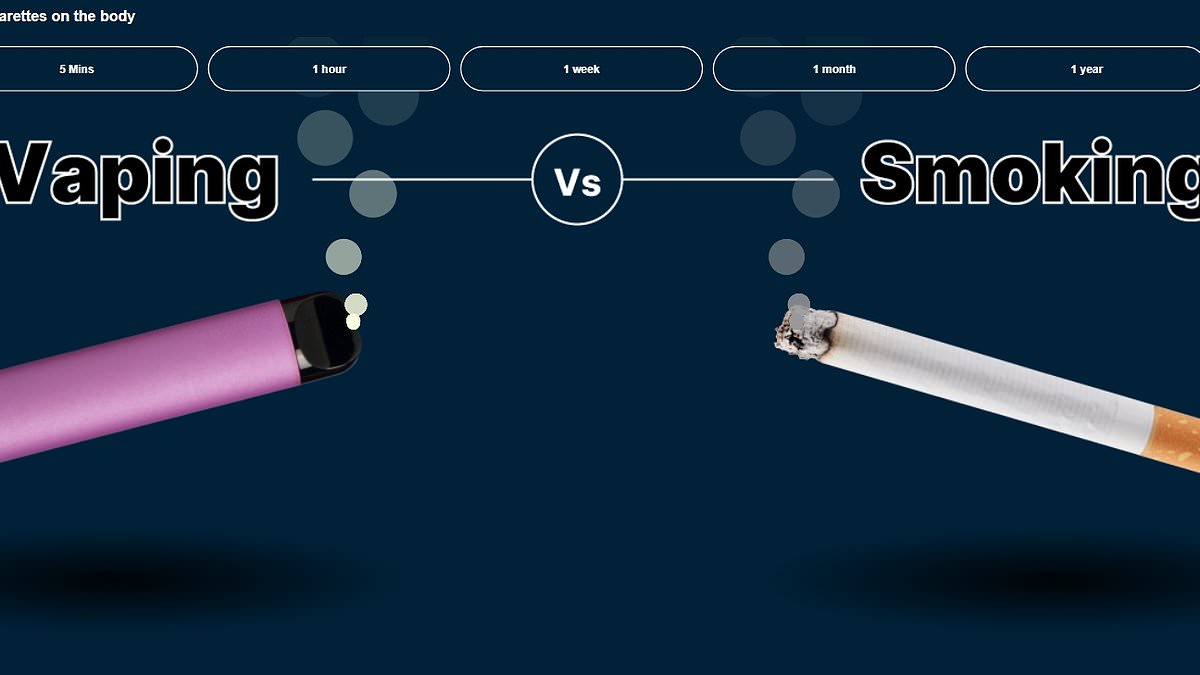
Vaping is considered safer than smoking due to the absence of combustion, but it remains addictive and challenging to quit, especially for young people. While evidence supports vaping as a less harmful alternative, many users struggle to stop due to behavioral and psychological factors, with various support strategies like gradual reduction, professional help, and behavioral therapies showing promise. Public misconceptions about vaping's risks persist, complicating efforts to reduce its use, particularly among youth.
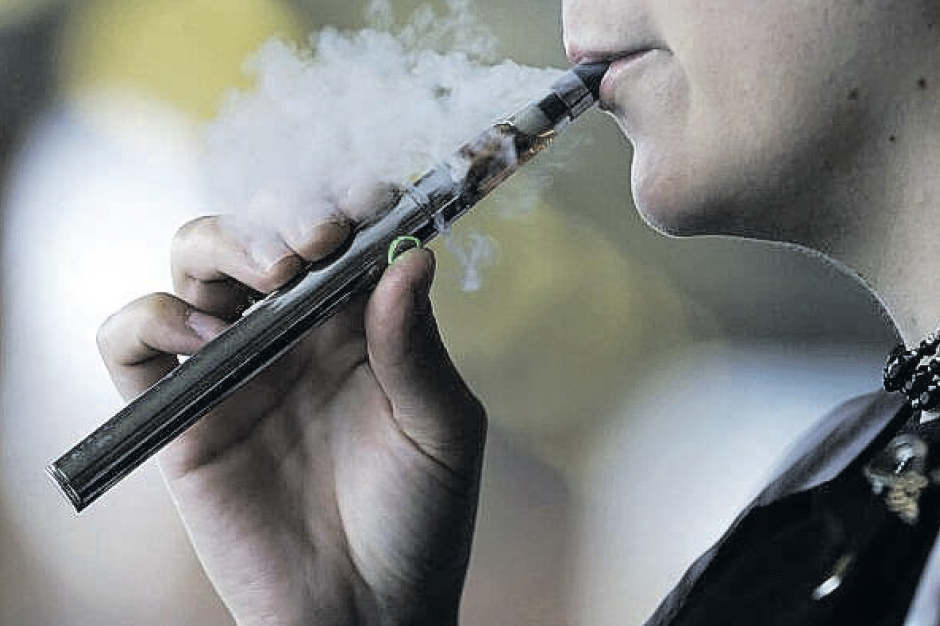
Doctors are warning about the dangers of vaping, stating that it may be even more harmful than smoking cigarettes and has become a major attraction for teens and adolescents, leading to nicotine addiction and exposure to harmful substances. The sale of electronic nicotine delivery systems (ENDS) has been banned in several countries, and there are calls for similar action in Trinidad and Tobago. Concerns include the impact on young people's health, addictive behaviors, and financial costs. Additionally, evidence suggests that vaping can damage the respiratory and cardiovascular systems, and the presence of carcinogens and psychoactive substances in e-cigarettes raises further health concerns.
Vaping, once considered a safer alternative to smoking, is now under scrutiny as studies reveal potential health risks, including cell changes linked to cancer, toxic metal exposure, respiratory inflammation, and cardiovascular effects. Concerns are heightened by the increasing popularity of vaping among teens and children, leading to hospitalizations and prompting legislation to restrict availability and curb underage usage. Despite being touted as a smoking cessation aid, the addictive nature of nicotine in vapes has led to a booming industry with potential long-term health consequences yet to be fully understood.
Quitting smoking is challenging due to the highly addictive nature of nicotine, which creates both psychological and physiological dependence. Expert-recommended tips for quitting include a combination of pharmaceutical intervention and psychotherapy, making a plan, avoiding e-cigarettes, and seeking support. While relapse is common, persistence and utilizing proven tools can increase the likelihood of successfully quitting smoking.
The UK government plans to ban the sale of disposable vapes and restrict flavored e-cigarettes to combat rising youth vaping rates, with a focus on preventing nicotine addiction in children. The ban aims to address concerns about the long-term health impacts of vaping and the addictive nature of nicotine. While some experts support the move, others caution that it could inadvertently lead people back to smoking. Additionally, the government intends to gradually raise the minimum age to buy cigarettes, with the goal of reducing smoking rates in the UK.
The appearance of vaping devices has undergone a significant shift, with today's popular e-cigarettes featuring bright colors and playful designs that appeal to the Gen Z aesthetic. Experts are concerned that the attractive and toy-like appearance of these devices may increase their appeal to young people, who are particularly vulnerable to nicotine addiction. Combined with candy and fruit flavors, the packaging and design of these vapes could potentially steer young people towards e-cigarette use, risking immediate and long-term lung damage. The concern is that the visually appealing nature of these devices may act as a gateway to nicotine addiction among young users.
According to the 2023 National Youth Tobacco Survey, 10% of middle and high school students in the United States reported current tobacco product use, with e-cigarettes remaining the most commonly used tobacco product among youths. However, there was a decline in current e-cigarette use among high school students from 14.1% to 10.0% between 2022 and 2023. Among students who currently use e-cigarettes, 25.2% use them daily, and 89.4% use flavored e-cigarettes. Sustained efforts in implementing evidence-based tobacco control strategies and effective youth interventions are crucial in reducing youth tobacco product use.
A new study published in Nature Communications has found that gray matter volume in the brain is linked to a desire to smoke during adolescence and affects the strength of nicotine addiction. Researchers analyzed brain imaging and self-reported smoking habits from over 800 young people and found that those who started smoking by age 14 had significantly less gray matter volume in the left and right frontal lobes. The findings suggest a potential link between brain development and smoking initiation, which could help in developing interventions to reduce teen smoking rates. However, further research is needed to establish a cause-and-effect relationship and understand the neurological variations across different populations.
Ashlee Wright unexpectedly quit smoking cigarettes after taking Ozempic, a form of semaglutide used to treat diabetes and increasingly prescribed off-label for weight loss. GLP-1 receptor agonists, the class of drugs semaglutide belongs to, are known to dull the desire for highly rewarding substances, including nicotine. Researchers are studying how these drugs could be repurposed for fighting addictions. Semaglutide could be fighting against smoking on three fronts: changing the taste of cigarettes, making people nauseous, and suppressing the brain's reward system.
The Australian government will ban non-prescription vapes and heavily regulate packaging to discourage vaping, especially among teens, under its biggest smoking reforms in more than a decade. Vaping has become a top behavioral issue in high schools and a growing problem in elementary schools, but recognized the products have a therapeutic use under the right circumstances. The ban will bankrupt vape shops, but the government wants people to give up smoking and plans to spend millions of dollars on programs to help them quit, without first turning to vapes.
Australia will ban recreational vaping and introduce minimum quality standards, restricting the sale of vapes to pharmacies. Nicotine vapes already require a prescription, but the industry is poorly regulated, and a black market is thriving. Health Minister Mark Butler says the products are creating a new generation of nicotine addicts in Australia. Vapes have exploded in popularity as a recreational product, particularly among young people in cities. The Australian government argues they are a public health threat, disproportionately affecting young people, many of whom haven't smoked before.
The percentage of U.S. adults who smoke cigarettes dropped to an all-time low of about 11% in 2021, while the use of electronic cigarettes rose to nearly 6%, according to preliminary findings from the Centers for Disease Control and Prevention. The rise in e-cigarette use concerns public health experts due to the health implications of nicotine addiction, including high blood pressure and a narrowing of the arteries. Smoking and vaping rates are almost reversed for teens, with only about 2% of high school students smoking traditional cigarettes last year, but about 14% using e-cigarettes.
The Centers for Disease Control and Prevention (CDC) has reported that the percentage of adult smokers in the US has dropped to about 11%, down from about 12.5% in 2020 and 2021. Meanwhile, e-cigarette use rose to nearly 6% last year, from about 4.5% the year before. Smoking and vaping rates are almost reversed for teens, with only about 2% of high school students smoking traditional cigarettes last year, but about 14% using e-cigarettes.
The Centers for Disease Control and Prevention (CDC) has reported that the percentage of adult smokers in the US has dropped to an all-time low of about 11%, while e-cigarette use has risen to nearly 6%. The rise in e-cigarette use is concerning to public health experts due to the health implications of nicotine addiction, including high blood pressure and a narrowing of the arteries. Smoking and vaping rates are almost reversed for teens, with only about 2% of high school students smoking traditional cigarettes last year, but about 14% using e-cigarettes.