Animals have evolved extraordinary ways to sleep in risky environments, such as penguins taking micro-naps, seabirds sleeping with one brain hemisphere while flying, and seals sleeping during deep dives, demonstrating the remarkable flexibility of sleep adaptations in the animal kingdom.
Australian researchers found that chronic insomnia is linked to disruptions in the brain's natural 24-hour rhythm, with affected individuals showing delayed and weakened nighttime mental activity and difficulty disengaging from daytime thought patterns, suggesting that circadian rhythm abnormalities play a key role in insomnia.
New research indicates that chronic insomnia may be caused by a disruption in the body's internal clock, leading to a flattened circadian rhythm of mental activity and delayed peak alertness, which keeps the brain in a heightened state of alertness at night. The study suggests that targeting the circadian system could offer new treatment avenues for insomnia.
The world's largest dream database, pooling over 2,600 sleep recordings from 505 people, reveals that dreams occur across all sleep stages and can be predicted from brain waves with up to 70% accuracy, offering new insights into consciousness and the sleeping brain.
A study using brain scans of 20 people revealed distinct neural activity patterns during awakening from REM and non-REM sleep, explaining why waking up can feel different and sometimes difficult, especially after REM sleep, and providing insights into sleep quality and alertness.
Some individuals, known as natural short sleepers, can function optimally on just 3-4 hours of sleep due to genetic mutations that alter their sleep architecture, challenging the universal sleep recommendations and offering potential insights for treating sleep disorders. However, this trait is rare and not something that can be acquired through lifestyle changes, with most people needing 7-8 hours for health and cognitive function.
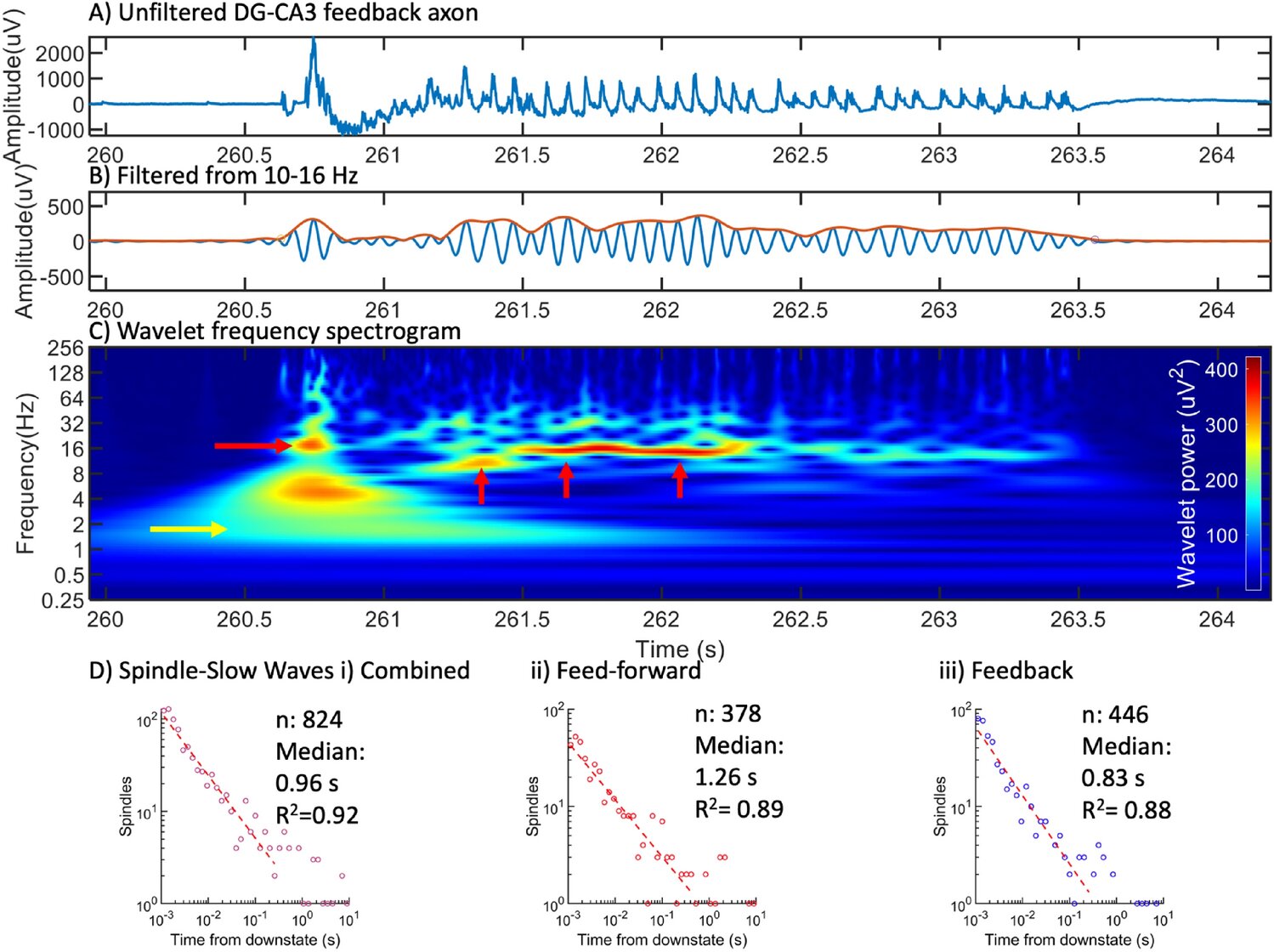
Researchers at the University of California, Irvine have discovered a new source of slow waves and sleep spindles crucial for deep sleep within the hippocampus, challenging traditional beliefs about their origin from the thalamus and cortex. The study suggests that these brain waves can originate from axons within the hippocampus's memory centers, offering new insights into how they support memory processing during sleep and potentially paving the way for new approaches to treating sleep-related disorders.
Exploding Head Syndrome (EHS) is a mysterious sleep disorder characterized by loud, sudden noises experienced during the transition from wakefulness to sleep. While the condition is harmless and typically lasts less than a second, it can be distressing for those who experience it. Research into EHS is ongoing, with experts attributing it to neuronal misfiring as the brain shuts down awake-time sensory activity. Despite being named in the 19th century, the cause of these auditory hallucinations remains a mystery, and many affected individuals do not seek medical advice due to embarrassment or lack of awareness.
A study by researchers from the University of Liège and the University of Fribourg reveals that hearing relaxing words during sleep slows down the heart rate, indicating a deeper state of sleep compared to neutral words. The study suggests a connection between bodily states and cognitive processes, emphasizing the importance of considering both brain and body information for a full understanding of how we think and react to our environment. The findings highlight the unique information about sleep functions that cardiac activity provides, beyond what can be captured by brain markers alone, and call for further exploration of the role played by the heart in other sleep functions.
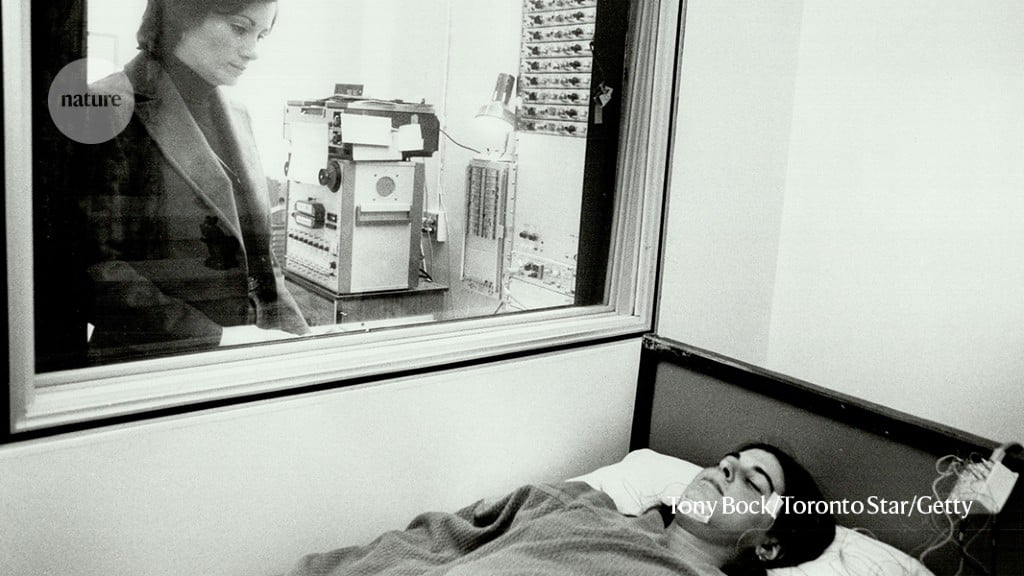
"Mapping the Darkness: The Visionary Scientists Who Unlocked the Mysteries of Sleep" by Kenneth Miller explores the history of sleep research and the emergence of sleep as a medical discipline. The book highlights the contributions of pioneering scientists such as Nathaniel Kleitman, Eugene Aserinsky, and William Dement, who made groundbreaking discoveries about sleep and dreaming. It also discusses the challenges faced by early sleep scientists and the development of treatments for sleep disorders like sleep apnea and insomnia. The book pays tribute to the unsung geniuses who shaped the field of sleep science and continues to make foundational discoveries.
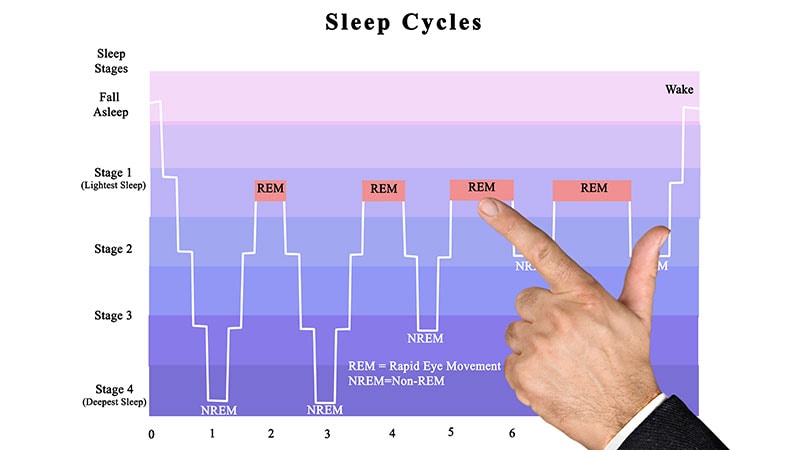
Rapid eye movement (REM) sleep, discovered in 1953, remains a mystery to scientists. While it was initially believed that sleep was a passive state, REM sleep shattered that belief. It is now known that REM sleep is a period of rapid eye movements paired with wakefulness-like activity in the brain. While it was once believed that REM sleep was necessary for dreaming, recent studies have shown that it may play a role in thermoregulation and managing the brain's temperature and metabolic activity during sleep. REM sleep behavior disorder (RBD) is a sign that our health may be in trouble, as it has been linked to neurodegenerative disorders.