wearables72.505 min read
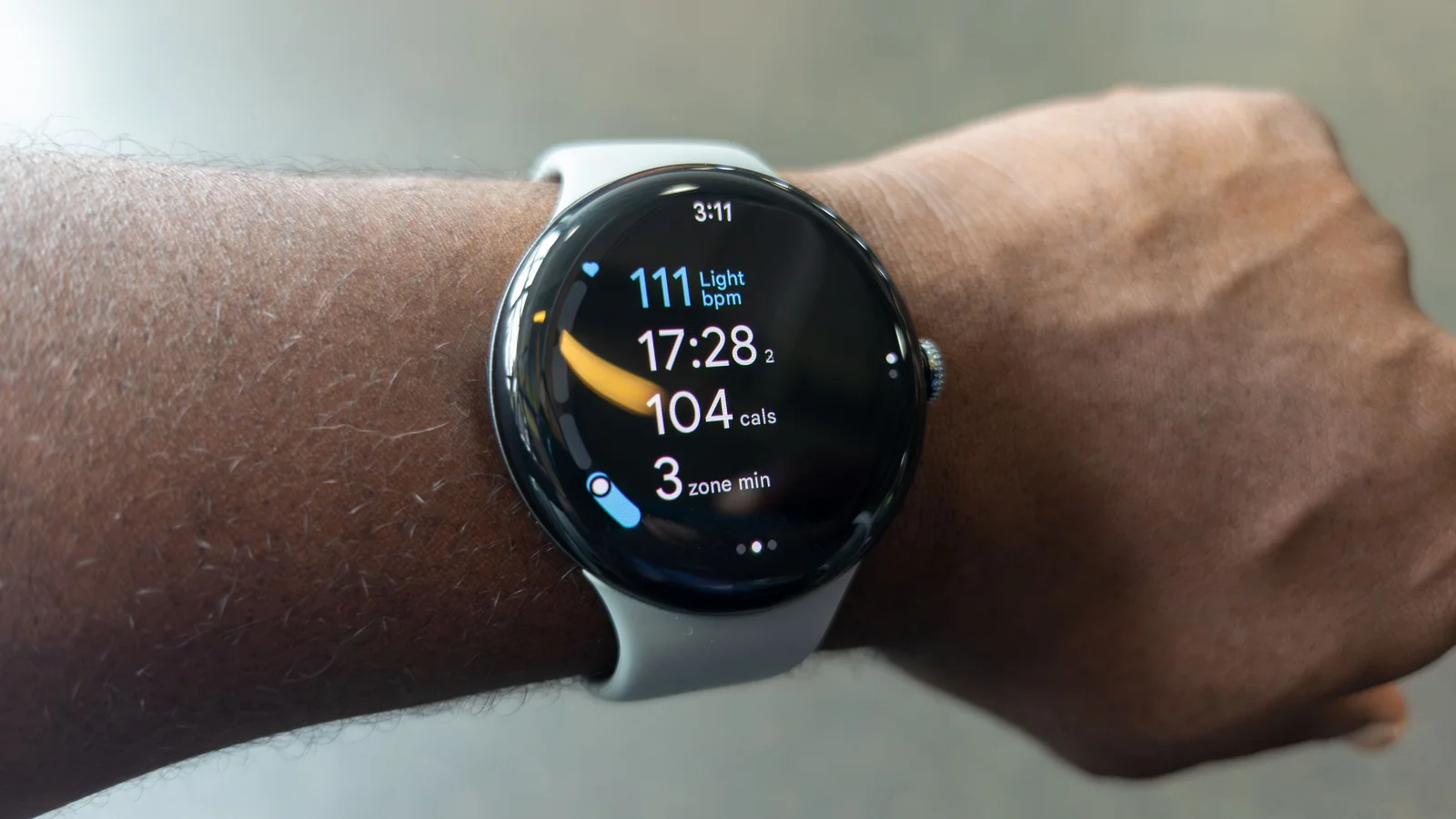
Bluetooth-only freedom: ditching LTE on my smartwatch saved me money without sacrificing core features
20 days ago•Source: androidcentral.com

The latest wearables stories, summarized by AI
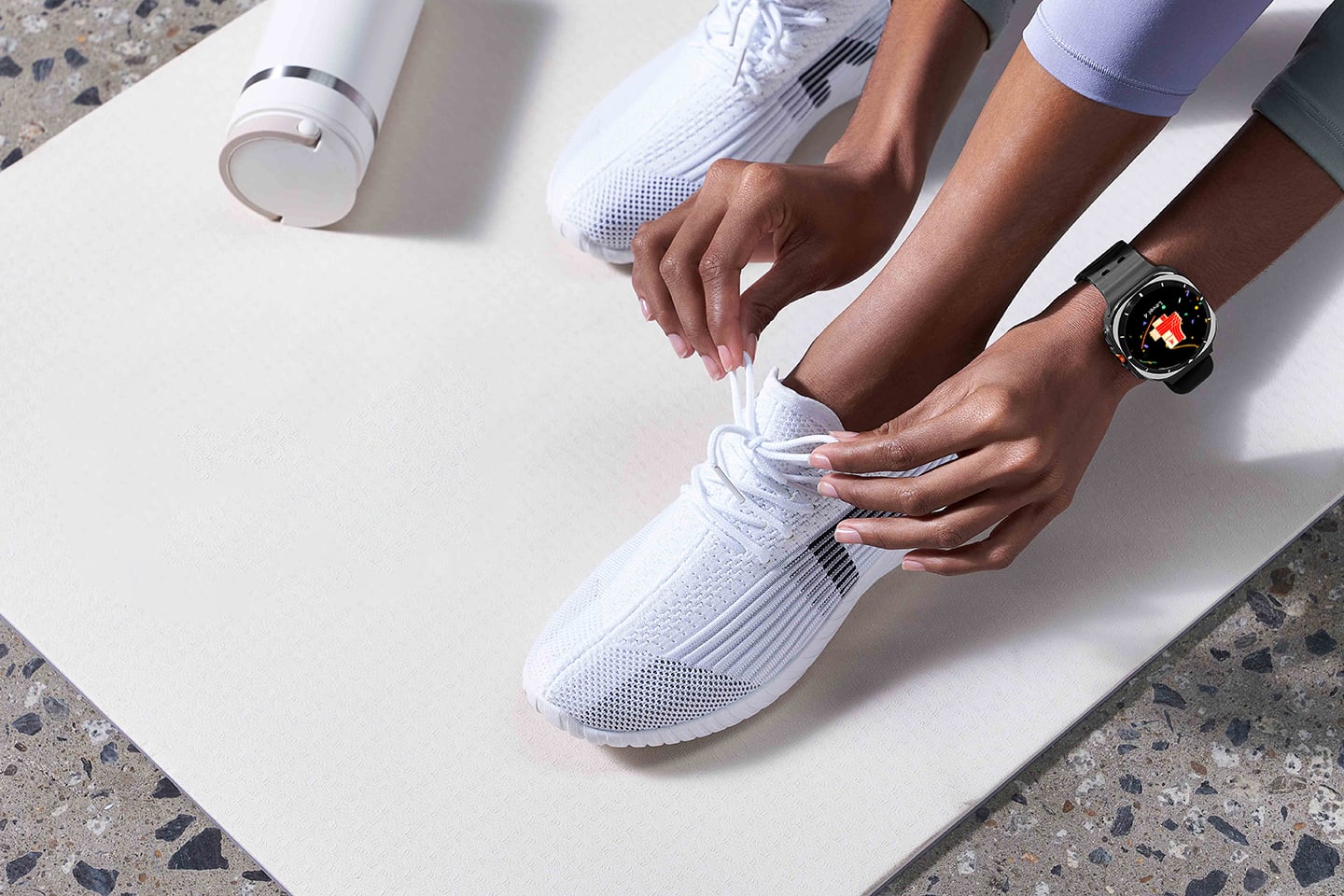
Samsung has released the One UI 8 Watch update for the Galaxy Watch Ultra, adding new health features like Running Coach, Vascular Load, and Antioxidant Index, along with an improved, customizable user interface that provides essential information at a glance. The update enhances the watch's usability for outdoor activities and daily wellness, complementing the new Galaxy Watch8 series and its variants, including the stylish Titanium Blue model.
TechRadar•2 years ago
TechRadar•2 years ago
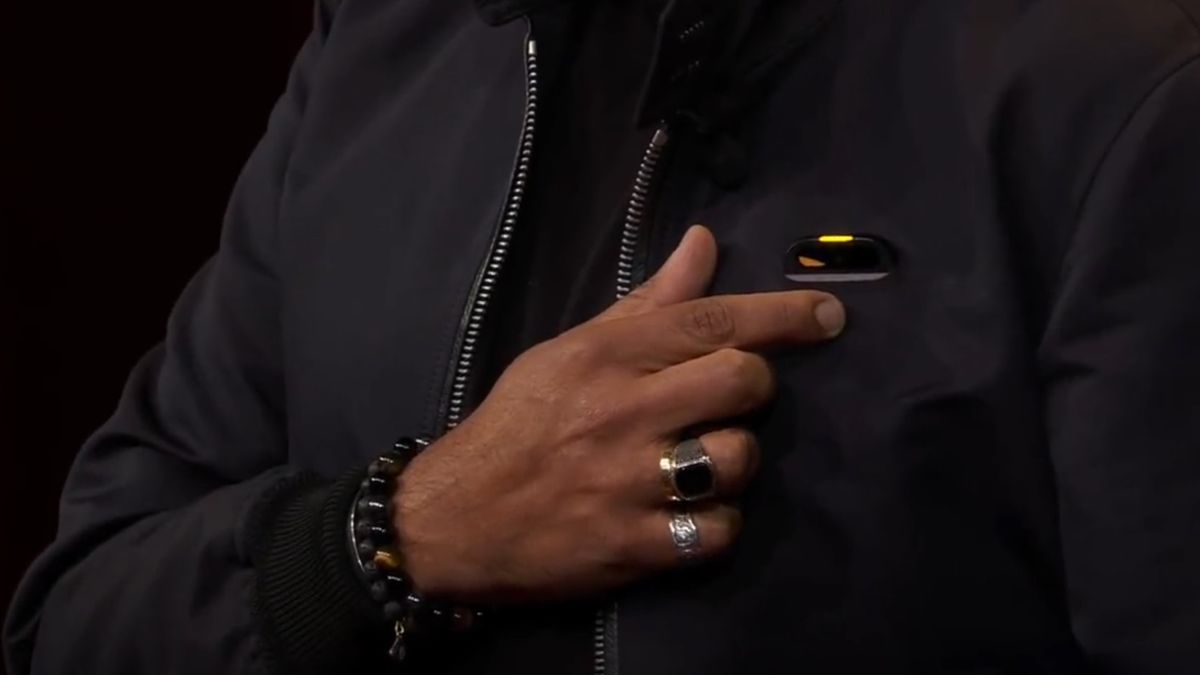
Humane, a company founded by ex-Apple executives, has given a sneak peek of its first product, a wearable device and platform built entirely from the ground up for artificial intelligence. The device is standalone and does not require a smartphone or any other device to pair with it. It functions as a wearable Alexa or Google Assistant, providing on-the-fly translations in the user's own voice and has a built-in camera. However, there are questions about its practicality and fashion factor.
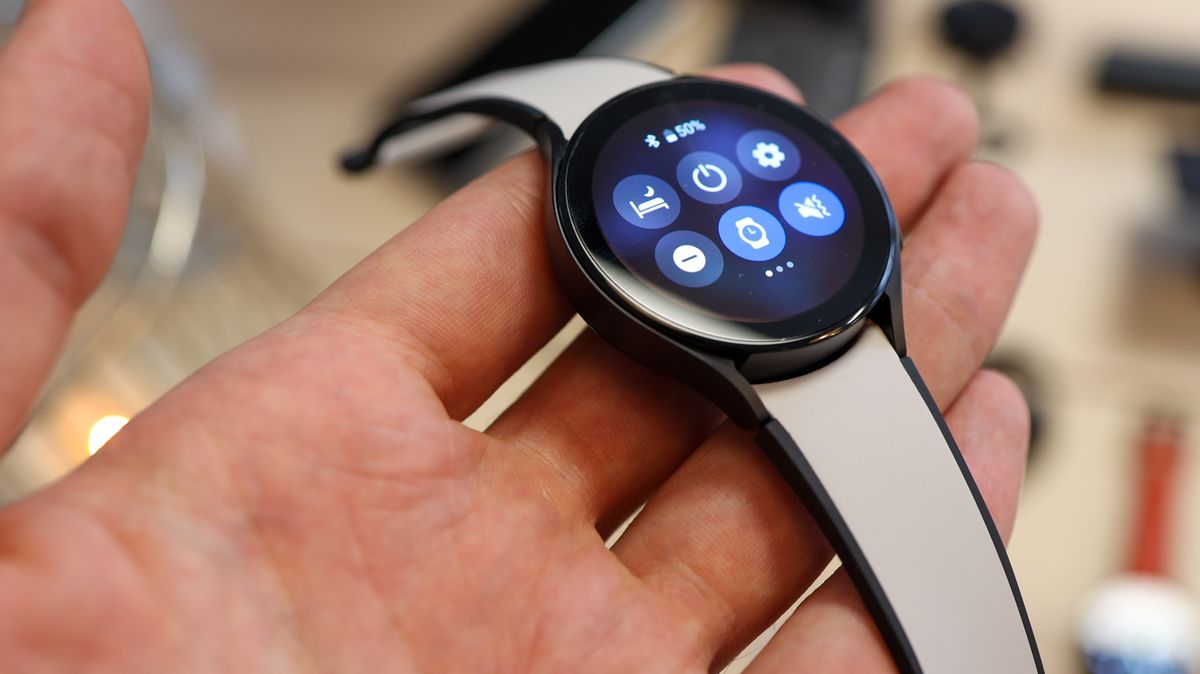
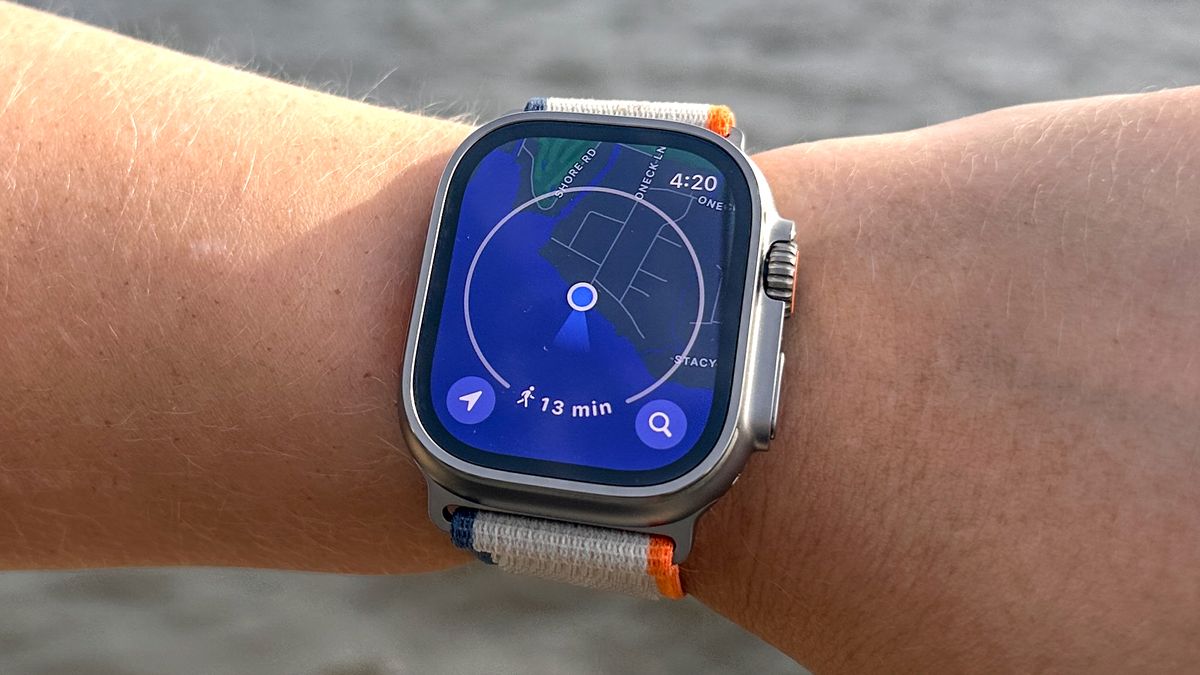
The upcoming Samsung Galaxy Watch 6 will reportedly have a 1.47-inch display with a smaller bezel, resulting in a better screen proportion and improved resolution. The device is rumored to have a curved glass screen and a battery of either 300mAh or 425mAh. The release date for the Galaxy Watch 6 is unknown, but it is expected to launch in August. The increase in screen size is similar to the difference between the Apple Watch 6 and Watch 7, with the latter having a 20% larger display.
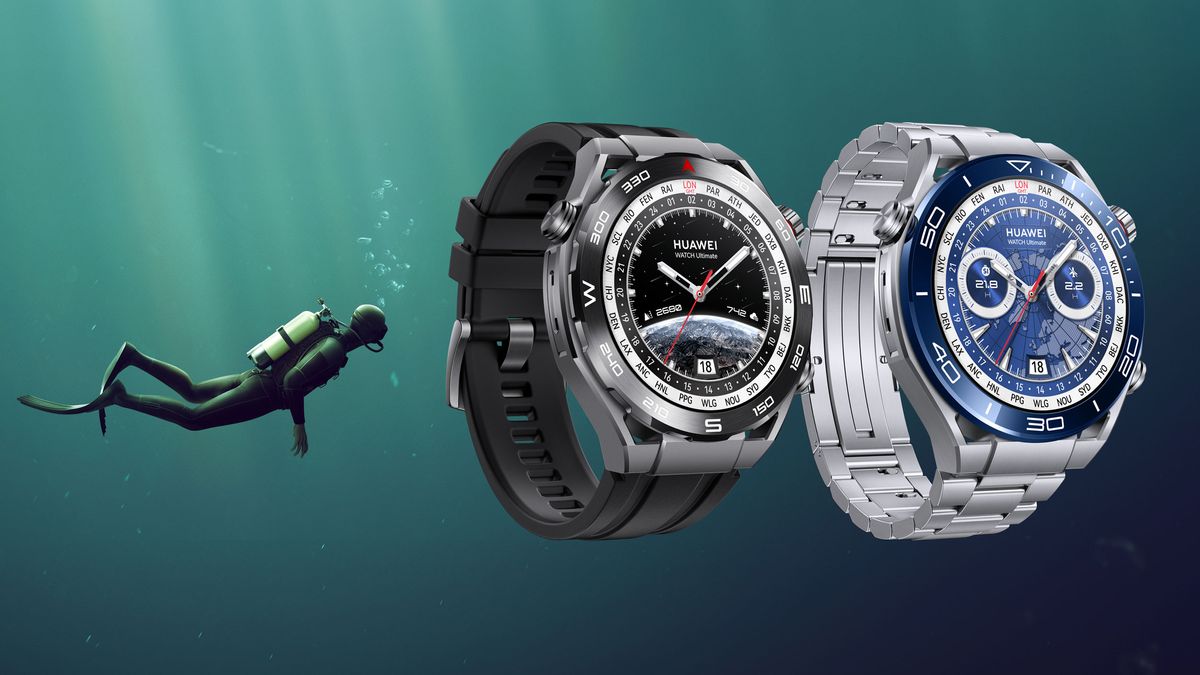
Huawei has announced the Huawei Watch Ultimate, a premium smartwatch with dive computer functionalities, a liquid metal casing, and a reputed 14-day battery life. The watch is capable of surviving depths of over 100 meters for up to 24 hours and has passed specific diving equipment tests. It also features a new Expedition Mode for overground treks and health data such as blood oxygen levels. The Huawei Watch Ultimate will be available in the UK and Europe, with pricing to be confirmed. It is designed to compete with the Apple Watch Ultra, with similar diving functionalities and extreme altitude operation, but with a longer battery life and a more premium analog dive watch design.
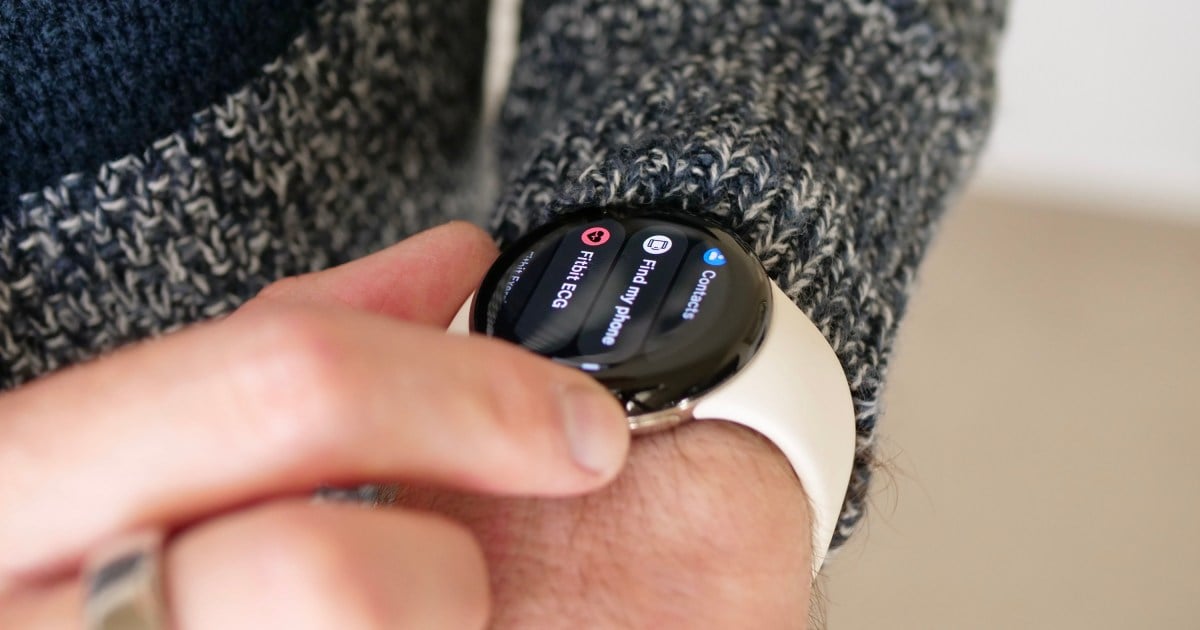
The Pixel Watch has finally added fall detection in its latest update, joining the ranks of the Apple Watch and the Galaxy Watch. This health feature has been a much-requested addition to the Pixel Watch, and it has the potential to save lives. The update also includes other features, and users can turn on auto-updates to ensure they receive the patch as soon as it goes live.

The Apple Watch has saved another life by detecting blood clots in the lungs, a condition that the watch doesn't officially detect. Meanwhile, a study shows that the Apple Watch can assist in predicting pain episodes for Sickle Cell disease sufferers. Apple has been trying to crack blood glucose measurements to help diabetics for years, and the company's largest customer, Rockley Photonics, specializes in sensors that read multiple blood signals without the use of medical equipment. The intended medical purposes of the Apple Watch could be just the beginning.
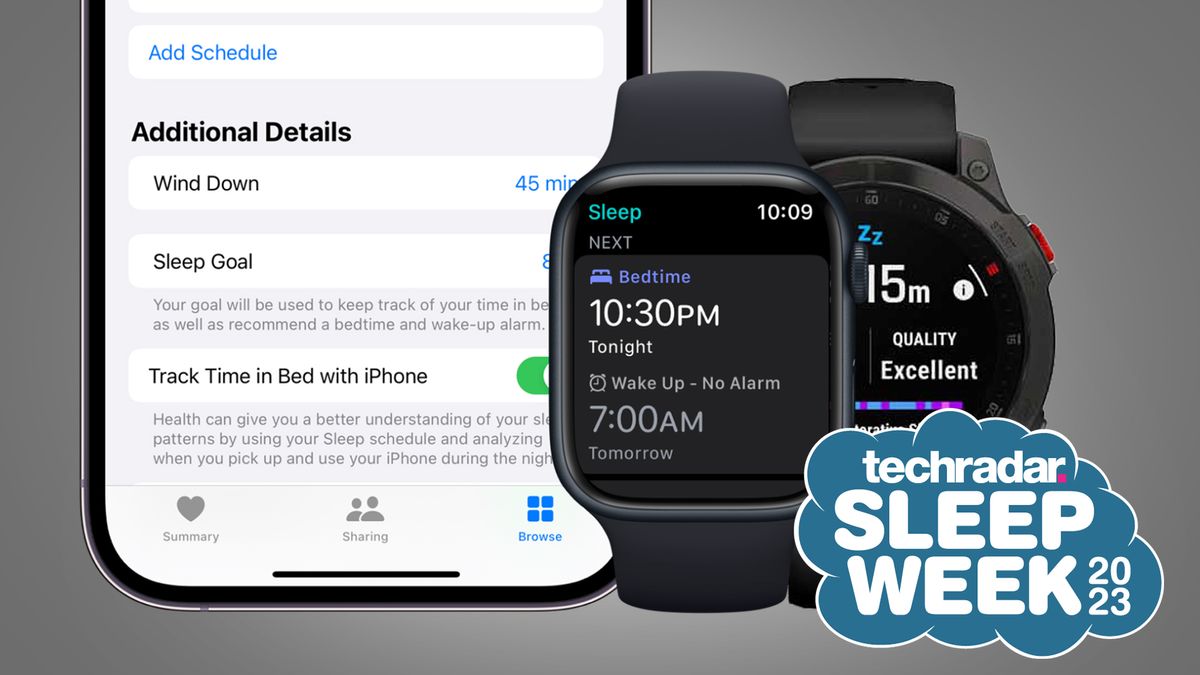
Garmin and Apple have released studies on sleep tracking, showing that around 70% of participants are not getting enough sleep. Garmin's Sleep Score study found that 69% of participants achieved a poor or fair score, while Apple's study showed that 68.8% of participants did not get the recommended seven hours of sleep per night. The studies also revealed geographical and age variances in sleep quality. Both studies recommend establishing a consistent sleep routine and using sleep-tracking features on smartwatches to improve sleep.