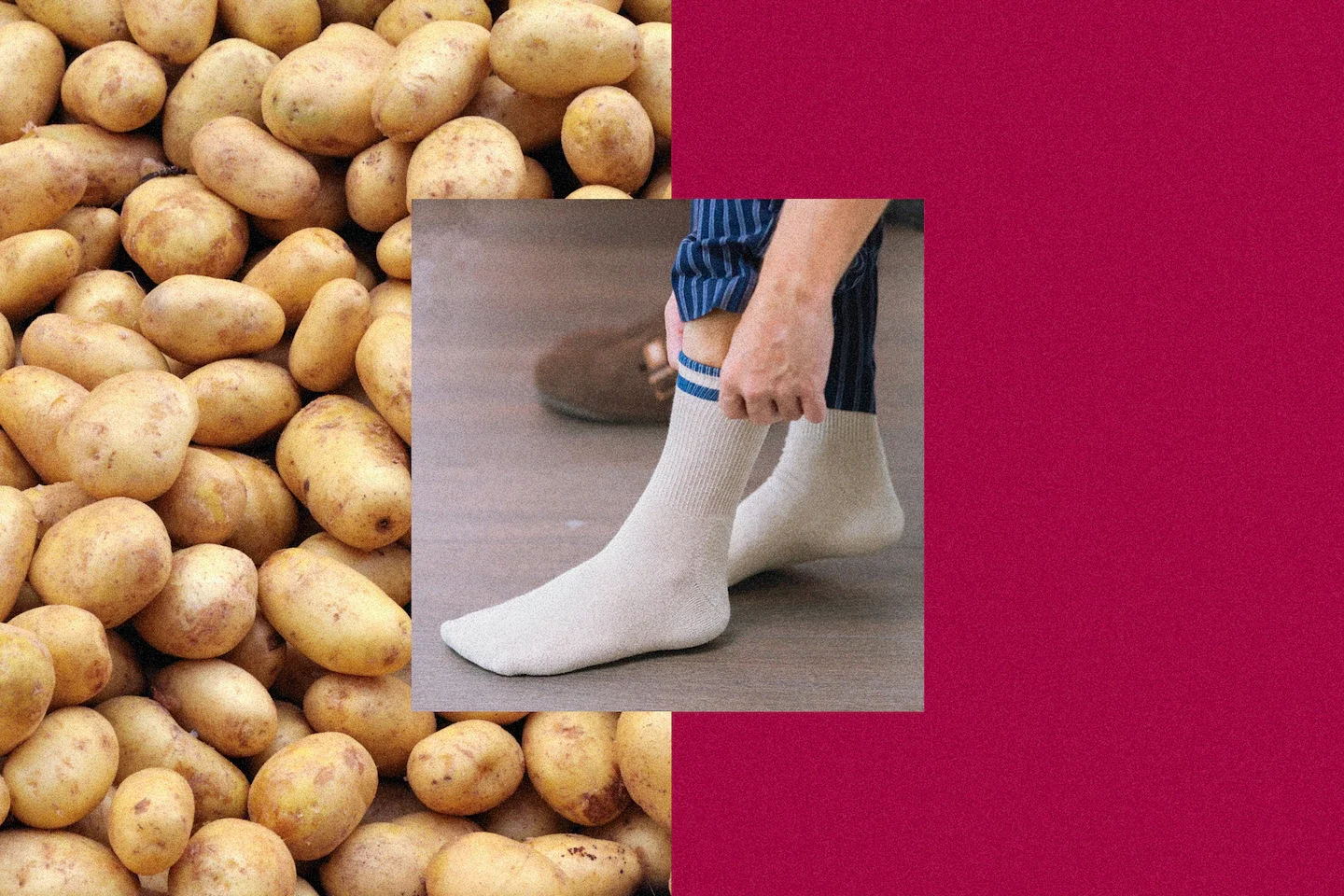
Potato in Sock Myth Debunked as Cold Cure
The idea that placing a potato in your sock can cure a cold is a myth; there is no scientific evidence to support this practice.

All articles tagged with #myth
The idea that placing a potato in your sock can cure a cold is a myth; there is no scientific evidence to support this practice.
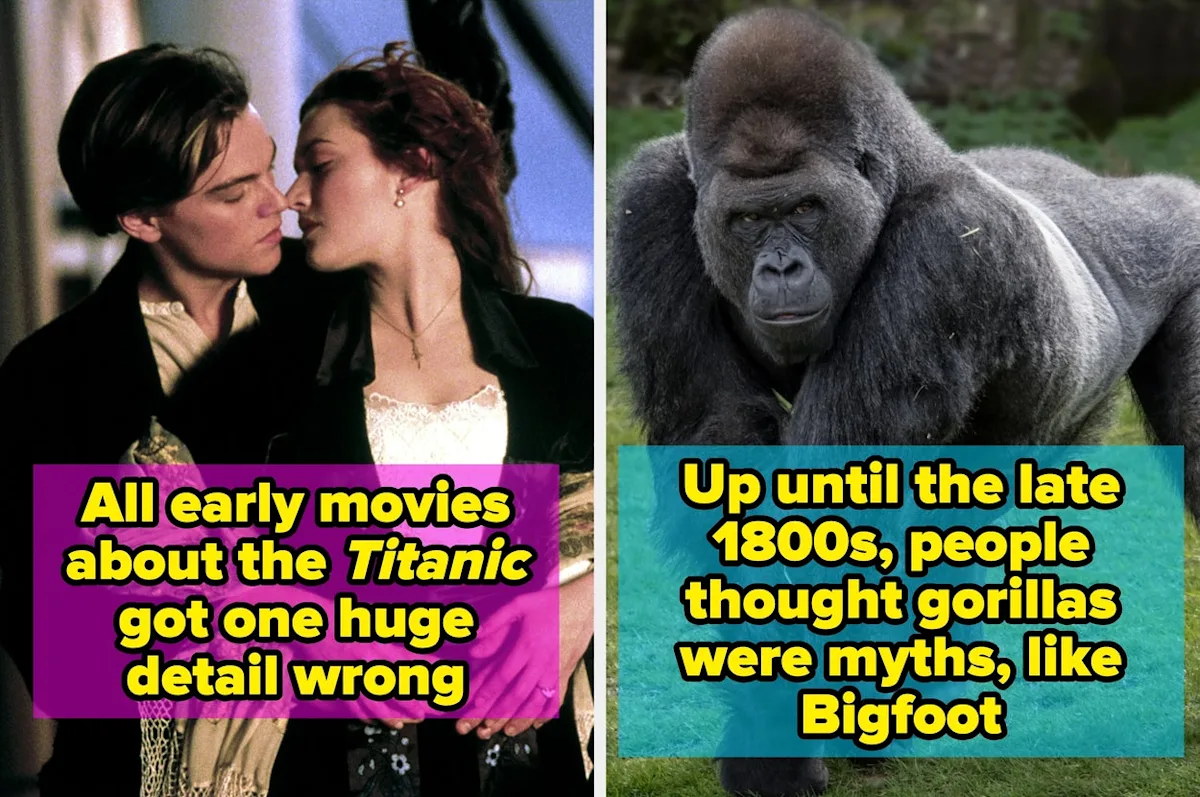
This article highlights 12 significant discoveries that began as myths or theories and ultimately transformed our understanding of history and science, including the asteroid impact theory for dinosaurs, the discovery of the Terracotta Army, meteorites, gorillas, Pompeii, Pangea, the Tunguska event, the Titanic wreck, Viking exploration, Mount St. Helens, giant pandas, and the potential existence of a ninth planet.
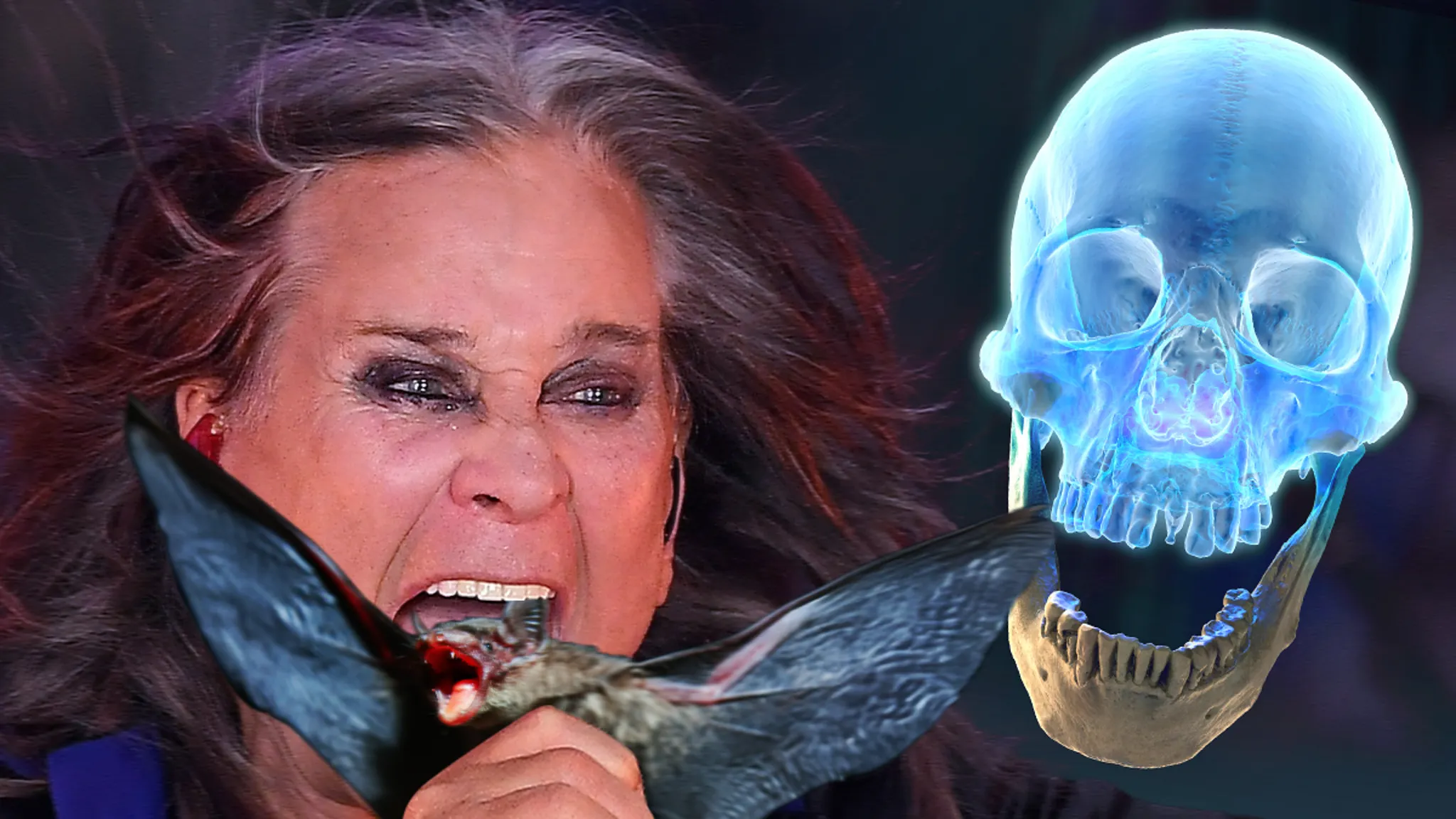
Ozzy Osbourne's infamous bat-biting incident in 1982 required significant jaw strength to bite off the bat's head, but most bats are harmless and rarely pose a threat to humans. The event was fueled by adrenaline, and despite its notoriety, it was not as dangerous as often portrayed, with most bats not being rabid.

A comprehensive review of over a century of research shows that left-handed people are not inherently more creative than right-handed people, and in fact, are underrepresented in highly creative professions, debunking the myth that lefties are more creative.
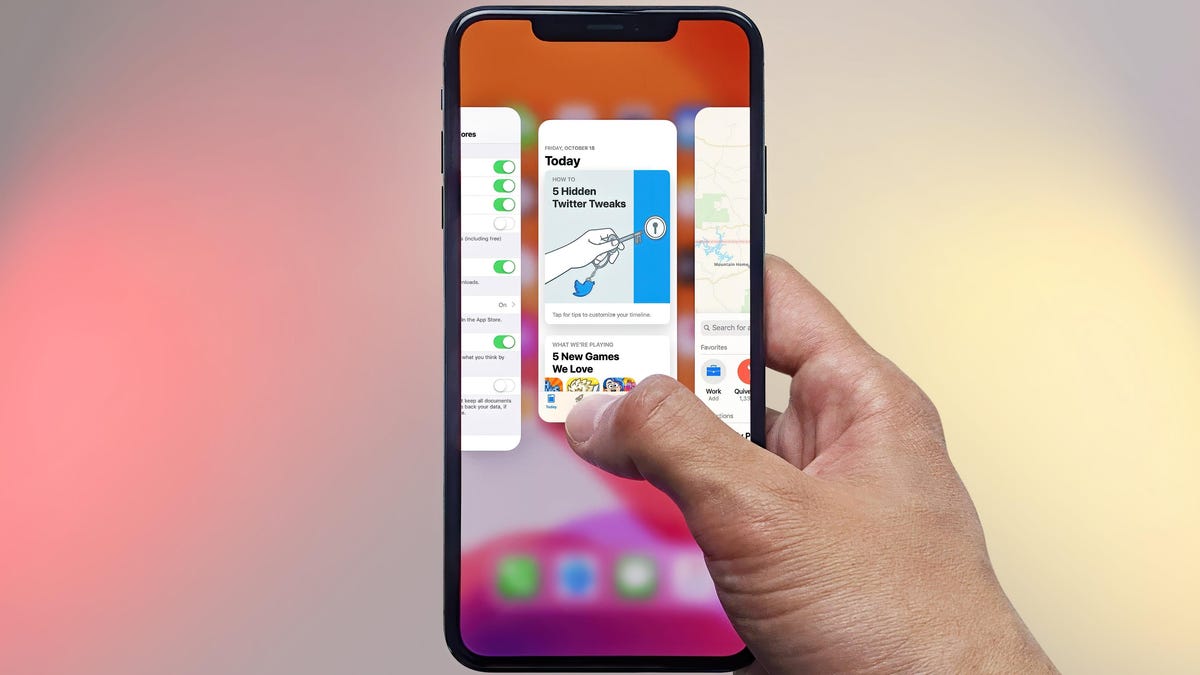
Closing background apps on your iPhone does not save battery, make your phone run faster, or stop companies from tracking you. In fact, it may use more battery to constantly close and reopen apps. This myth has persisted since the early days of the iPhone, but Apple has confirmed that force quitting apps does not improve performance or battery life. The most effective way to address these concerns is to turn off "Background App Refresh" in your settings.
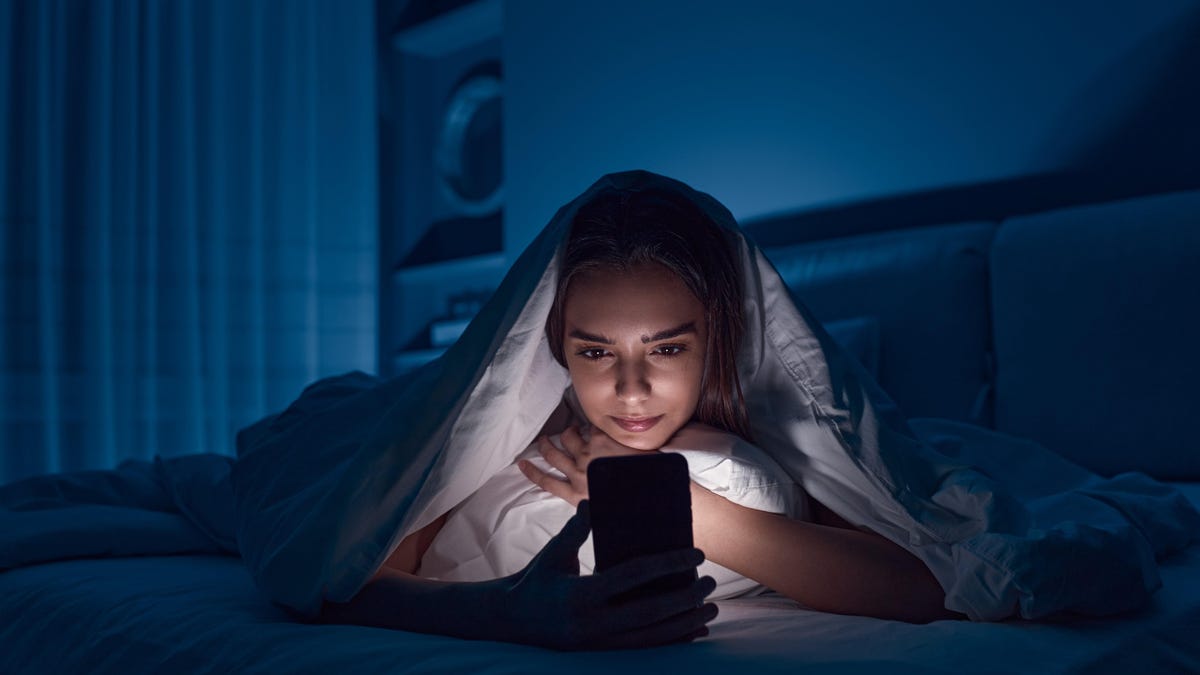
The myth that smartphones are constantly listening to conversations and selling that data to advertisers is false. The misconception originated in 2016, fueled by Facebook's targeted advertising and a misunderstanding of a news report. While it feels like it could be true due to hyper-targeted ads, advertisers don't need to listen in because they already have access to a wealth of information from search queries, social media usage, and cookies. Researchers found no evidence of apps activating microphones without prompt, and the orange dot on iPhones indicates when the microphone is in use.

As the Boston Tea Party commemorates its 250th anniversary, historians reflect on the event's significance and dispel common myths surrounding it. Contrary to popular belief, the protest was not a drunken party and had little to do with tax hikes. Rather, it symbolized the colonists' frustration with their lack of representation in decision-making. The destruction of tea chests was a disciplined and methodical act of civil disobedience, carefully planned by ordinary citizens. The event set in motion a chain of events that led to the Revolutionary War and the birth of a new nation. Today, the anniversary serves as a reminder of the importance of civic engagement and the fight for representation in government.
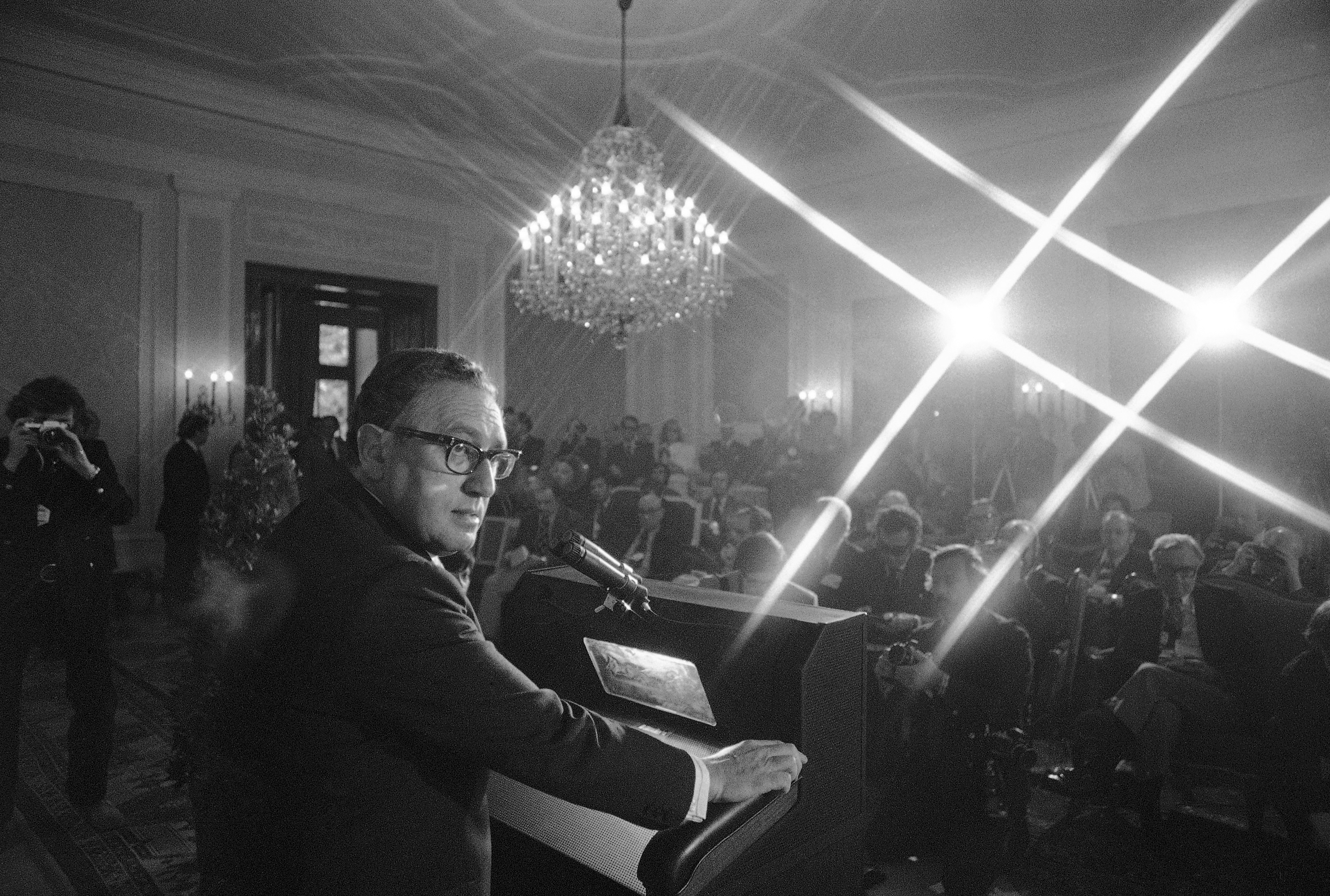
A critical examination of Henry Kissinger's role in U.S.-China relations reveals several myths that have been perpetuated about his involvement. Contrary to popular belief, Kissinger was not the driving force behind the opening to China; it was President Nixon's initiative. Kissinger also lied about the significance of Taiwan during his secret trip to China, making crucial concessions that have shaped U.S. policy towards China and Taiwan. Additionally, Kissinger's failures and embarrassing moments in China diplomacy were conveniently left out of his accounts. His role as an intermediary was largely self-appointed, and his influence on recent U.S.-China diplomacy has been exaggerated. Despite being hailed as a realist, Kissinger's attachment to China was more emotional and romanticized than pragmatic. Overall, his reputation on China is largely a result of his own myth-making.
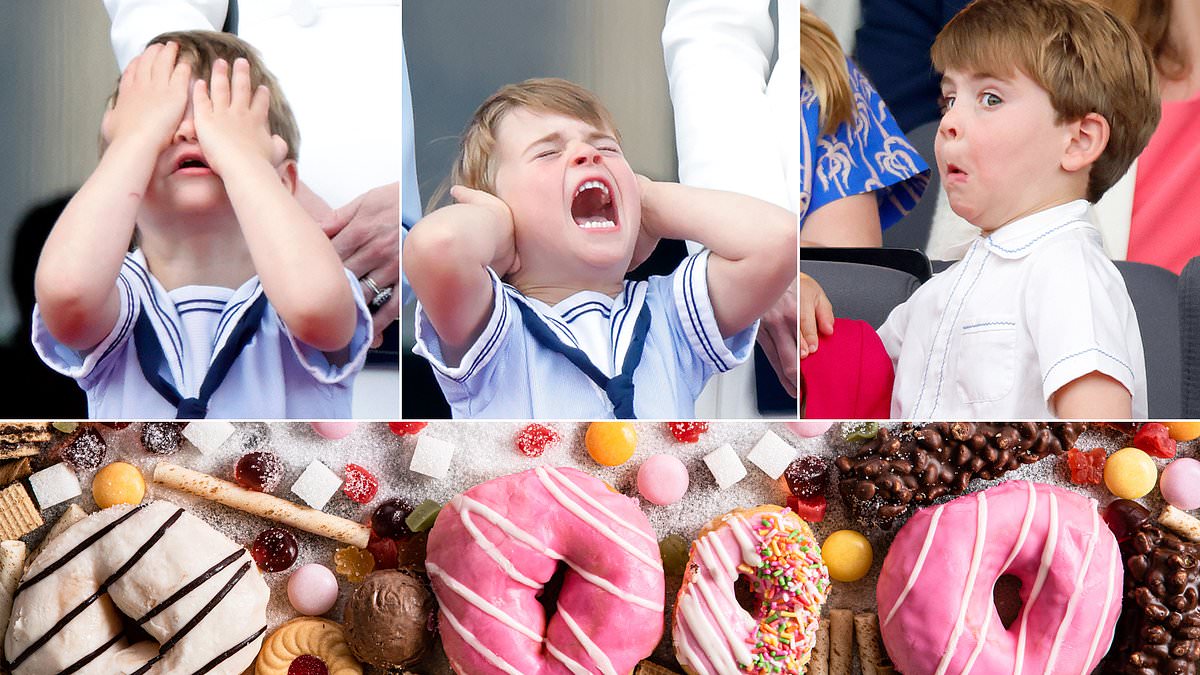
Contrary to popular belief, the hyperactive behavior in children after consuming candy is not caused by sugar itself, according to experts. Multiple studies in the 1990s found no influence of sugar on children's behavior, suggesting that the expectation of hyperactivity triggered a self-fulfilling prophecy. Some studies even suggest that eating sugar makes people more focused and in control. The most likely explanations for the perceived link between candy and hyperactivity are social factors and confirmation bias. Children themselves perpetuate the myth, believing that consuming candy will prevent them from sleeping.
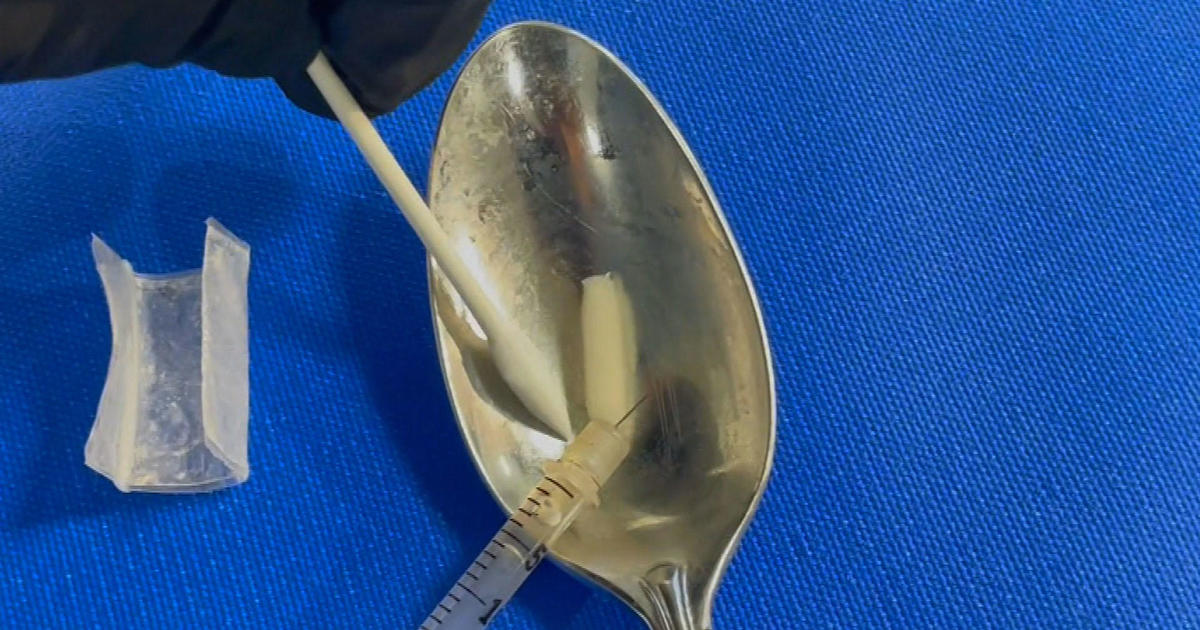
Experts in toxicology and public health have clarified that touching fentanyl powder will not cause an overdose, as the drug cannot absorb through the skin. Medical groups have also stated that incidental dermal absorption is unlikely to cause opioid toxicity. Ingesting or inhaling fentanyl can lead to absorption, but reasonable precautions such as wearing gloves and washing hands can prevent accidental ingestion. The myth of fentanyl touch overdoses originated from a now-removed video warning from the Drug Enforcement Administration, and experts believe reported symptoms are more likely anxiety or fear reactions rather than actual overdoses. Quantifying fentanyl seizures as enough to kill a large number of people is misleading, as the drug must be consumed to have an impact.

Enthusiasts armed with high-tech equipment gathered at Loch Ness in the Scottish Highlands for the largest organized "Nessie" hunt in 50 years. The event aimed to revive interest in the Loch Ness Monster legend and attract a new generation of hunters. Despite the use of sonars, thermal-imaging drones, and hydrophones, the search was as much about reviving old lore as it was about settling hard science. While no conclusive evidence was found, participants remained hopeful and expressed their belief in the existence of the legendary creature.
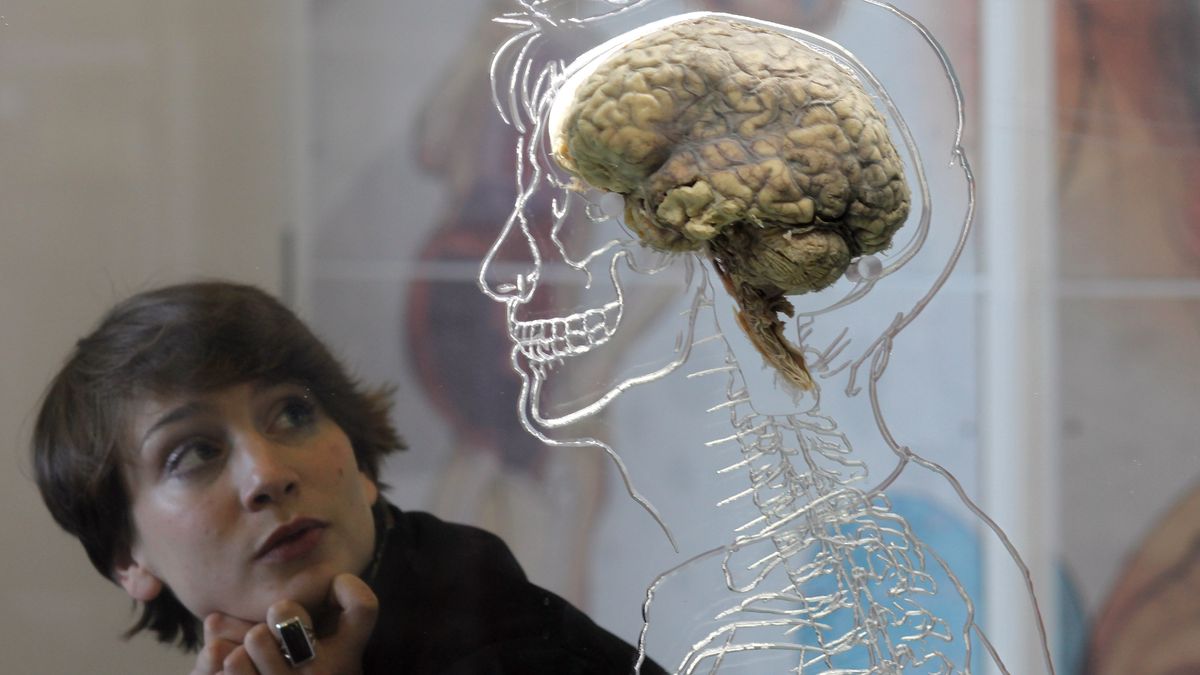
The belief that humans only use 10% of their brains is a myth. Neuroscientists confirm that we are always using all of our brain, even at a baseline level. Brain activity is similar to the heart, which keeps pumping even when not working at full capacity. The brain operates through various networks, and no single region acts in isolation. Functional magnetic resonance imaging (fMRI) is the best tool to measure brain activity, showing increased energy use in different regions. As we practice a skill, our brains physically change and become more efficient, requiring less energy. Mental energy is another way to measure brain use, but it is subjective. Ultimately, the notion of using only 10% of the brain is not only incorrect but irrelevant, as the brain can rewire itself and work at its fullest capacity even with a portion injured or removed.
A Harvard University professor, Dr. Daniel Lieberman, claims that the widely accepted notion of needing eight hours of sleep per night is a myth. He argues that people actually perform better with seven hours of sleep, citing populations without modern technology as evidence. Recent research supports this theory, with studies showing that cognitive difficulties and symptoms of depression and anxiety are associated with both more and less than seven hours of sleep. While the Centers for Disease Control and Prevention recommends seven to nine hours of sleep for adults, Dr. Lieberman suggests that seven hours is optimal for most people. However, certain populations may have varying sleep schedules, and maintaining a consistent sleep routine is important for a restful night's sleep.

Tom Cruise denies the rumor that people are not allowed to look him in the eye on set, according to a conversation with his "Mission: Impossible" collaborators Christopher McQuarrie and Simon Pegg. Pegg describes Cruise as more normal than his intense public persona suggests and recalls Cruise's outburst on the set in 2020 when he berated crew members for breaking COVID-19 protocols. Despite the leaked video revealing a rarely seen side of Cruise, his dedication to on-set COVID safety and keeping productions alive during the pandemic was well-received within the industry. "Mission: Impossible — Dead Reckoning Part One" is set to open on July 14.

The belief that sugar causes hyperactivity in kids emerged in the 1970s, but evidence shows that eating too much sugar does not lead to hyperactivity. While consuming too much sugar can lead to health problems, hyperactivity is not one of them.