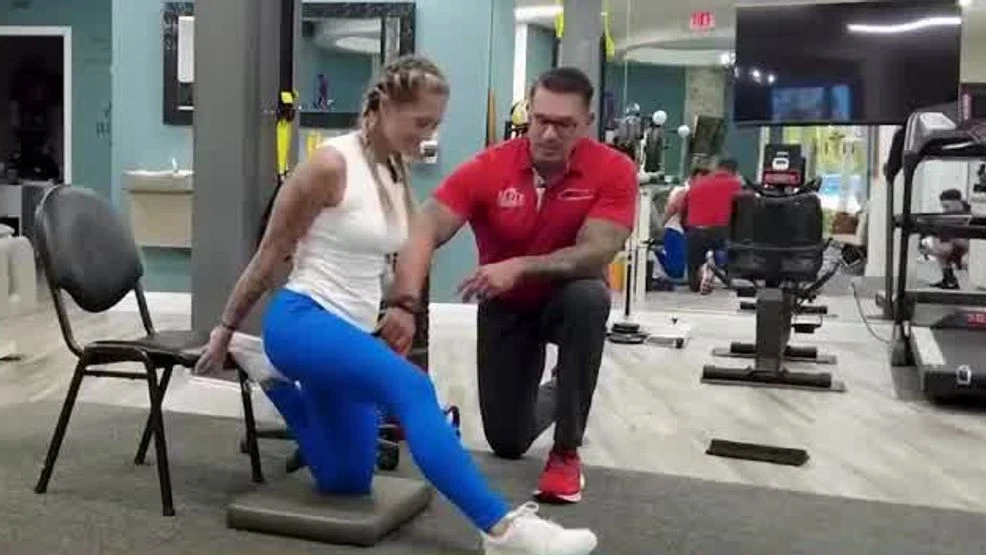
A fitness expert shares four effective strategies to counteract the negative effects of prolonged sitting, including hip stretches, strength training, regular movement breaks, and core strengthening exercises, emphasizing the importance of consistent activity to maintain muscle health and reduce health risks.
A study shows that prolonged sitting significantly increases early health risk markers like cholesterol ratio and BMI, even in young adults, and that vigorous exercise can mitigate some of these effects, highlighting the need for more intense physical activity beyond standard recommendations.
A recent study reveals that prolonged sitting significantly increases health risks such as higher cholesterol ratios and BMI, even in young, active adults, and current exercise guidelines may not be sufficient to counteract these effects. Incorporating vigorous activity and reducing sitting time are crucial for better cardiovascular and metabolic health.
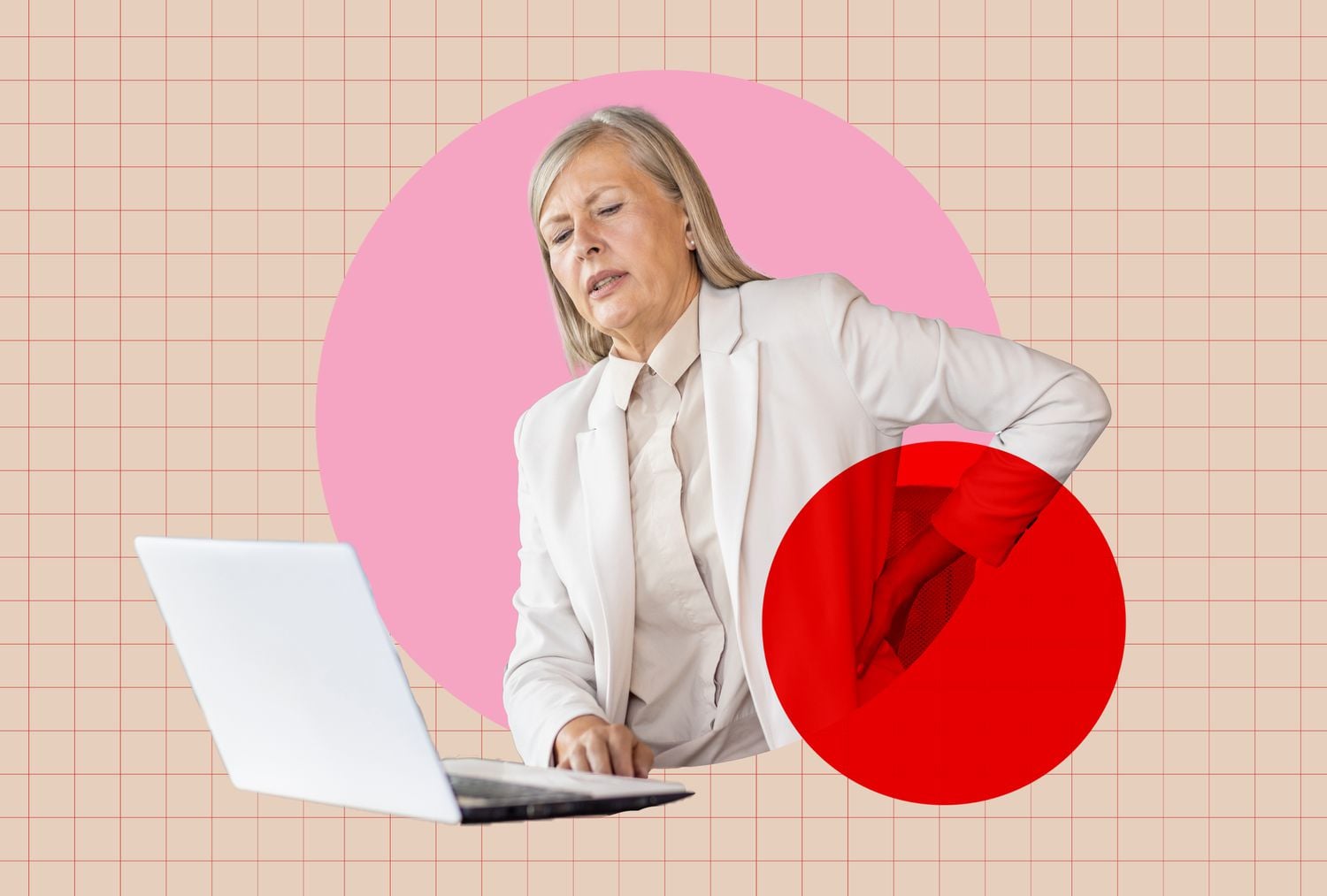
Prolonged sitting can cause lower back pain and muscle imbalances; incorporating simple stretches and regular movement every hour can alleviate stiffness and improve posture.
A study by Soochow University in China suggests that people who sit for more than six hours a day can reduce their risk of early death by drinking coffee. The research, which analyzed data from over 10,000 individuals in the US, found that coffee drinkers are 1.58 times less likely to die from any cause compared to non-coffee drinkers. The protective effects of coffee, which include reducing risks of diabetes and heart disease, were observed even with moderate consumption of one to three cups a day.
A new study by Kaiser Permanente suggests that reducing sitting time by as little as 30 minutes per day can lead to a significant decrease in blood pressure for older adults. The study included 283 participants who received health coaching sessions focused on reducing sitting time, resulting in a 3.5 mmHg drop in blood pressure. Experts emphasize the importance of decreasing sedentary behavior for overall health, particularly for older adults who typically sit for 60% to 80% of their awake time. Simple strategies such as using standing workstations and taking regular activity breaks are recommended to combat the negative health effects of prolonged sitting.
A new study from the University of California, San Diego revealed that sitting for more than 11 hours a day is associated with a 57 percent higher risk of dying during a decade-long study period. Even higher levels of moderate-to-vigorous exercise did not eliminate the health risks of prolonged sitting. However, doing between 9,000 and 10,500 steps each day was found to lower the risk of premature death, even for individuals who sat a lot. The study emphasizes the need to sit less and break up long periods of sitting, with recommendations to incorporate movement throughout the day, such as using sit-stand desks, taking breaks to move around, and engaging in small bursts of arm exercise for those who cannot stand or walk.
A study from the University of California, San Diego (UCSD) found that sitting for more than 11 hours a day is associated with a 57 percent higher risk of dying during a decade-long study period, even with higher amounts of moderate-to-vigorous exercise. Contradictory findings from other studies suggest that doing between 9,000 and 10,500 steps each day may lower the risk of premature death, even in people who sit a lot. Current guidelines recommend limiting sitting time and breaking up long periods of sitting, and various strategies such as using sit-stand desks, moving around during tasks, and incorporating small bursts of arm exercise for those who can't stand or walk may help mitigate the health risks of excessive sitting.
Prolonged sitting is associated with numerous physical and mental health complications, including weight gain, diabetes, cancer, and heart disease. Research has shown that even short bursts of activity, such as standing or walking, can counteract the negative effects of sitting. Experts recommend breaking up sedentary time with regular movement, such as taking short breaks from sitting, using standing desks, and incorporating physical activity into daily routines to mitigate the health risks associated with excessive sitting.
A study of nearly 6,000 older women found that sitting for more than about 11 hours a day dramatically raises the risk of dying within the next eight years, with a 57% higher risk of all-cause death and a 78% higher risk of cardiovascular disease death compared to those who sit for nine hours a day or less. The study adds to the growing evidence that excessive sitting is detrimental to health, contributing to a significant number of deaths annually. Even regular exercise does not fully offset the negative impact of prolonged sitting, emphasizing the importance of reducing sedentary behavior for overall health and longevity.
A new study published in the Journal of the American Heart Association suggests that for older women, sitting for prolonged periods, regardless of their exercise habits, may lead to significant health complications, including increased mortality and cardiovascular disease risk. The research followed 5,856 women over a 7-year period and found that sitting for over 11 hours a day was associated with a 57% higher risk of all‐cause death and a 78% increased risk of cardiovascular disease death. Adding movement throughout the day, such as walking for 5 minutes after every 30 minutes of sitting, is recommended to mitigate the negative effects of prolonged sitting.
A study from the University of California-San Diego suggests that prolonged sitting, regardless of exercise, is linked to a 30% increase in the risk of premature death for older women. The research, based on data from over 6,000 women, found that sedentary behavior negatively impacts glucose metabolism and blood flow, with exercise unable to reverse these effects. The study recommends breaking up long periods of sitting with short standing breaks, as sitting for more than 11 hours a day and in longer sessions is associated with higher risk.
A new study published in the Journal of the American Heart Association reveals that older women who sit for 11.7 hours or more per day have a 30 percent increased risk of mortality, regardless of their level of physical activity. The study, part of the Women’s Health Initiative, used a novel algorithm to analyze sitting time and found that prolonged sitting negatively impacts blood flow, glucose metabolism, and muscle contractions, leading to increased mortality risk. The research suggests that taking breaks from sitting every 20 minutes may help mitigate these risks.
Recent research confirms that prolonged sitting is detrimental to health, with increased risks of cardiovascular disease and mortality. Experts recommend incorporating movement throughout the day, such as taking short walks or doing desk exercises, to counteract the negative effects of sitting. Regular movement breaks, active meetings, and tracking steps can help mitigate the impact of sedentary behavior, while exercise alone is not sufficient to offset the health risks associated with prolonged sitting.
Recent research confirms that prolonged sitting is detrimental to health, with increased risks of cardiovascular disease and mortality. Experts recommend incorporating movement throughout the day, such as taking short walks or doing desk exercises, to counteract the negative effects of sitting. Setting step count goals and using tools like walking treadmills can also help increase daily movement. It's important to be both an exerciser and a mover throughout the day, as exercise alone may not be enough to offset the health risks associated with prolonged sitting.