Tag

Sex Determination

All articles tagged with #sex determination

science7 months ago

Iron Deficiency in Pregnancy Alters Sexual Development in Male Mice

A new study in mice shows that iron deficiency during pregnancy can cause XY embryos to develop female characteristics by disrupting the activation of the SRY gene, which is crucial for male sex development. This finding suggests that nutrition and metabolic factors like iron may influence sex development, although further research is needed to determine if this applies to humans.

science1 year ago

"Scientists Convert Male Mice to Female by Deleting 6 Molecules"

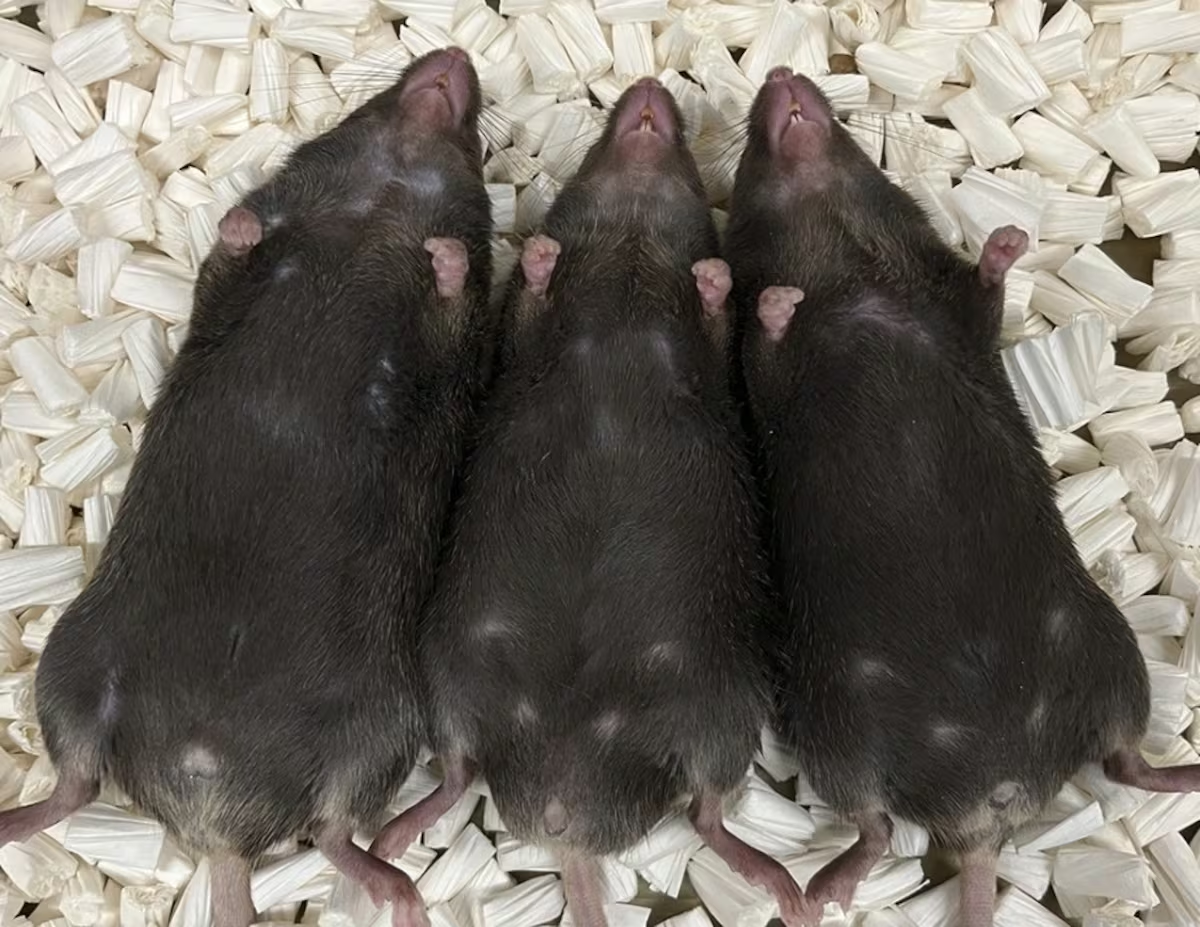
A new study published in Nature Communications reveals that deleting six specific microRNAs can override the influence of sex chromosomes, transforming male mice (with XY chromosomes) into females by delaying the production of a crucial protein. This discovery adds complexity to our understanding of sex determination in mammals and suggests that similar mechanisms may exist in other vertebrates, including humans.

science1 year ago

"The Vanishing Y Chromosome: Implications for the Future of Men"

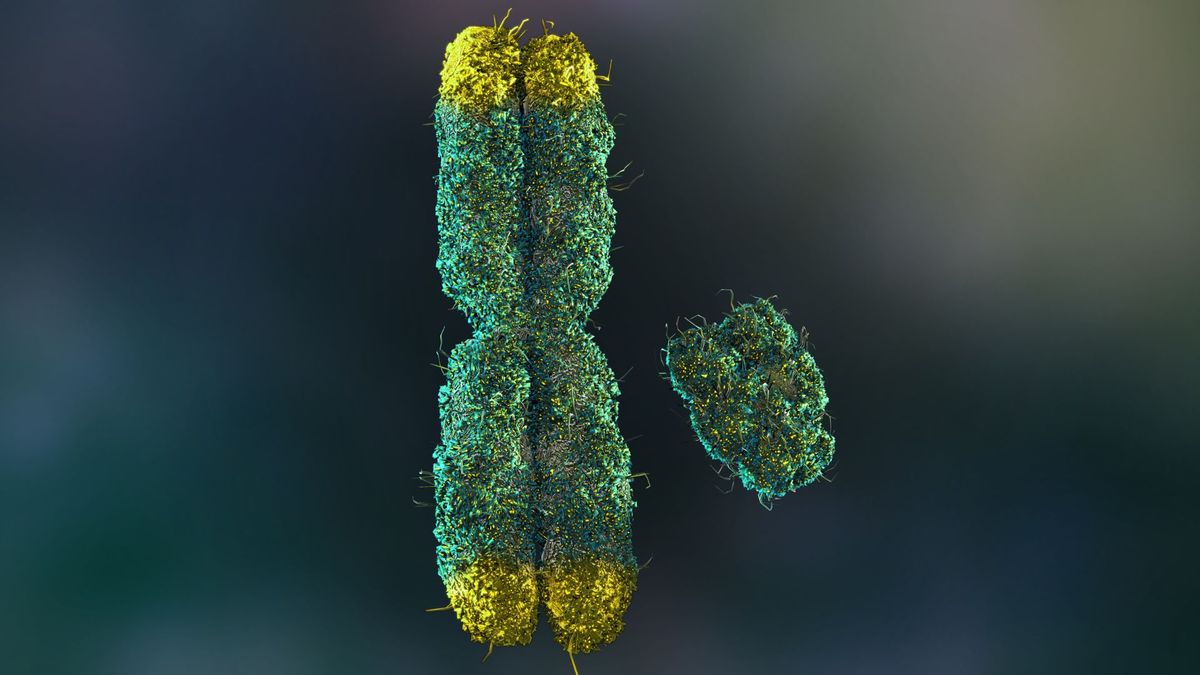
The Y chromosome, responsible for determining male sex, has been degenerating for millions of years and may disappear, potentially leading to the extinction of men. However, other species have lost the Y chromosome and survived by evolving new sex determining genes. If the Y chromosome disappears in humans, it could lead to the evolution of new sex determining genes, potentially resulting in the separation of different human species.

science1 year ago

"The Vanishing Y Chromosome: Implications for the Future of Men"

The Y chromosome is degrading at a concerning rate, with the potential to vanish in about 4.5 million years due to gene loss and difficulty in eliminating mutations. Some animal species have already witnessed the disappearance of the Y chromosome, but there are potential mechanisms for genes to relocate and maintain male sex determination. While there are advocates for the Y chromosome's lasting, its changes could impact disease risks in men, potentially affecting cancer and Alzheimer's disease. However, with various potential extinction scenarios, there's no immediate need for concern about the Y chromosome disappearing.

science1 year ago

"The Mystery of the Disappearing Y Chromosome"

The Y chromosome is degrading at a concerning rate, with the potential to vanish in about 4.5 million years due to gene loss and difficulty in eliminating mutations. Some animal species have already witnessed the disappearance of the Y chromosome and SRY gene, impacting sex determination. While some scientists believe in the Y chromosome's lasting, others warn of potential health risks such as cancer and Alzheimer's disease if it continues to change. However, given the long timeline and potential extinction scenarios, immediate concern may not be necessary.

science1 year ago

The Uncertain Future of Men: The Vanishing Y Chromosome

The Y chromosome is degrading at a concerning rate, with the human Y chromosome expected to vanish in about 4.5 million years due to the loss of genes and difficulty in eliminating mutations. Some animal species have already witnessed the disappearance of the Y chromosome, but there is hope as scientists have identified DNA sequences that can compensate for the loss of the SRY gene. While some researchers advocate for the Y chromosome's lasting, others warn of potential health risks associated with its loss, including an increased risk of developing Alzheimer’s disease, cancer, and cardiovascular disease. However, given the long timeline and potential extinction scenarios, there is no immediate cause for concern.

science1 year ago

"The Vanishing Y Chromosome: Implications for Men's Future"

The Y chromosome, responsible for male development, is shrinking and could eventually disappear, potentially leading to the evolution of new human species. Some rodent species have already lost their Y chromosome, and scientists have discovered alternative sex determining genes in these species. While humans currently require both male and female reproductive cells, the discovery of species functioning without the Y chromosome suggests that humans could evolve a new sex determining gene. However, this evolution comes with risks, as different sex determination systems could lead to the separation of new human species.

science1 year ago

"The Future of Men: The Vanishing Y Chromosome and the Rise of a New Sex Gene"

The Y chromosome, responsible for determining male sex in mammals, is degenerating and may disappear in a few million years, potentially leading to human extinction unless a new sex gene evolves. Rodents like the spiny rat have already lost their Y chromosome and evolved a new male-determining gene. The discovery of a new sex gene in the spiny rat suggests that humans may also evolve a new sex determining gene in the future. However, the evolution of a new sex determining gene comes with risks, as it could lead to the separation of new species.

genetics2 years ago

"Rapid Evolution of Primate Y Chromosome Over 80 Million Years"

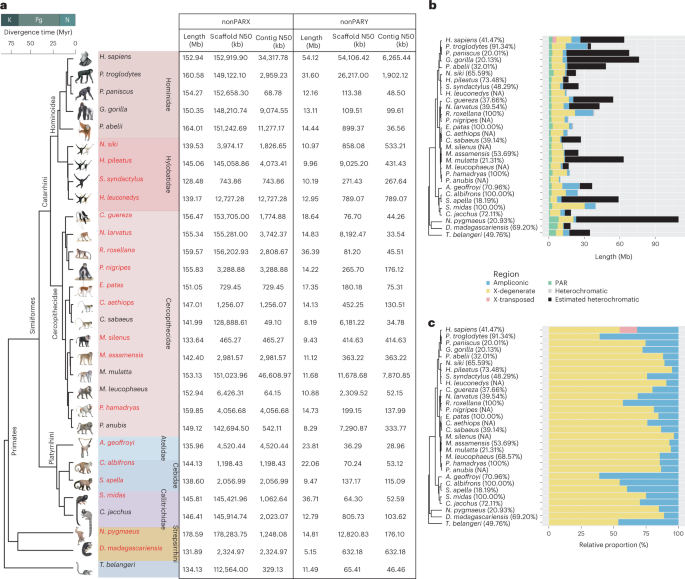
A new study has revealed that the Y chromosome of primates has undergone rapid evolution over the past 80 million years, resulting in gene loss and structural changes. The study, which analyzed the Y chromosomes of 20 primate species, sheds light on the evolution of sex determination and the role of the Y chromosome in intragenomic conflict. The findings also suggest that the Y chromosome may not be as genetically inert as previously thought.

science-and-technology2 years ago

New Developments in Egg Science: Allergy-Free and Sex-Identified Eggs

Scientists from the University of California, Davis, and SensIT Ventures have developed a new method for determining the sex of fertilized chicken eggs by "sniffing" chemicals released through the shell. Using a modified version of a commercial egg-handling suction cup, the researchers were able to accurately determine the sex of the embryos 80% of the time after only eight days of incubation and using just 2 minutes of sampling. This method holds promise for developing a practical and efficient way to determine the sex of embryos and address some of the challenges faced by the poultry industry.

science2 years ago

Nettie Stevens: The Female Pioneer Who Unlocked the Science of Gender

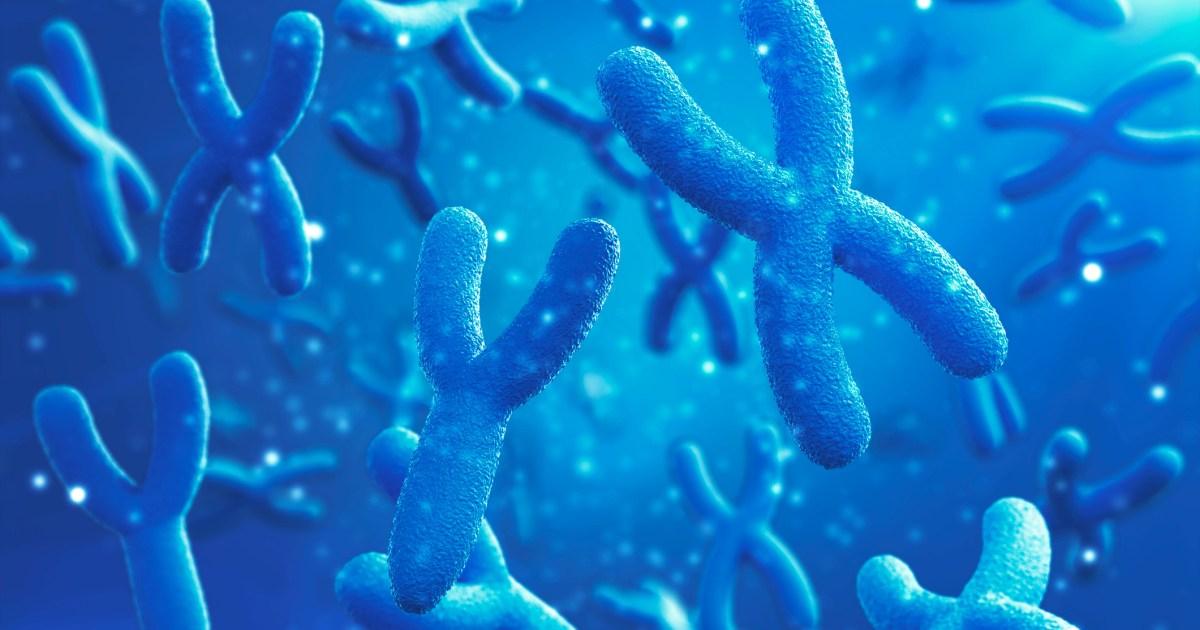
Nettie Stevens, a pioneering cytogeneticist and researcher at Bryn Mawr College, discovered in 1905 that sex is determined by hereditary traits passed through chromosomes. She found that females are born with a pair of XX chromosomes, inheriting an X from both the mother and father, while males are born with XY chromosomes; the X is from the mother, the Y from the father. Stevens' discovery revolutionized the field of genetics and challenged the assumptions of many powerful people in biology. Despite her groundbreaking work, she did not receive credit for her discovery at the time due to her gender.