Scientists have uncovered how monotremes like platypuses determine sex through a hormone-based system involving the AMHY gene, a discovery that reveals a unique evolutionary pathway diverging from typical mammalian genetic mechanisms and shedding light on the deep history of sex chromosome evolution.
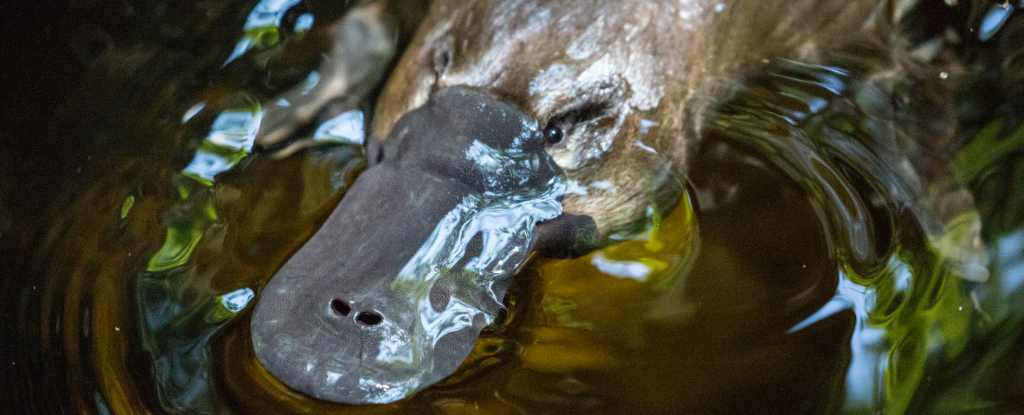
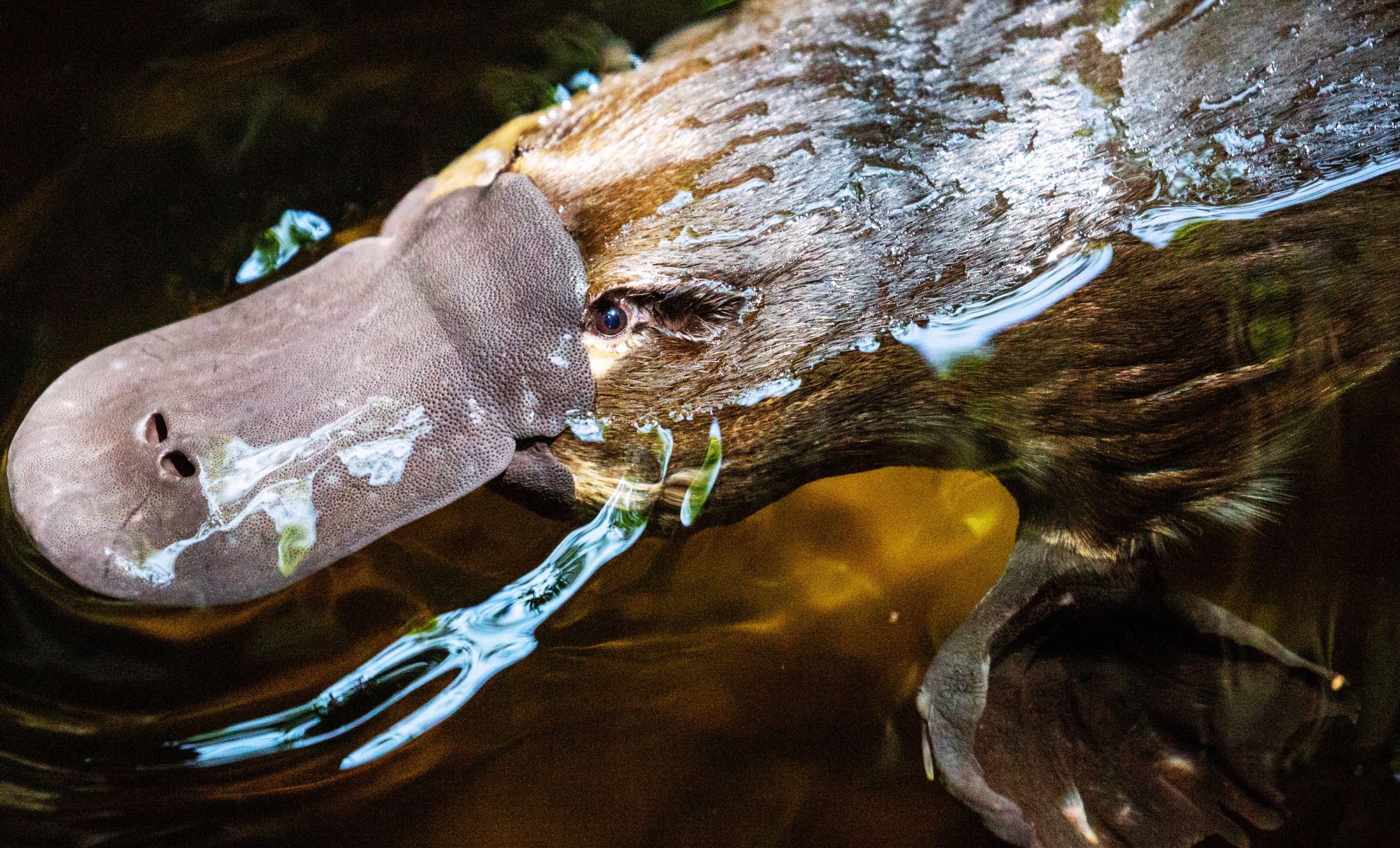
Scientists have discovered that the sex of monotremes like platypuses is determined by a modified version of the anti-Muellerian hormone gene (AMHY), which is unique among mammals and represents a 100-million-year-old evolutionary development, marking the first known case of a hormone-based sex determination system in mammals.
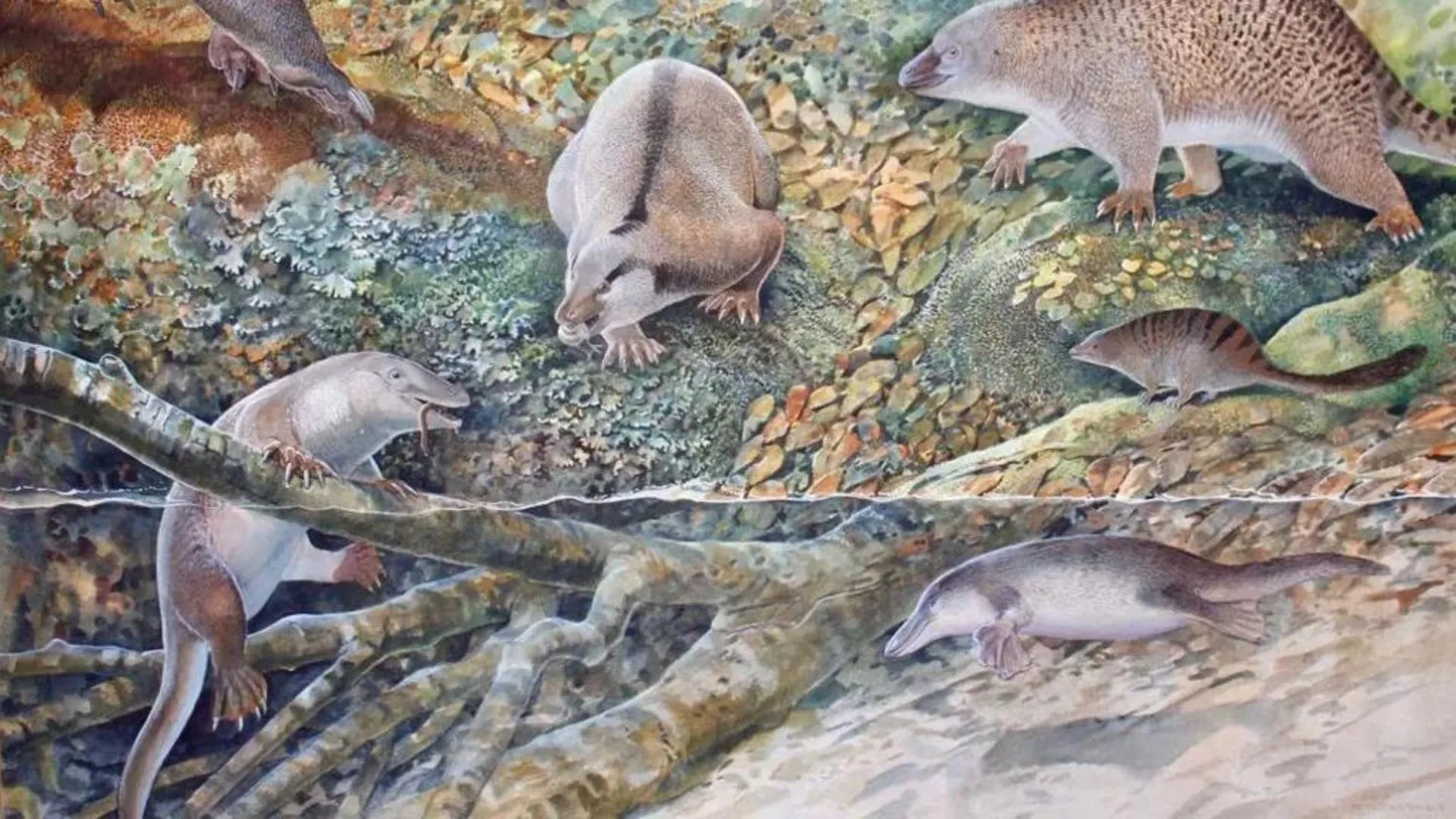
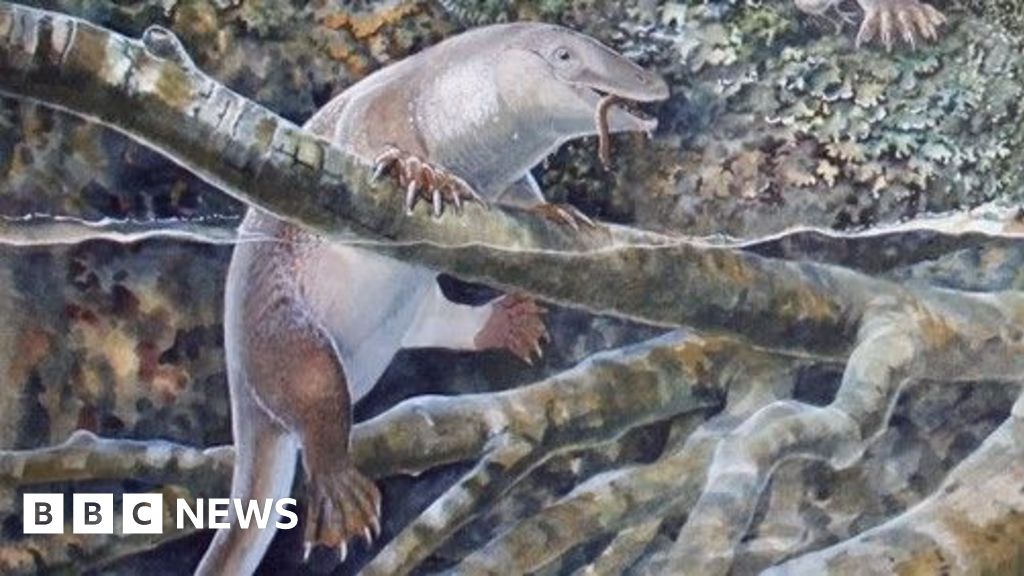
Australian scientists have discovered 100-million-year-old fossils of a new monotreme species, Opalios splendens, which shares characteristics with modern platypus and echidna. This discovery, made in the Lightning Ridge opal fields, suggests that Australia was once home to a diverse range of monotremes, providing new insights into the evolution of these unique egg-laying mammals.
Australian scientists have discovered a new ancient monotreme species, Opalios splendens, nicknamed "echidnapus" for its resemblance to both the platypus and echidna. Fossilized jaw bones found in New South Wales suggest that Australia once had an "age of monotremes," with these egg-laying mammals being abundant and dominant. The findings, published in Alcheringa: An Australasian Journal of Palaeontology, highlight the diversity of prehistoric monotremes in the region.
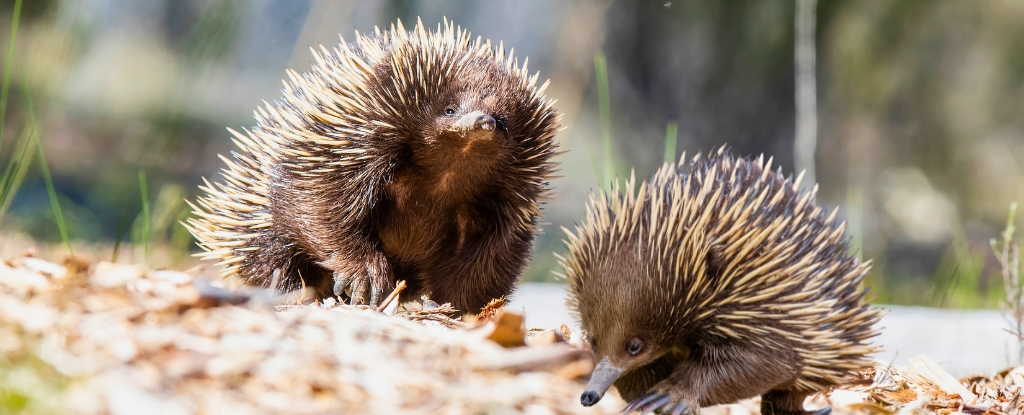
Researchers from Curtin University in Australia have recorded the rare sounds of echidnas cooing, grunting, and making other vocalizations during the breeding season, providing evidence that these spiky Australian critters are capable of vocalizing. Previously, it was believed that echidnas only made "sniffing" noises. The discovery of echidna vocalizations helps resolve the scientific debate about when early mammals started using sound to communicate and suggests that acoustic communication likely developed 100 to 200 million years ago. The study also highlights the need for further research to understand the purpose and meaning behind echidna vocalizations.