

Scientists from China and Hawai'i have identified a potential new human species, Homo juluensis, based on fossil similarities, which may include Denisovans, and could help clarify the complex history of human evolution in Asia. The species thrived from 300,000 to 50,000 years ago and shows unique cranial and dental features, although further research is needed for confirmation.
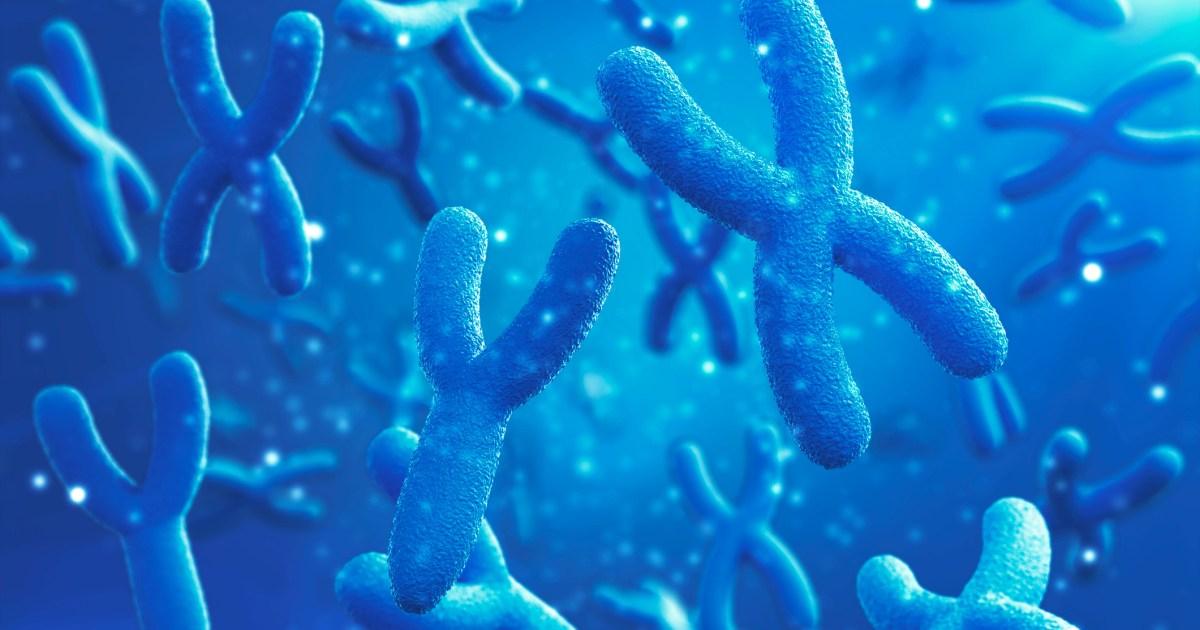
The Y chromosome, responsible for male development, is shrinking and could eventually disappear, potentially leading to the evolution of new human species. Some rodent species have already lost their Y chromosome, and scientists have discovered alternative sex determining genes in these species. While humans currently require both male and female reproductive cells, the discovery of species functioning without the Y chromosome suggests that humans could evolve a new sex determining gene. However, this evolution comes with risks, as different sex determination systems could lead to the separation of new human species.