Tag

Senescent Cells

All articles tagged with #senescent cells

health1 year ago

"Study: Keto Diet May Harm Health, Suggests Regular Breaks"

US scientist Professor David Gius suggests taking regular "keto vacations" to mitigate the potential negative effects of a ketogenic diet, such as the accumulation of ageing cells in organs. His study on mice showed that while the keto diet has initial health benefits, prolonged adherence may accelerate organ ageing. Periodically switching back to a standard diet can reduce these ageing cells, indicating that a cycling ketogenic diet might be more beneficial.

health-and-science1 year ago

"Reprogramming T Cells: A Revolutionary Approach to Slowing Aging"

Researchers have discovered that T cells in the body can be reprogrammed to slow down and even reverse aging by using CAR T-cell therapy to eliminate damaged or senescent cells in mice. This reprogramming resulted in improved metabolism, glucose tolerance, and increased physical activity in the mice. The study provides a potential strategy for addressing age-related diseases in humans, but further research is needed to optimize the approach and translate the findings into senolytic therapy for humans.

health-and-science1 year ago

"Senolytic CAR T Cells: The Promising Fountain of Youth Elixir"

Researchers at Cold Spring Harbor Laboratory have reprogrammed T cells to fight aging by targeting senescent cells, which are linked to age-related diseases. Using CAR T cells, the team found that a single treatment in mice led to lifelong effects, including improved metabolism and physical activity without tissue damage or toxicity. This breakthrough could potentially offer a one-time treatment for chronic conditions like obesity and diabetes, with implications for human longevity.

health-and-science1 year ago

"Reprogramming T Cells for Anti-Aging Benefits"

Researchers have discovered that T cells can be genetically reprogrammed to combat aging by targeting senescent cells, which contribute to age-related diseases. Using CAR T cell therapy, they demonstrated its potential to slow down and reverse aging in mice, leading to improved metabolism and physical activity. The therapy's long-lasting effects make it advantageous for chronic conditions, and ongoing research aims to determine if it can extend lifespan. T cells play a crucial role in the immune system and have shown promise in medical research, particularly in cancer therapy.

health-and-science1 year ago

"Breakthrough: Reprogrammed T Cells Slow Aging in Mice and Hold Promise for Humans"

A biomedical sciences professor and her team have developed a method to program T-cells to target and eliminate senescent cells, which are linked to aging and age-related diseases. In lab mice, this treatment resulted in rejuvenation for older mice and slower aging for younger ones, with long-lasting effects. If successful in humans, this therapy could potentially provide lifelong anti-aging benefits and may represent a significant breakthrough in medicine.

health-and-science2 years ago

"Senolytic CAR T Cells: The Ultimate Anti-Aging Elixir?"

Researchers in New York have developed a revolutionary cell therapy using CAR T-cells to target and eliminate senescent cells, which contribute to age-related decline. This therapy has shown long-term effectiveness with a single treatment, potentially improving metabolic function and physical health in mice without noticeable side effects. While more research is needed before human application, the therapy's potential to revolutionize aging and age-related disease treatment is immense.

health-and-science2 years ago

"Unlocking the Fountain of Youth: Senolytic CAR T Cells and the Secret to Slower Aging"

Scientists have discovered a breakthrough in anti-ageing research, revealing that reprogrammed T cells known as CAR T cells can slow and even reduce the effects of ageing by targeting and eliminating senescent cells responsible for age-related conditions and diseases. The treatment, dubbed the 'living drug', has shown promising results in mice, with potential long-lasting effects after a single dose. This discovery could revolutionize anti-ageing therapies and pave the way for a healthier and potentially longer life.

health2 years ago

"Senolytic CAR T Cells: A Promising Anti-Aging Therapy"

Researchers have found that CAR T cells can be genetically modified to target and eliminate senescent cells, which accumulate in the body as we age and contribute to age-related diseases. In mouse studies, treatment with these modified T cells resulted in slower aging, improved metabolism, glucose tolerance, and increased physical activity. The effects were long-lasting, with a single treatment offering lifelong protection against conditions like obesity and diabetes. This discovery suggests a potential new approach to combating age-related diseases and may offer insights into extending healthy lifespan.

health2 years ago

Targeting Mid-Old Cells: Unlocking Anti-Aging Interventions for the Elderly

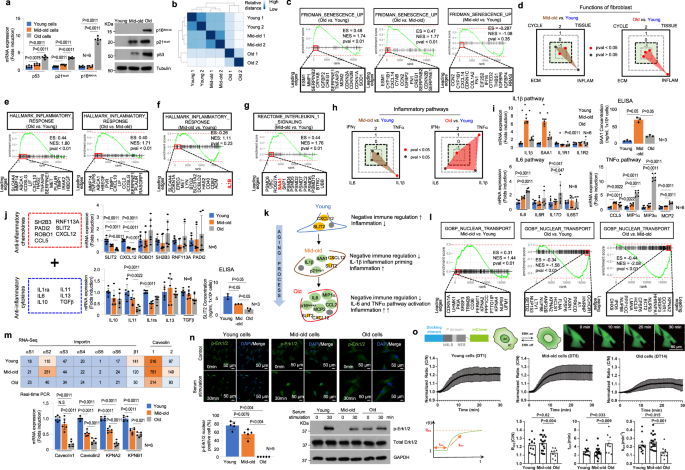
Accumulation of senescent cells in tissues is a major contributor to aging and organ dysfunction. However, a subset of cells in an intermediate stage of cellular senescence, termed "mid-old cells," has been identified. These mid-old cells exhibit distinct gene expression patterns and functional characteristics compared to young and old cells. They are associated with specific inflammation markers and have the capacity to respond to external stimuli. Mid-old cells are found in elderly tissues, particularly in fibroblasts and smooth muscle cells, and contribute to age-related microenvironments. The presence of mid-old cells suggests a potential target for anti-aging interventions in the elderly.

health2 years ago

"Promising Breakthrough: University of Queensland's Trial Shows Potential in Treating COVID-19 Brain Fog"

Scientists from the University of Queensland have conducted successful trials on mice and human brain tissue, identifying drugs that can potentially reverse COVID-19-related neurodegeneration and treat brain fog. The researchers found that the virus caused "zombie" cells to accumulate, accelerating brain aging and memory loss. Four pre-existing drugs were found to eliminate these cells in mice and brain tissue grown from human stem cells. While the treatment has not yet been tested on live humans, the scientists are confident that these drugs, some of which are already in clinical use, could be available to the public within five to ten years. The research also has potential implications for age-related diseases such as Alzheimer's and dementia.

health2 years ago

"Breakthrough Treatment for COVID-19 Brain Fog Unveiled by Queensland Scientists"

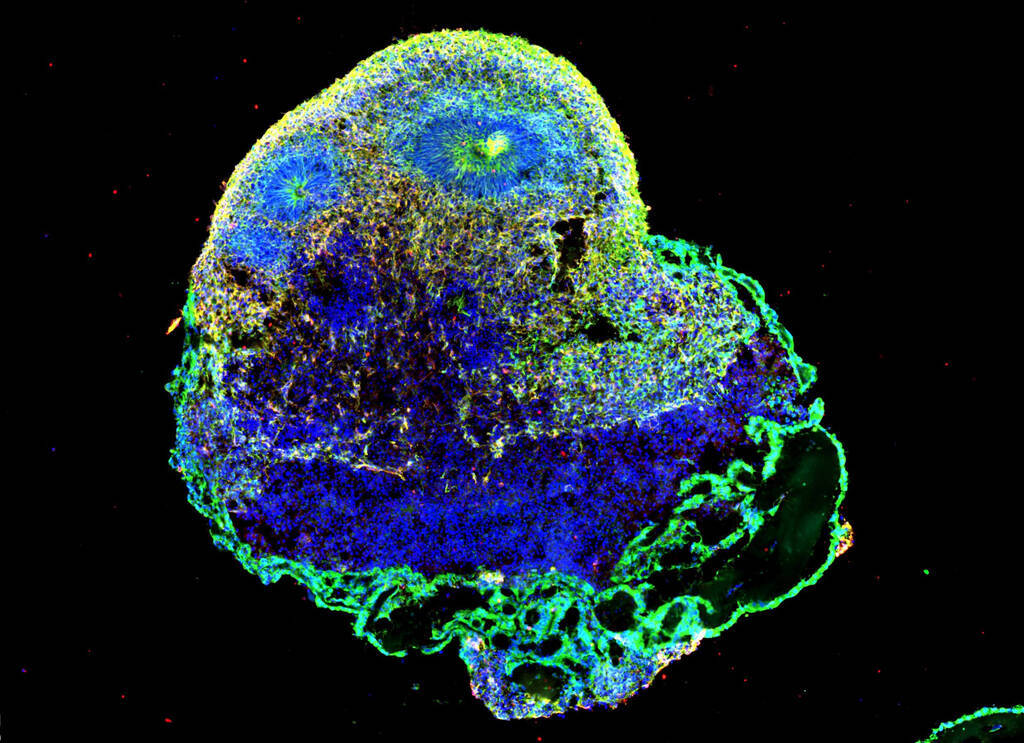
Researchers at the University of Queensland have discovered that COVID-19 accelerates the accumulation of senescent cells in the brain, which contribute to premature aging and cognitive impairments. Using synthetic brain organoid models, they identified four drugs that selectively eliminate these cells caused by COVID-19, rejuvenating the brain and reducing neurodegenerative symptoms. The study provides insights into the relationship between viral infections, aging, and neurological well-being, and could lead to the development of treatments for post-acute infection syndromes and neurodegenerative diseases.

health2 years ago

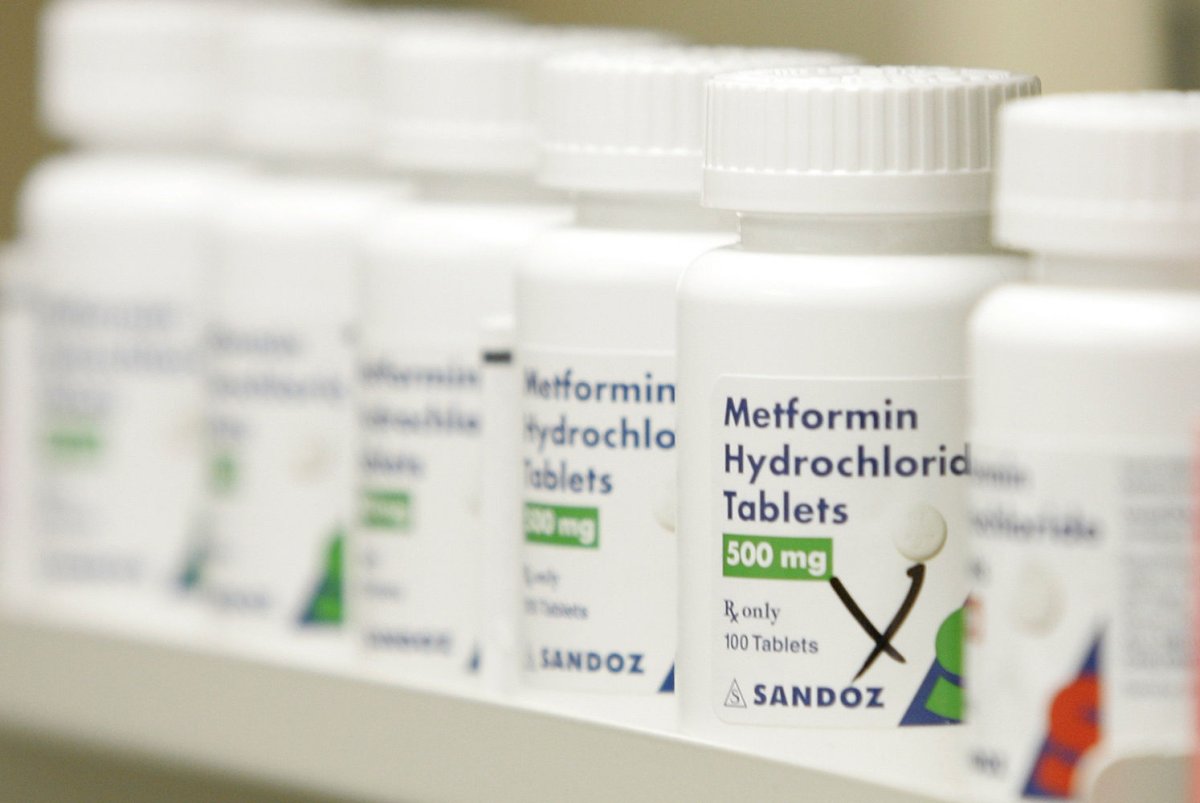
Metformin: A Promising Aid for Senior Recovery from Injury and Illness

A small study suggests that the diabetes drug metformin may benefit older patients recovering from injury or illness by targeting senescent cells that affect muscle function. These cells release chemicals linked with inflammation and scarring, but metformin works against these properties and reduces muscle wasting. The study raises questions about the potential use of metformin in recovery from surgeries or periods of disuse. However, more research is needed to explore the drug's effects and potential side effects before considering it as an anti-aging therapy.

health2 years ago

Revolutionary Molecule Unleashes the Power to Eliminate "Zombie" Cells in Aging

Scientists have discovered a new molecule, CUDC-907, that can selectively destroy aging, non-functional cells (senescent cells) without harming healthy ones. This breakthrough could potentially delay tissue aging, improve quality of life, and increase life expectancy. The molecule has shown promising results in vitro and is also being investigated for its anti-cancer effects. Animal testing will now begin to further evaluate its effectiveness. The drug could have a dual effect by acting against old cells that contribute to cancer relapse. Additionally, it may have applications in diseases where the accumulation of senescent cells plays a role, such as Alzheimer's disease.