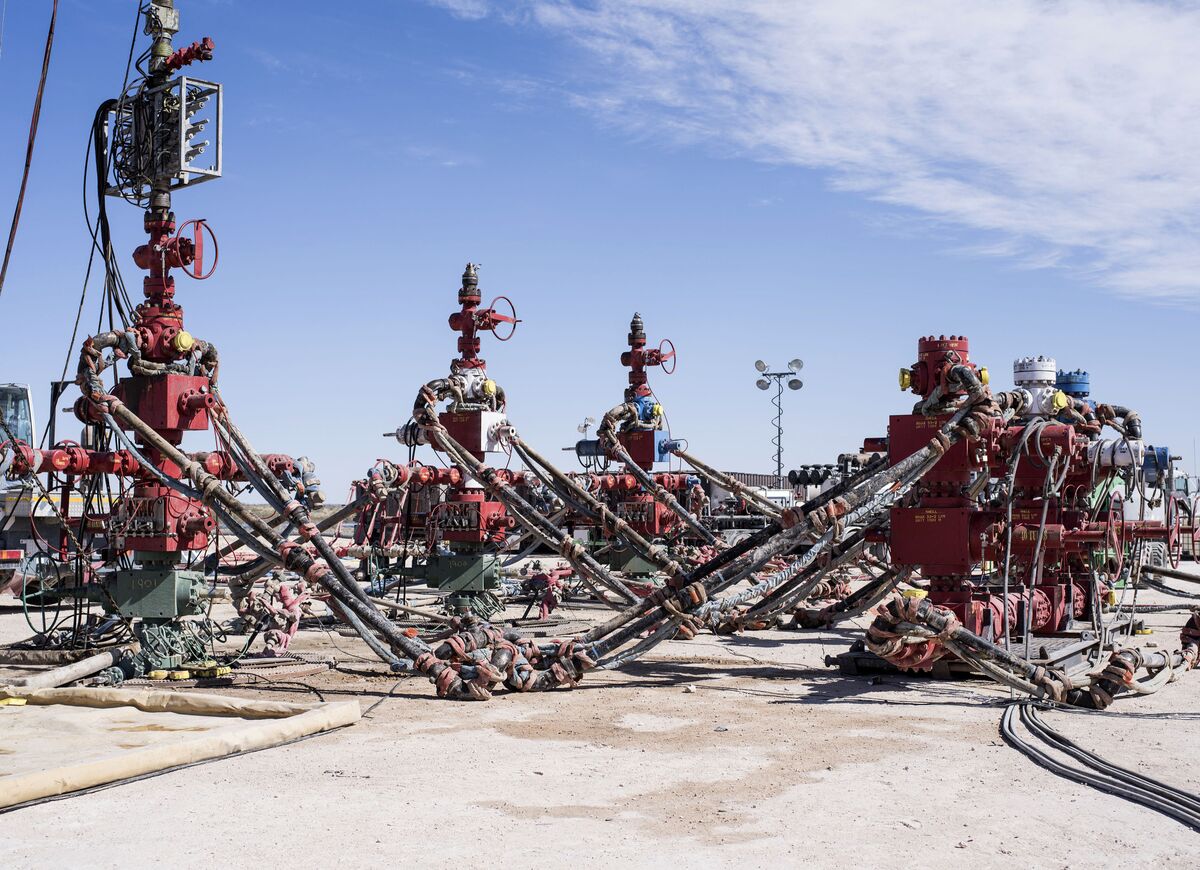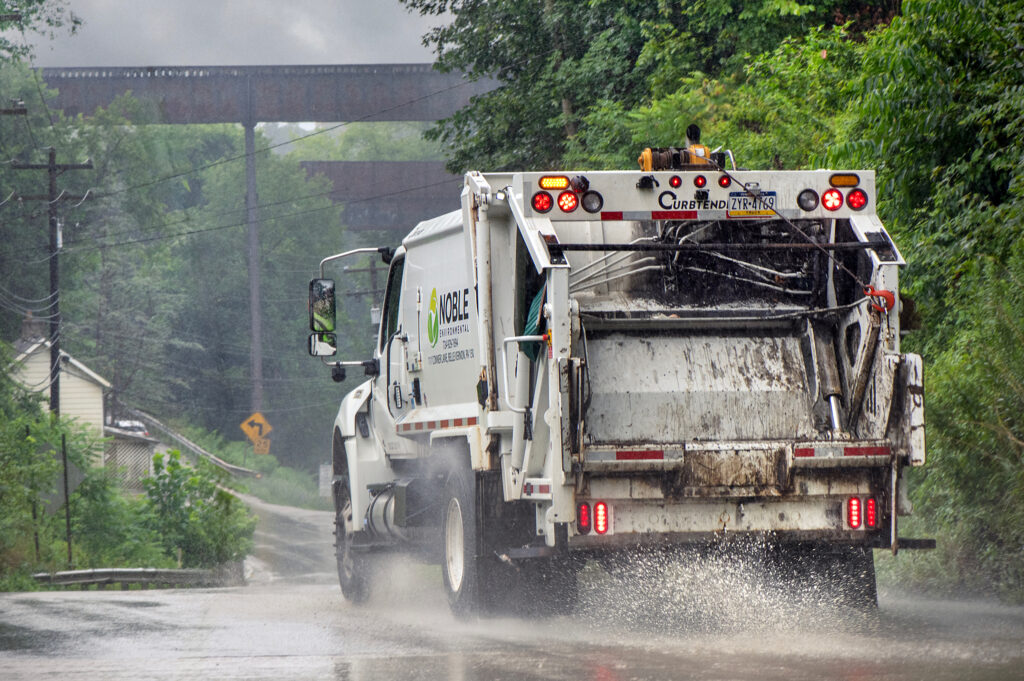
Twenty years into fracking in Pennsylvania, the state has yet to effectively address the radioactive waste generated, with frequent alarms at landfills indicating ongoing risks to public health and the environment, despite regulatory efforts and new research showing higher levels of radioactivity than previously understood.
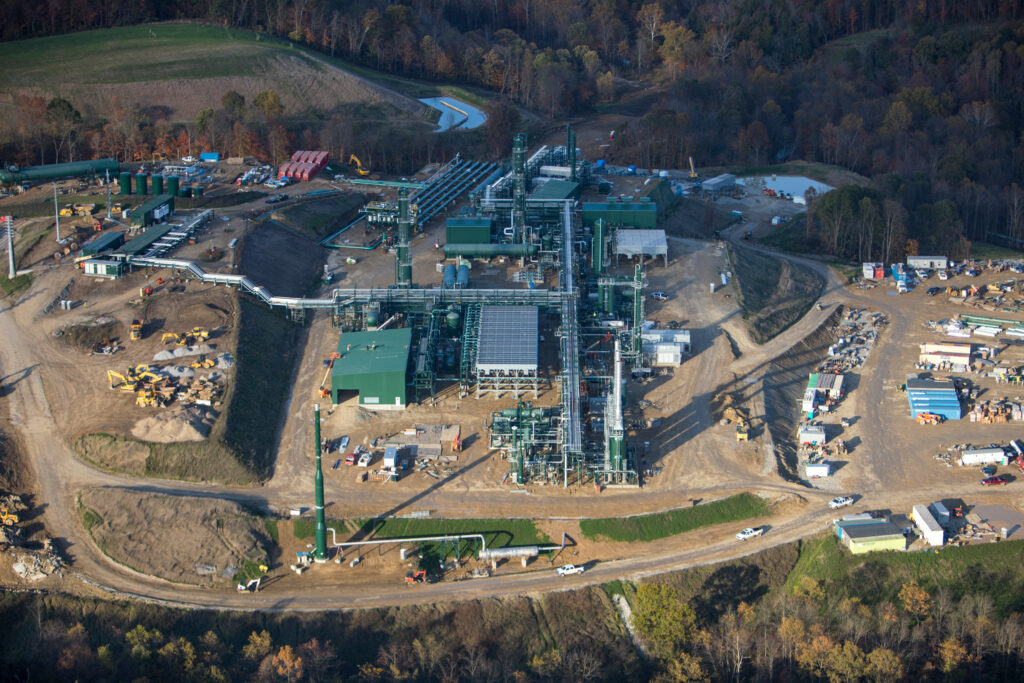
Despite promises that fracking would lower energy costs in Pennsylvania, residents have faced rising electricity bills and energy insecurity, driven by increased exports, infrastructure investments, and market volatility, revealing a disconnect between industry claims and the lived realities of Pennsylvanians.
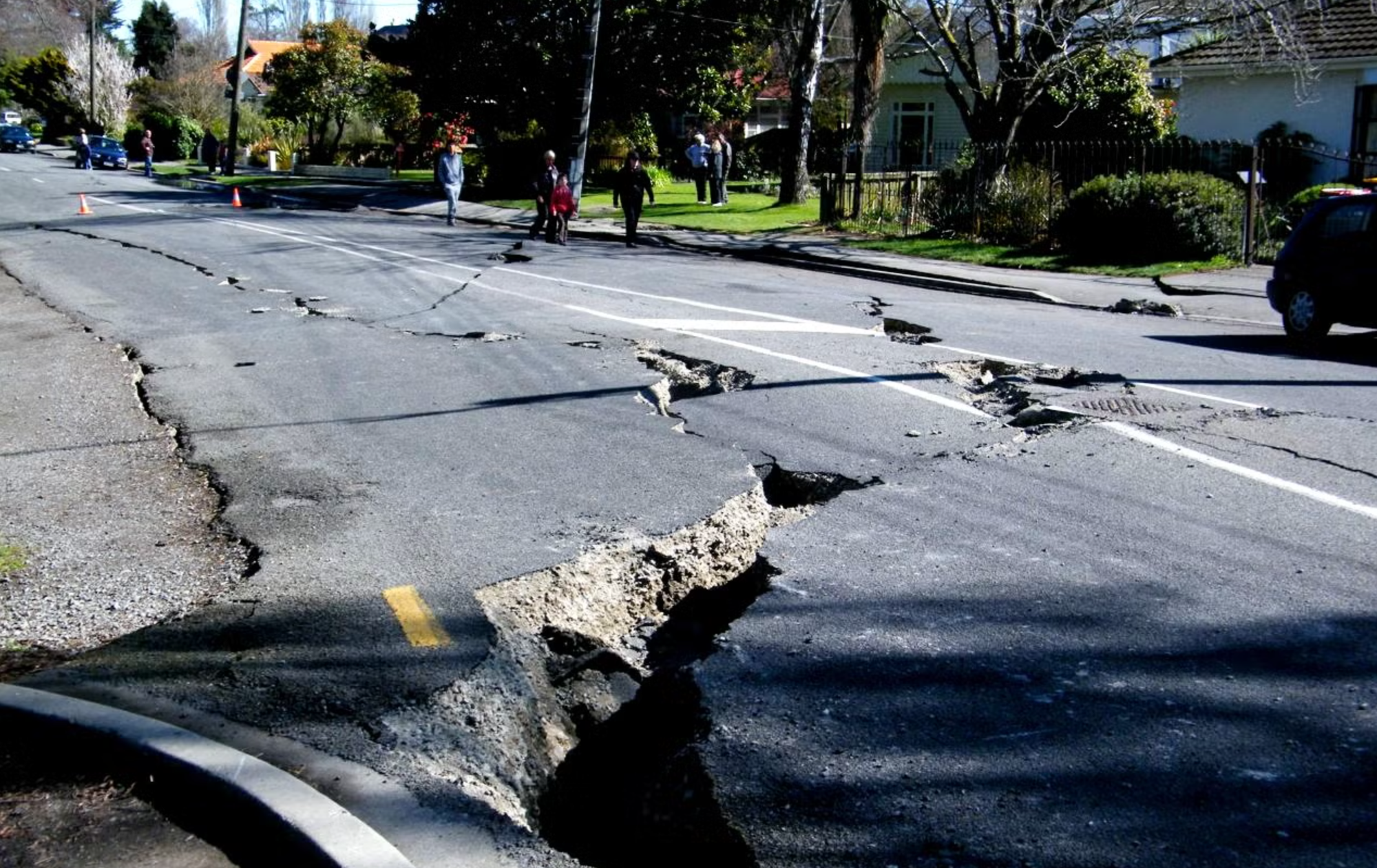
Scientists in Canada have discovered a new type of slow, man-made earthquake triggered by hydraulic fracturing, characterized by longer durations and lower frequency waveforms, which may be linked to aseismic slip—a slow fault movement that doesn't produce strong seismic energy. This finding challenges traditional views on induced earthquakes and could lead to safer drilling practices by detecting these slow-slip signals early.
A significant lithium deposit has been discovered in the wastewater from Pennsylvania's fracking industry, potentially fulfilling over 30% of the U.S. lithium demand. This discovery could reduce reliance on imports and support the renewable energy transition, but it raises environmental concerns due to the energy-intensive extraction process and potential risks to groundwater quality. Researchers are exploring sustainable extraction methods, but the balance between innovation and environmental protection remains a challenge.
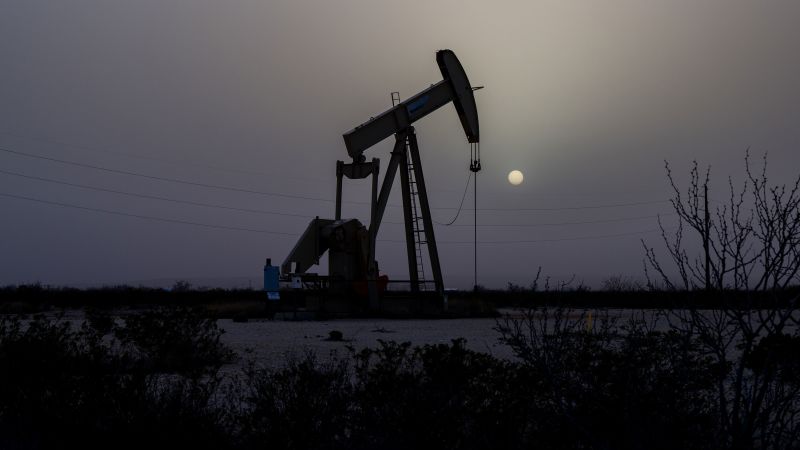
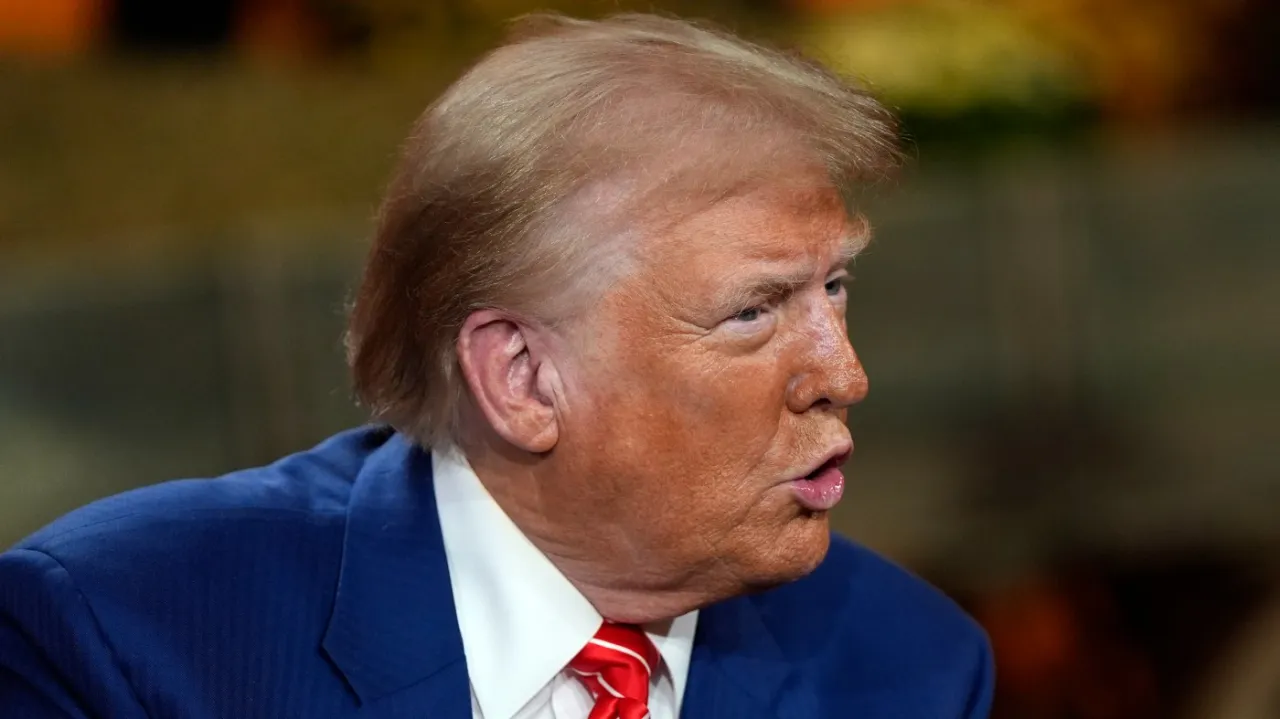
President-elect Donald Trump's push for increased shale production in the US faces challenges due to a global crude oil glut, which is expected to slow down the pace of output growth. Despite Trump's promises to boost production and lower pump prices, analysts predict a modest increase of 251,000 barrels a day through 2025, marking the slowest growth since the pandemic-induced drop in 2020.
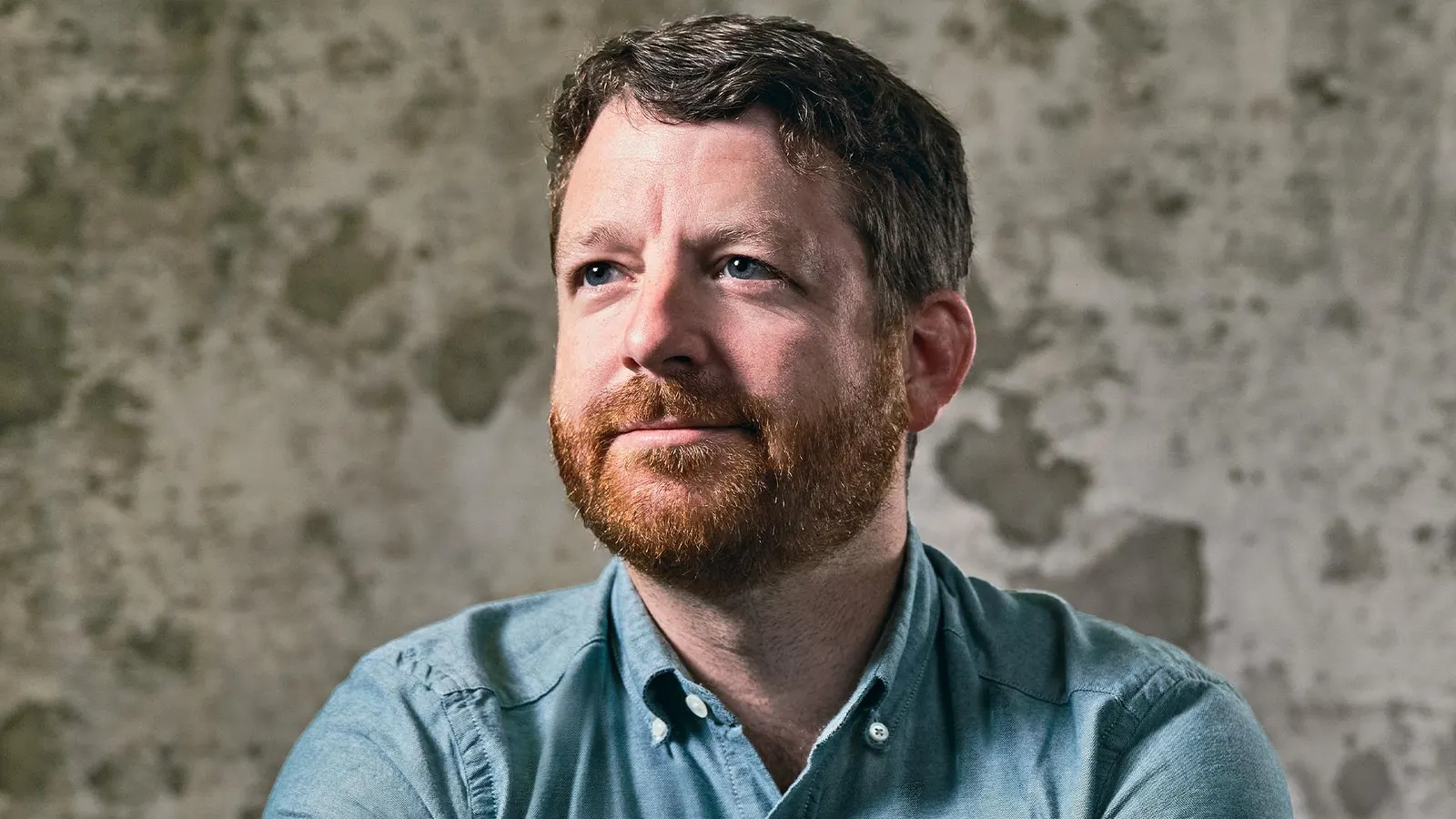
Tim Latimer, CEO of Fervo Energy, is pioneering the use of fracking techniques to harness geothermal energy from superhot rocks deep underground, aiming to produce 2,000 megawatts of zero-carbon power by 2030. Despite raising over $400 million from investors like Bill Gates and Mark Zuckerberg, the project faces potential challenges from President-elect Trump's plans to cut green energy subsidies. Fervo's innovative approach could revolutionize clean energy, but it must navigate technical, financial, and political hurdles.
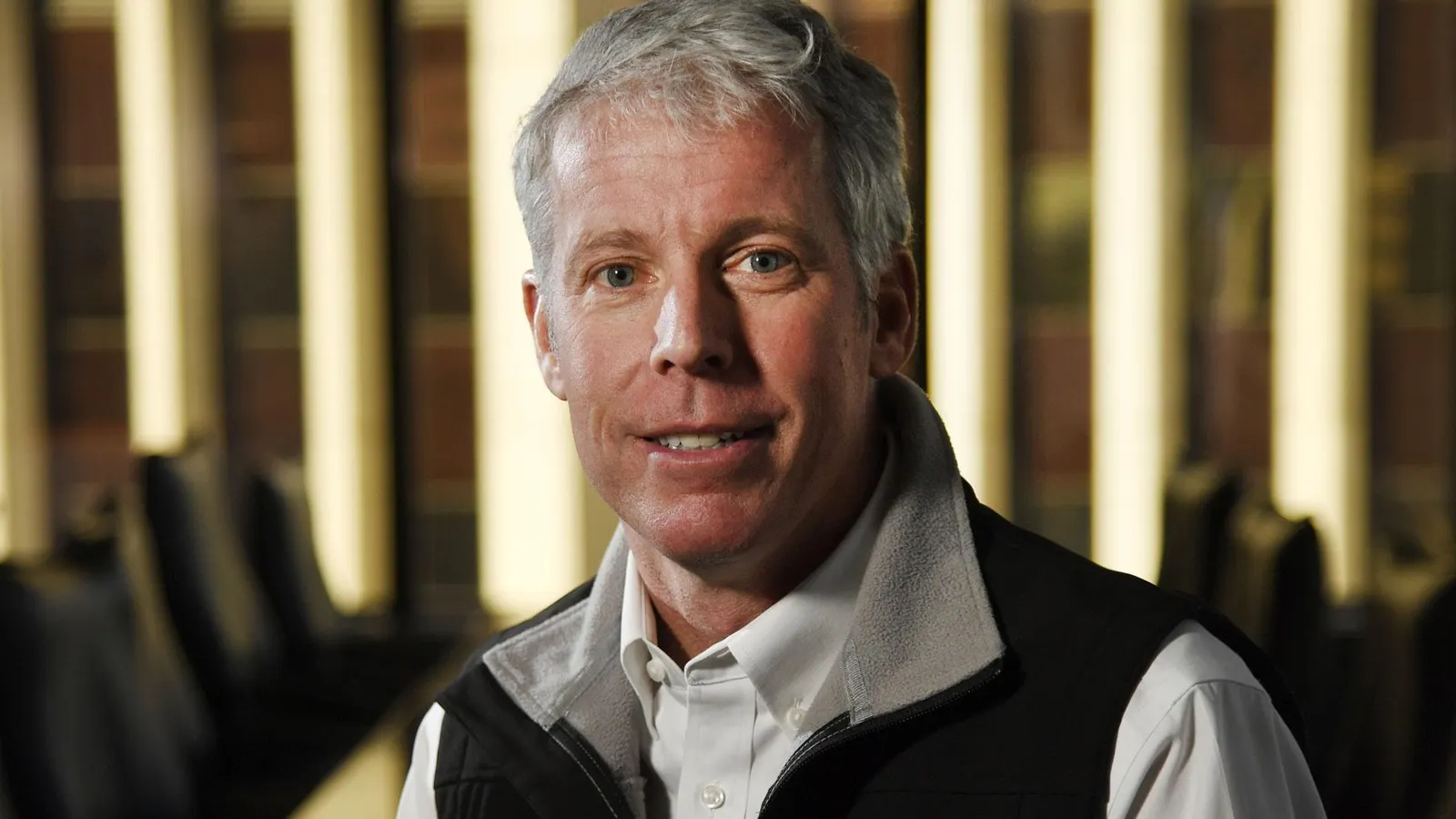
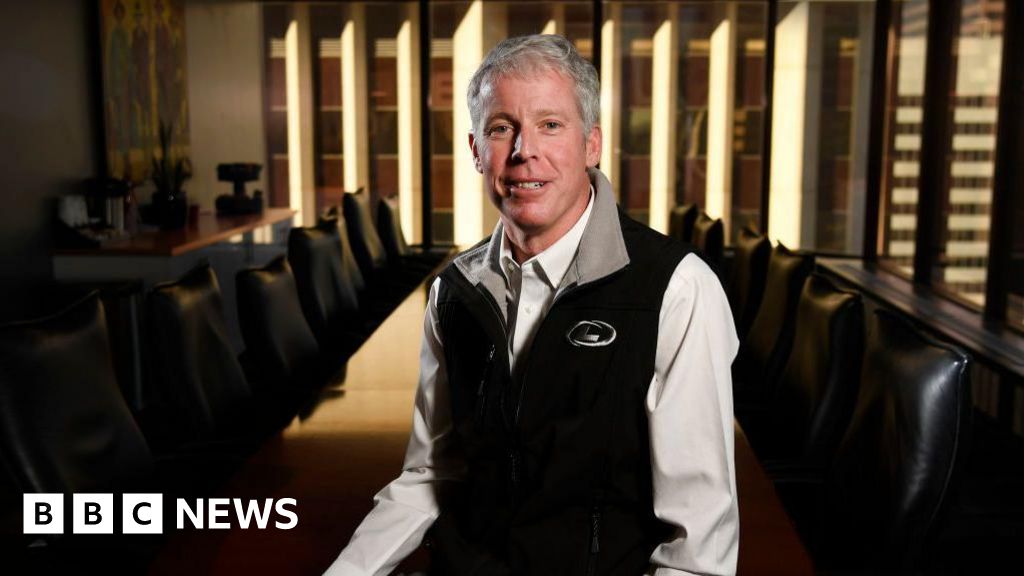
Chris Wright, CEO of Liberty Energy and a nominee for U.S. Secretary of Energy under Trump, is a pragmatic energy entrepreneur who acknowledges climate change but emphasizes the need for reliable and affordable energy, including fossil fuels. Wright, an MIT and Berkeley-trained engineer, has invested in next-gen technologies like geothermal energy and nuclear power, while expressing skepticism about the environmental benefits of wind and solar energy. He advocates for energy sources that are available 24/7 and has led Liberty Energy to invest in startups focused on scalable, low-carbon energy solutions.
President-elect Donald Trump has appointed Chris Wright, a strong advocate of fracking, as the Secretary of Energy, aiming to boost US oil production and lower gas prices. However, experts suggest that increasing production may not significantly reduce gas prices due to existing high output levels and global market dynamics. The US already leads in oil production, and further increases could trigger OPEC to adjust its output, potentially leading to economic challenges for US producers. Additionally, global demand for oil is slowing, influenced by economic factors and clean energy initiatives.
President-elect Donald Trump has appointed Chris Wright, CEO of Liberty Energy and a skeptic of mainstream climate science, as the new Secretary of Energy. Wright, recognized for his role in the American Shale Revolution, will also serve on a new National Energy Council, with a focus on innovation and reducing regulatory barriers.
President-elect Donald Trump has nominated Chris Wright, CEO of Liberty Energy, as Secretary of Energy. Wright, a fracking executive, is known for his skepticism of climate change policies and the transition to renewable energy. He has criticized efforts to curb climate change, arguing that the benefits of increased energy consumption outweigh any negative impacts. Wright's nomination aligns with Trump's energy agenda, which includes expanding drilling and reducing energy costs. The Senate must approve Wright's appointment before he can assume the role.
Donald Trump has nominated Chris Wright, CEO of Liberty Energy and a fracking pioneer, to lead the US Energy Department. Wright, a climate change skeptic, is expected to advance Trump's agenda of increasing fossil fuel production, encapsulated by the slogan "drill, baby, drill." His appointment is seen as a victory for the fossil fuel industry, with plans to enhance US energy dominance and reduce regulatory barriers. Wright's leadership is anticipated to focus on boosting oil and gas output rather than investing in renewable energy sources.
President-elect Trump has nominated Chris Wright, CEO of Liberty Energy and a fracking industry leader, as Energy Secretary. Wright, a Trump donor, will need Senate confirmation and is expected to focus on reducing regulations and boosting oil and gas production. He will also serve on a new Council of National Energy. The nomination highlights Trump's support for the fracking industry, despite its environmental controversies.
Recent findings challenge the cold dark matter theory as the James Webb Space Telescope reveals unexpectedly massive early galaxies, potentially supporting modified Newtonian dynamics. Meanwhile, a new biological paradigm, holobiont biology, emphasizes the role of microbes in organism development and evolution. In energy news, regulatory measures in Oklahoma have reduced fracking-induced earthquakes, suggesting that controlling injection depths could mitigate seismic activity.
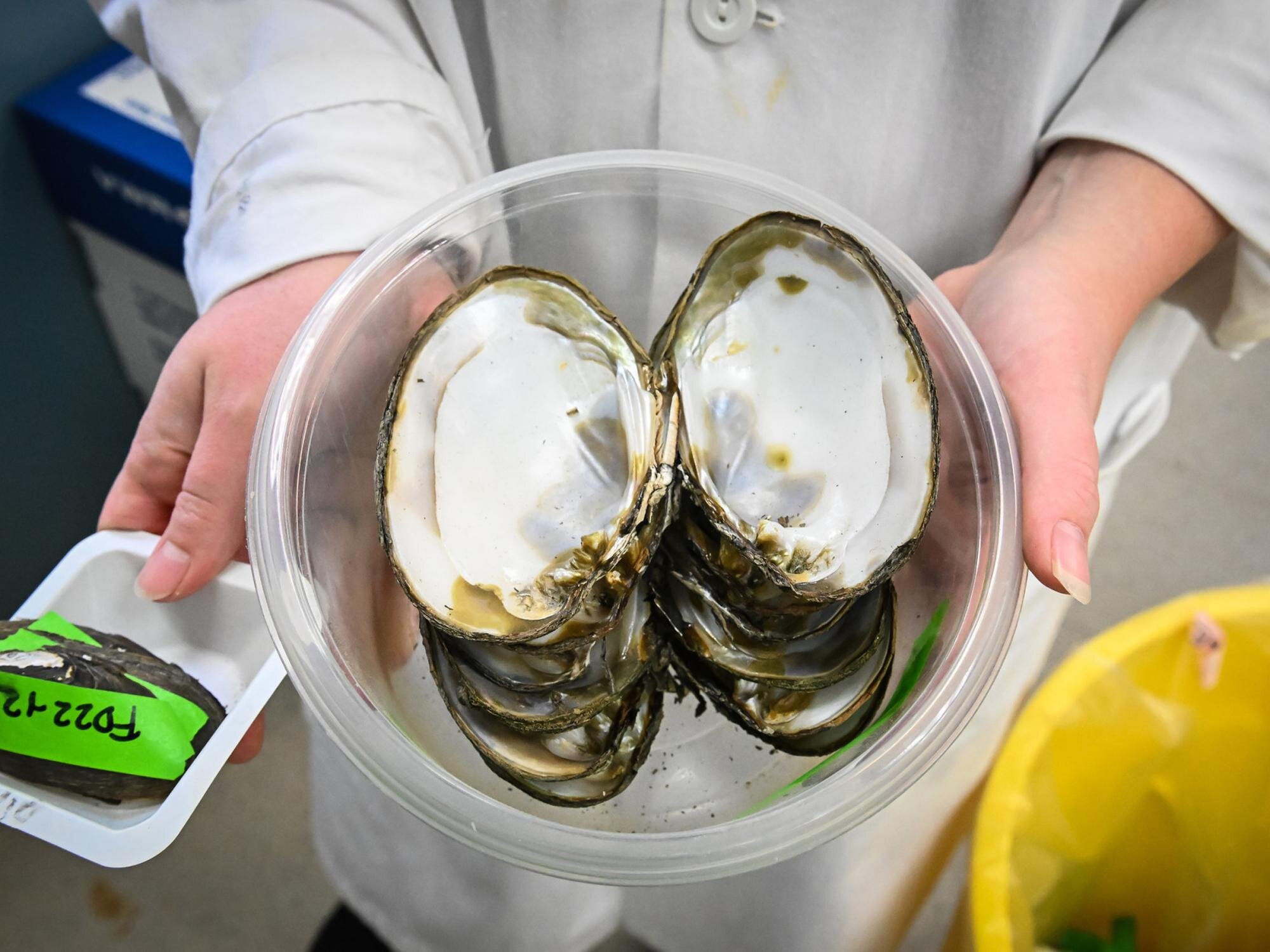
A study by Penn State researchers found that freshwater mussels downstream of a decommissioned wastewater treatment plant in Western Pennsylvania, which had treated fracking wastewater, contained radium in their tissues and shells. The contamination, traced to the Marcellus Shale fracking operations, raises concerns about the ecological impact and potential health risks to other aquatic life and species that consume mussels.
A magnitude-5.1 earthquake centered near Prague, Oklahoma, shook communities across at least five states, with no immediate reports of damage. The USGS warned of potential aftershocks, and the event ranked among the top four greatest earthquakes in the state since 1900. Previous earthquakes in the region have been linked to human activities such as wastewater injection from oil and gas production, and the USGS has noted that fracking can trigger quakes and impact groundwater, although it's too early to determine whether human activities played a role in this quake.