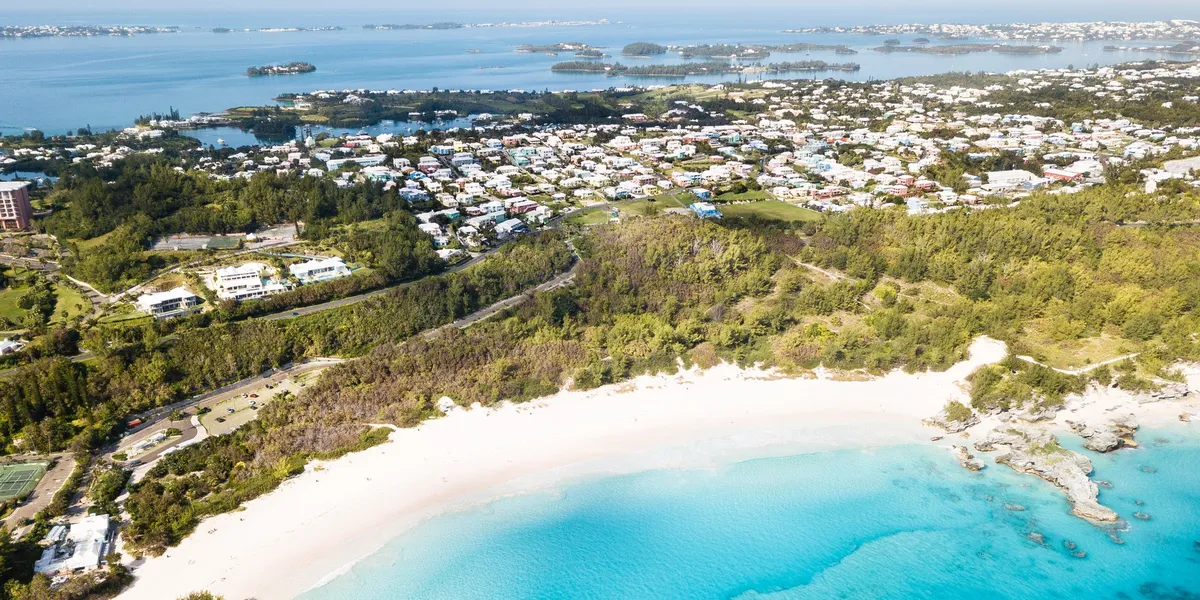
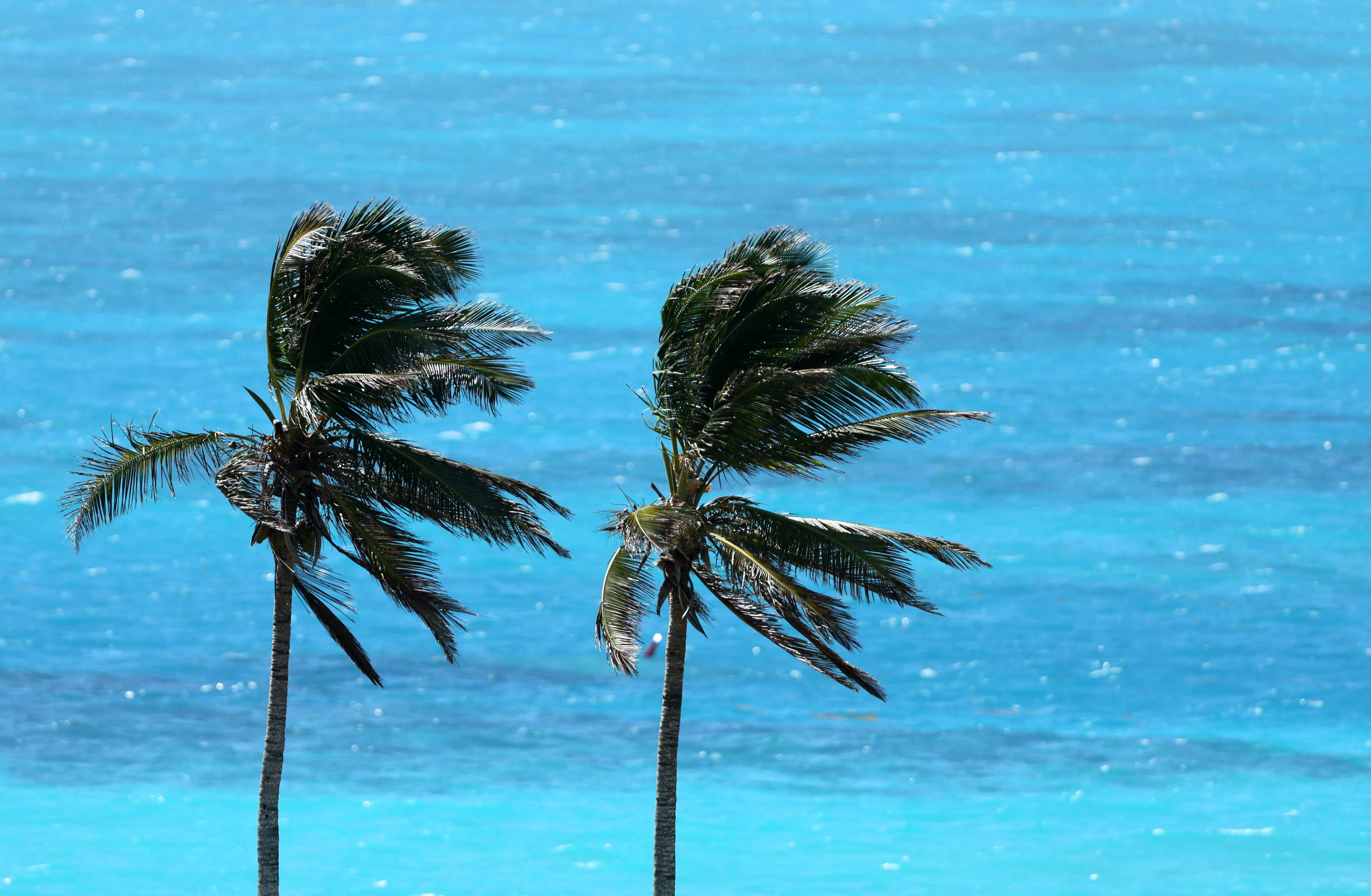
Scientists have discovered a massive, unusual rock layer beneath Bermuda, measuring 12.4 miles thick and sitting within the tectonic plate, which is unlike anything previously found on Earth and challenges existing geological understanding of the region.
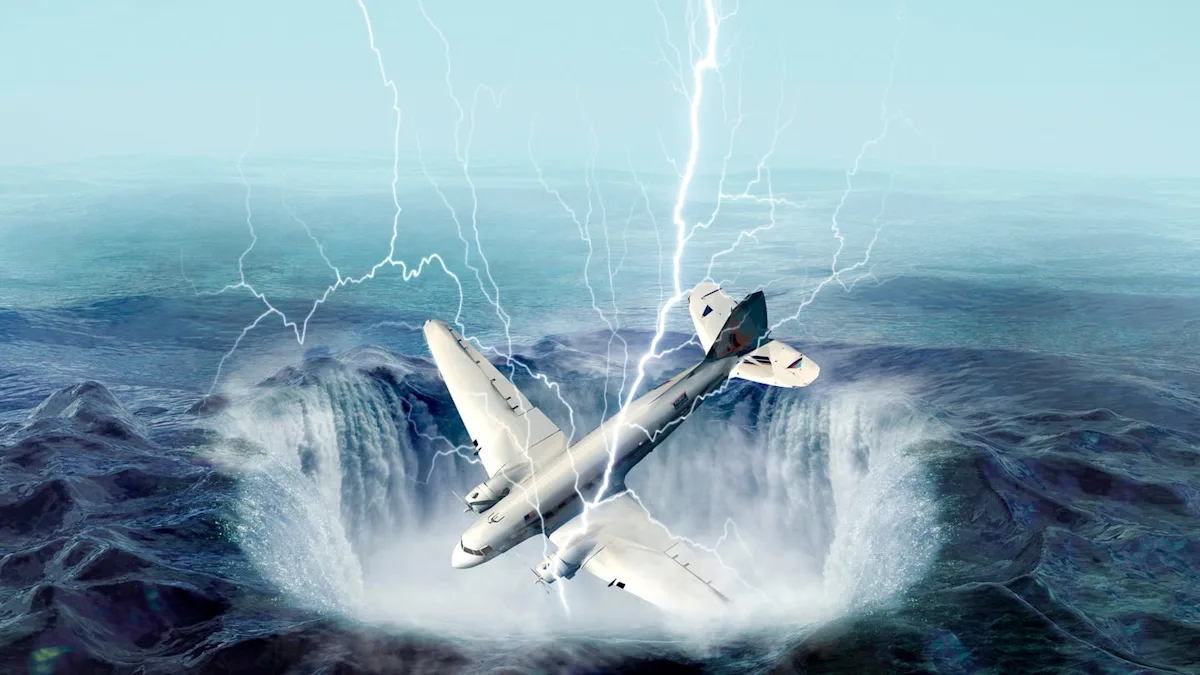
A scientist from the University of Southampton claims to have solved the mystery of the Bermuda Triangle, attributing the disappearances of ships and planes to rogue waves caused by a perfect storm of weather conditions, rather than supernatural or extraterrestrial causes.
Australian scientist Karl Kruszelnicki and organizations like NOAA argue that the Bermuda Triangle's reputation for mysterious disappearances is unfounded, attributing incidents to natural weather phenomena and human error rather than supernatural causes or conspiracy theories, emphasizing that the area experiences similar risks as other busy maritime regions.
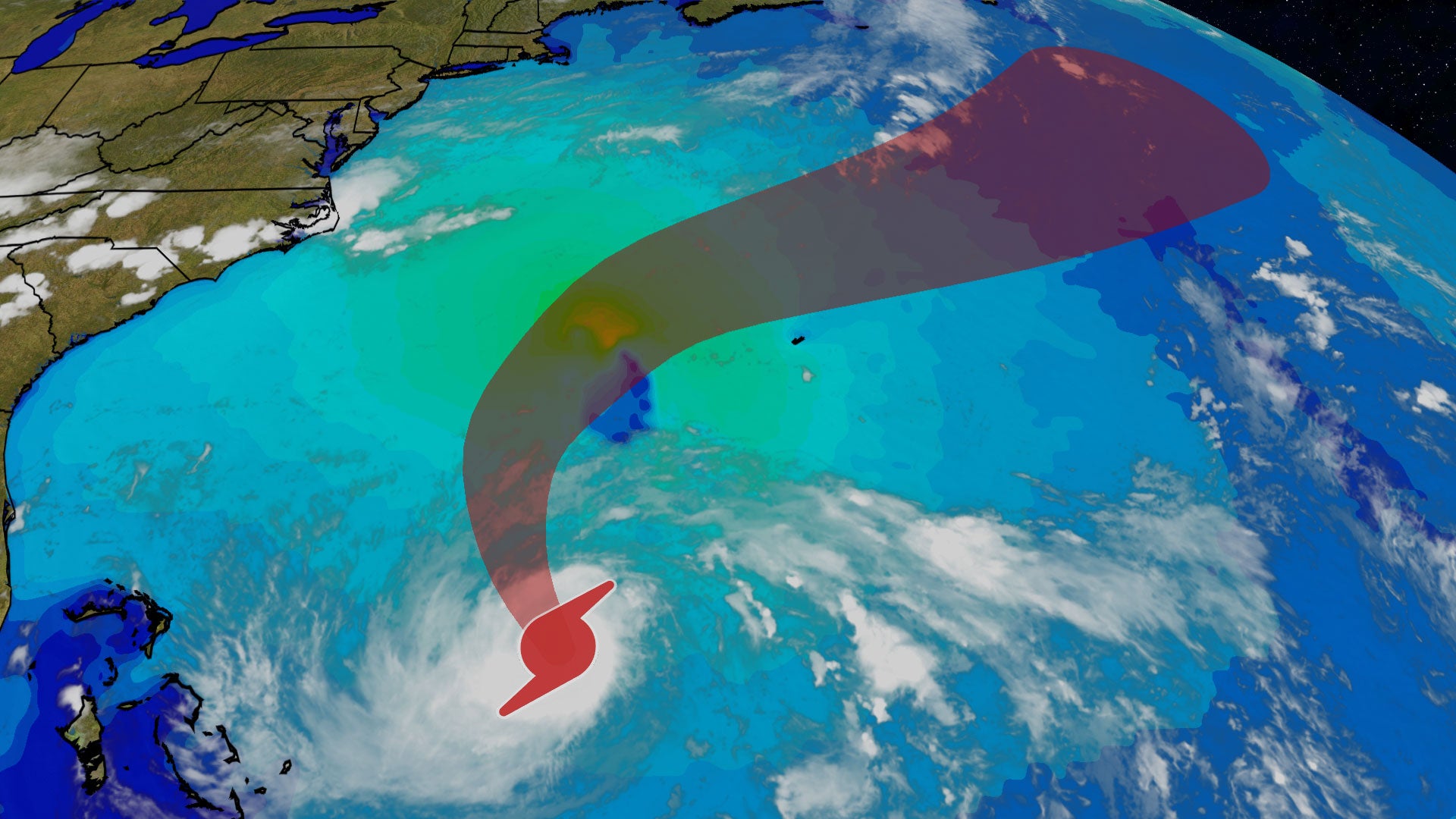
Hurricane Franklin is expected to become a major hurricane on Monday as it strengthens in the Bermuda Triangle. While it will remain well off the U.S. East Coast, it will generate high surf and rip currents, posing a threat to beachgoers. There is also a possibility that Franklin could track close to Bermuda, potentially bringing stronger winds, heavy rain, and coastal flooding to the archipelago. Interests in Bermuda should closely monitor the forecast and be prepared.
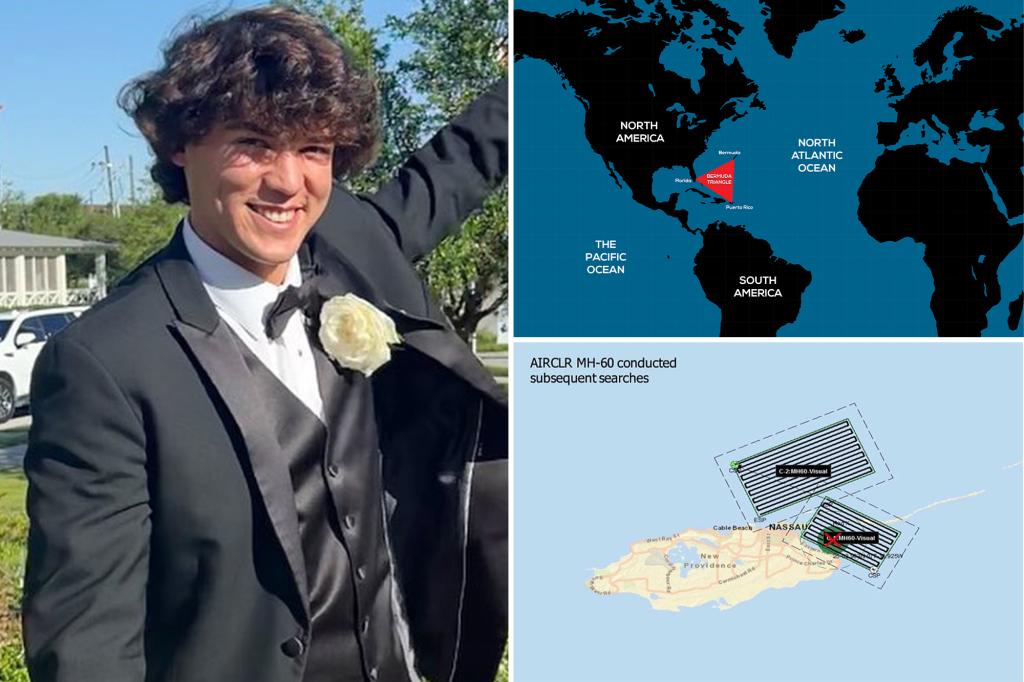
Louisiana teen Cameron Robbins vanished after jumping off a “pirate ship” in the waters off Athol Island in the Bahamas just north of its capital, Nassau, on May 24. The waters where he disappeared are within the Bermuda Triangle, a notorious region where countless people, ships, and planes have mysteriously disappeared. The US Coast Guard spent days looking for any sign of Robbins, but the search was called off after finding no trace of him or his possessions. The Bermuda Triangle is a notoriously difficult area to navigate, with rough seas and a number of extreme weather patterns. Despite numerous theories, official bodies insist there is nothing unusual about the Bermuda Triangle and it remains a high-traffic area of vessels and planes.
Australian scientist Karl Kruszelnicki has claimed that the mystery behind the Bermuda Triangle is a matter of "probabilities" and not supernatural explanations. He believes that human error and poor weather conditions are likely behind all the disappearances that have contributed to the superstition associated with the Bermuda Triangle. The National Oceanic and Atmospheric Association (NOAA) also maintains this position, stating that there is no evidence that mysterious disappearances occur with any greater frequency in the Bermuda Triangle than in any other large, well-traveled area of the ocean.