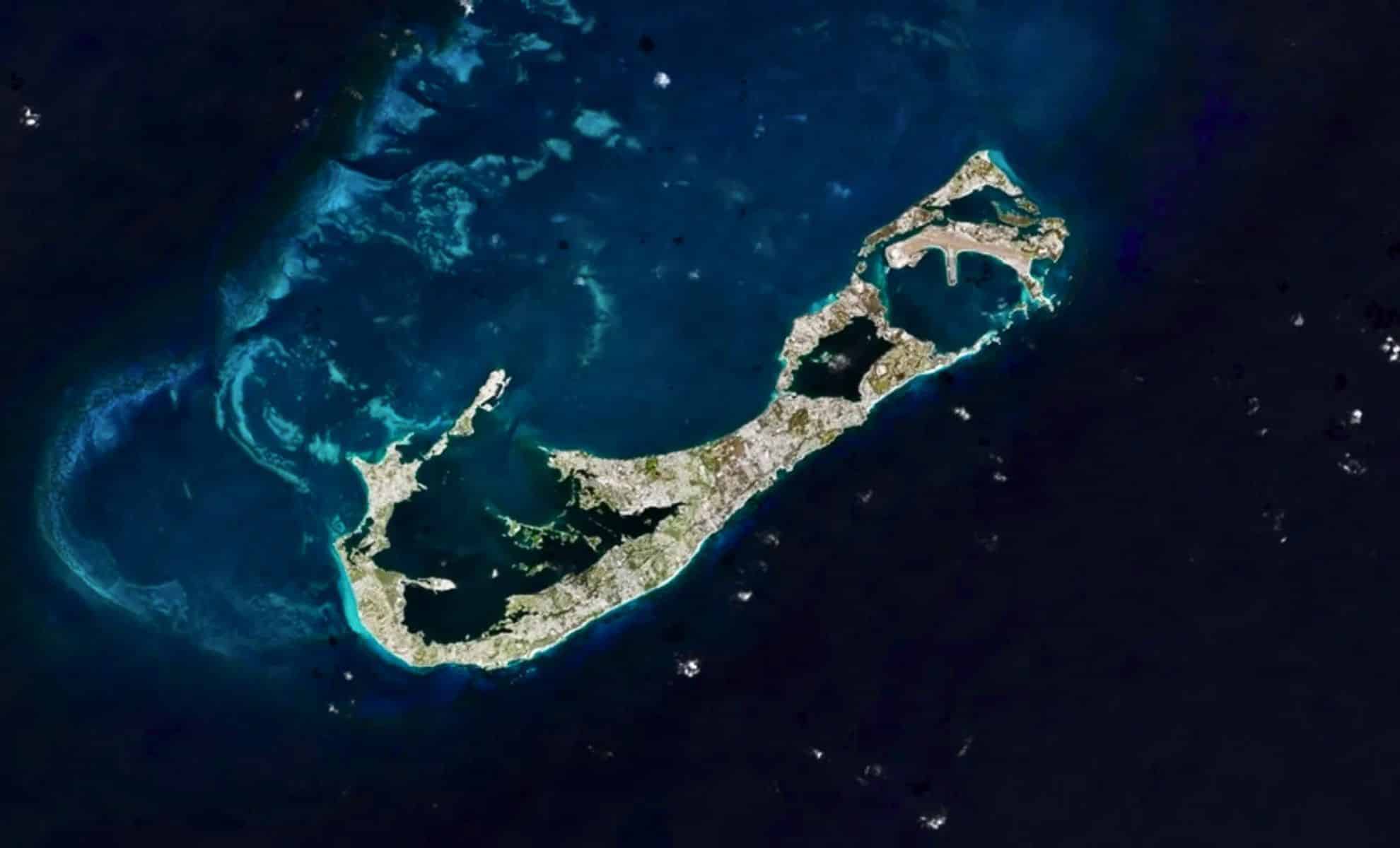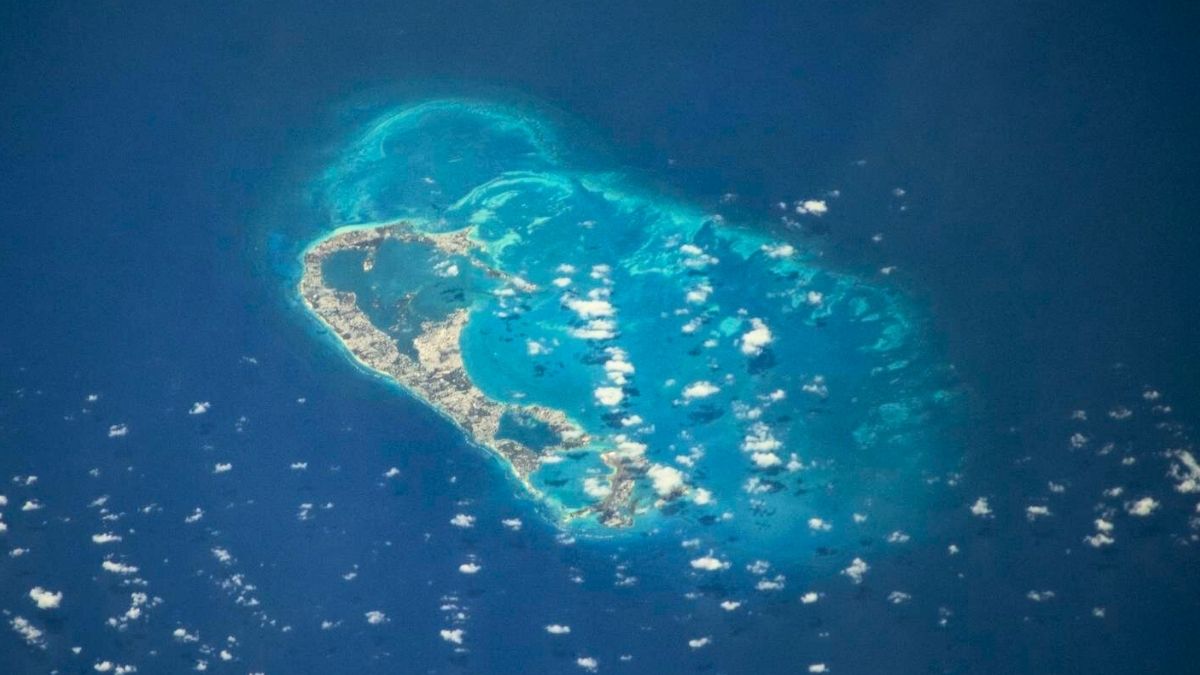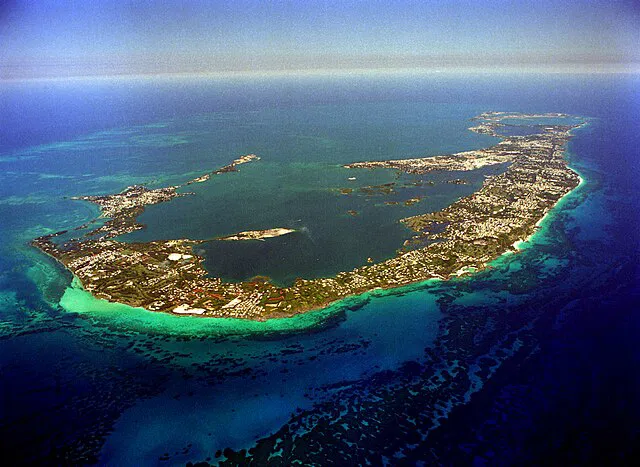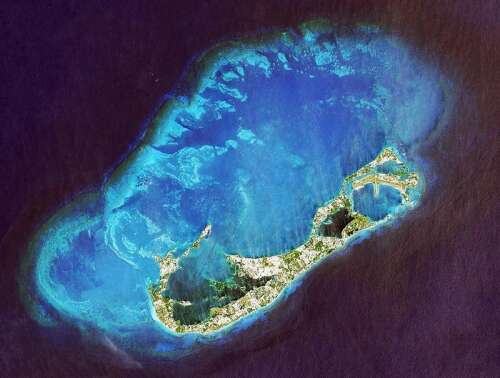
Scientists discovered a massive, 20-kilometer-thick, low-density rock formation beneath Bermuda, challenging traditional island formation theories by suggesting a deep mantle origin linked to ancient volcanic activity and deep carbon-rich mantle processes, which helps explain Bermuda's persistent elevation and unique geological history.
Scientists have discovered a thick layer of low-density rock beneath Bermuda, which may explain the island's unusual buoyancy and the persistent swell supporting it, despite the absence of recent volcanic activity or a mantle plume. This underplating could be a remnant of volcanic activity from 30-35 million years ago, helping Bermuda stay above water until sea levels rise further.
A seismic study uncovered a massive, 12.4-mile-thick rock layer beneath Bermuda, challenging existing geological models and suggesting ancient volcanic activity may have contributed to the island's uplift, which defies typical mantle hotspot patterns. This discovery could reshape understanding of island formation and Earth's crustal processes.
A recent study reveals a massive, lighter rock slab beneath Bermuda, nearly 13 miles thick, which lifts the island above the oceanic crust. This discovery challenges previous understanding of Bermuda's volcanic origins, suggesting the island sits on a buoyant, ancient intrusion rather than a recent volcanic hotspot, and highlights the island's unique geological history.
Scientists have discovered a massive, dense rock structure beneath Bermuda that explains its appearance of floating in the ocean. This unique layer, formed over millions of years after the island's volcanic activity ceased, acts like a raft within the tectonic plate, raising the ocean floor and preventing Bermuda from sinking. The discovery was made using seismic data from earthquake recordings, revealing a layer not seen elsewhere in the world.
Scientists have discovered an unusual, thick, less dense rock layer beneath Bermuda's oceanic crust, which may explain why the island has remained afloat despite volcanic inactivity for over 30 million years. This layer, possibly formed from stalled magma or mantle modifications, appears to be holding Bermuda up and is unique compared to similar layers worldwide, offering insights into Earth's geological processes.
Bermuda's unique geological structure is explained by a 20-kilometer-thick, less dense mantle layer beneath it, which acts like a mantle plume, despite Bermuda lacking recent volcanic activity or typical plume features. This discovery challenges existing models of mantle plumes and suggests Bermuda is supported by an unusual mantle layer, possibly due to its geological history or composition.
Scientists have discovered a massive 12.4-mile-thick, unusual rock layer beneath Bermuda, challenging existing geological models and potentially explaining the island's persistent oceanic swell despite the absence of recent volcanic activity. This layer, a remnant of ancient volcanic activity linked to the breakup of Pangea, offers new insights into Earth's tectonic processes and Bermuda's unique geological history.
Hurricane Melissa, now a Category 2 storm, is moving towards Bermuda and Newfoundland, bringing heavy rain to the Mid-Atlantic and New England regions of the US.
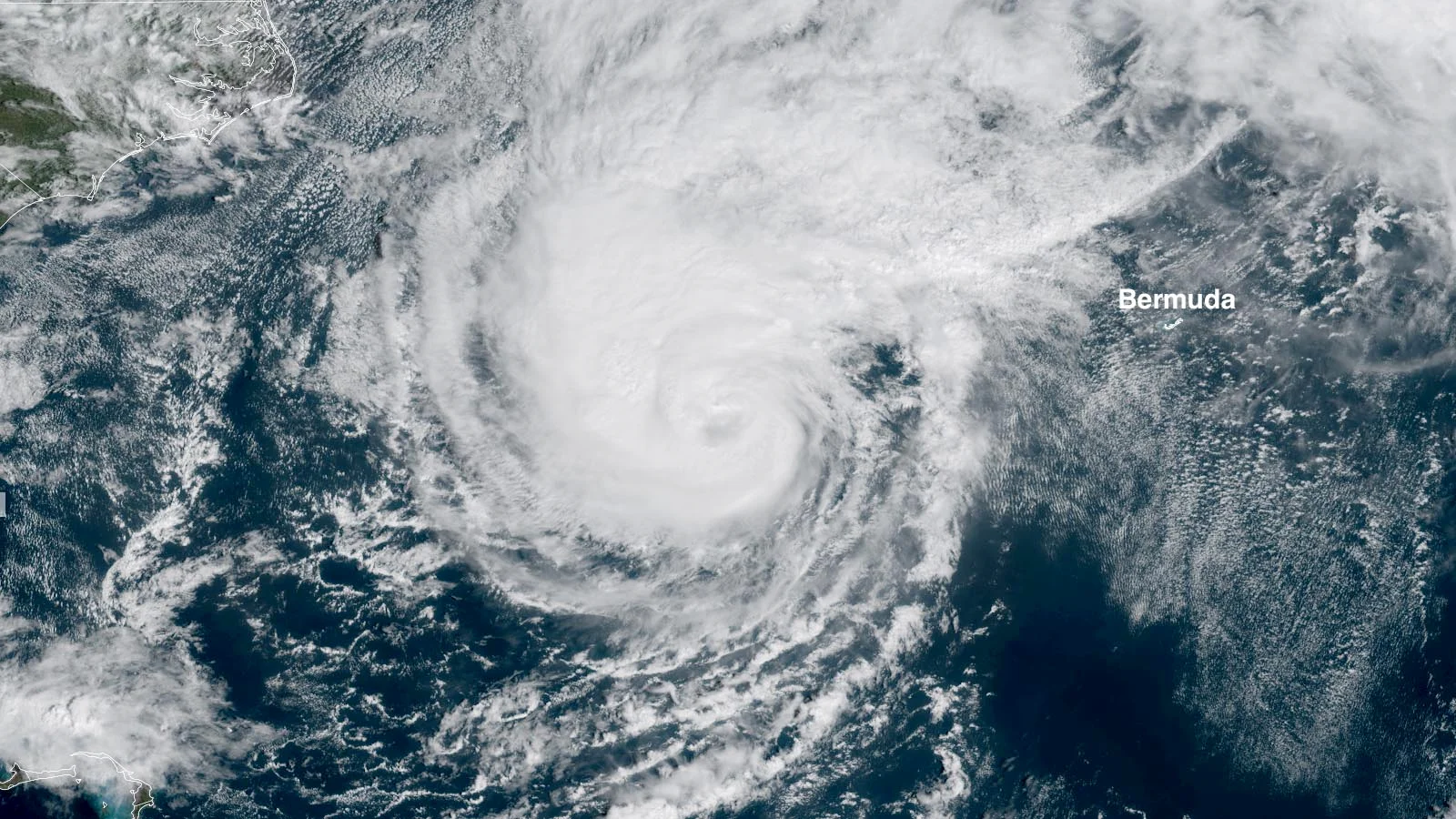
Bermuda is preparing for Hurricane Imelda, which is strengthening and expected to pass close to the island early Thursday morning with winds potentially reaching Category 2 strength, and may transition into a powerful extratropical storm with dangerous winds, while the Atlantic remains relatively quiet overall.
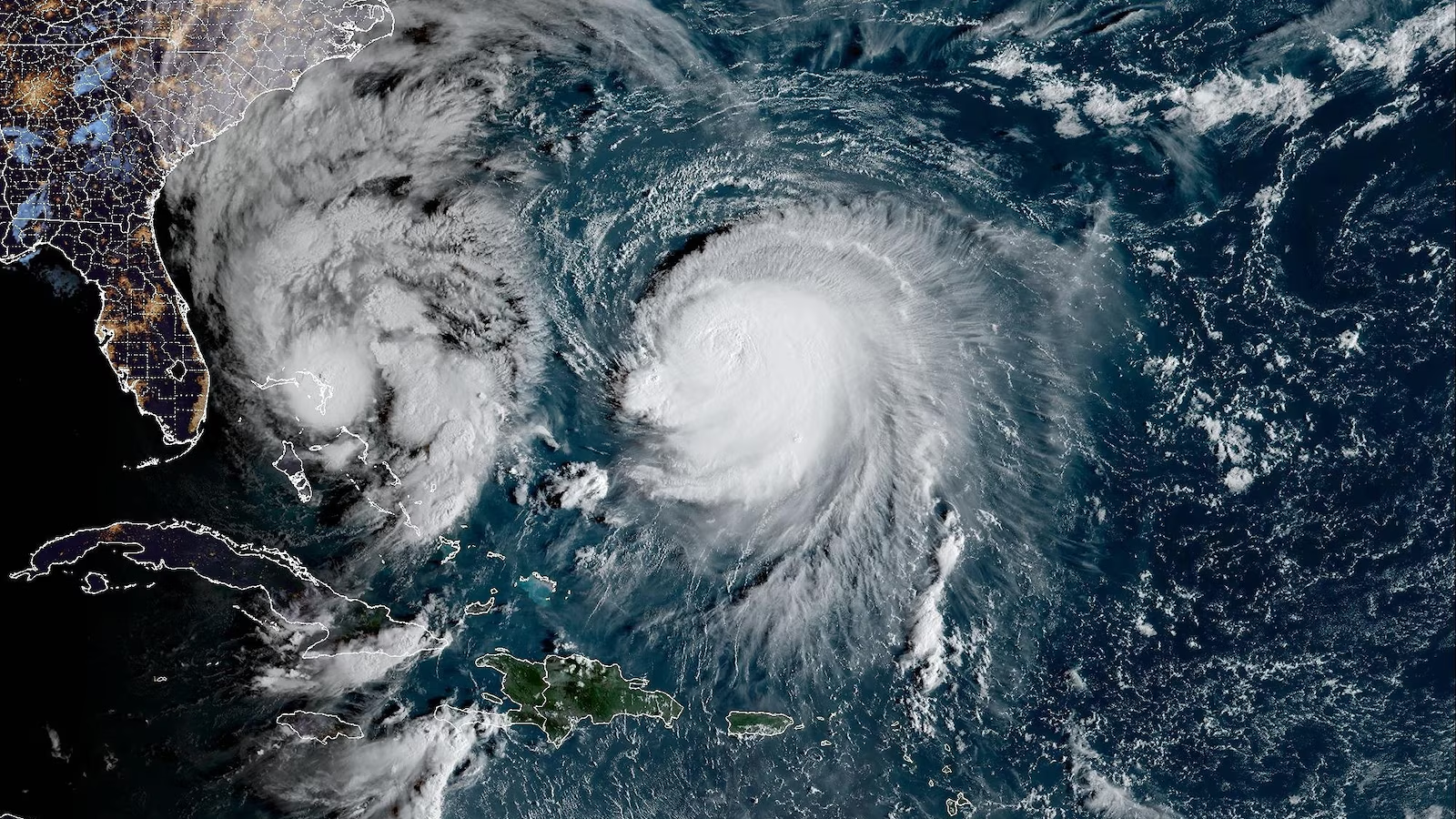
Hurricane Imelda is approaching Bermuda with expected hurricane-force winds, prompting a warning and preparations on the island, while distant Humberto impacts Bermuda with wind and rain. Imelda, currently a Category 1 storm, is forecasted to strengthen into a Category 2, and both hurricanes are causing dangerous surf conditions across the Atlantic region.
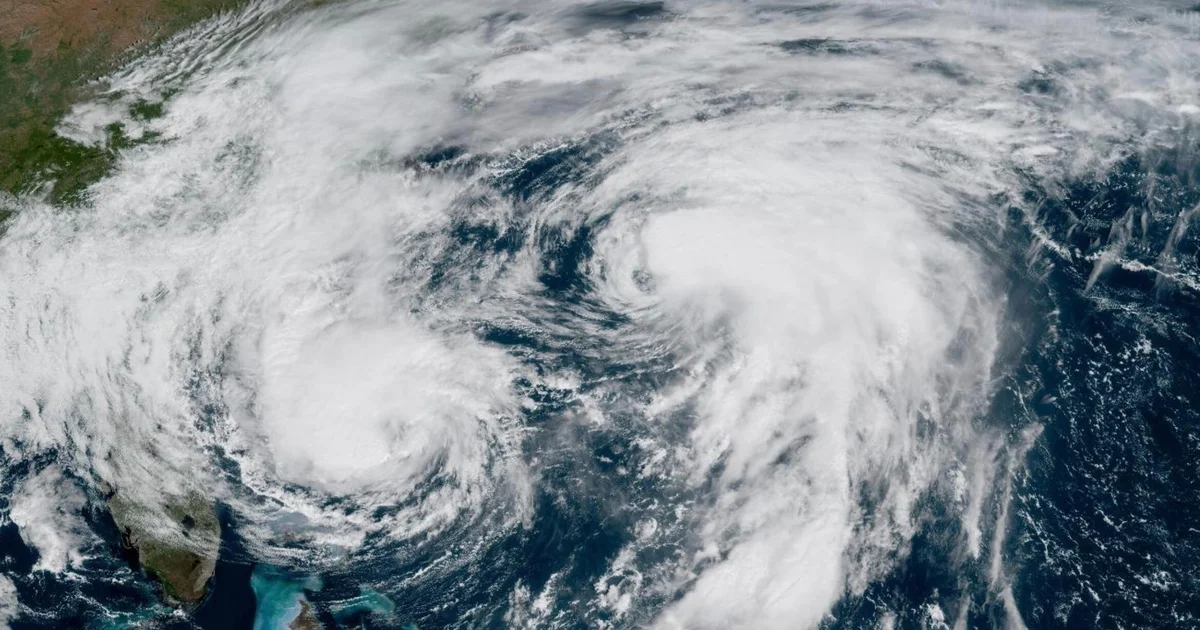
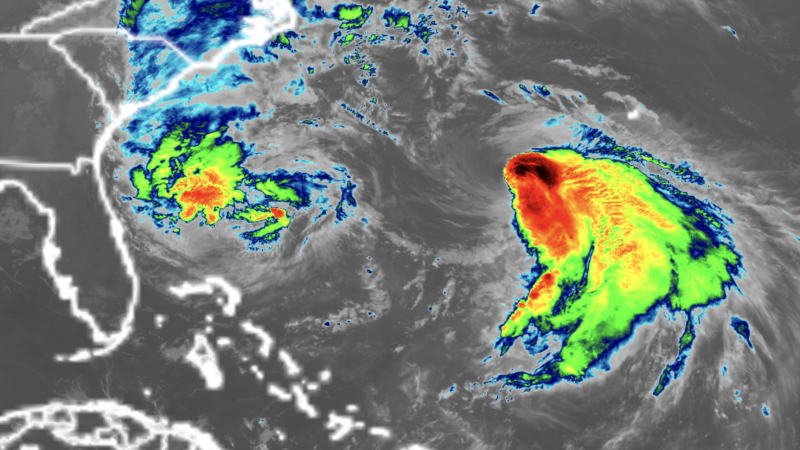
Tropical Storm Imelda is strengthening near the Bahamas but is turning eastward, sparing the US coast from a direct hit, though dangerous surf and rip currents persist. Meanwhile, Bermuda faces a rare double threat from Hurricanes Humberto and Imelda, with Humberto now a Category 2 storm and Imelda potentially making landfall, bringing heavy rain and winds. The US has avoided a direct hurricane landfall this season, but the storms have reached major strength early in the season, highlighting increased rapid intensification due to climate change.
Tropical Storm Imelda is approaching the Southeast US coast but will not make landfall, bringing rain, strong winds, high surf, rip currents, and potential flooding from the Carolinas to Virginia, and possibly hitting Bermuda as a hurricane. Meanwhile, Hurricane Humberto is affecting Bermuda with heavy rain.
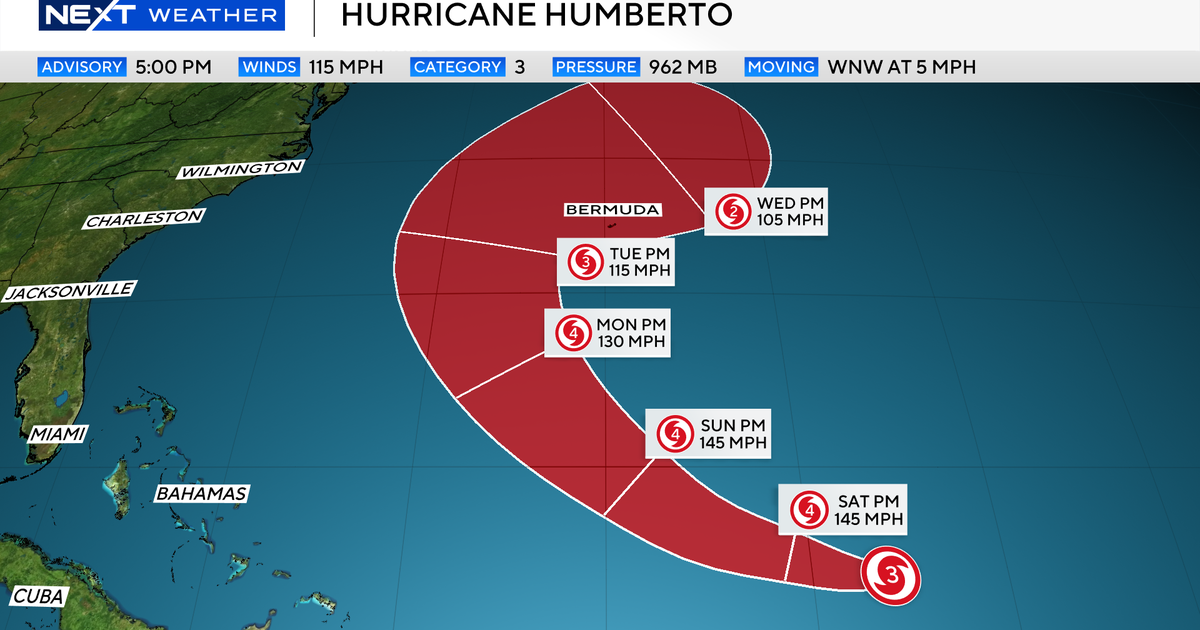
Hurricane Humberto, the eighth storm of the 2025 Atlantic season, has strengthened to a Category 4 but is not expected to impact South Florida directly; it is currently moving northwest and is projected to head towards the Carolinas, with potential indirect marine hazards for South Florida.
Tropical Storm Gabrielle is expected to become a Category 2 hurricane, passing east of Bermuda and missing the U.S. mainland, but potentially causing dangerous swells and rip currents in nearby regions, marking the second Atlantic hurricane of the season.