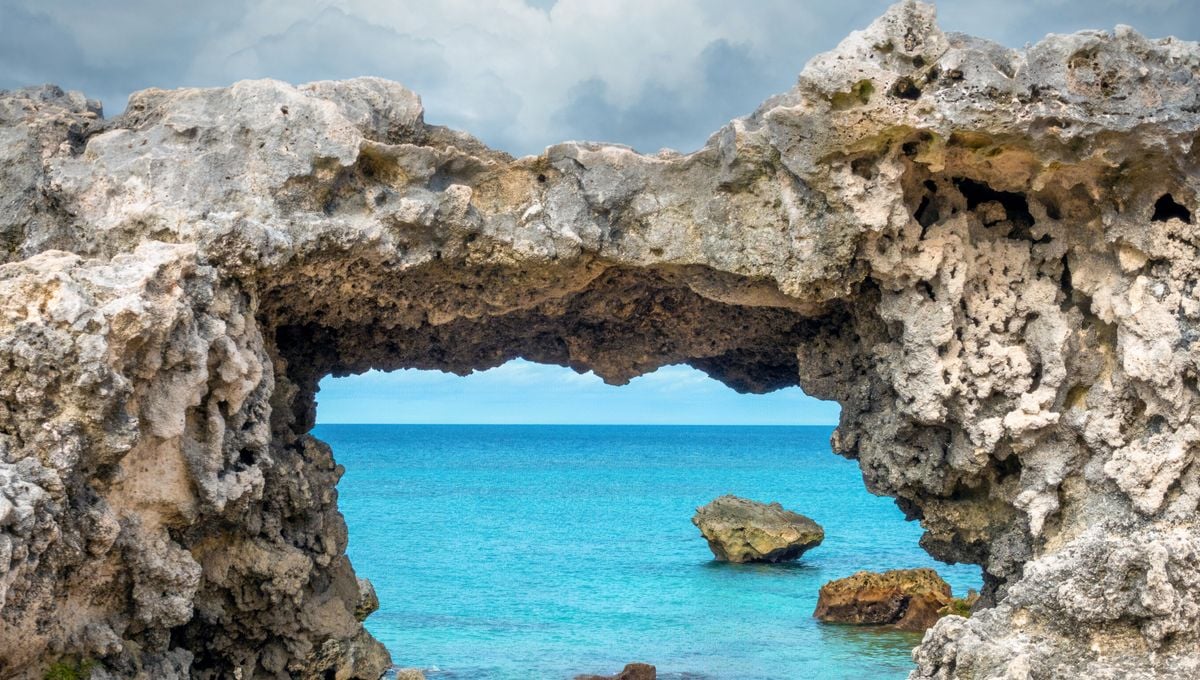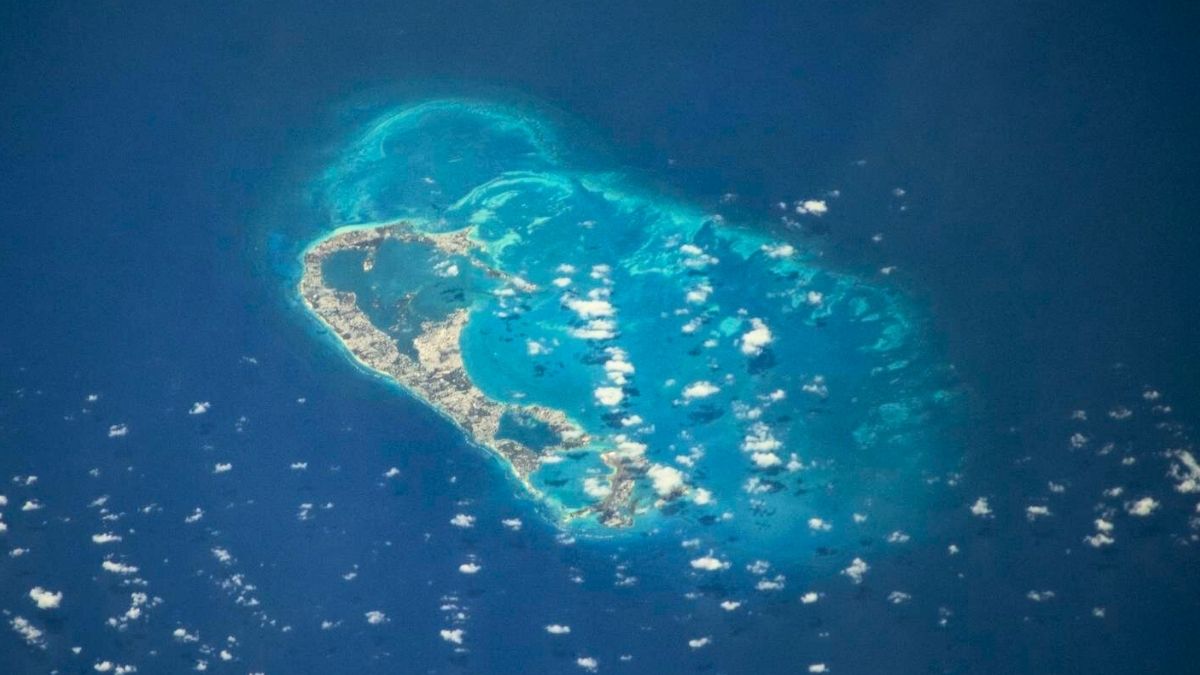
Scientists have discovered a thick layer of low-density rock beneath Bermuda, which may explain the island's unusual buoyancy and the persistent swell supporting it, despite the absence of recent volcanic activity or a mantle plume. This underplating could be a remnant of volcanic activity from 30-35 million years ago, helping Bermuda stay above water until sea levels rise further.
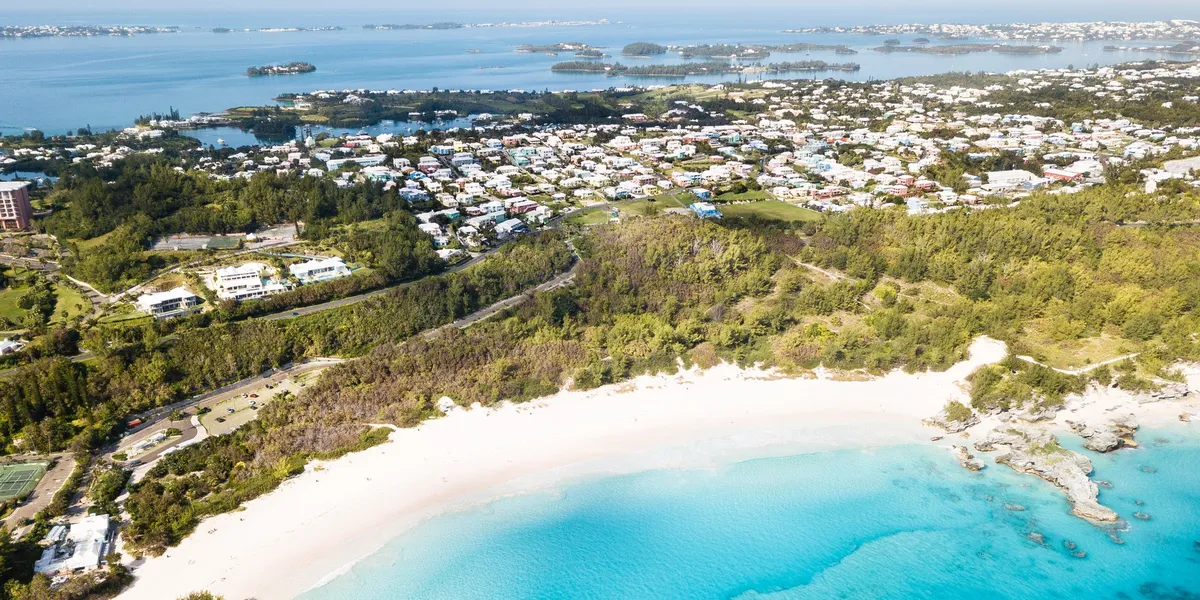
Scientists have discovered a massive, unusual rock layer beneath Bermuda, measuring 12.4 miles thick and sitting within the tectonic plate, which is unlike anything previously found on Earth and challenges existing geological understanding of the region.
Bermuda's unique geological structure is explained by a 20-kilometer-thick, less dense mantle layer beneath it, which acts like a mantle plume, despite Bermuda lacking recent volcanic activity or typical plume features. This discovery challenges existing models of mantle plumes and suggests Bermuda is supported by an unusual mantle layer, possibly due to its geological history or composition.