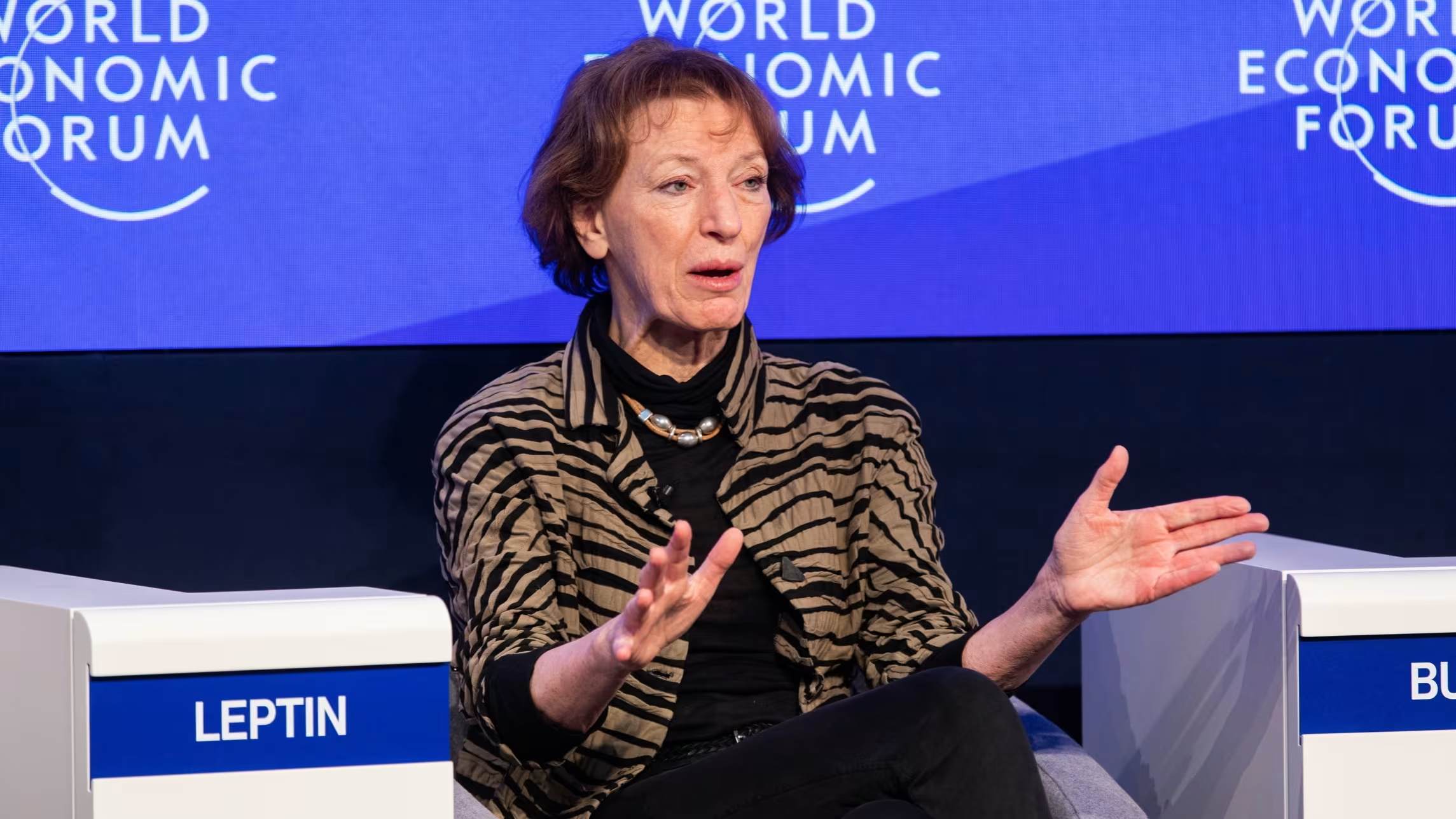
An official states that Donald Trump's criticisms of American academia are negatively impacting European scientists, highlighting the international repercussions of his rhetoric.
Scientists have confirmed that a new 'butt breathing' technique is safe based on the first human trial, indicating potential for further research and application.
Scientists are increasingly distrustful of AI, with concerns about hallucinations, security, ethics, and overhyped capabilities rising despite increased AI usage in research, reflecting a growing skepticism about the technology's reliability and impact.
Scientists warn that a flaw in security software has exposed the risk of AI being used to develop bioweapons, highlighting significant safety concerns in AI technology and biosecurity.
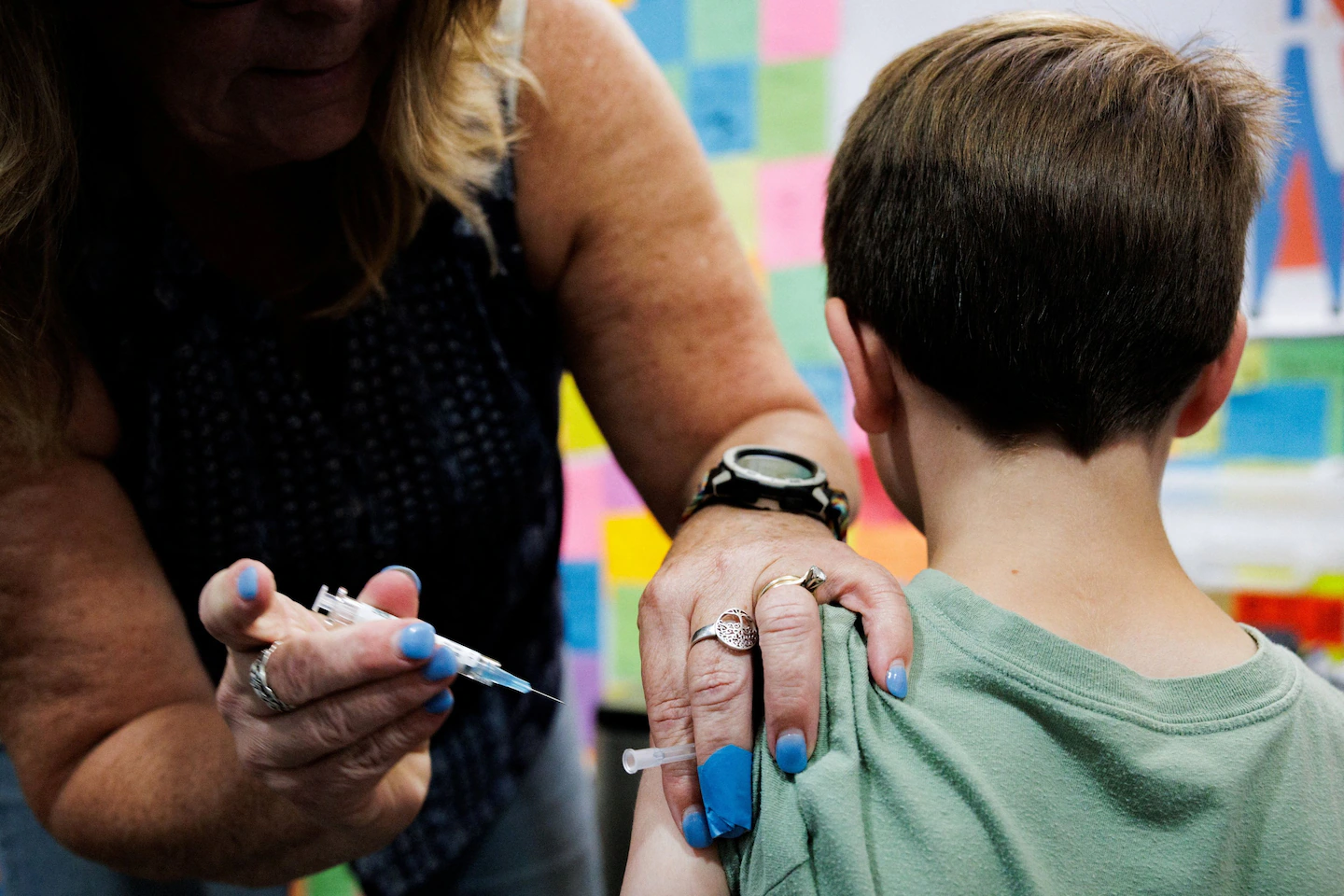
Some Trump officials are attempting to link COVID-19 vaccines to 25 child deaths, a move that has alarmed scientists who state the vaccines have been thoroughly studied and are safe.
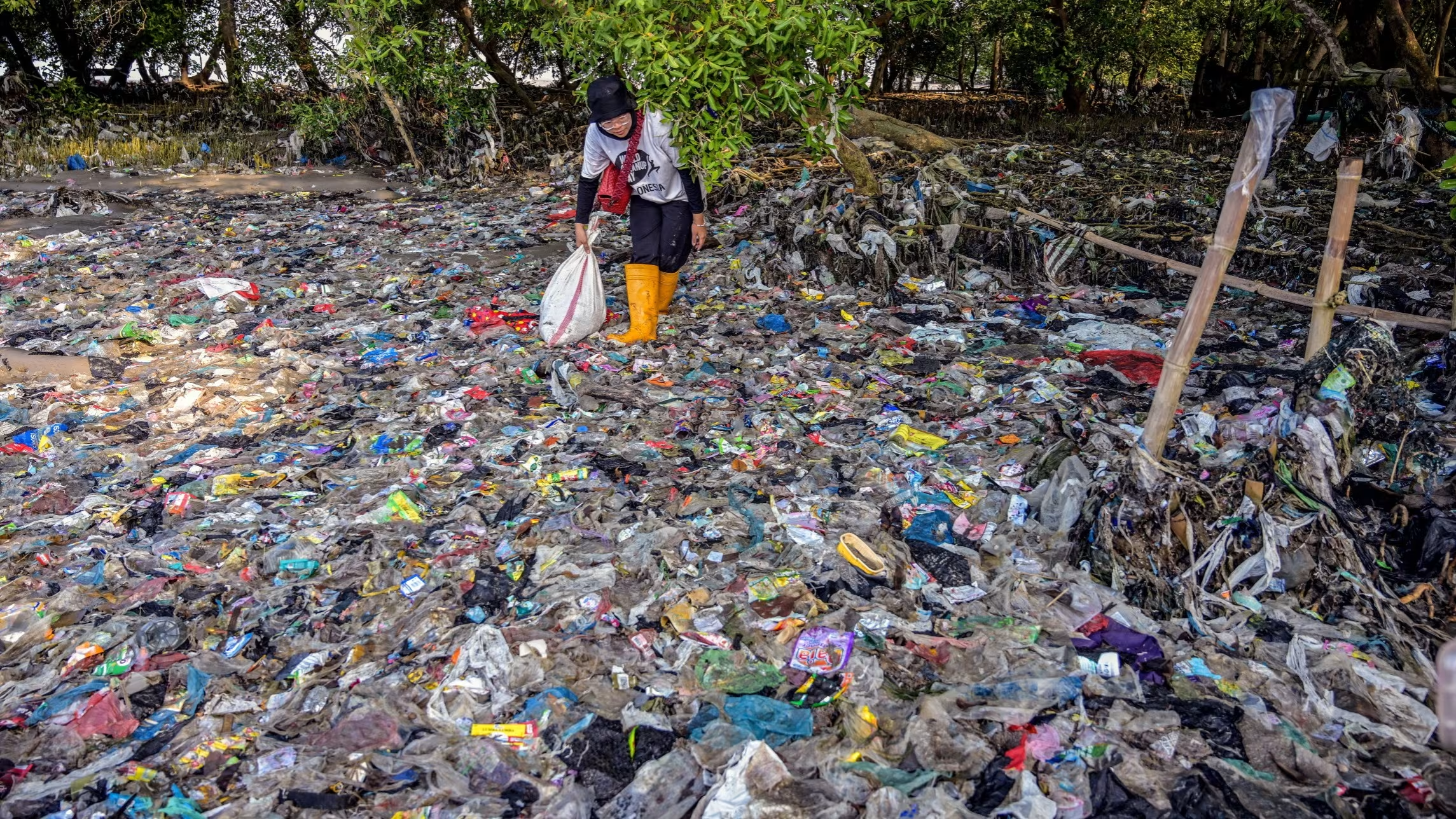
Scientists warn that plastics pose a 'grave' danger to health ahead of upcoming UN talks, highlighting environmental and health risks associated with plastic pollution.
The White House has significantly cut science funding but now aims to 'correct' research, prompting criticism from thousands of scientists who oppose the administration's approach to restoring a 'gold standard' for science across federal agencies.
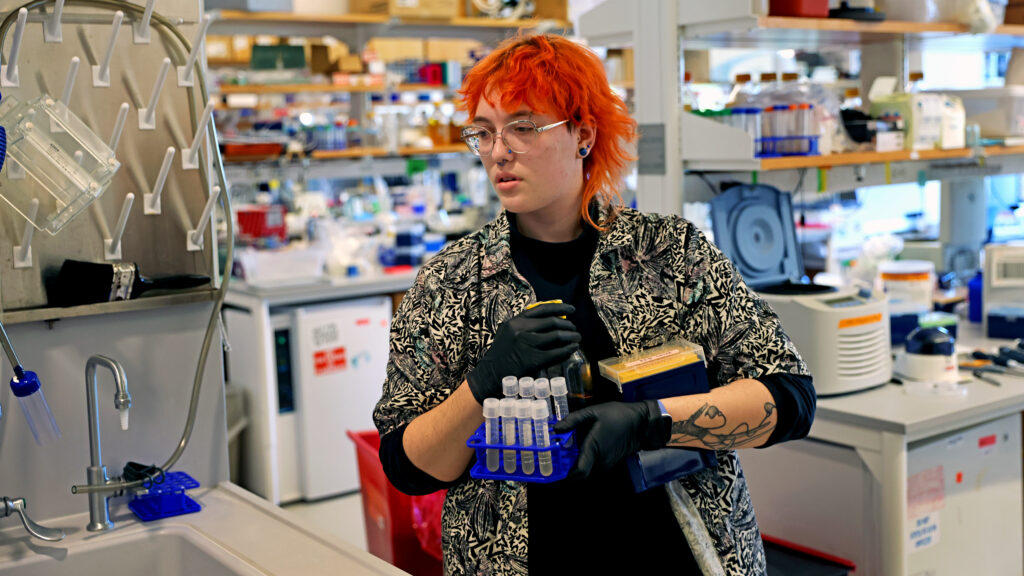
Young scientists like Becks Padrusch are considering abandoning research careers due to shrinking opportunities caused by budget cuts under the Trump administration, which threaten their ability to continue in scientific fields they are passionate about.
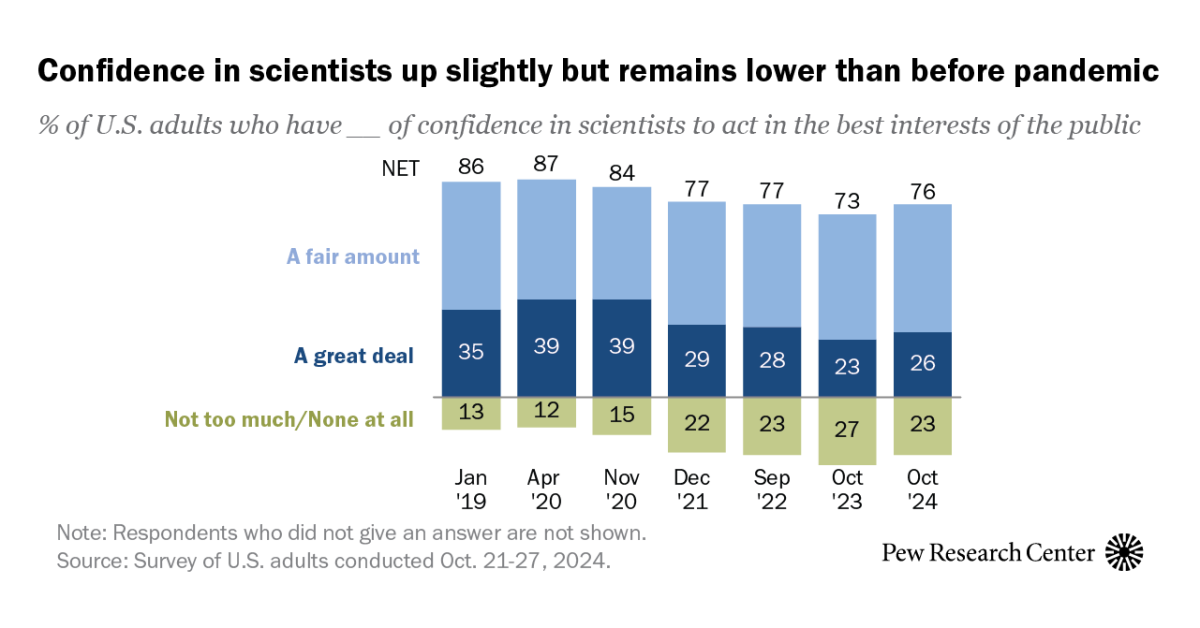
A Pew Research Center survey of 9,593 U.S. adults reveals that public trust in scientists has slightly increased since last year, with 76% expressing confidence in scientists to act in the public's best interests. However, trust remains lower than pre-pandemic levels. The survey highlights partisan differences, with Democrats showing more confidence in scientists than Republicans, though trust among Republicans has risen slightly. Americans are divided on scientists' roles in policymaking, with 51% supporting active involvement. Communication is seen as a weakness for scientists, and public opinion is split on whether scientists make better policy decisions than others.
The American Association for the Advancement of Science (AAAS) has welcomed 502 scientists, engineers, and innovators into its 2023 class of Fellows, recognizing their distinguished lifetime contributions to the scientific community. The new Fellows represent various fields including biological sciences, chemistry, medical sciences, and engineering, and are at the forefront of discussions about emerging technologies, environmental issues, and more. The program, celebrating its 150th anniversary, will honor the new class at a forum in September 2024 and feature them in the AAAS News & Notes section of the journal Science in April 2024.
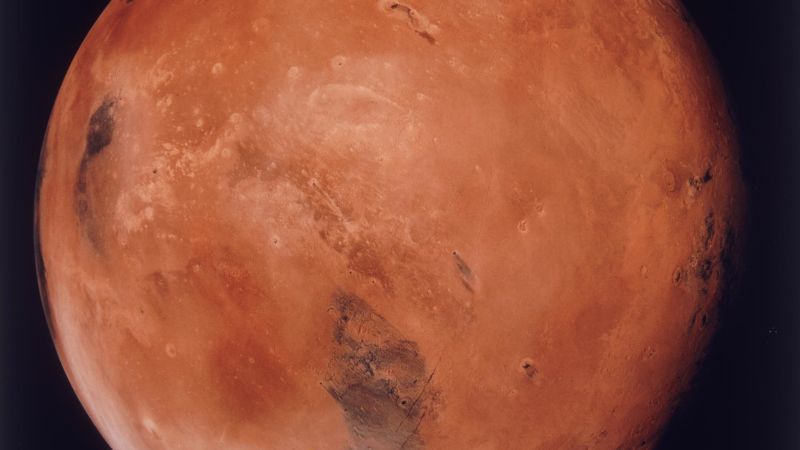
Scientists have identified a massive, uniquely shaped volcano on Mars, comparable in height to Mount Everest, that has gone unnoticed for decades, according to recent findings.
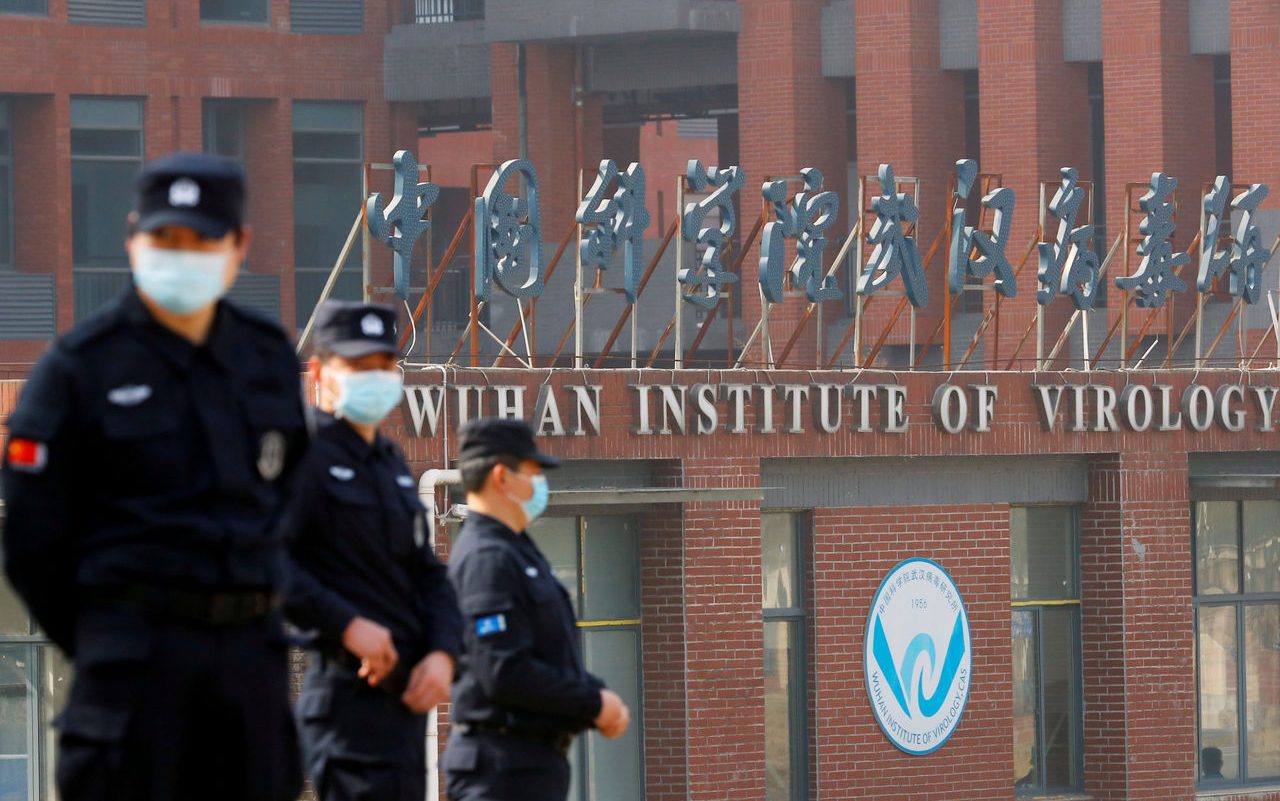
Former New York Times journalist Donald McNeil Jr has accused leading scientists of misleading him over the Covid lab-leak theory, influencing the newspaper's coverage and contributing to the topic being "dropped" for a year. Messages between scientists revealed they initially thought the lab leak theory was plausible but didn't disclose so for political reasons. McNeil Jr expressed disappointment and called for transparency, while the scientists defended their actions, stating they erred on the side of caution due to lack of evidence.
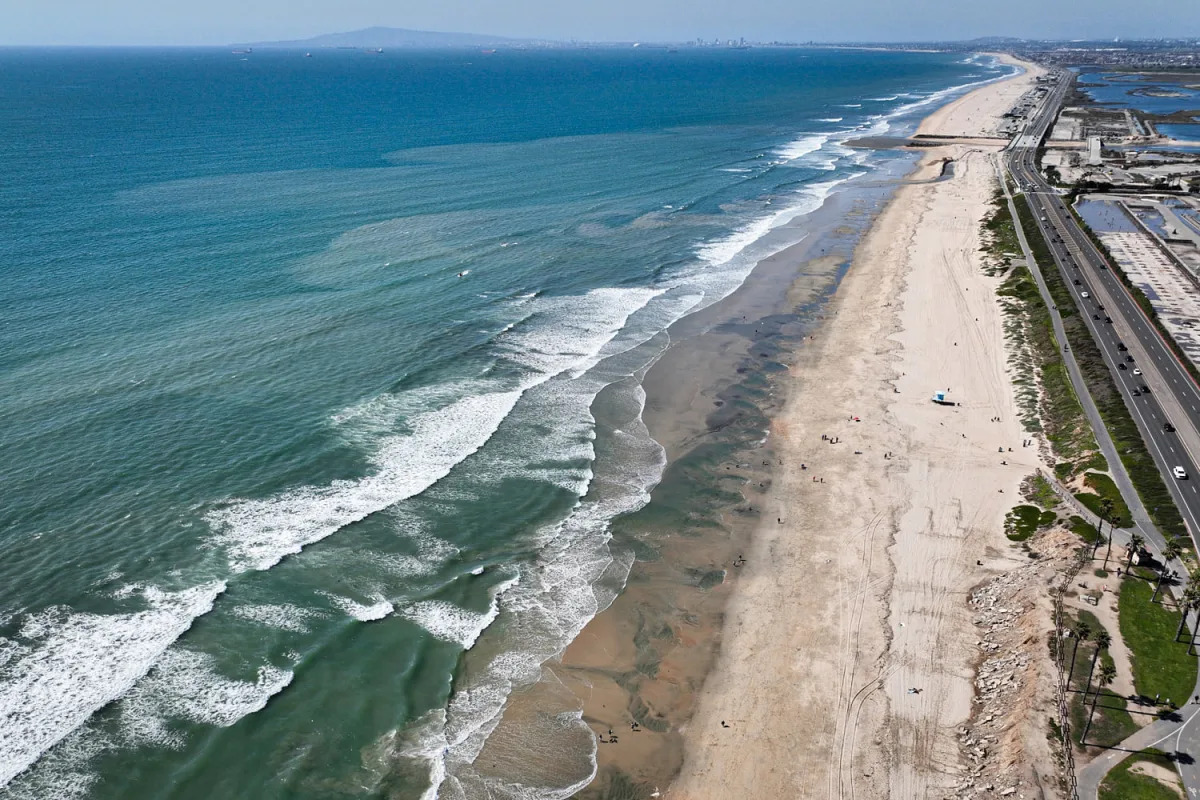
Ocean surface temperatures have broken records for the past 12 months, raising concerns among scientists. The unprecedented 1.25 degrees Fahrenheit increase in sea surface temperatures could have significant impacts on weather and ecosystems. While human-caused climate change is likely a factor, researchers are puzzled by the rapid rise and suspect other natural processes may be at play. The high temperatures could lead to coral bleaching, more intense hurricanes, and extreme precipitation, posing dire threats to coastal areas. Scientists are closely monitoring the situation and seeking answers to this unusual phenomenon.
Ocean surface temperatures have broken records for the past 12 months, raising concerns among scientists. The anomaly, with temperatures 1.25 degrees Fahrenheit higher than in previous decades, could have significant impacts on weather and ecosystems. While human-caused climate change is likely a factor, researchers are puzzled by the rapid rise and suspect other natural processes may be at play. The higher temperatures could lead to more intense hurricanes, coral bleaching, and extreme precipitation, posing dire threats to coastal areas and marine life.
Over 90 biologists and A.I. specialists, including Nobel laureate Frances Arnold, have signed an agreement to ensure that A.I.-aided research in protein design moves forward without posing serious harm, particularly in the creation of bioweapons. They argue that the benefits of current A.I. technologies for protein design far outweigh the potential for harm, emphasizing the potential for new vaccines and medicines. The agreement aims to regulate the use of equipment needed to manufacture new genetic material, rather than suppress the development or distribution of A.I. technologies.