
Scientists validate 'butt breathing' as a safe technique for lung health
Scientists have confirmed that a new 'butt breathing' technique is safe based on the first human trial, indicating potential for further research and application.

All articles tagged with #human trial
Scientists have confirmed that a new 'butt breathing' technique is safe based on the first human trial, indicating potential for further research and application.

Scientists have successfully tested the safety of a novel method called enteral ventilation, which delivers oxygen through the intestine, in a human trial involving healthy volunteers, paving the way for potential emergency treatments for severe respiratory failure.

Elon Musk announced that the first human patient implanted with a brain-chip from Neuralink has fully recovered and can control a computer mouse using their thoughts. The patient's progress is reportedly good, and the startup is now aiming to maximize mouse button clicks. Neuralink, which received approval for human trial recruitment in September, aims to enable people to control a computer cursor or keyboard using their thoughts and has grand ambitions for treating conditions like obesity, autism, depression, and schizophrenia. However, the firm has faced scrutiny over its safety protocols and has been fined for violating transportation rules.
Elon Musk announced that the first human patient implanted with a brain-chip from Neuralink has fully recovered and can control a computer mouse using their thoughts. The patient is reportedly able to move a mouse around the screen by just thinking, and Neuralink is now aiming to maximize mouse button clicks from the patient. The startup's ultimate goal is to enable people to control a computer cursor or keyboard using their thoughts, with ambitions to use the technology to treat conditions like obesity, autism, depression, and schizophrenia.
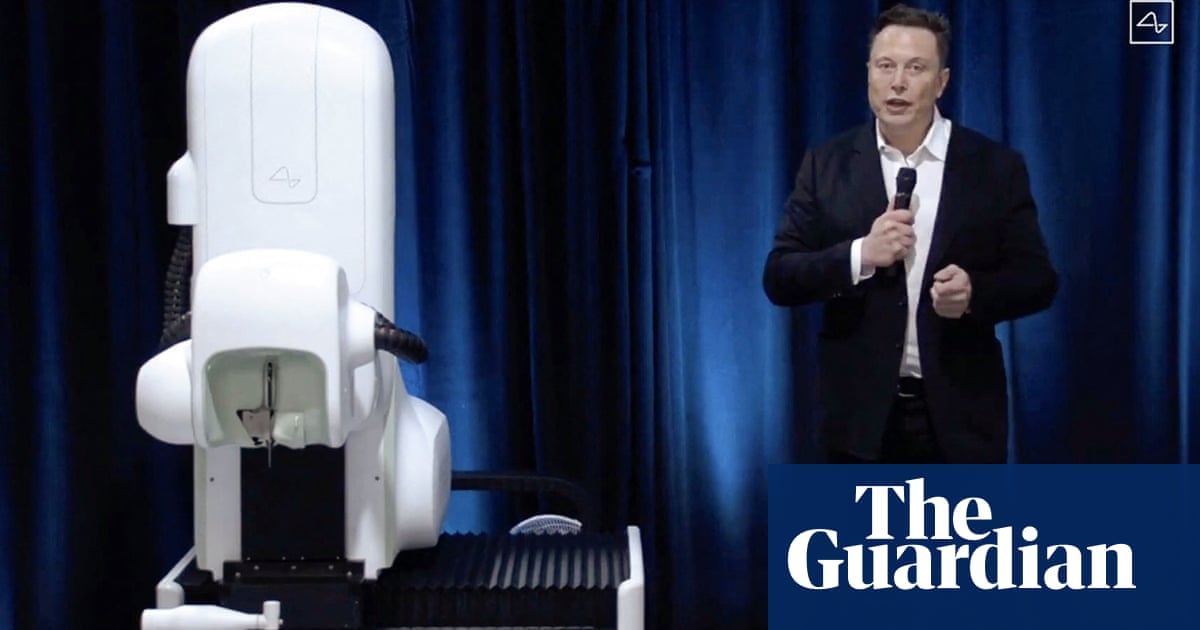
Elon Musk's brain-implant startup, Neuralink, has received approval from an independent review board to recruit patients for its first human trial. The company is seeking individuals with paralysis to test its experimental brain-computer interface (BCI) device in a six-year study. Neuralink aims to enable participants to control a computer cursor or keyboard using their thoughts. The company's previous animal testing has faced scrutiny, with allegations of unnecessary suffering and mishandling of biohazardous materials. The trial's details, including the number of participants and location, have not been disclosed. If successful, it could still take decades before the device is approved for wider use.