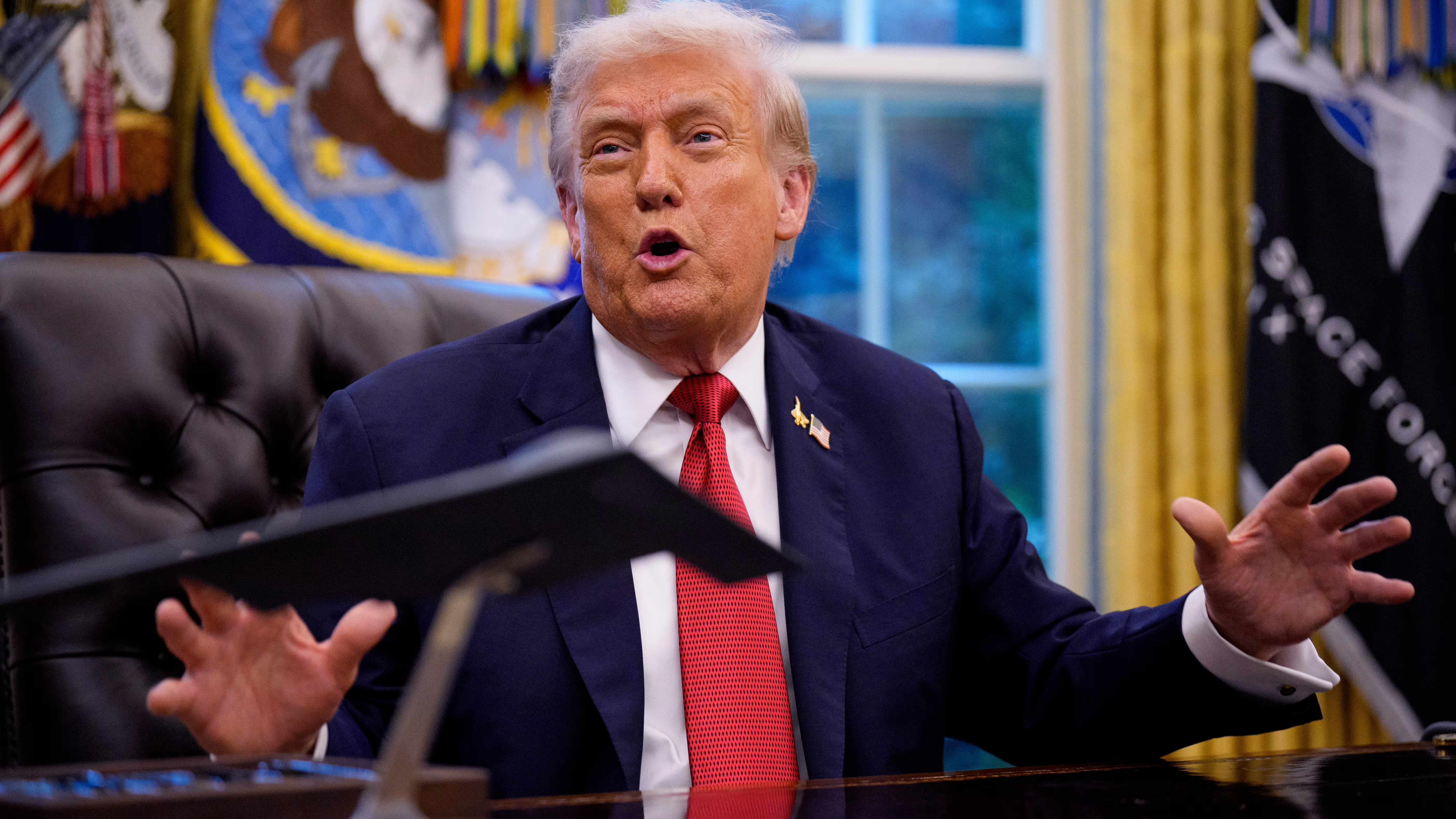
The article discusses how Donald Trump's unpredictable policymaking is causing concern among multinational organizations, highlighting the impact of his decisions on international relations and global business stability.
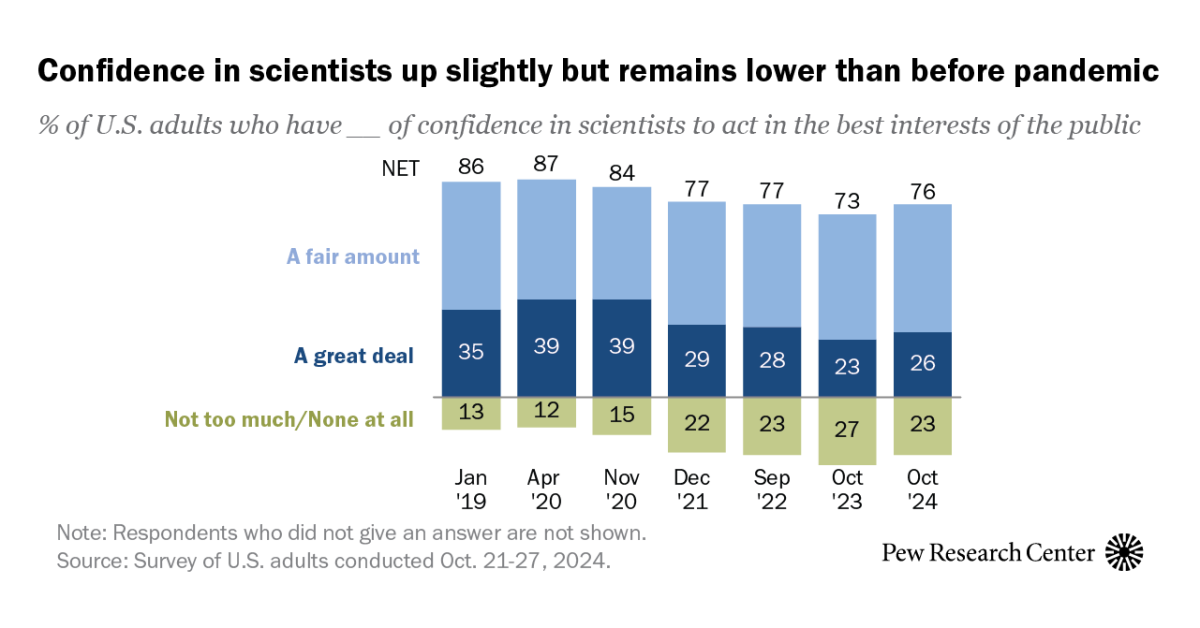
A Pew Research Center survey of 9,593 U.S. adults reveals that public trust in scientists has slightly increased since last year, with 76% expressing confidence in scientists to act in the public's best interests. However, trust remains lower than pre-pandemic levels. The survey highlights partisan differences, with Democrats showing more confidence in scientists than Republicans, though trust among Republicans has risen slightly. Americans are divided on scientists' roles in policymaking, with 51% supporting active involvement. Communication is seen as a weakness for scientists, and public opinion is split on whether scientists make better policy decisions than others.
China's decision to suspend the publication of monthly youth unemployment figures has sparked public outcry. The National Bureau of Statistics claims that the calculation method needs improvement to reflect the changing society, questioning whether students should be included in the unemployment figures before they graduate. However, critics argue that this move may be an attempt to hide weak job data. The youth unemployment rate in China has reached record highs in recent months, but it fails to account for rural youth unemployment and counts any part-time job as employment. Transparency and the release of more comprehensive indicators, such as NEET, would provide a more accurate picture and aid policymaking.
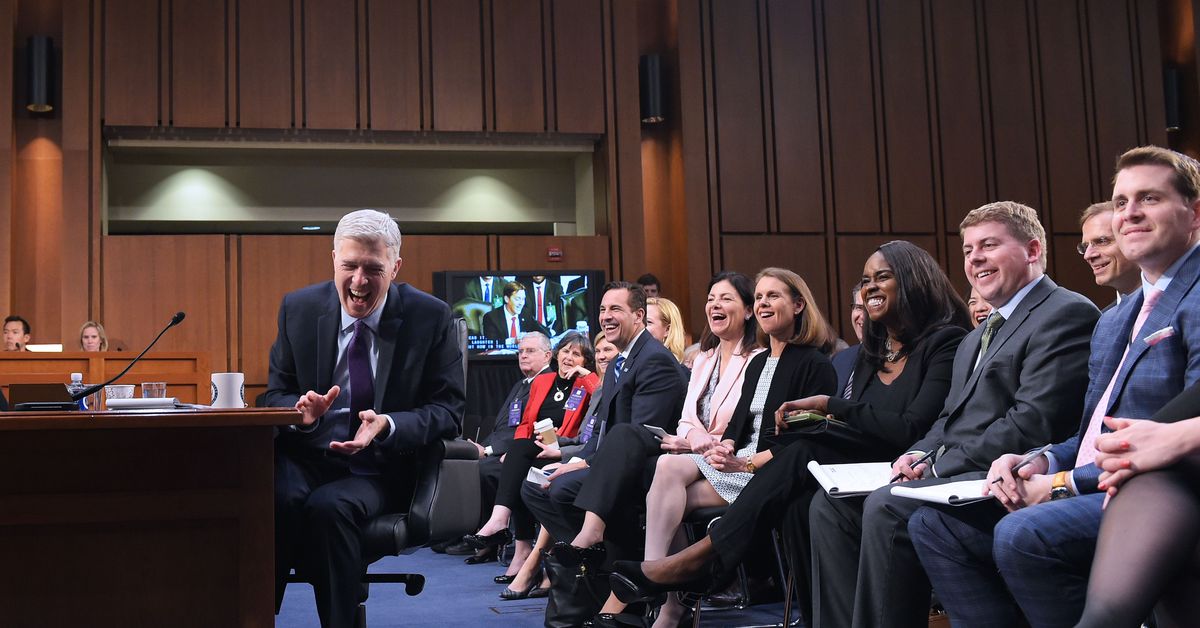
The US Supreme Court will reconsider Chevron v. National Resources Defense Council (1984), which established that courts should defer to policymaking decisions made by federal agencies. The upcoming case, Loper Bright Enterprises v. Raimondo, explicitly asks whether the court should overrule Chevron. Overruling Chevron would make the US far less democratic and introduce chaos into the entire federal government, as every decision made by federal agencies could be the subject of protracted litigation. It would also shift power away from the other two branches of government and to the unelected members of the federal judiciary.