The Trump administration announced new dietary guidelines emphasizing real foods and including red meat and full-fat dairy at the top of an inverted food pyramid, sparking debate among health experts who caution against high saturated fat intake and recommend a balanced diet with diverse protein sources, more plant-based foods, and reduced processed foods.
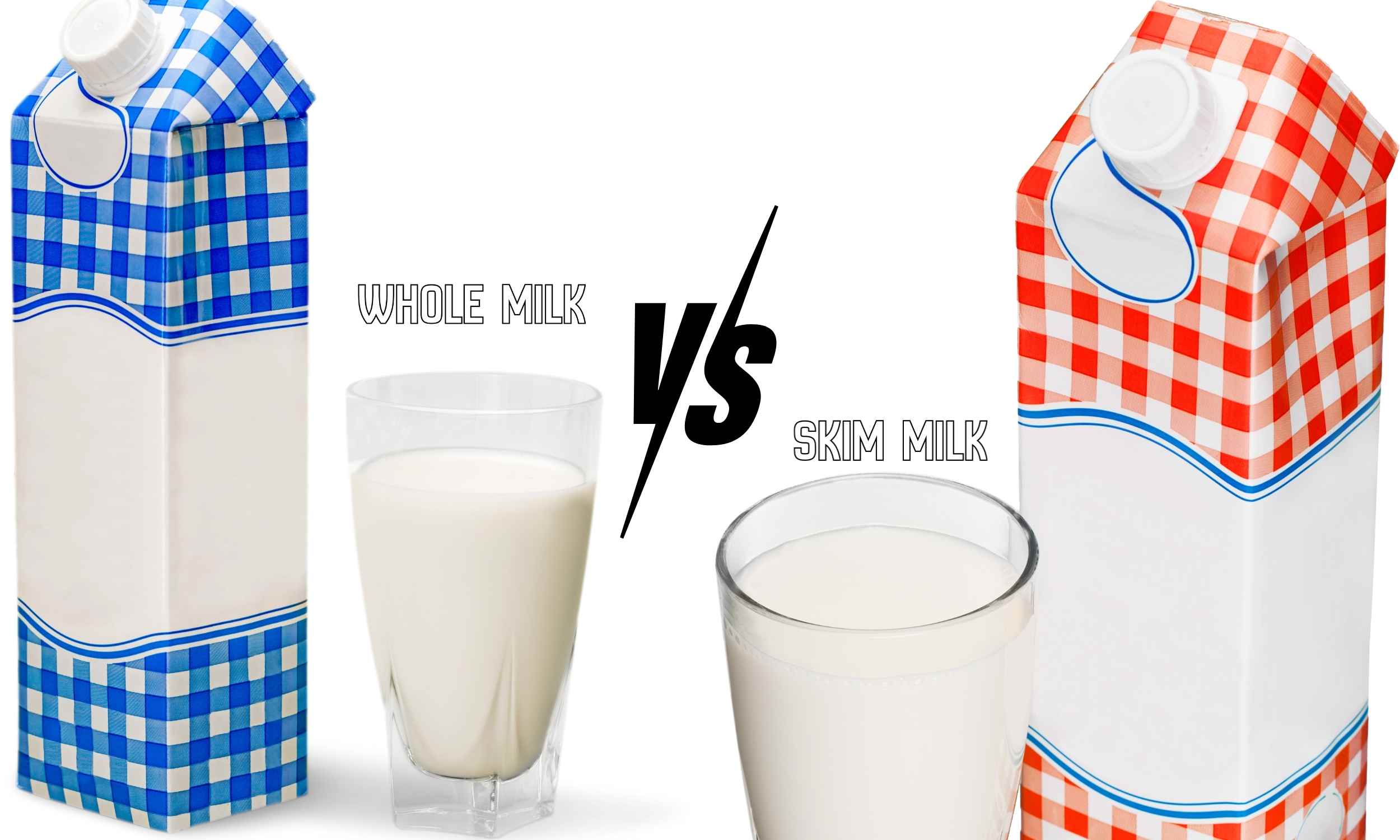
A Norwegian study of nearly 74,000 adults over 33 years found that replacing whole milk with low-fat milk is associated with lower risks of cardiovascular disease and overall mortality, likely due to reduced saturated fat intake which impacts LDL cholesterol levels and heart health.
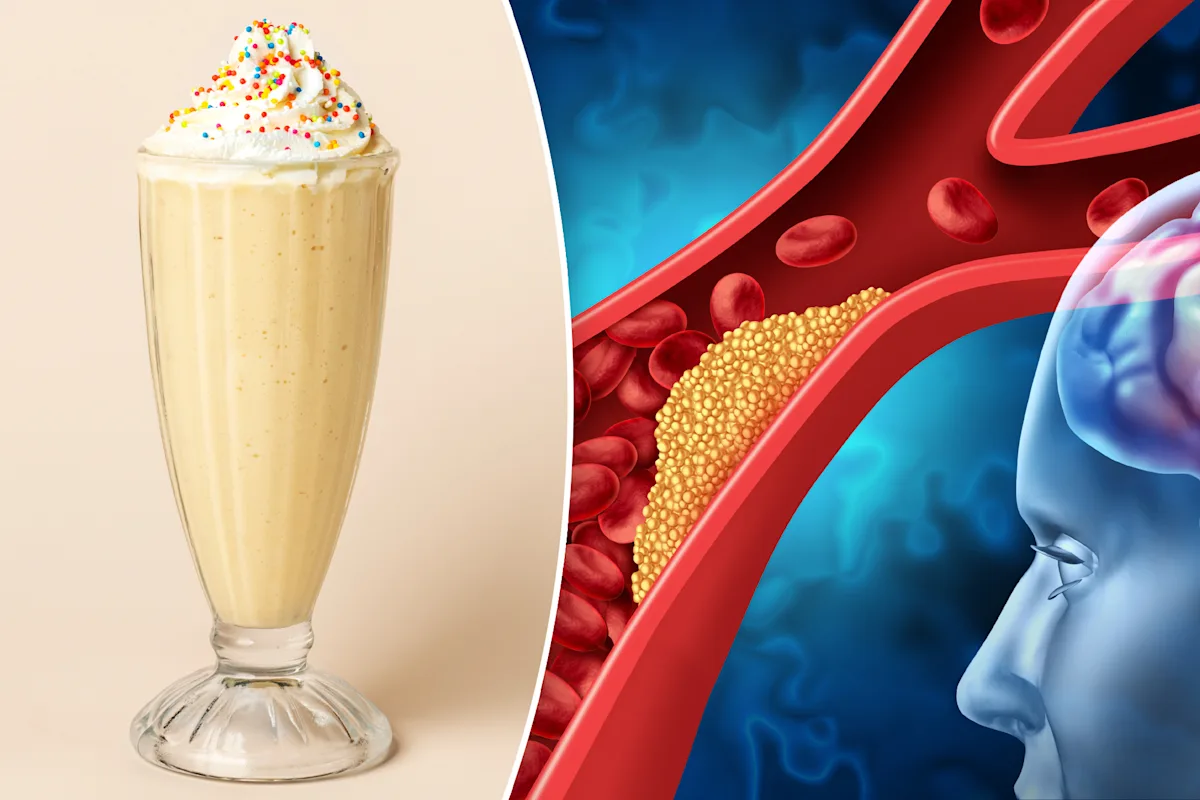
A new study shows that consuming just one high-fat milkshake can impair blood flow to the brain, increasing the risk of stroke and dementia, especially in older adults, highlighting the importance of diet for immediate and long-term brain health.
A study found that consuming a high-fat milkshake impairs blood flow to the brain within hours, especially in older adults, highlighting the importance of low saturated fat intake for brain and heart health.
A study found that consuming a high-fat meal, like a fatty milkshake, can impair blood flow to the brain and reduce its ability to regulate blood pressure, potentially increasing the risk of stroke and dementia, especially in older adults. The research highlights the importance of a diet low in saturated fats for maintaining brain and heart health.
A new study suggests that eating eggs does not raise bad cholesterol levels when consumed as part of a low saturated fat diet, and that saturated fat is the main contributor to increased LDL cholesterol, challenging outdated dietary advice about eggs.
A study from the University of South Australia finds that eggs do not increase LDL cholesterol or heart disease risk when consumed as part of a low-saturated-fat diet, challenging decades of dietary advice that blamed eggs for heart problems.
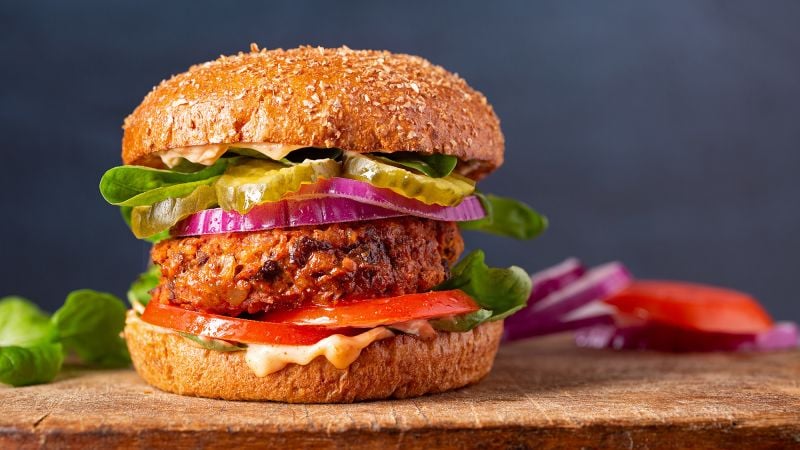
Experts suggest that carefully chosen plant-based meats, despite being ultraprocessed, can be beneficial for health and the planet by reducing greenhouse gases and land use, though concerns about high salt and saturated fat levels remain. Improvements in formulation and labeling are ongoing, and consumers are advised to read nutrition labels and consider cost and health impacts when choosing these alternatives.
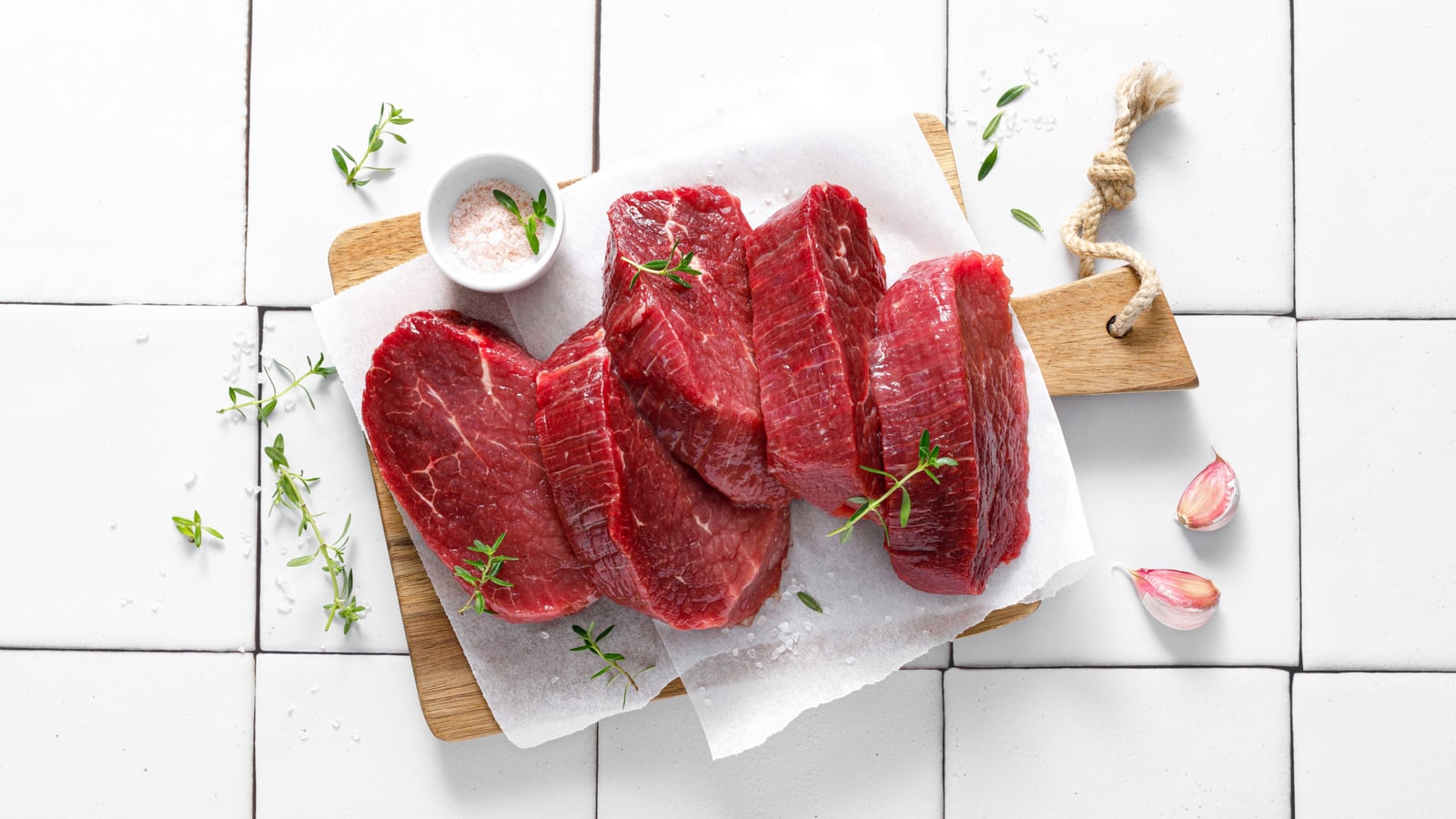
Choosing lean cuts of beef, such as sirloin or round, and avoiding marbled or processed options like hot dogs and sausages, can allow you to enjoy beef as part of a healthy diet, especially when consumed in moderation and with attention to fat content.
A study from the University of South Australia challenges the traditional view that eggs raise bad cholesterol and increase heart disease risk. The research shows that consuming eggs within a low saturated fat diet does not elevate LDL cholesterol levels, suggesting saturated fats in processed meats and full-fat dairy are more significant contributors to heart disease. The findings imply that eggs can be part of a healthy diet when paired with low saturated fat foods, and the focus should shift from eggs to the quality of accompanying foods.
A study from Tufts University suggests that drinking black coffee or coffee with minimal added sugar and saturated fat is associated with a lower risk of death, while adding more of these ingredients may increase mortality risk. The health benefits of coffee are linked to its bioactive compounds, but excessive additives could negate these benefits.
A study suggests that drinking black coffee or coffee with minimal sugar and saturated fat may be associated with a longer lifespan, highlighting the potential health benefits of coffee when consumed without added sugars or fats.
A study from Tufts University found that drinking black coffee or coffee with minimal sugar and saturated fat is associated with a 14% lower risk of early death, emphasizing that additives like sugar and cream may diminish coffee's health benefits, though causality isn't definitively established.
A cardiologist recommends reducing saturated fat intake as the top natural way to lower cholesterol, emphasizing simple lifestyle changes like eating more fruits and vegetables, exercising, and quitting smoking, with medication as a last resort for severe cases.
Eating butter can be part of a heart-healthy diet if consumed in moderation, especially when paired with fiber, herbs, and healthy fats. While dietary cholesterol has minimal impact on blood cholesterol, saturated fat in butter can raise LDL levels. Experts recommend limiting saturated fat intake and focusing on overall healthy lifestyle habits to manage cholesterol effectively.