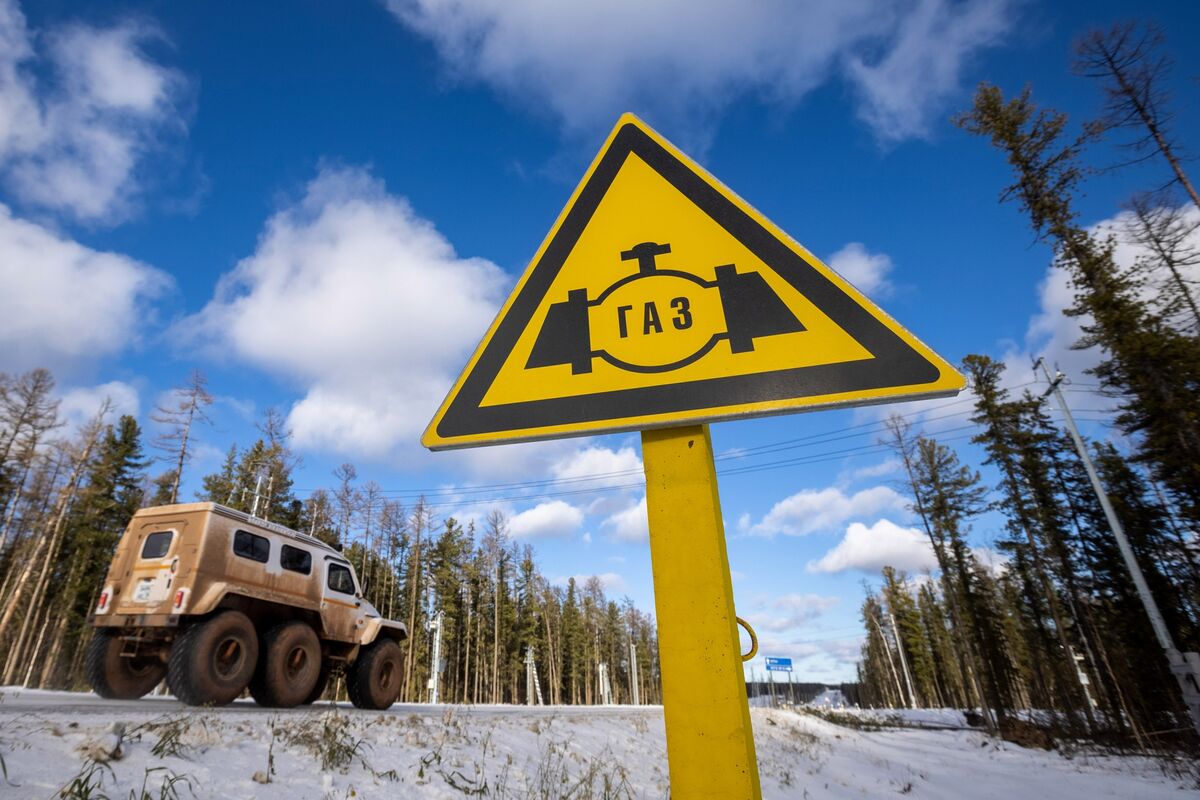
The EU has implemented a new sanctions package targeting Russia's energy sector, including banning LNG imports from 2027, tightening transaction bans on major Russian oil companies, and sanctioning vessels aiding Russia's evasion efforts, aiming to weaken Russia's ability to fund its Ukraine war.
The Russian ruble declined sharply following limited progress in recent Russia-Ukraine peace talks, with markets reacting negatively to the symbolic nature of negotiations and ongoing economic pressures from declining export revenues and investor concerns about potential interest rate cuts, leading to a weaker ruble and falling stock indices.
The EU approved its 18th sanctions package targeting Russian oil revenues, financial evasion schemes, and military support, while Russian officials deny economic impact and increase censorship efforts; Ukrainian forces continue to make tactical advances amid ongoing Russian operations in Ukraine and near Russian borders.
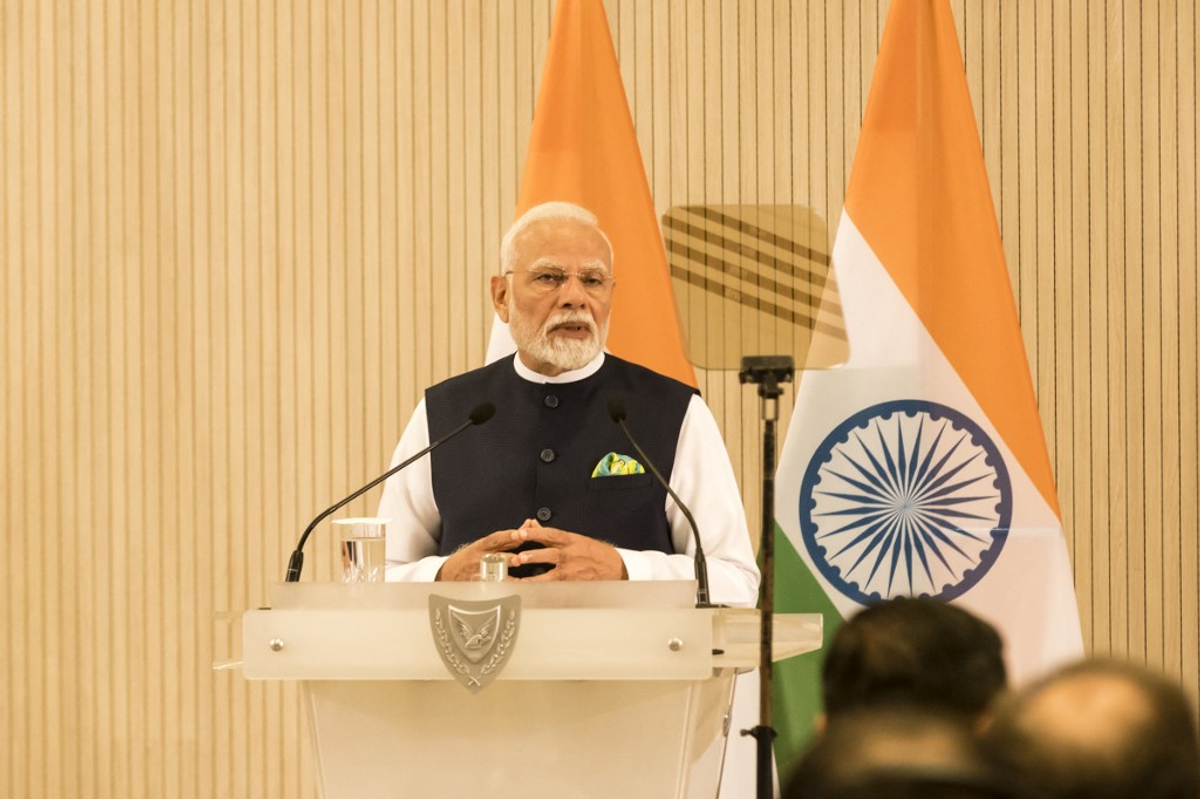
India is exploring alternatives to Russian oil amid looming sanctions and tariffs, as Western countries impose new sanctions on Russia's energy sector to reduce dependence and weaken Moscow's economy, which is heavily reliant on oil exports to India and other countries.
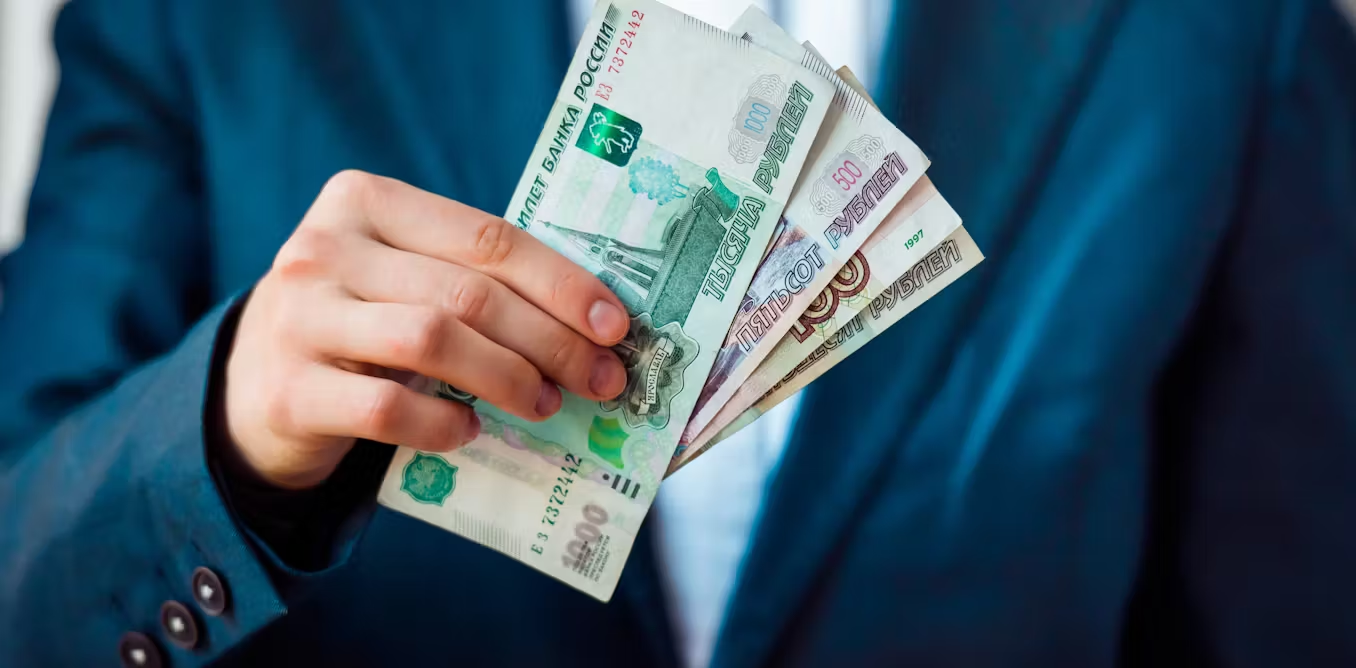
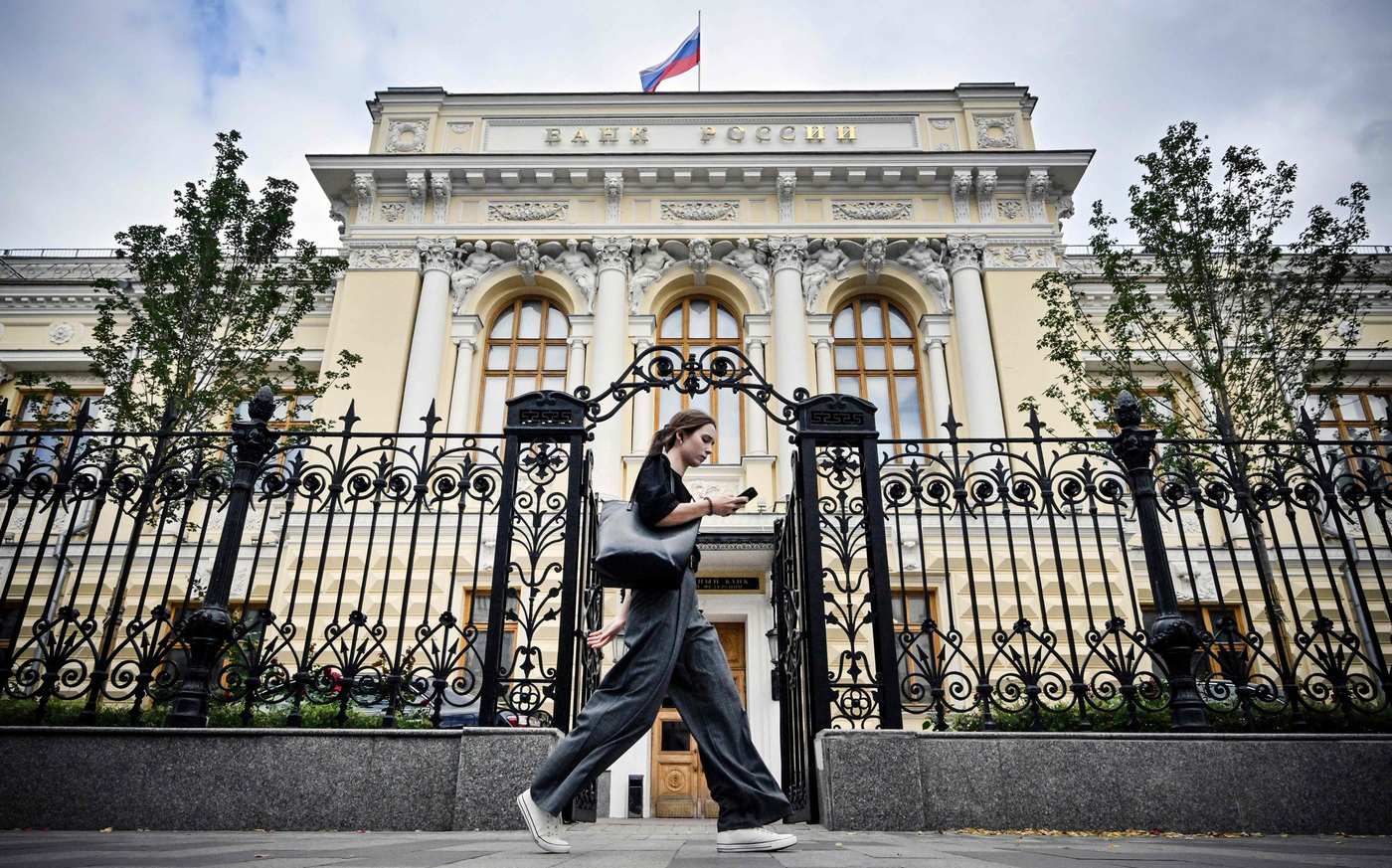
The collapse of the Russian rouble highlights significant underlying issues within the country's economy, raising concerns about financial stability and the effectiveness of current economic policies.
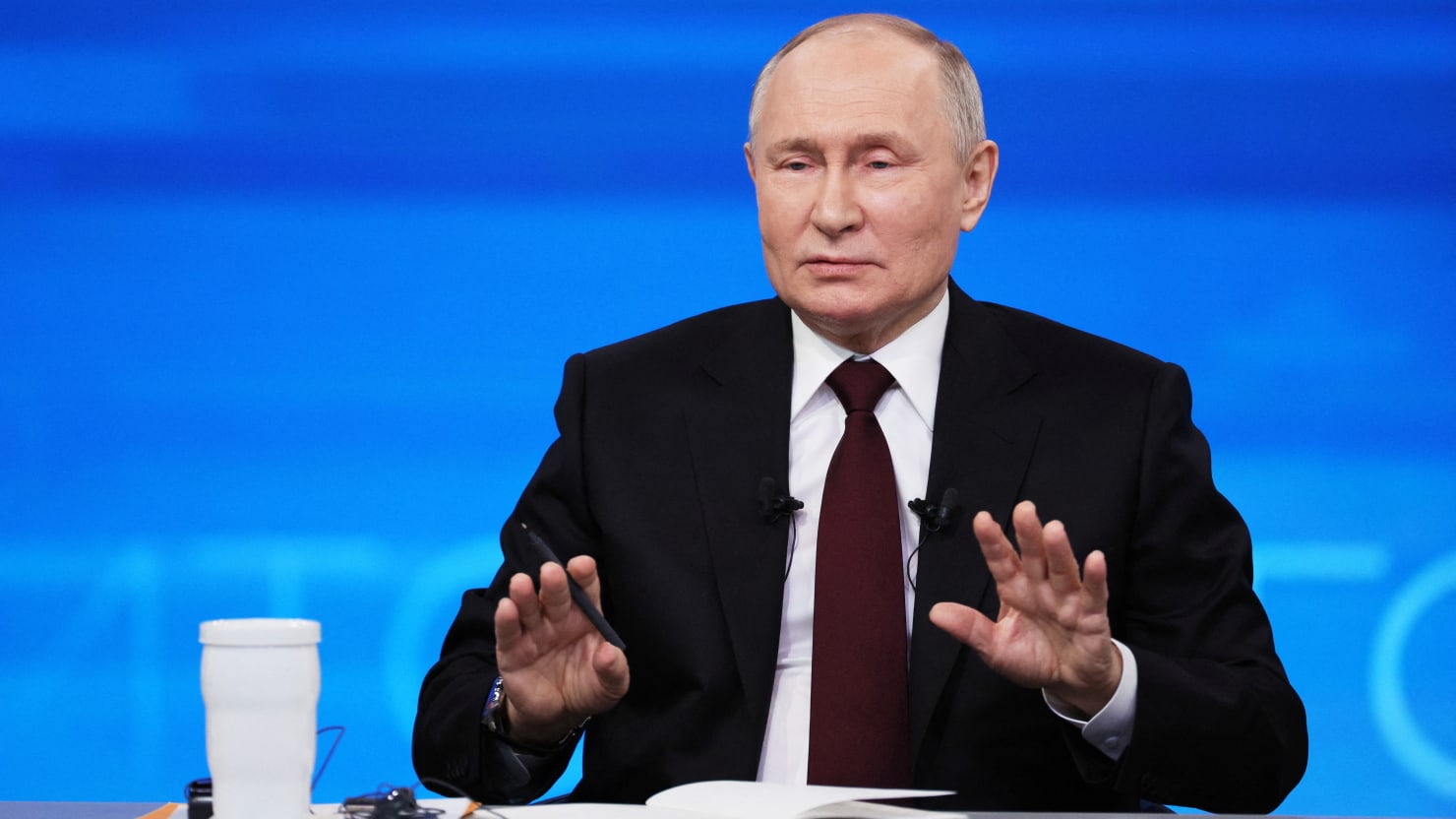
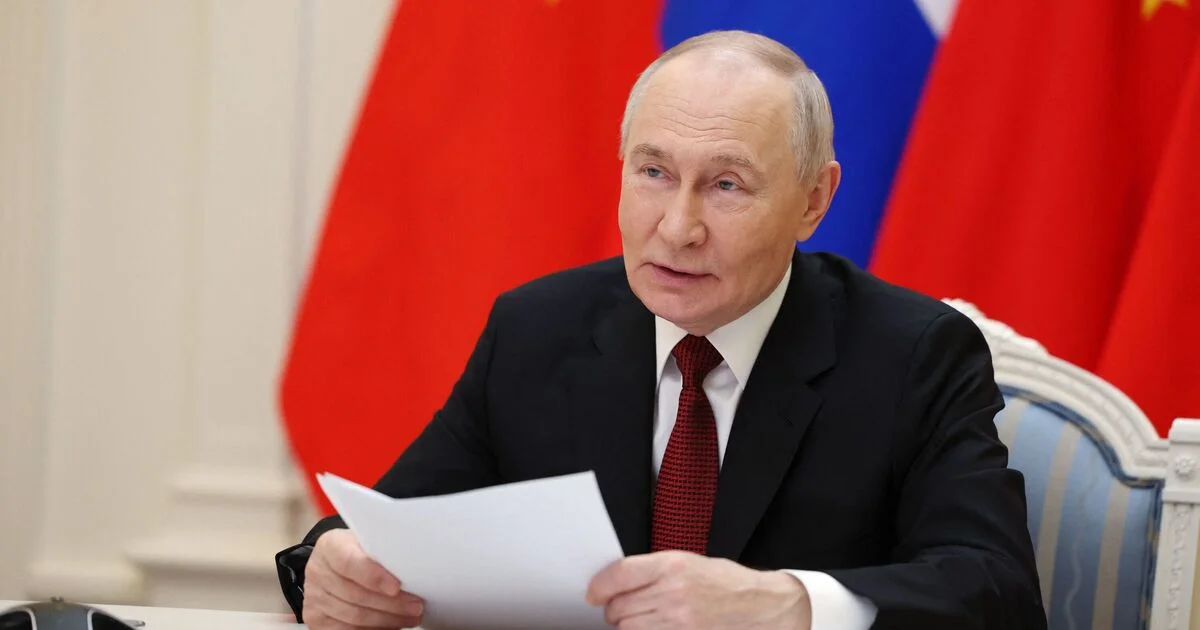
Russian President Vladimir Putin assured that the ruble's exchange rate is under control despite its recent sharp decline, attributing fluctuations to factors like budgetary payments and oil prices. He emphasized that there is no reason for panic and that the Central Bank has tools to manage inflation without raising interest rates. The ruble's value against the dollar and euro has dropped significantly, with the Central Bank setting the official rate at 108 rubles, a level not seen since March 2022.
The Institute for the Study of War (ISW) reports that Russia faces significant economic, demographic, and defense industry challenges amid its ongoing war in Ukraine. With inflation at 9% and Western sanctions straining the economy, Russia increasingly relies on China, Türkiye, and North Korea for support. The Kremlin has implemented policies to reduce costs and combat inflation, but these measures highlight its struggle to sustain the war effort long-term. Recent changes to military compensation have sparked criticism, and high interest rates are impacting defense production. Demographic issues, including a declining population and labor shortages, further threaten Russia's economic stability.
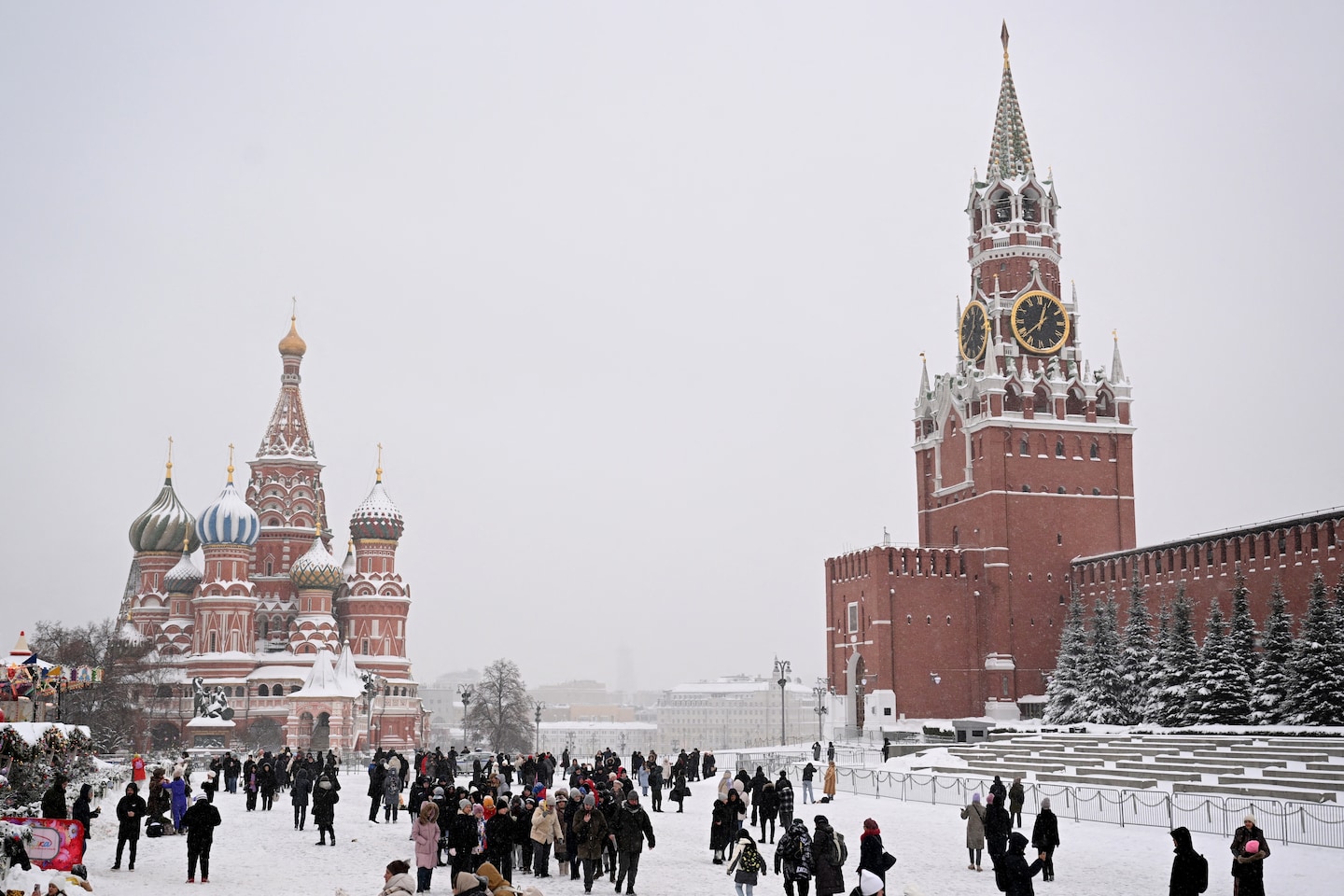
Moscow appears to be in a festive mood despite being a wartime capital with casualties in Ukraine surpassing 300,000. With Western aid for Ukraine stalling and the front lines at a stalemate, President Vladimir Putin is ending the year on a triumphant note, boasting about Russia's economic resilience and improved military position. The Russian economy has remained strong, and Russian companies have capitalized on the departure of international brands. Putin's supporters believe that Russia operates well under external pressure and that the war will not end until Russia achieves its aims in Ukraine. However, there are concerns about rising inflation, a precarious national budget, and a shrinking workforce. Repression campaigns and arrests for antiwar protests have also been documented. Moscow's optimism may be seen as theater, with some analysts suggesting that Putin relies on passive conformism and indifference from the population.
Russian President Vladimir Putin has turned the Western boycott of Russia into a financial windfall for the country's loyal elite and the state itself. By forcing companies to sell at fire-sale prices, limiting sales to Moscow-approved buyers, and sometimes seizing firms outright, Putin has overseen one of the largest transfers of wealth within Russia since the fall of the Soviet Union. Western companies that have announced departures have declared over $103 billion in losses, with Putin squeezing as much of that wealth as possible through dictating the terms of their departure and imposing increasing taxes. The Russian economy has remained relatively resilient, allowing Putin to maintain a sense of normalcy despite the ongoing war. However, the wave of departing companies has stung, sending a global signal that Russia is a business pariah and reinforcing its image as a dangerous place to do business.
Russian President Vladimir Putin hinted at plans to take more Ukrainian territory during his annual call-in program, while gloating over Ukraine losing international support. Putin boasted about Russian troops strengthening their positions in Ukraine and claimed that Ukraine has no relation to the Black Sea region, suggesting it belongs to Russia. He also appeared pleased about Western aid supplies to Ukraine drying up, stating that Kyiv's reliance on "handouts" would eventually end. Putin asserted that the Russian economy was thriving and dismissed the notion that it would collapse.