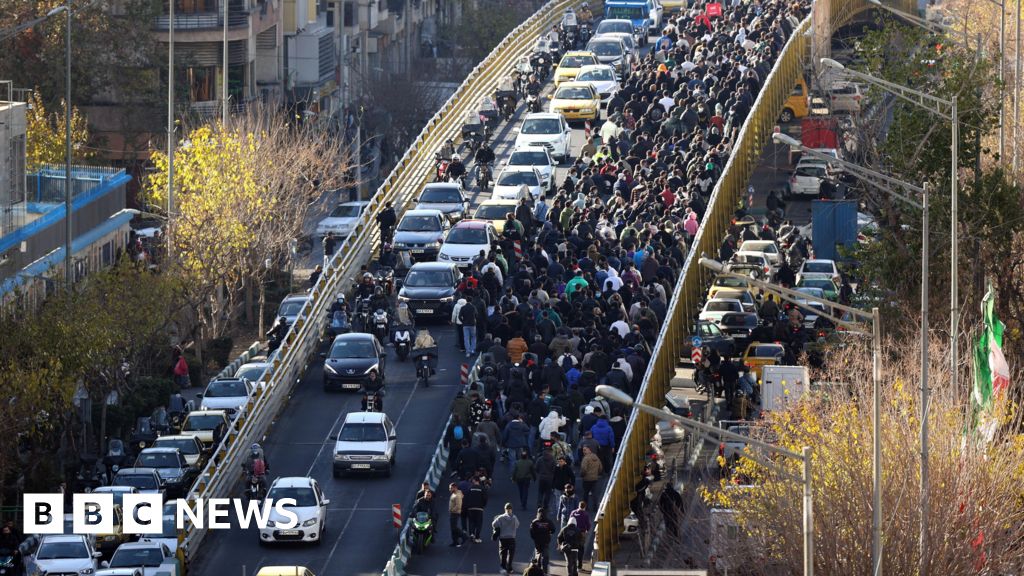
Mass protests have erupted across Iran, driven by severe economic hardship, currency devaluation, and widespread dissatisfaction with the regime, with the bazaar playing a historic role in mobilization and the government responding with violence and repression.
Protests across Iran have escalated for the third day due to economic hardships, including currency devaluation and inflation, with demonstrations spreading to multiple cities, government officials considering dialogue, and international reactions including US support for protesters.
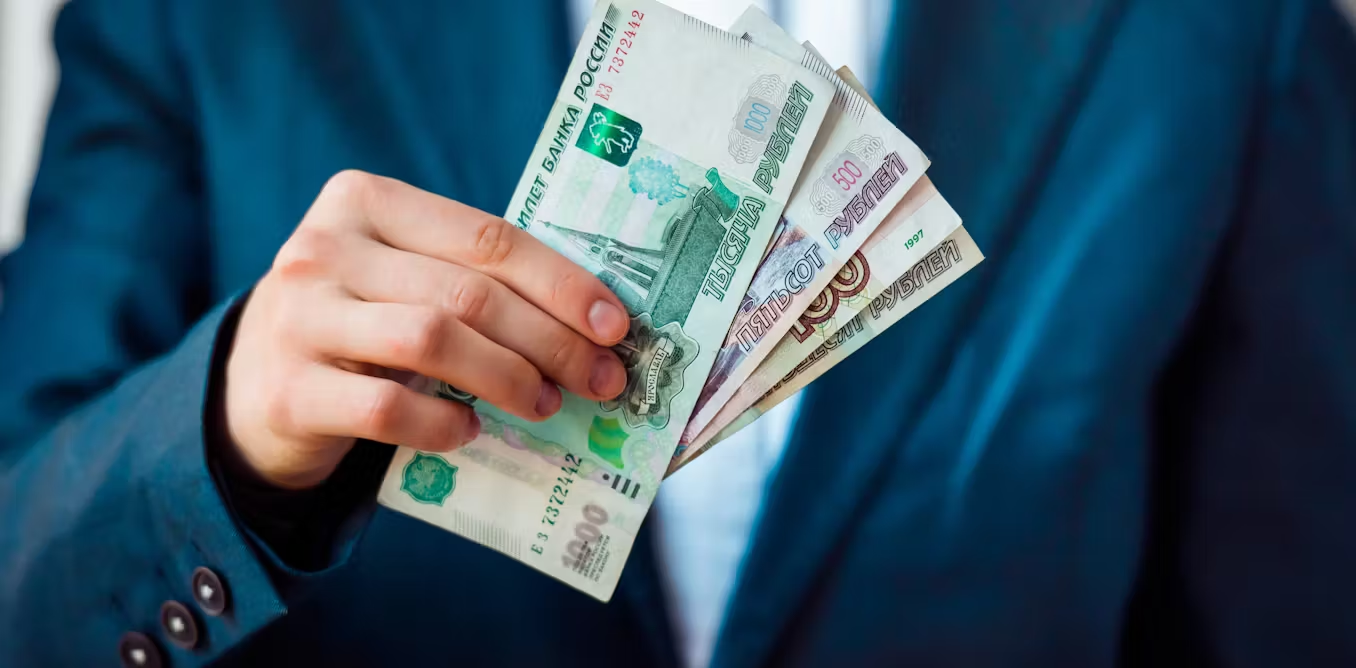
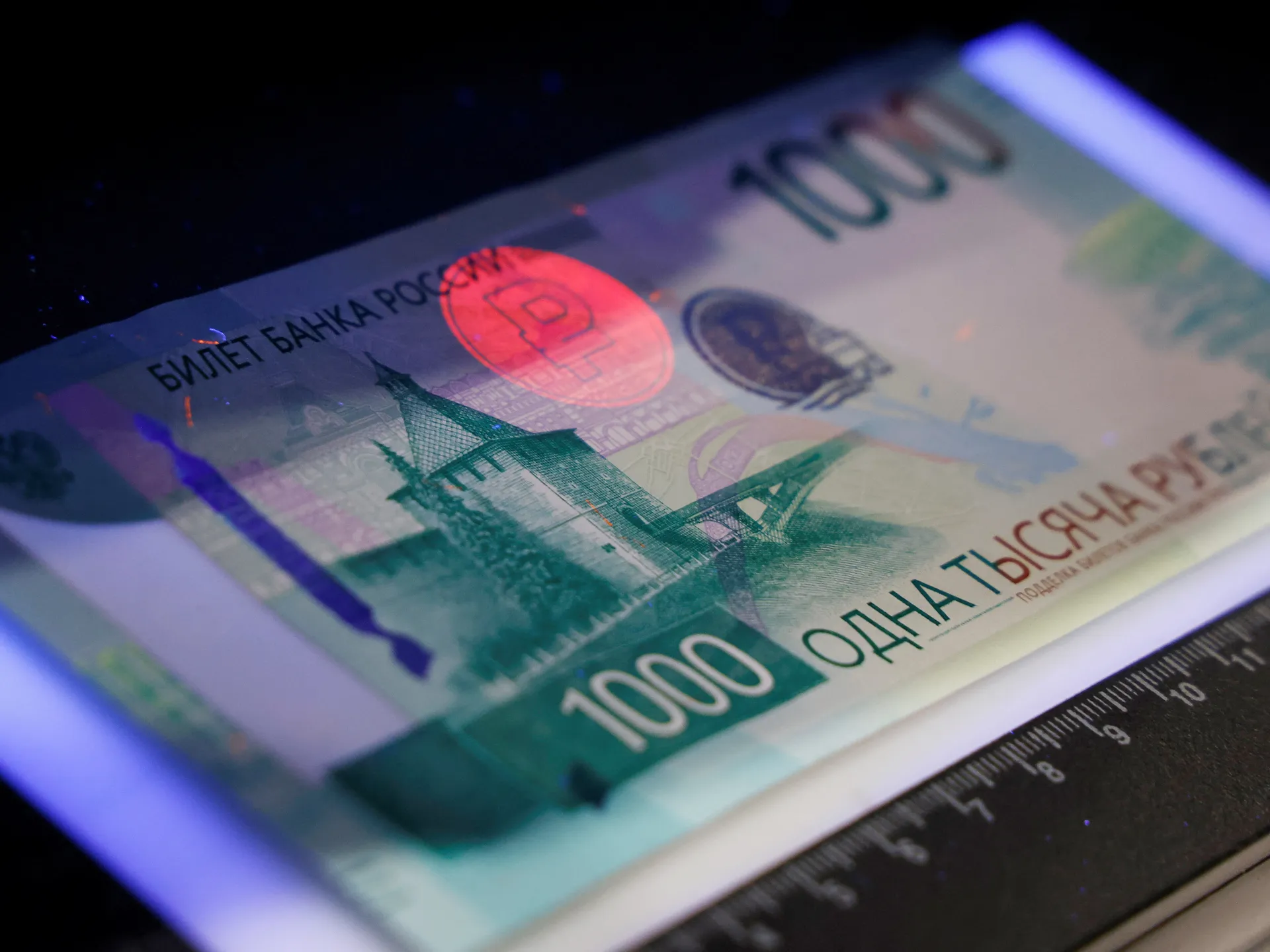
The collapse of the Russian rouble highlights significant underlying issues within the country's economy, raising concerns about financial stability and the effectiveness of current economic policies.
The Russian rouble has fallen to its lowest level against the US dollar in over 32 months, surpassing 110 to the dollar, due to geopolitical tensions from the Ukraine war and new US sanctions. The currency's decline is also reflected against the Chinese yuan and is compounded by a significant drop in Russia's stock market. Analysts suggest potential measures by Russian authorities to stabilize the rouble, while the finance minister downplays concerns, citing benefits for exports. The sanctions have disrupted foreign trade payments, particularly in oil and gas, leading to a currency shortage in Russia.
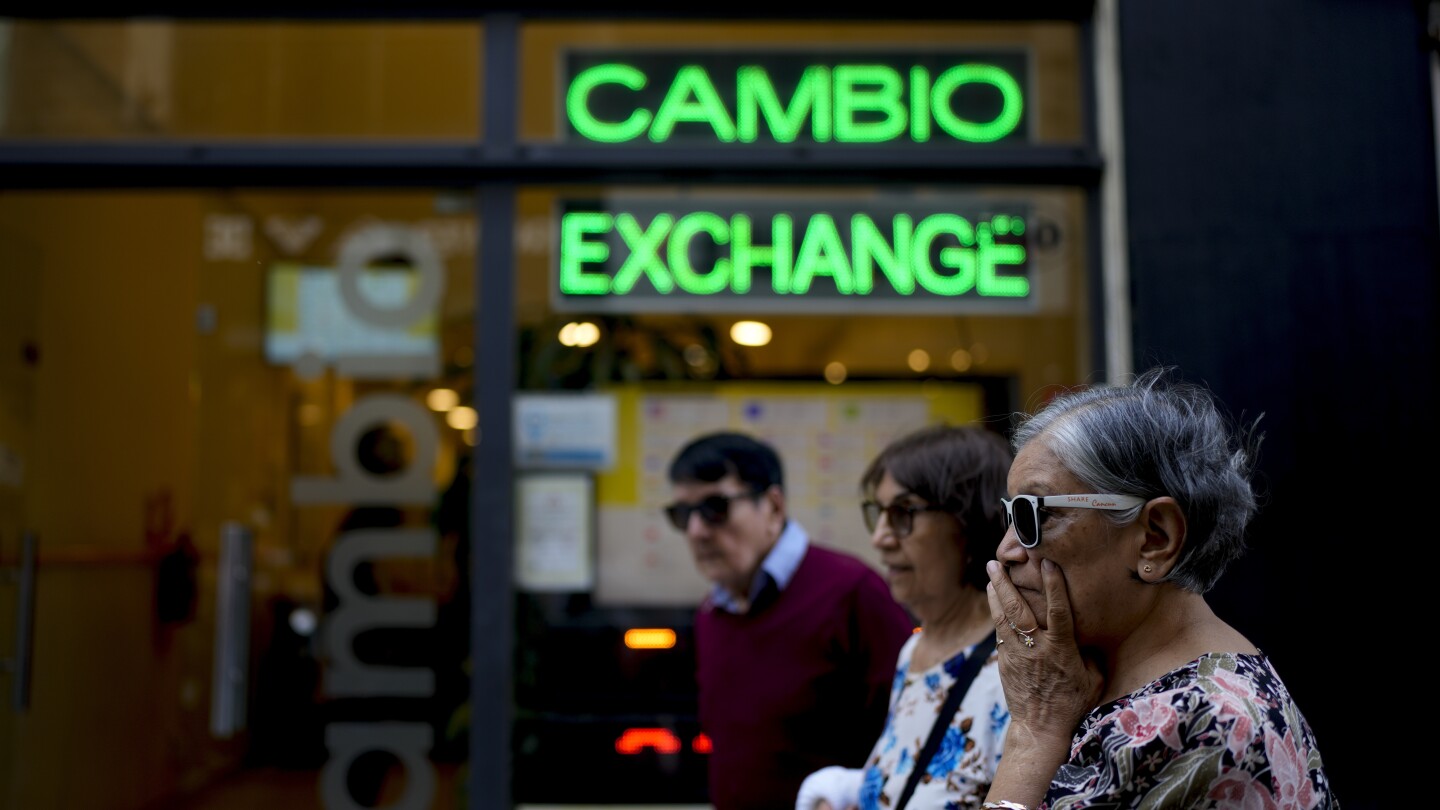
Argentina's surging inflation, reaching 288% in March, is threatening its tourism revenue as the country's once attractive cost of living diminishes due to a 54% currency devaluation and rising prices. This has led to a 50% drop in travel reservations from neighboring countries, impacting the country's tourism services deficit, which topped $1.2 billion last year. The devaluation has made goods in Argentina less of a bargain for foreigners, potentially widening the tourism services deficit and affecting the country's efforts to stabilize its economy and import essential goods.
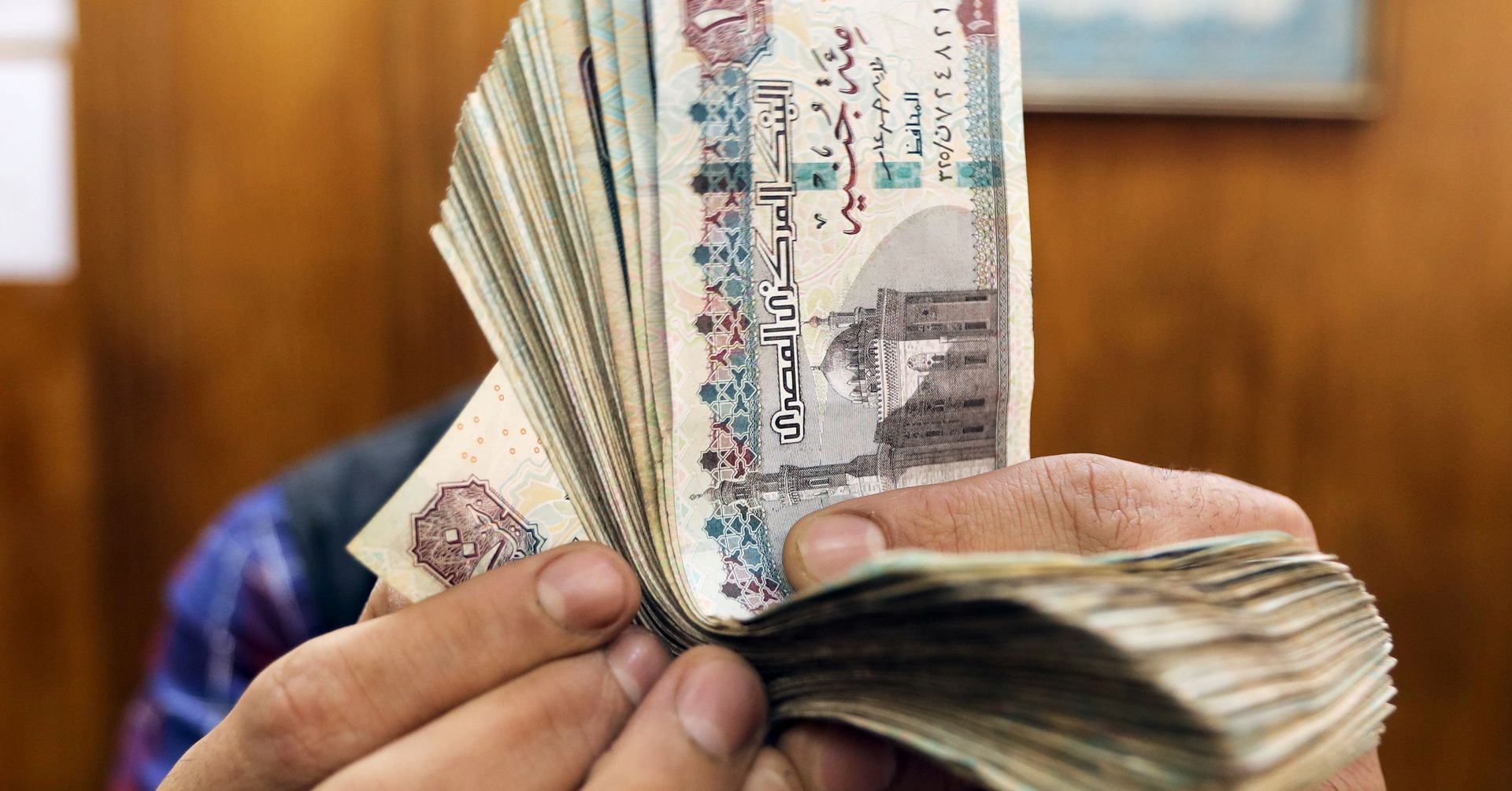
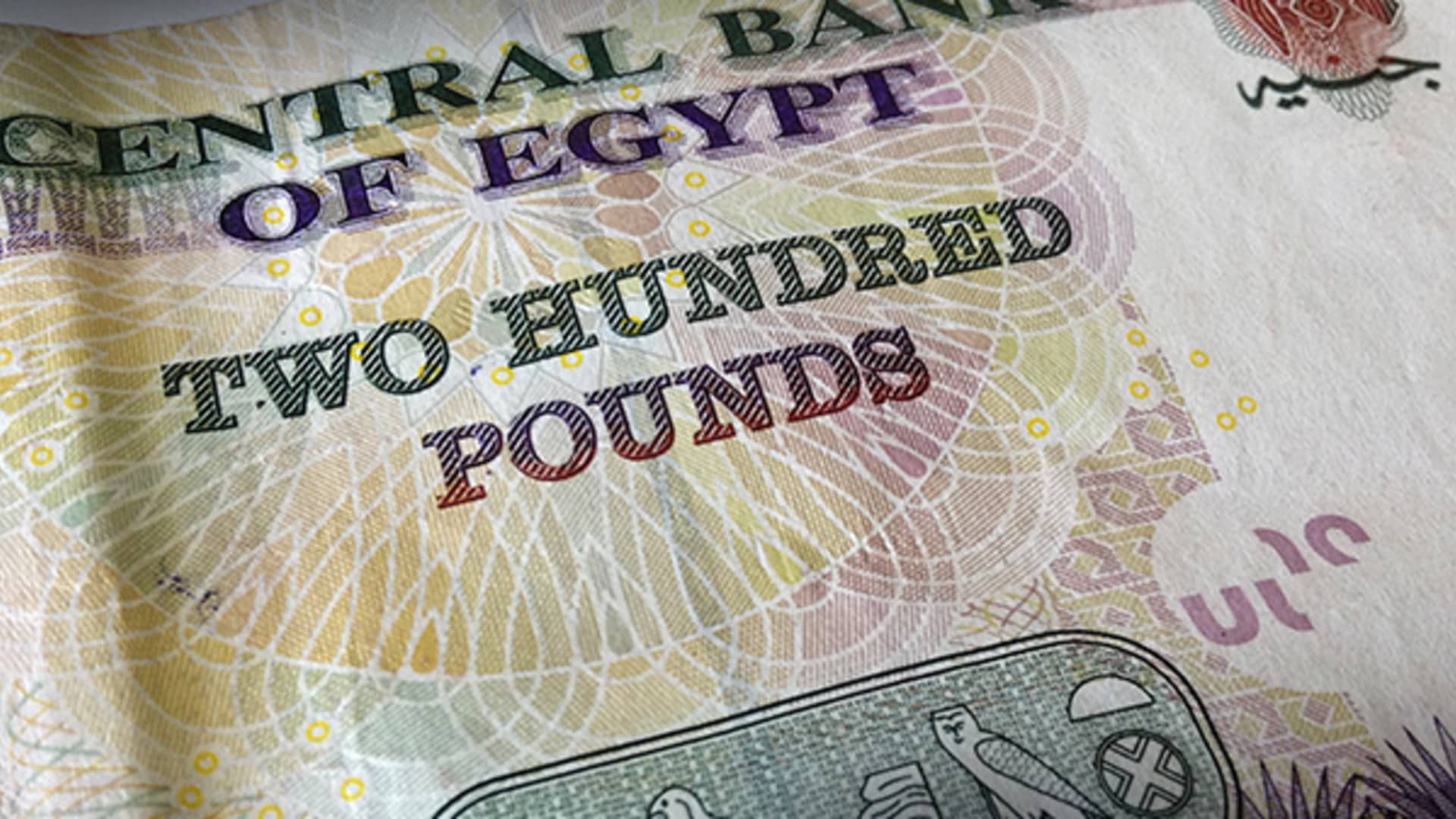
Egypt secured an expanded $8 billion deal with the IMF and a $1.2 billion loan for environmental sustainability, following a significant currency devaluation and a 600 basis points rate hike by the central bank. The move aims to stabilize the economy, address chronic forex shortages, and attract foreign investment, including a $35 billion deal with the UAE. The IMF deal and rate hike come as Egypt grapples with a foreign currency shortage, inflation, and structural reform challenges.
Egypt's central bank raised interest rates by 600 basis points and devalued the pound, leading to a record low against the dollar, in a move aimed at securing an agreement with the IMF and addressing the country's foreign currency shortage. The pound was trading at roughly 50 to the dollar, up from 30.85 previously, and the key interest rate now stands at 27.25%. The measures are part of comprehensive economic reforms and are expected to pave the way for an IMF deal, with analysts anticipating further monetary tightening to combat inflation and offset the impact of the weakened pound.
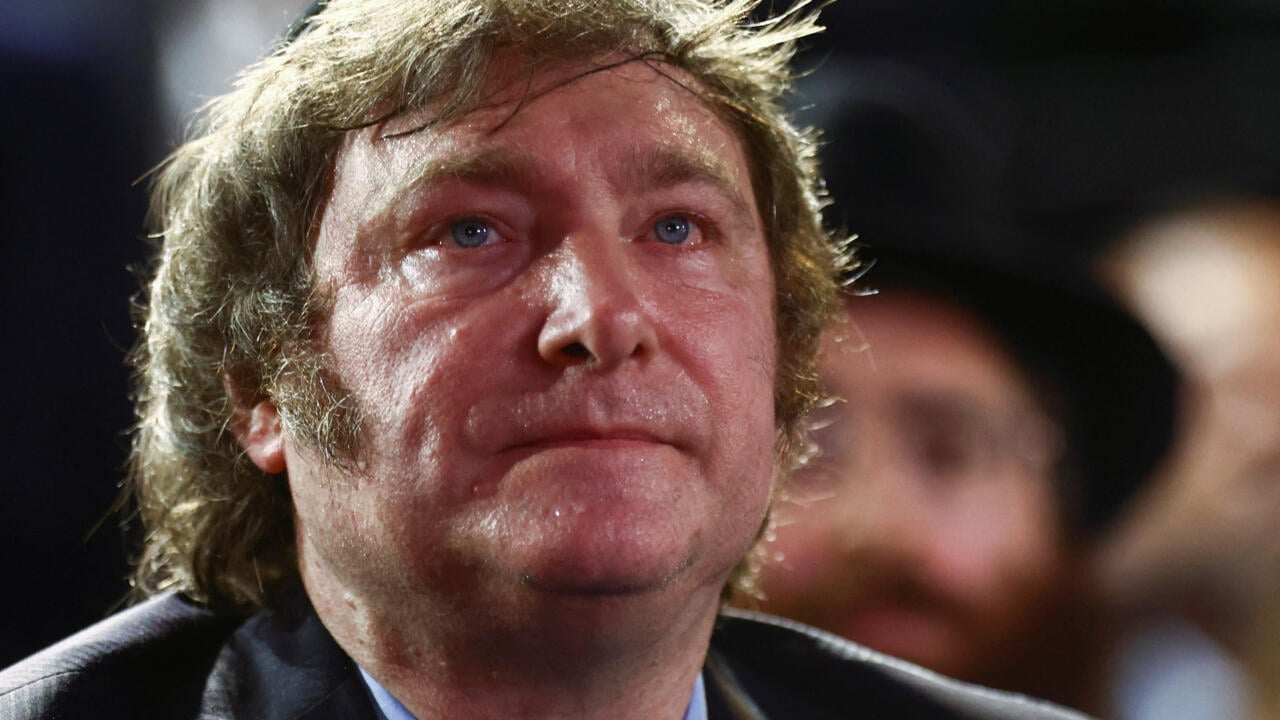
Argentina's new "anarcho-capitalist" president, Javier Milei, has implemented a package of economic measures, including a 50% devaluation of the peso against the dollar, which has led to a rapid rise in prices of up to 100%. Economists warn that the situation is critical and requires a fiscal adjustment, while unions and social movements fear financial ruin for Argentines. The government's plan includes public spending cuts, tax increases, and a freeze on public works. The IMF supports the measures, but critics argue that they will exacerbate inflation and increase poverty levels. The opposition is awaiting details of the economic measures and legislative reforms promised by the government.
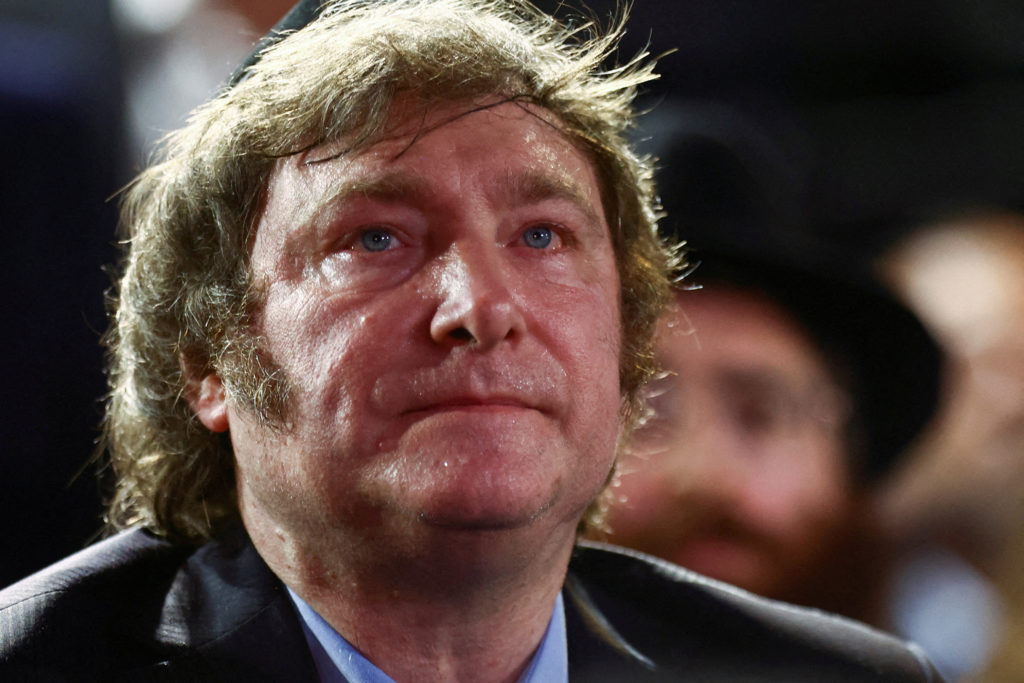
Argentina's new President Javier Milei has implemented shock economic measures, including a 50% devaluation of the currency, cuts to energy and transportation subsidies, and reductions in the size of the government. The country is facing high inflation, a plunging currency, and a significant fiscal deficit. The International Monetary Fund (IMF) has welcomed the measures, stating that they provide a good foundation for further discussions about Argentina's debt with the institution. However, there is opposition from social leaders and unions who fear the impact on the most vulnerable in society. Milei, a self-declared "anarcho-capitalist," rose to fame with his anti-establishment rhetoric and won the presidential election by a significant margin.
Argentina's newly elected president, Javier Milei, has initiated "shock therapy" by devaluing the peso by over 50% against the US dollar in an effort to address the country's economic challenges. The devaluation is accompanied by cuts to energy and transportation subsidies. Milei, a libertarian candidate, aims to reduce the size of the state and tackle the country's high inflation rate and rising poverty levels. Argentina is also burdened with a trade deficit, significant debt, and a deep recession. The government is canceling public works projects and reducing state jobs to shrink the government. Milei emphasized the need for immediate action to address the nation's economic emergency.
Argentina has devalued its currency by over 50% and implemented "shock" measures, including cuts to state subsidies and a halt to new public construction projects, in an effort to revive its struggling economy and combat triple-digit inflation. The government aims to address the root causes of recurrent economic crises, debt, inflation, and fiscal deficits to avoid hyperinflation. The International Monetary Fund (IMF) has welcomed the measures, which aim to improve public finances while protecting the most vulnerable. However, analysts warn that the devaluation will have significant impacts on inflation, and the situation is expected to worsen before it gets better.
Argentina's new President Javier Milei has announced shock economic measures, including a 50% devaluation of the Argentine peso, cuts to energy and transportation subsidies, and reductions in the size of the government. The country is facing high inflation, a plunging currency, and significant debt. The International Monetary Fund (IMF) has welcomed the measures, stating that they provide a good foundation for further discussions about Argentina's debt. However, there is opposition to the measures, with critics warning of the impact on the most vulnerable in society. Milei, a self-declared "anarcho-capitalist," rose to fame with his anti-establishment rhetoric and promises to transform the nation.
Argentina's new President Javier Milei has announced a 50% devaluation of the country's currency, along with cuts to energy and transportation subsidies, as part of shock economic measures to address the ongoing economic crisis. The Argentine peso will be devalued from 400 pesos to the U.S. dollar to 800 pesos to the dollar. The country is facing high inflation, a plunging currency, widespread poverty, a fiscal deficit, a trade deficit, and a significant debt to the International Monetary Fund. The government aims to stabilize the economy and promote sustainable growth through these measures.
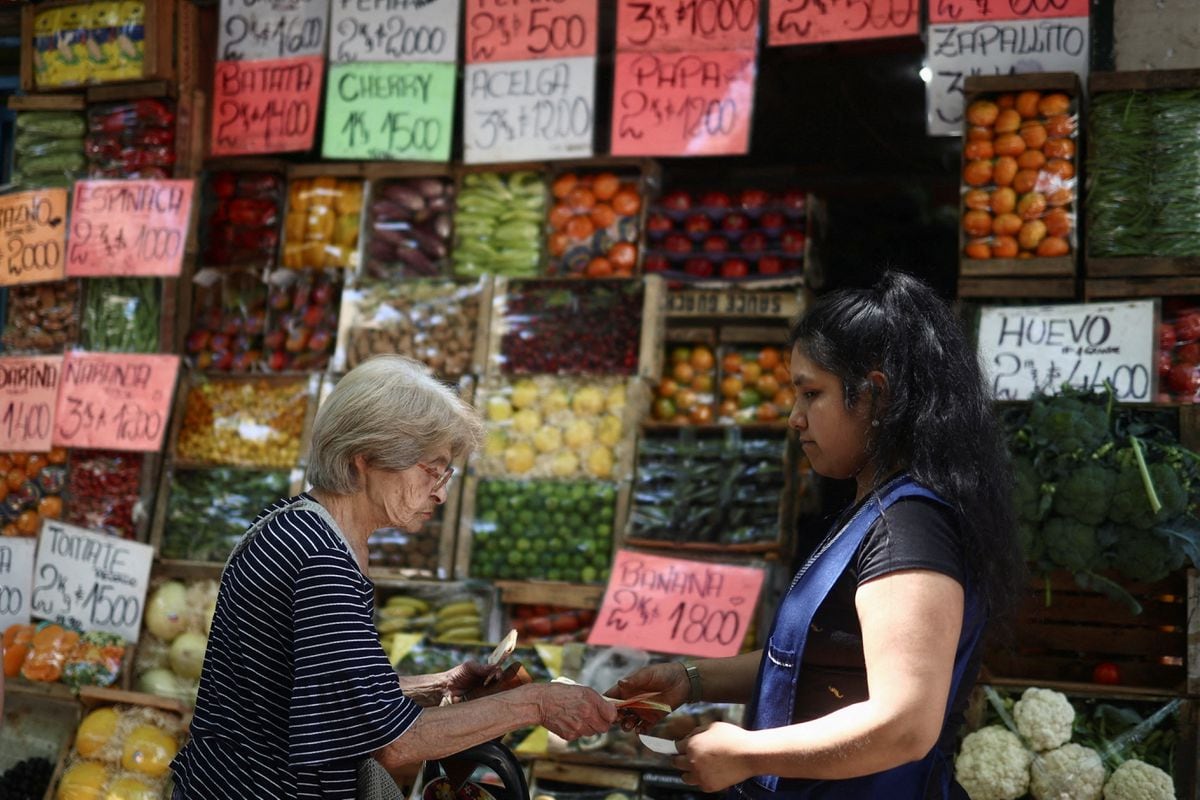
Inflation in Argentina reached its highest rate since 1991, with consumer prices soaring 12.4% in August and an annual inflation rate of 124.4%, putting the ruling coalition on the defensive ahead of the upcoming presidential election. The devaluation of the local currency, the peso, by nearly 20% following the August primaries contributed to the high inflation rate. Right-wing populist Javier Milei is currently leading in the polls, while Economy Minister Sergio Massa is trying to convince voters to elect him as president. The sharp rise in prices, particularly for food items, has caused discontent among the population.
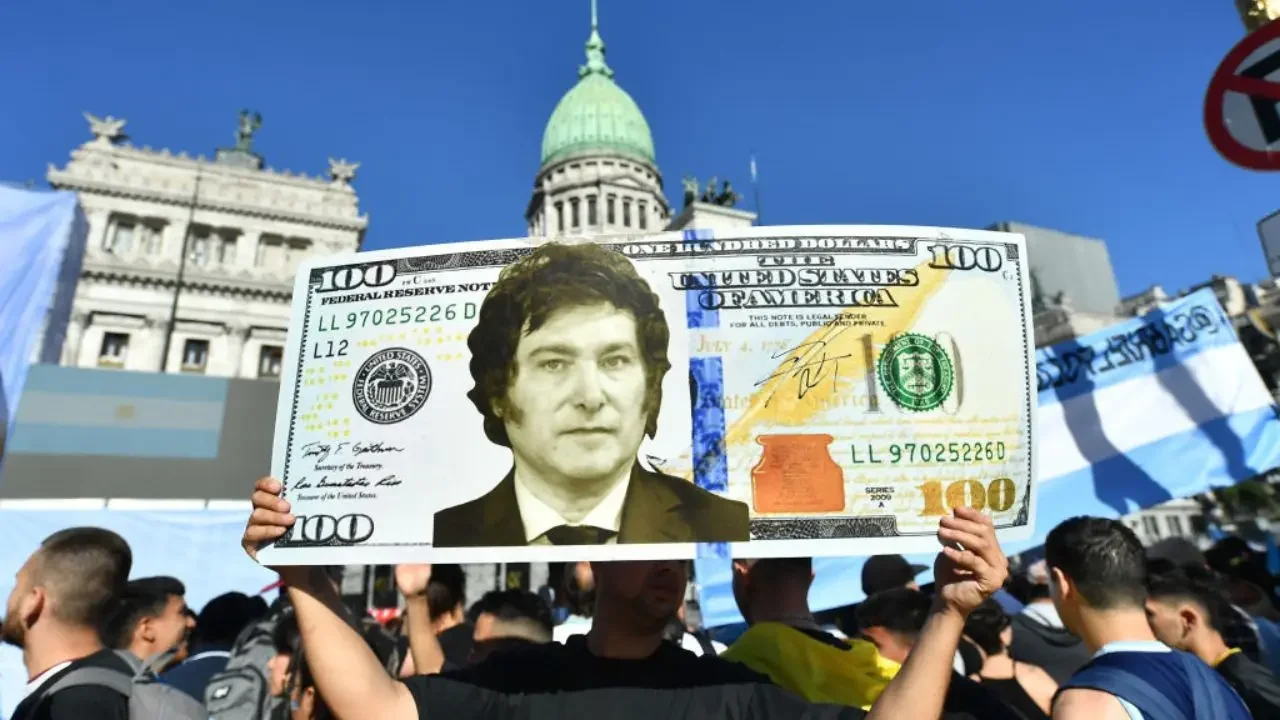
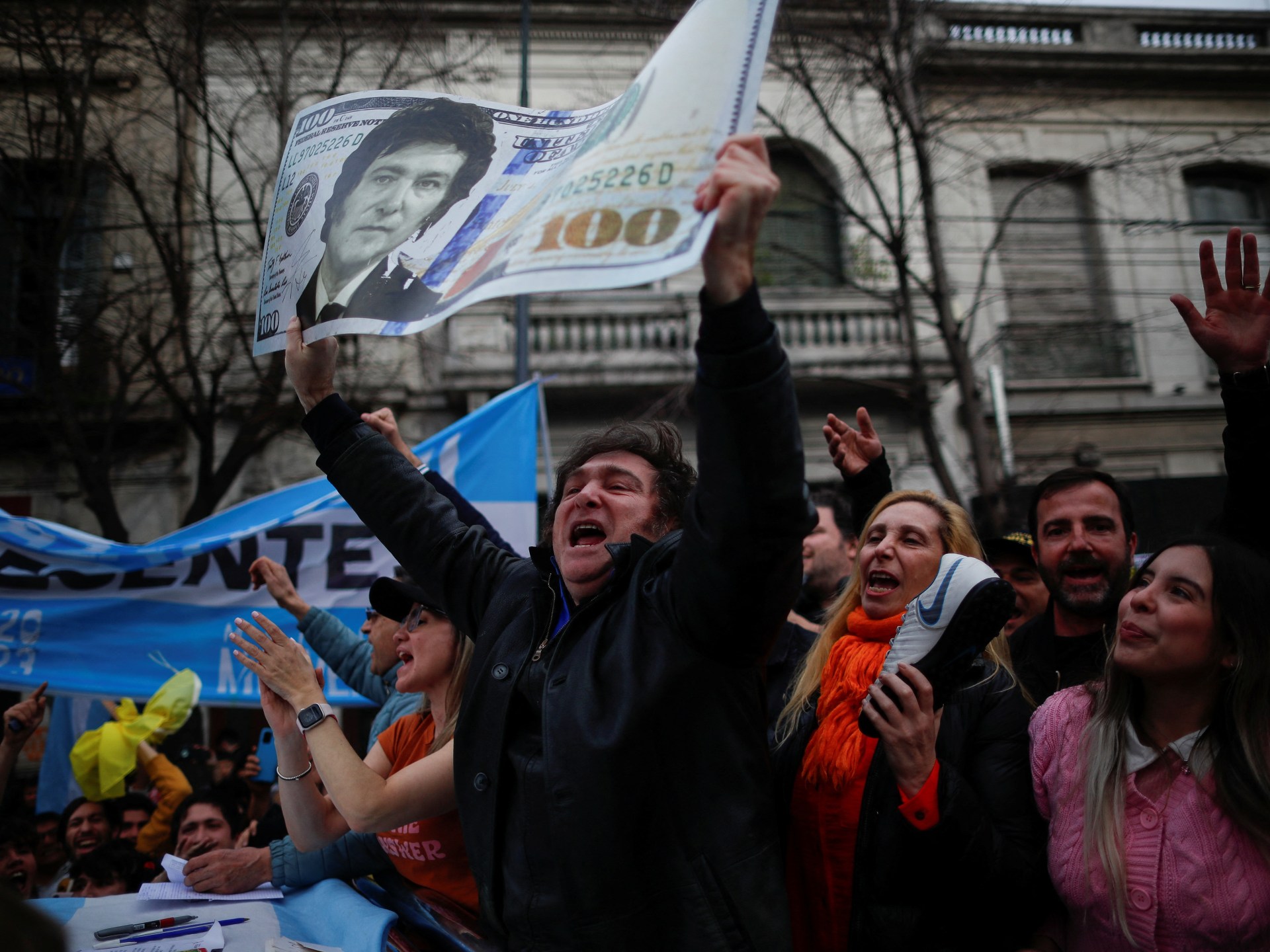
Populist candidate Javier Milei emerged as the winner in Argentina's presidential primary poll, causing turmoil in financial markets. Milei, who advocates for replacing the peso with the dollar and abolishing the Central Bank, received the largest share of primary votes, signaling a growing dissatisfaction with the political establishment. The devaluation of the peso following Milei's victory is expected to worsen already-high inflation and economic hardships for ordinary citizens. Milei's anti-establishment stance and controversial views on various issues have garnered him a significant following, making him a real contender for the presidency. However, he faces a challenging path to victory in the upcoming general election.