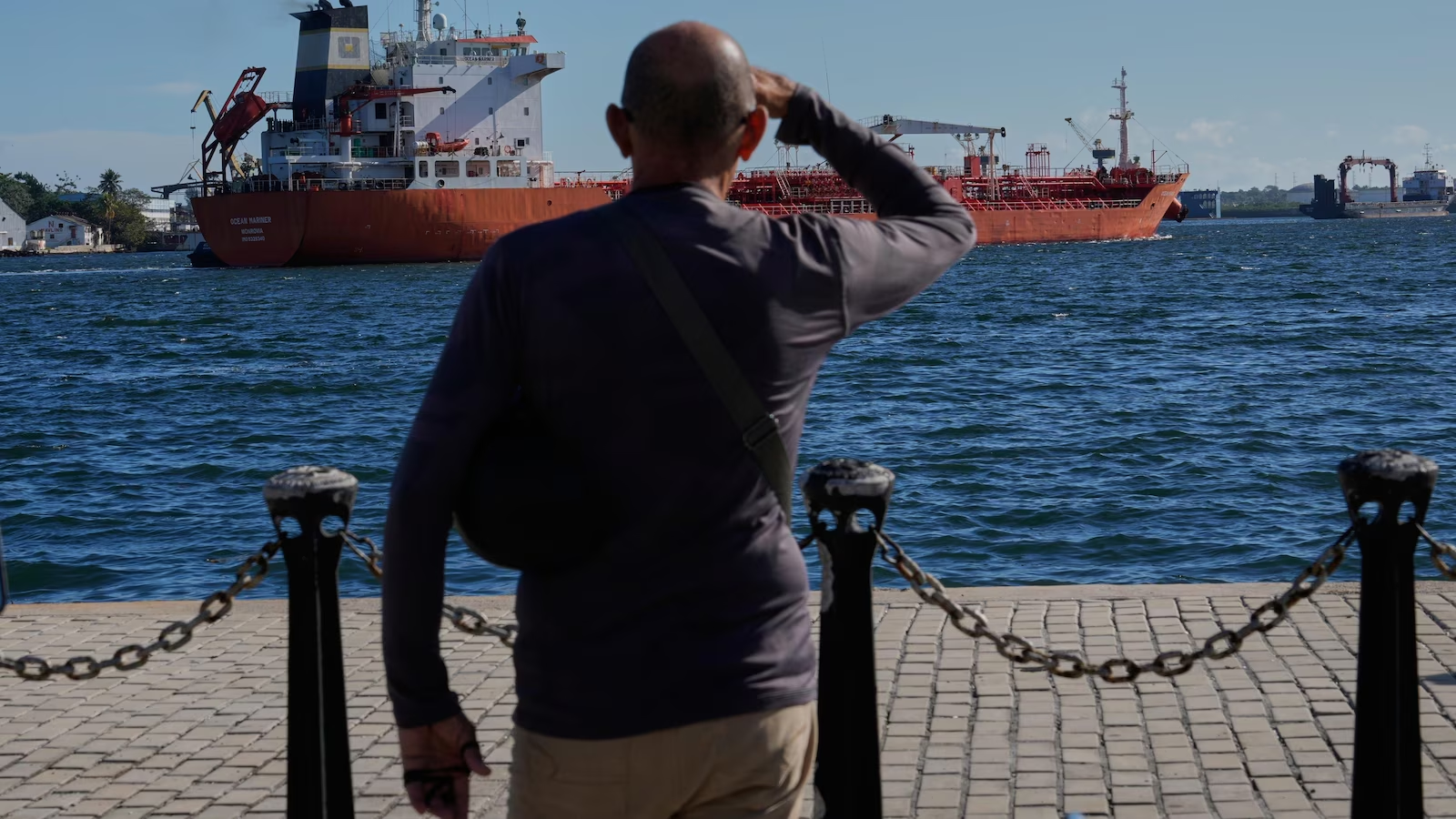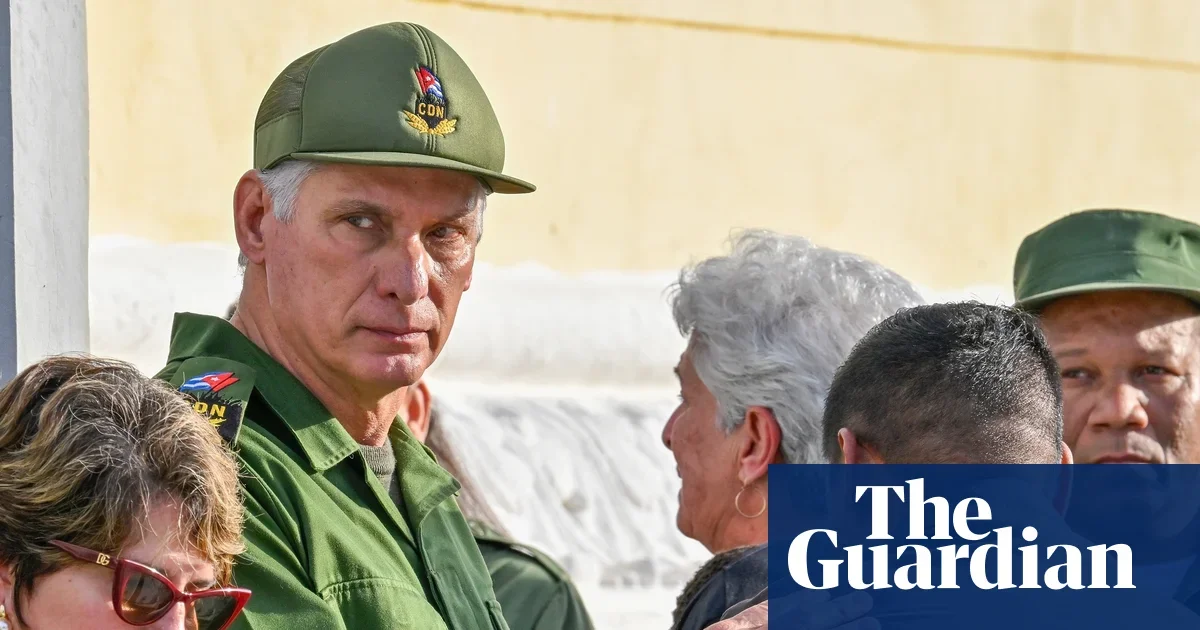
The article discusses Cuba's worsening economic crisis exacerbated by US seizures of Venezuela-linked oil tankers, raising fears of social unrest, mass migration, and potential regime instability amid ongoing US sanctions and political tensions.
The Venezuelan currency has sharply declined due to the country's economic struggles exacerbated by US sanctions, leading to a severe financial crisis.
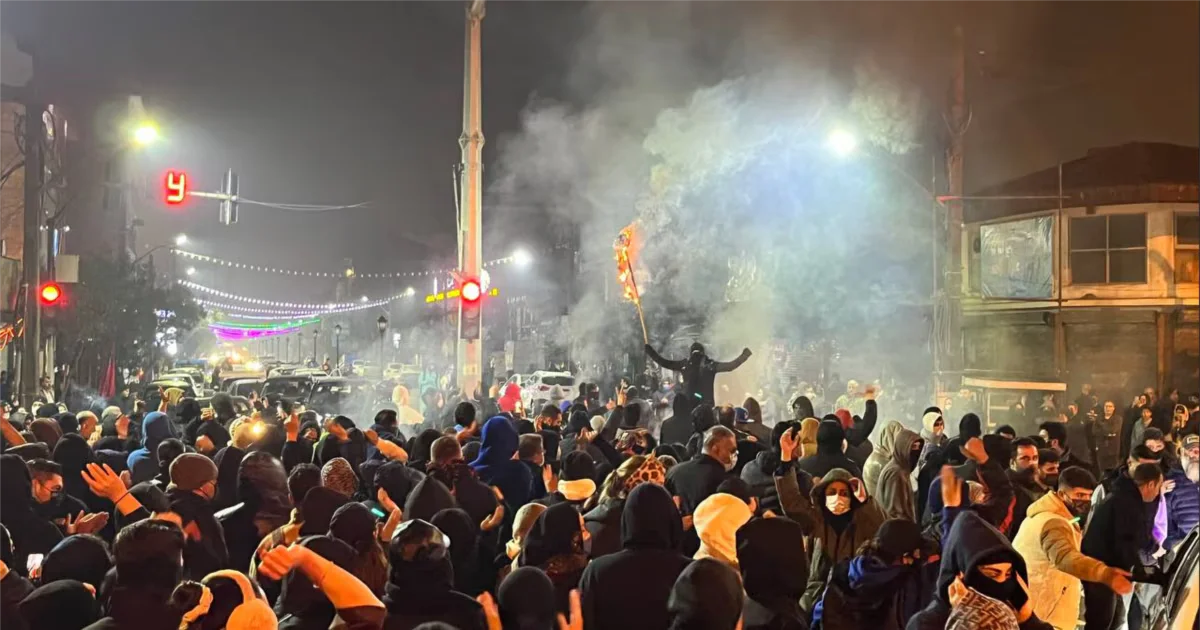
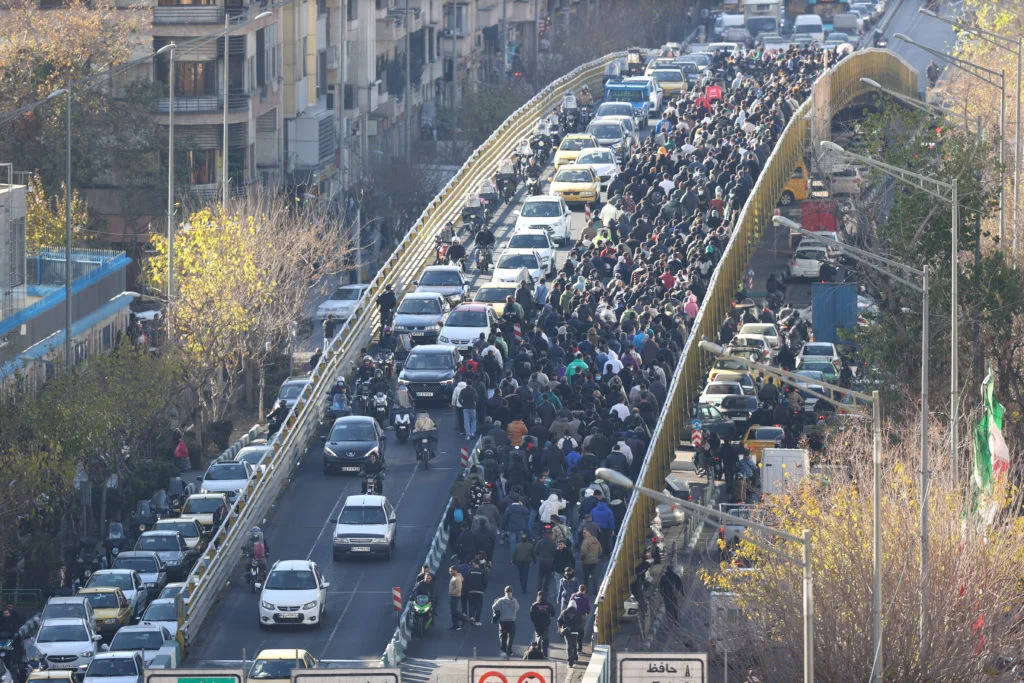
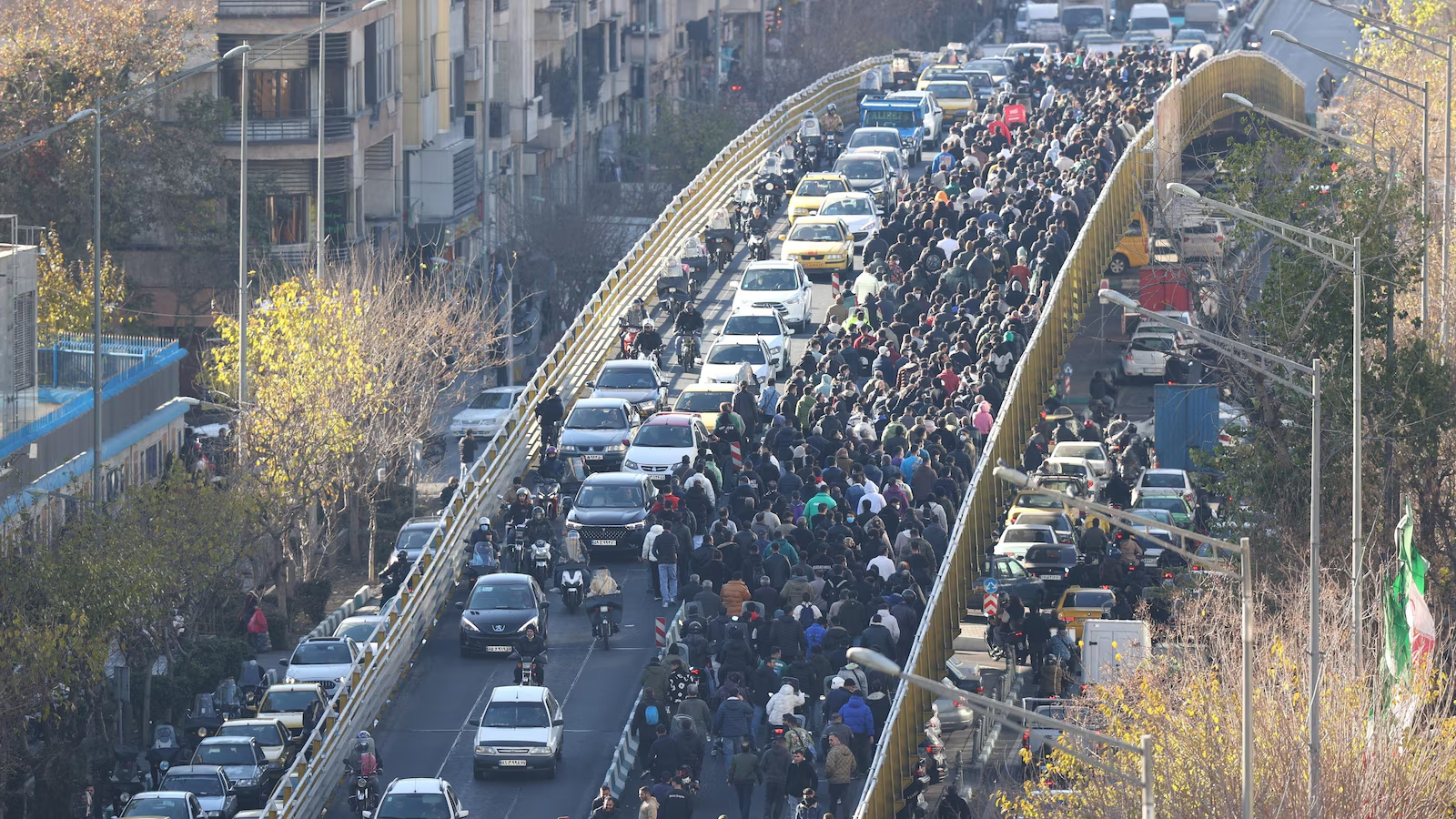
Iran is experiencing its most widespread protests since 2009, challenging the clerical regime amid economic collapse and social unrest, potentially marking the beginning of a revolutionary moment, though its success remains uncertain and dependent on military and regime responses.
Nationwide protests in Iran, driven by economic hardship and political discontent, are challenging the theocratic government amid ongoing regional conflicts and international tensions over Iran's nuclear ambitions, with widespread unrest and significant geopolitical implications.
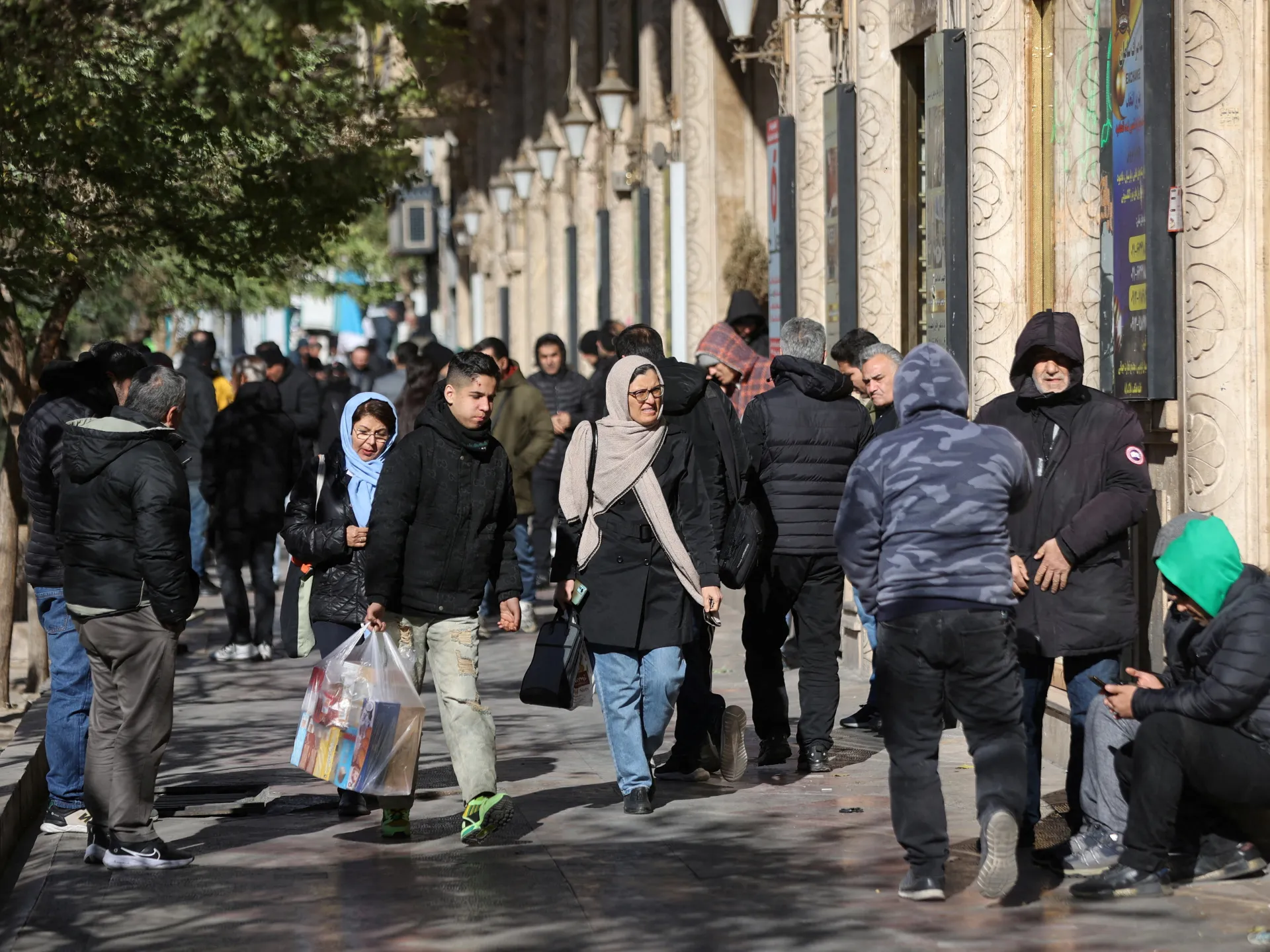
At least 35 people have been killed during protests across Iran over the past 10 days, sparked by economic hardship and currency devaluation, with widespread unrest and violent crackdowns reported by human rights groups, amid calls for peaceful protest and international concern.
Protests in Iran have spread nationwide due to economic hardship, corruption, and political discontent, coinciding with heightened US threats and regional instability, marking Iran's weakest internal and external position in years.
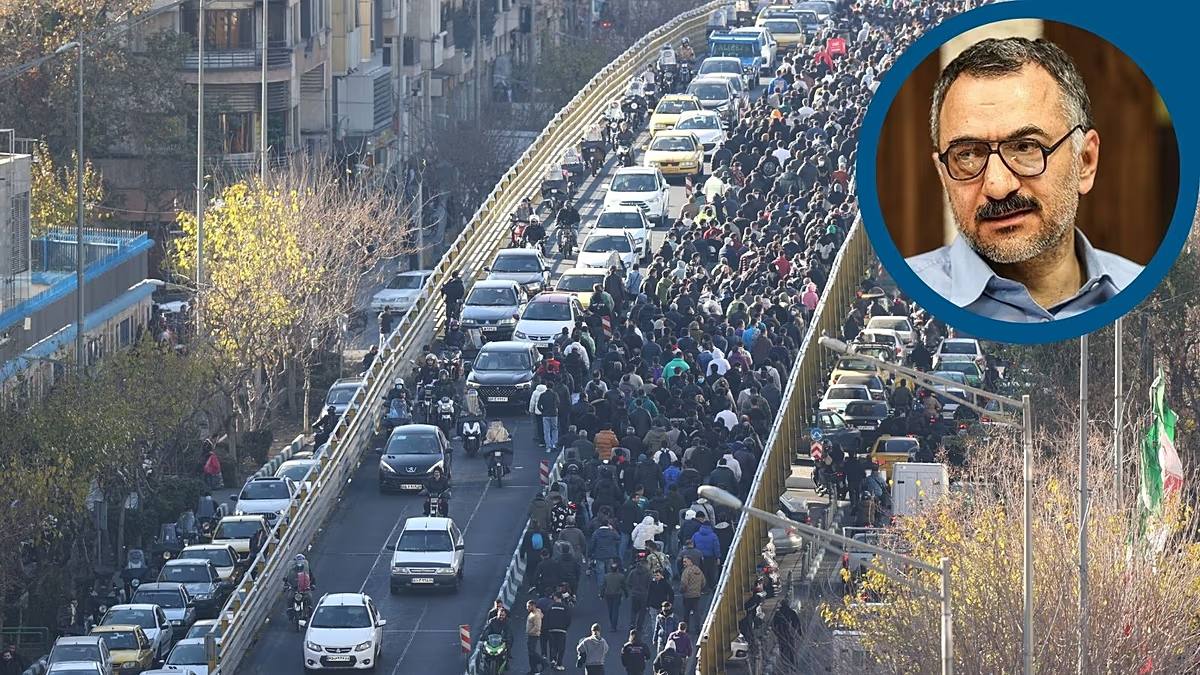
An ex-top aide suggests Iran's governance is at a dead end, with protests driven by severe economic issues and systemic inefficiency. He predicts a Bonaparte-like figure may emerge from within the system to restore coherence, and warns that external threats and internal corruption threaten stability, with potential for continued unrest and high risk of conflict.
Widespread protests in Iran over economic hardship, currency collapse, and political grievances are escalating amid high regional tensions, weakened alliances, and concerns over Iran's nuclear program, with the government facing significant internal and external pressures.
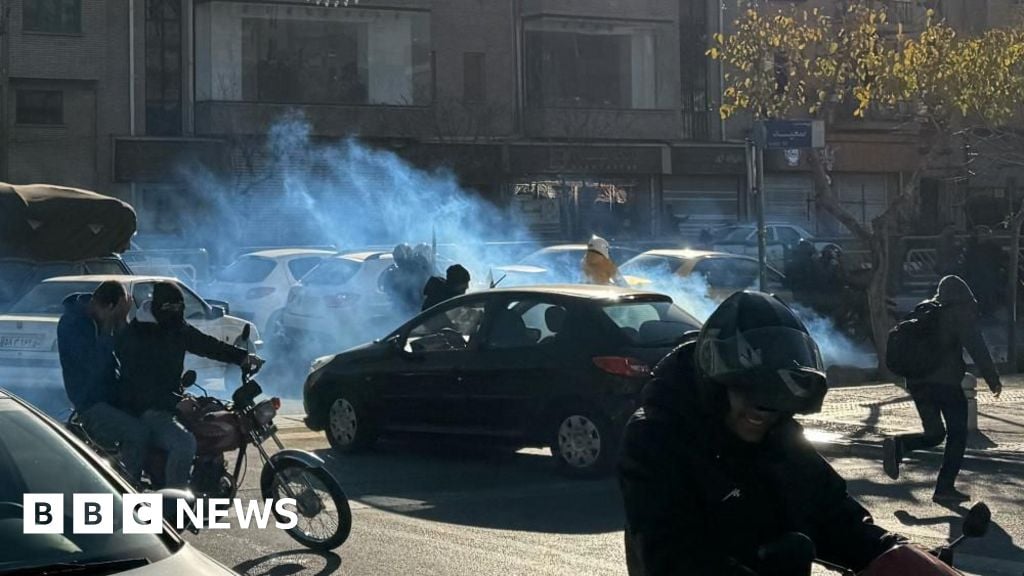
Sporadic protests have erupted in Tehran and other Iranian cities, initially over economic issues but increasingly involving political demands, with clashes reported especially in the west of the country. The protests, which began on December 28, have seen limited participation in Tehran but more violence in western regions like Malekshahi, where a security officer was killed. Supreme Leader Khamenei acknowledged the protests but emphasized they are not yet nationwide and warned against violence, signaling ongoing tensions amid Iran's economic struggles.
Widespread protests in Iran, driven by economic hardship and political unrest, are challenging the theocratic government amid ongoing regional conflicts and tensions over Iran's nuclear ambitions, with international and domestic pressures mounting.
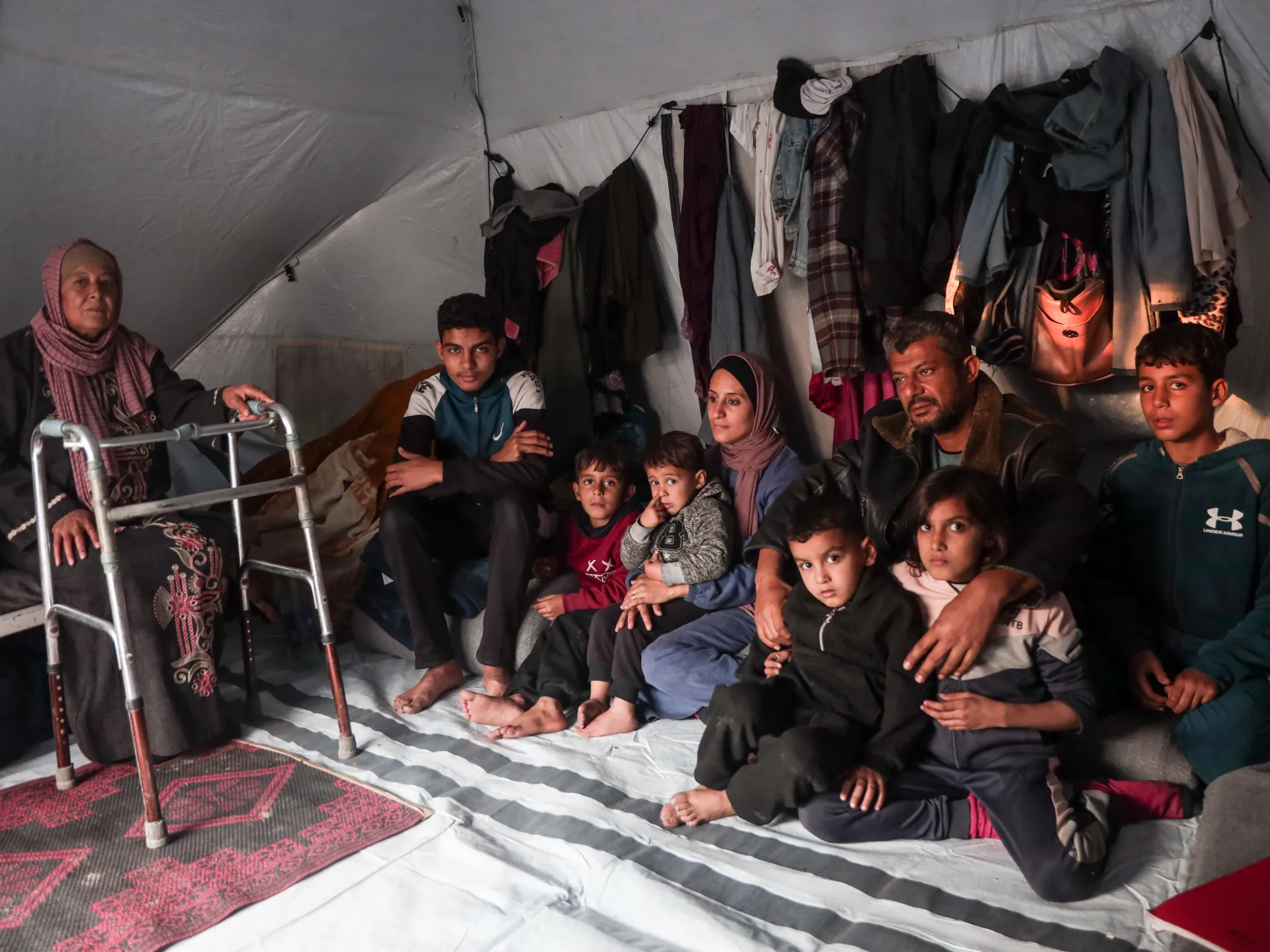
The Gaza Strip faces a severe economic and humanitarian crisis following Israel's war, with skyrocketing unemployment, widespread displacement, destruction of infrastructure, and a collapse of the local economy, leading to increased poverty and food insecurity among its residents.
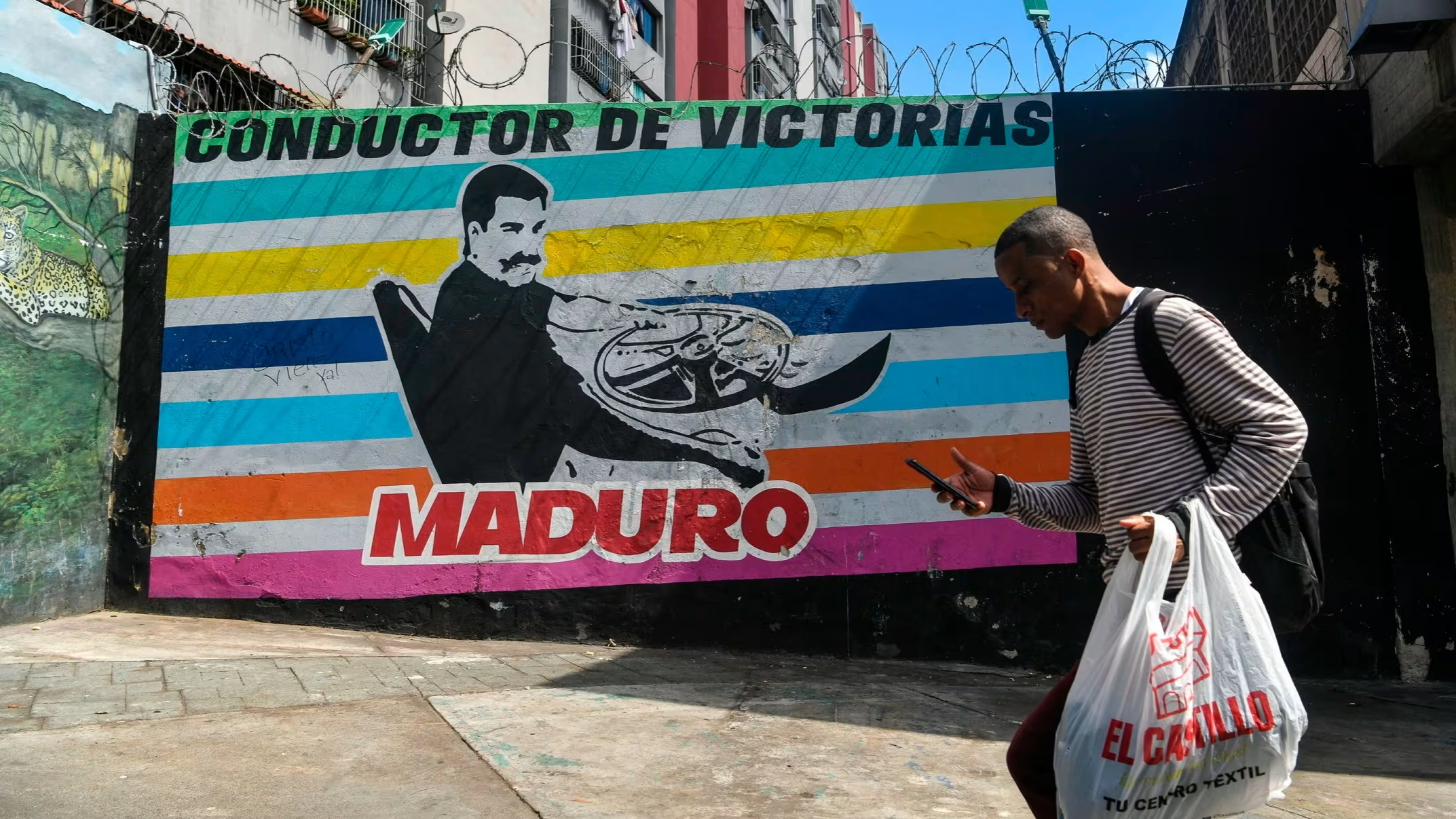
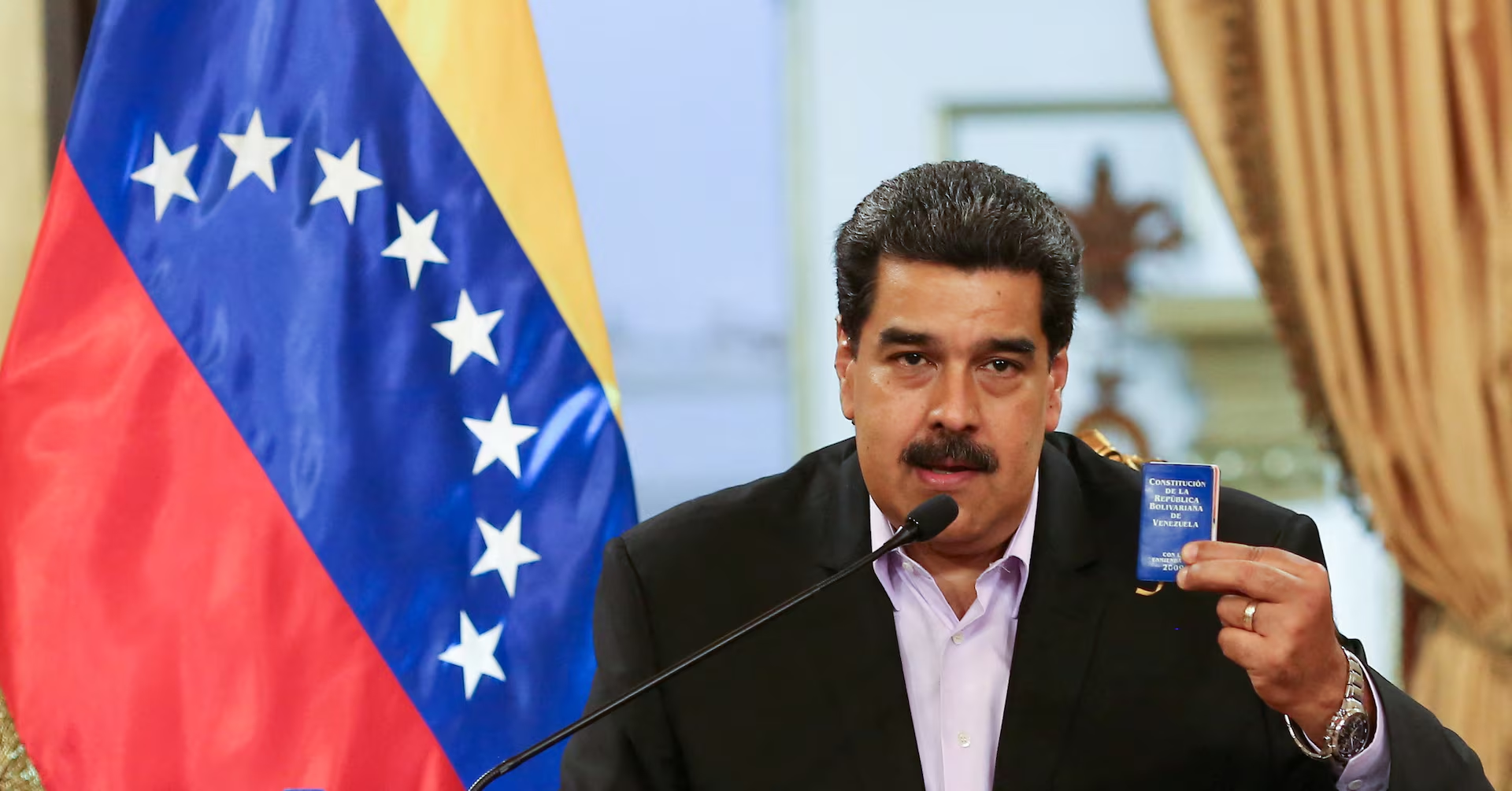
Nicolas Maduro, born in 1962, is the President of Venezuela, having succeeded Hugo Chavez in 2013. His tenure has been marked by economic collapse, political repression, and international sanctions, with widespread allegations of election rigging and human rights abuses. Maduro's government remains controversial, with ongoing protests and international condemnation.
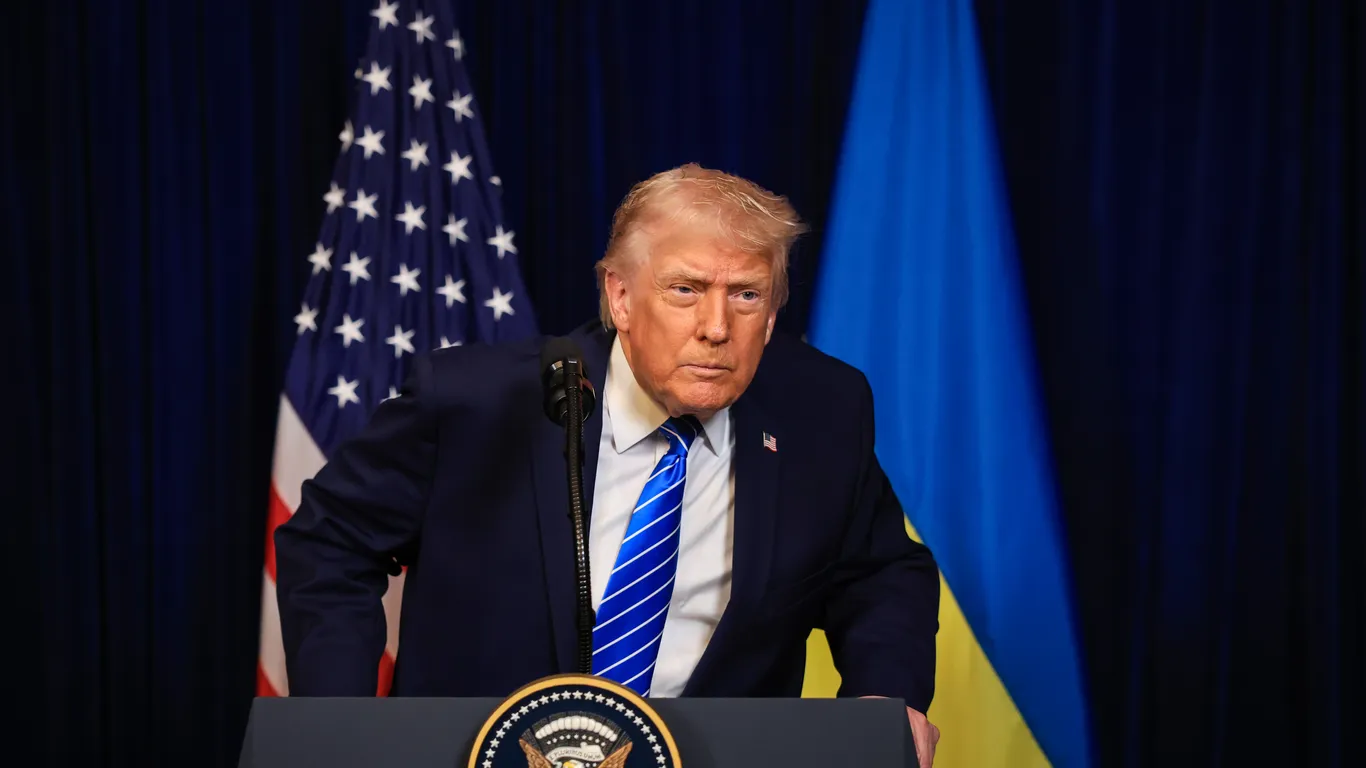
Protests in Iran over economic hardship and violence against demonstrators have escalated, prompting Trump to threaten military intervention if Iran kills protesters, raising concerns of regional instability.
Protests across Iran, triggered by economic hardships and currency devaluation, challenge President Pezeshkian's reform efforts, with clashes between demonstrators and security forces highlighting deep public dissatisfaction and ongoing political tensions.
Protests in Iran over economic issues have expanded to rural areas, resulting in at least six deaths among protesters and security forces, marking the largest unrest since 2022, with authorities possibly preparing a heavier crackdown amid ongoing economic and political tensions.