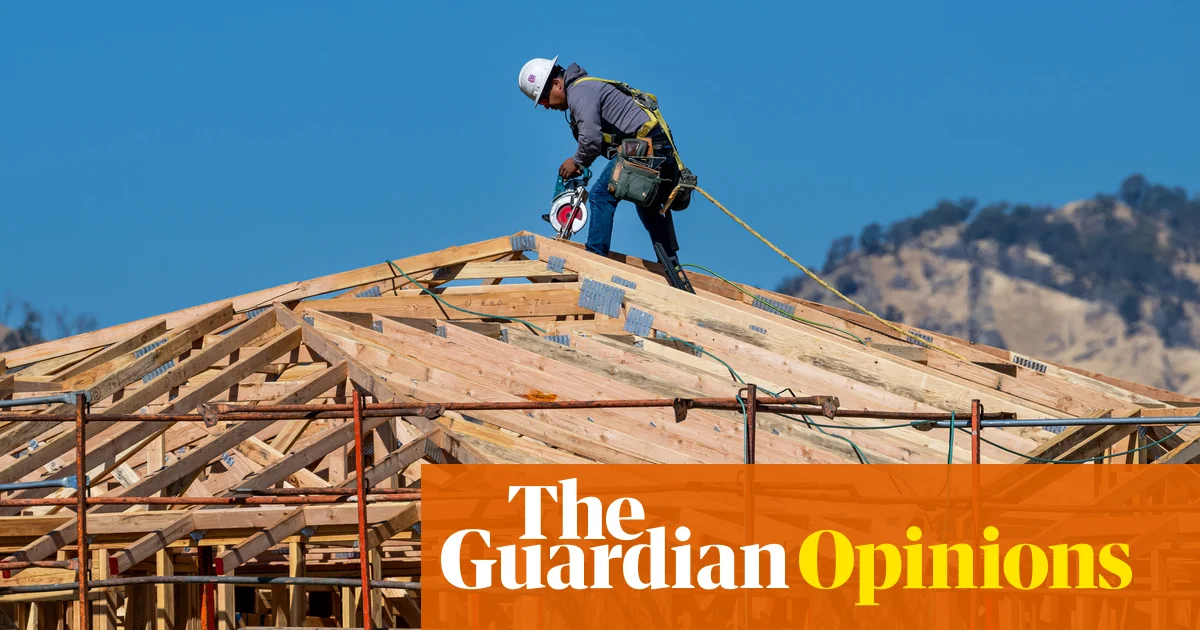
The construction industry faces a significant labor shortage due to aging workers and declining interest from young people, but AI may shift the job landscape by eliminating entry-level and white-collar jobs, encouraging more youth to pursue trades, which are seeing increased enrollment and could benefit from future industry growth.

Japan plans to accept up to 1.23 million foreign workers by 2028, primarily through the Specified Skilled Worker System and a new Employment for Skill Development Program, replacing the problematic Technical Intern Training Program, to address domestic labor shortages across various sectors.
Walmart has revamped its training program to address the growing shortage of skilled tradespeople, enabling employees like Liz Cardenas to significantly increase their pay and responsibilities, which highlights the broader industry challenge of labor shortages in trades due to retirements and immigration issues. The initiative aims to attract more workers into technical roles, crucial for maintaining operations and reducing costly downtimes, with plans to train 4,000 workers by 2030.
Walmart is actively addressing the US skilled trades labor shortage by revamping its training programs to develop maintenance technicians, aiming to fill critical roles in its distribution centers and stores, amidst a broader industry challenge of declining skilled workers and increasing operational costs.
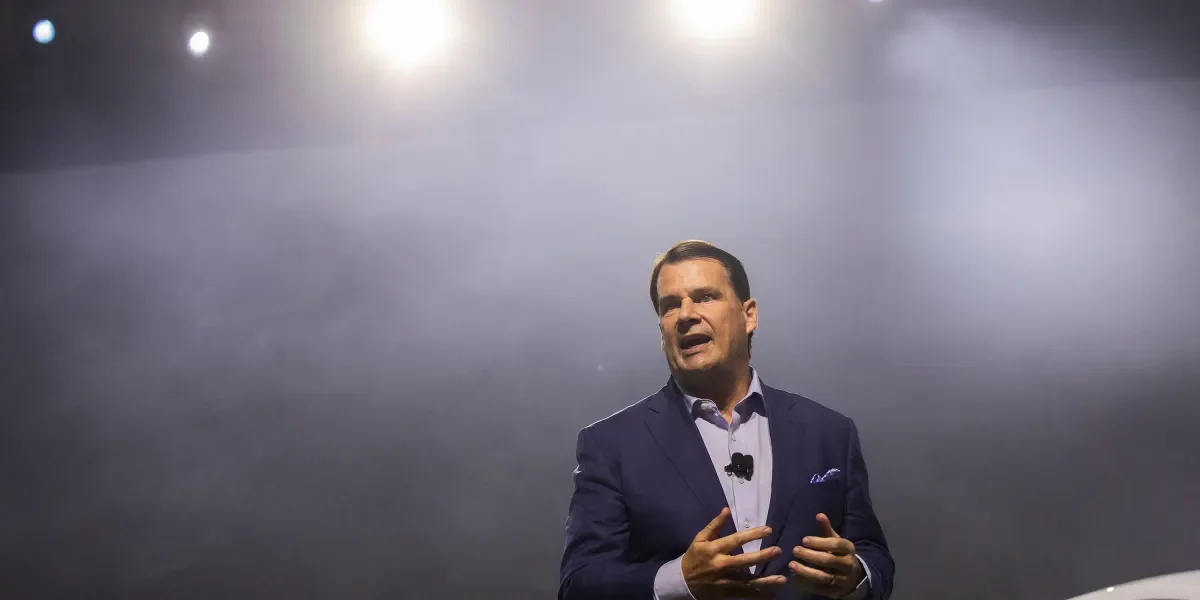
Ford CEO Jim Farley highlights a significant labor shortage in manual trades, with 5,000 open mechanic positions offering high salaries, reflecting a broader national issue of skilled labor shortages due to inadequate training and education. He emphasizes the need for more investment in trade schools to address the crisis and support the country's manufacturing and economic future.
The construction industry in the U.S. is facing a severe labor shortage worsened by ICE enforcement actions targeting immigrant workers, leading to project delays, increased costs, and industry concerns about the future workforce, with many industry leaders advocating for immigration reform and legal pathways for workers.
Labor shortages, tariffs, and rising costs are significantly impacting the homebuilding industry, leading to a projected decline in single-family housing starts and increased construction expenses, while multifamily construction remains strong.
Ford CEO Jim Farley shared a personal realization about the blue-collar labor crisis, highlighting that many young workers need multiple jobs to support themselves, and emphasizing the urgent need for investment in skilled trades and vocational training to address a nationwide labor shortage and rebuild the stability and pride associated with blue-collar careers.
Ford CEO Jim Farley warns that the U.S. faces a significant shortage of blue-collar workers needed to build and operate AI data centers and factories, which could hinder the country's ability to achieve its AI ambitions and sustain economic growth. The shortage is attributed to an aging workforce, restrictive immigration policies, and a lack of awareness, necessitating policy changes and increased investment in vocational training.
Grocery bills are rising due to tariffs, climate change, and a labor shortage, with companies often passing costs to consumers through higher prices and shrinkflation, prompting shoppers to seek deals and reduce waste to save money.
The U.S. has seen a decline of 1.5 million immigrants this year, largely due to increased deportations and voluntary departures, marking the first population drop in decades and potentially impacting the economy and labor market, especially in industries reliant on immigrant workers.
U.S. restaurants are facing significant challenges due to rising food and labor costs, coupled with consumers cutting back on dining out amid economic uncertainty and inflation, threatening their profitability and survival.
Ford CEO Jim Farley warns that AI could eliminate half of white-collar jobs in the U.S., while highlighting a significant shortage of workers in the essential economy, particularly in skilled trades, which are crucial for supporting AI infrastructure and other industries. He advocates for a shift in education focus towards vocational training to address the labor gap and capitalize on opportunities in trades, contrasting with the declining interest in four-year college paths. Other tech leaders also predict substantial job reductions due to AI, emphasizing the need for a reevaluation of workforce development.
The Institute for the Study of War (ISW) reports that Russia faces significant economic, demographic, and defense industry challenges amid its ongoing war in Ukraine. With inflation at 9% and Western sanctions straining the economy, Russia increasingly relies on China, Türkiye, and North Korea for support. The Kremlin has implemented policies to reduce costs and combat inflation, but these measures highlight its struggle to sustain the war effort long-term. Recent changes to military compensation have sparked criticism, and high interest rates are impacting defense production. Demographic issues, including a declining population and labor shortages, further threaten Russia's economic stability.
Fundstrat's Tom Lee predicts that a global labor shortage of 80 million workers by 2030 will drive technology stocks to make up 50% of the S&P 500, up from the current 30%. Lee argues that AI will boost productivity and address the labor gap, leading companies to spend $3.2 trillion annually on AI tech. Nvidia, with its high-demand chips, is expected to benefit significantly from this trend. Historical precedents show similar tech stock surges during past labor shortages.