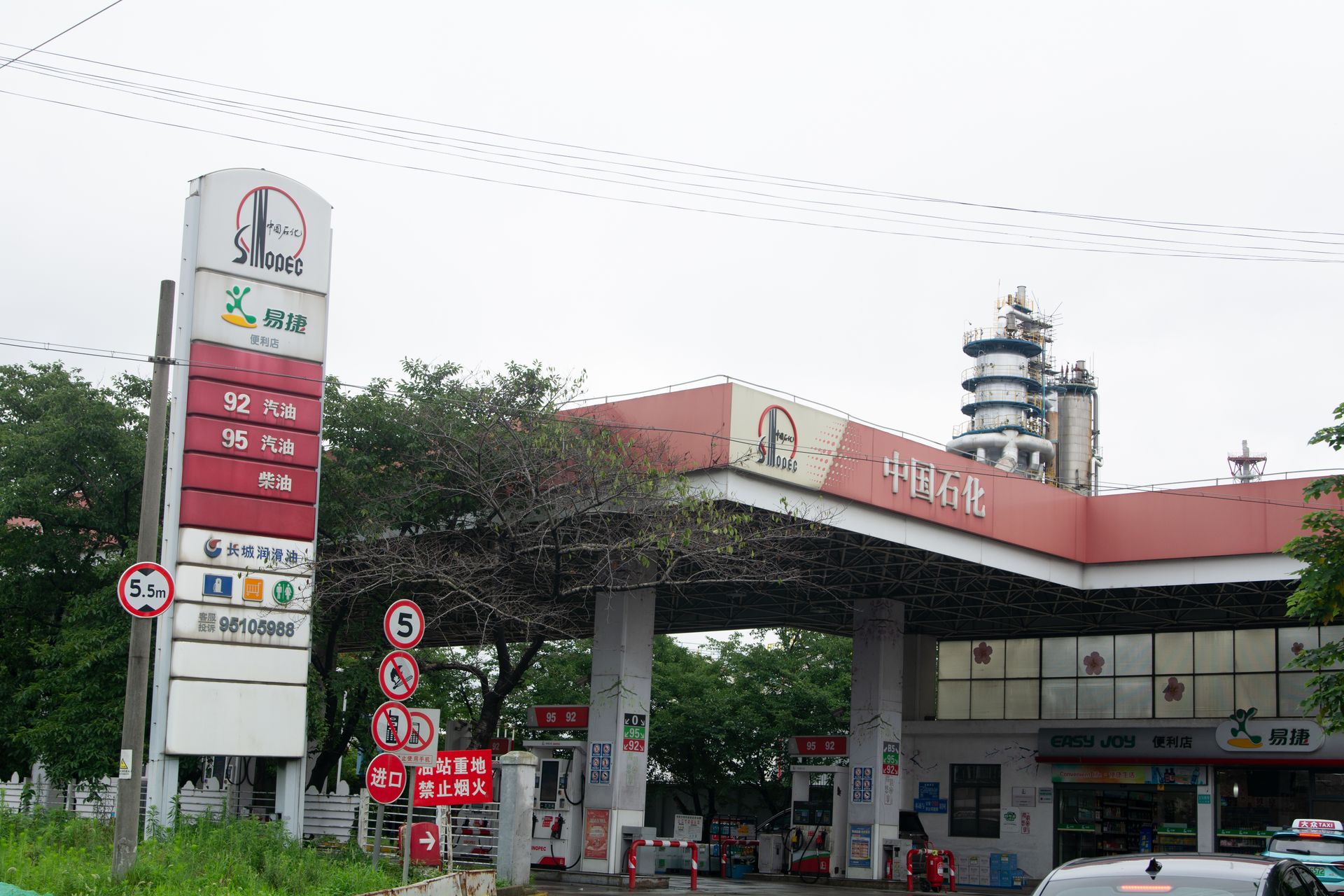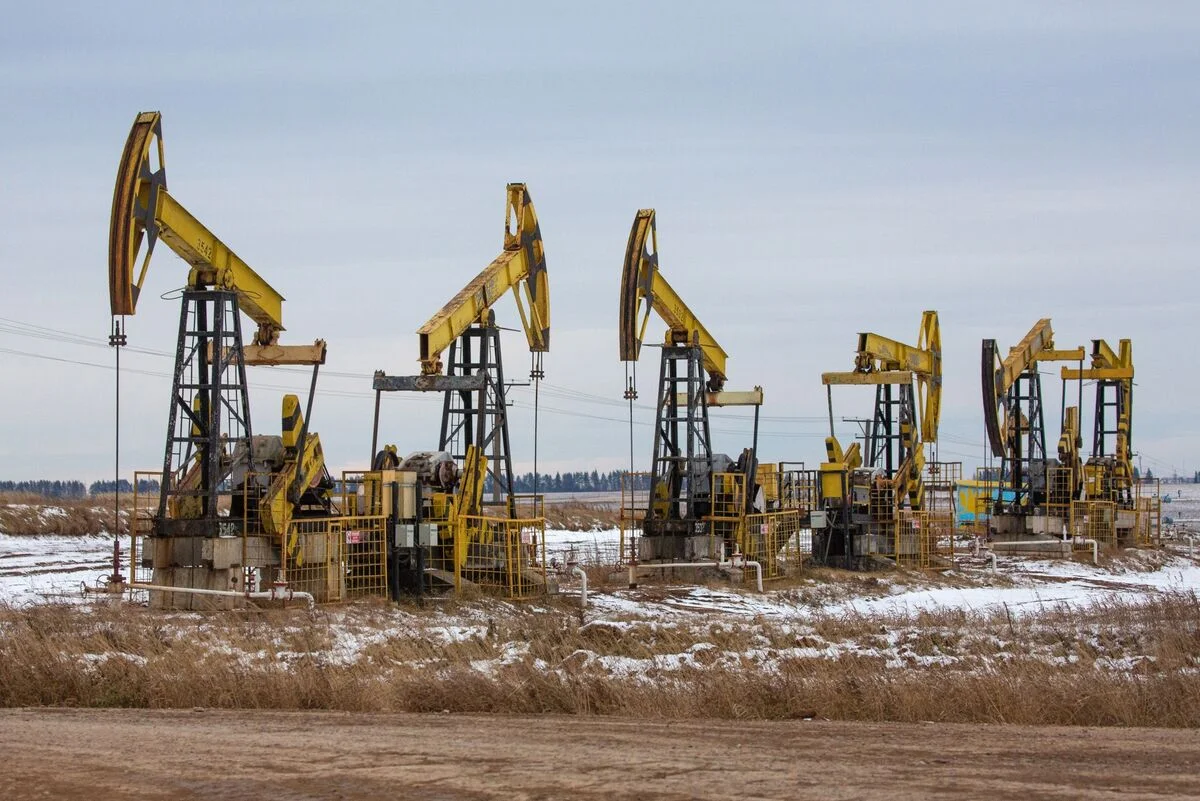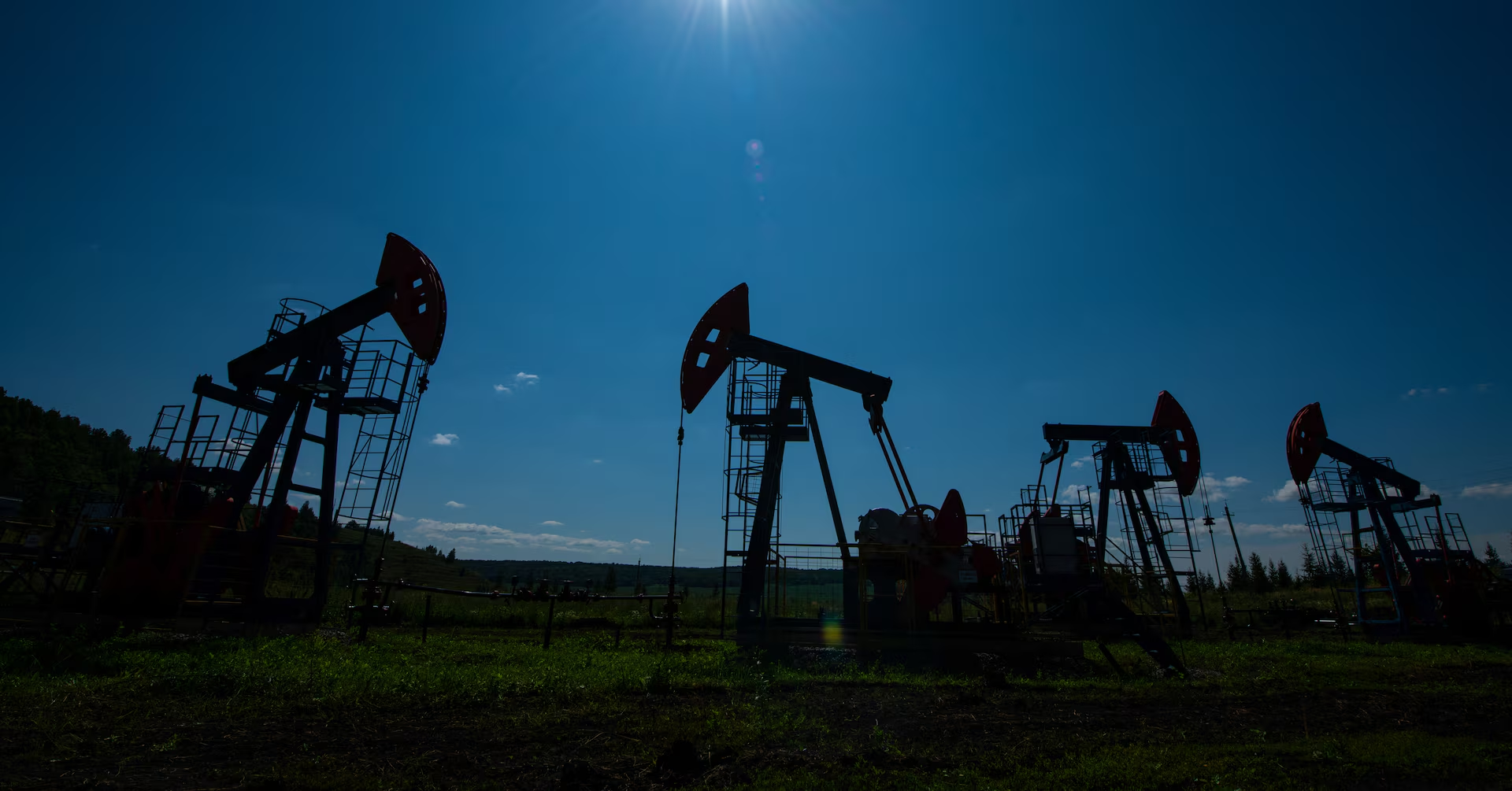
Following US sanctions on Russian oil companies, Chinese refiners like Sinopec and PetroChina are reducing their purchases of Russian crude, affecting about 45% of China's Russian oil imports, as other countries also begin to shun Russian oil due to Western sanctions.
Chinese oil refiners are increasingly shunning Russian oil shipments, especially the ESPO grade, due to US and allied sanctions targeting Russian producers and customers, leading to a significant drop in Russian oil imports by China and impacting global supply dynamics.
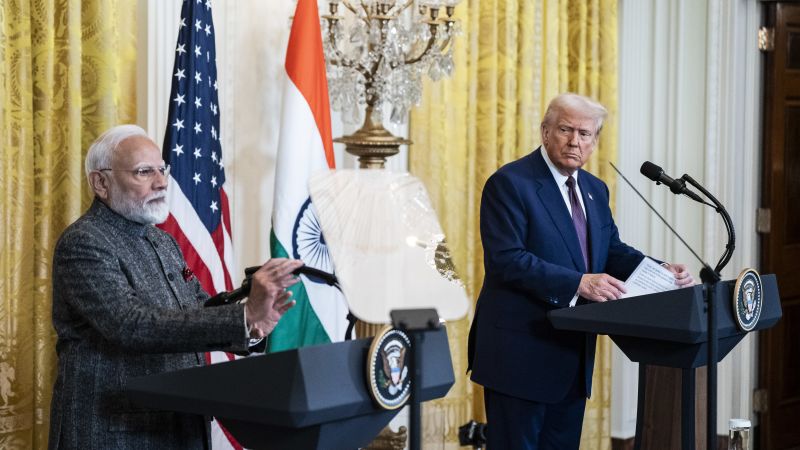
India has denied US President Trump's claim that it agreed to stop buying Russian oil, highlighting ongoing tensions and the country's reliance on Russian energy, despite US sanctions and diplomatic pressures.
The US has imposed sanctions on an Iranian oil terminal in Shandong, China, which handles a significant portion of Sinopec's crude imports, complicating China's oil trade and prompting potential rerouting of shipments to alternative ports.
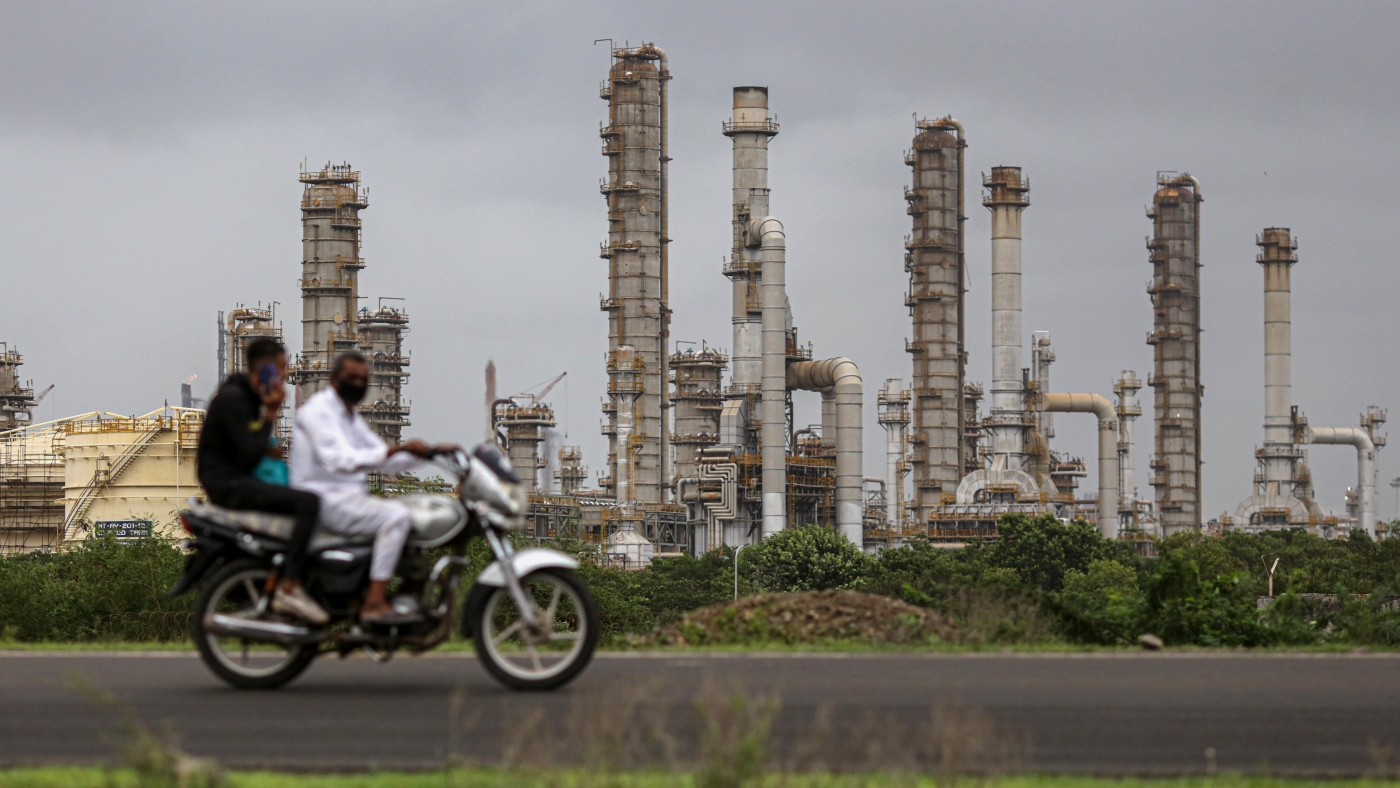
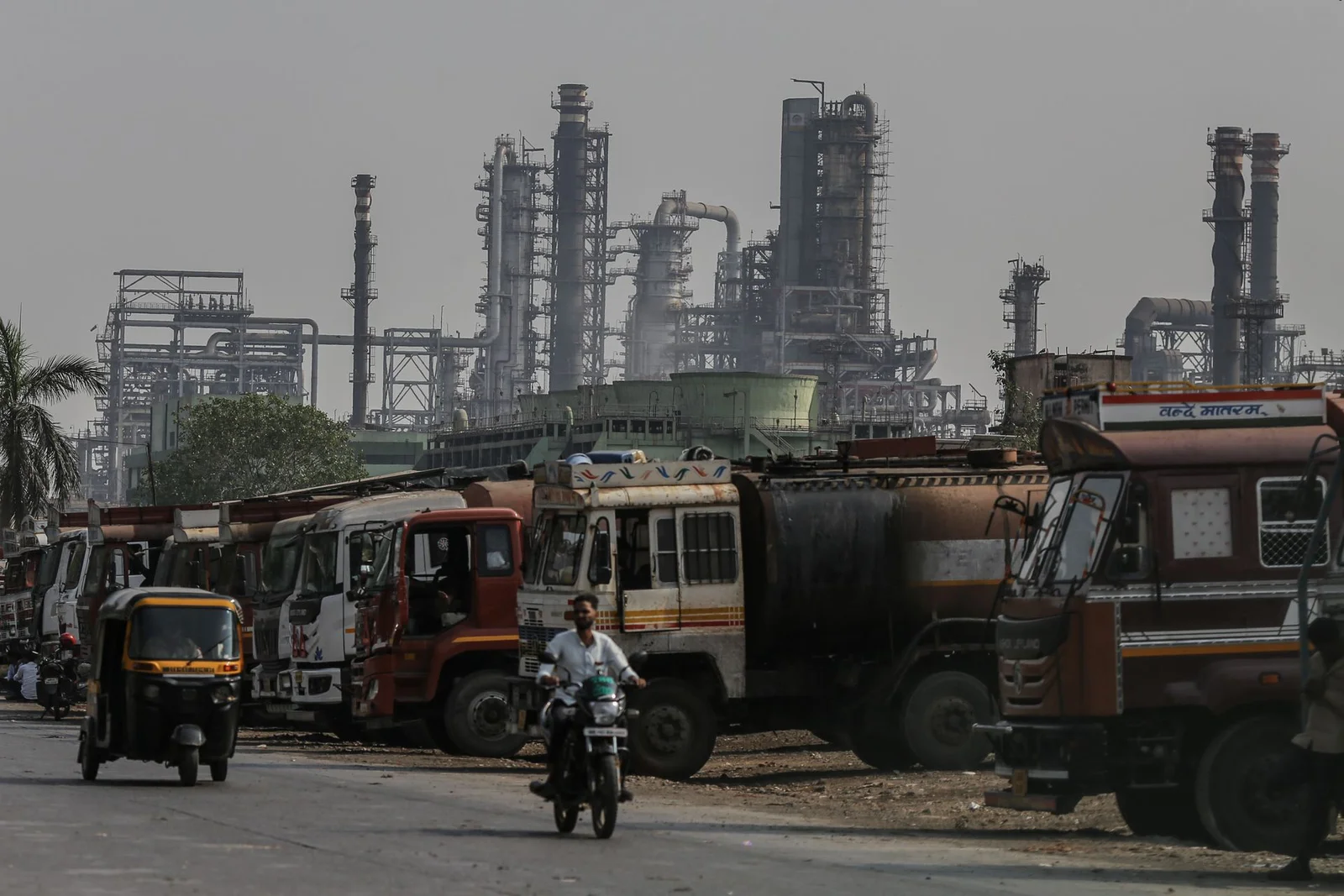
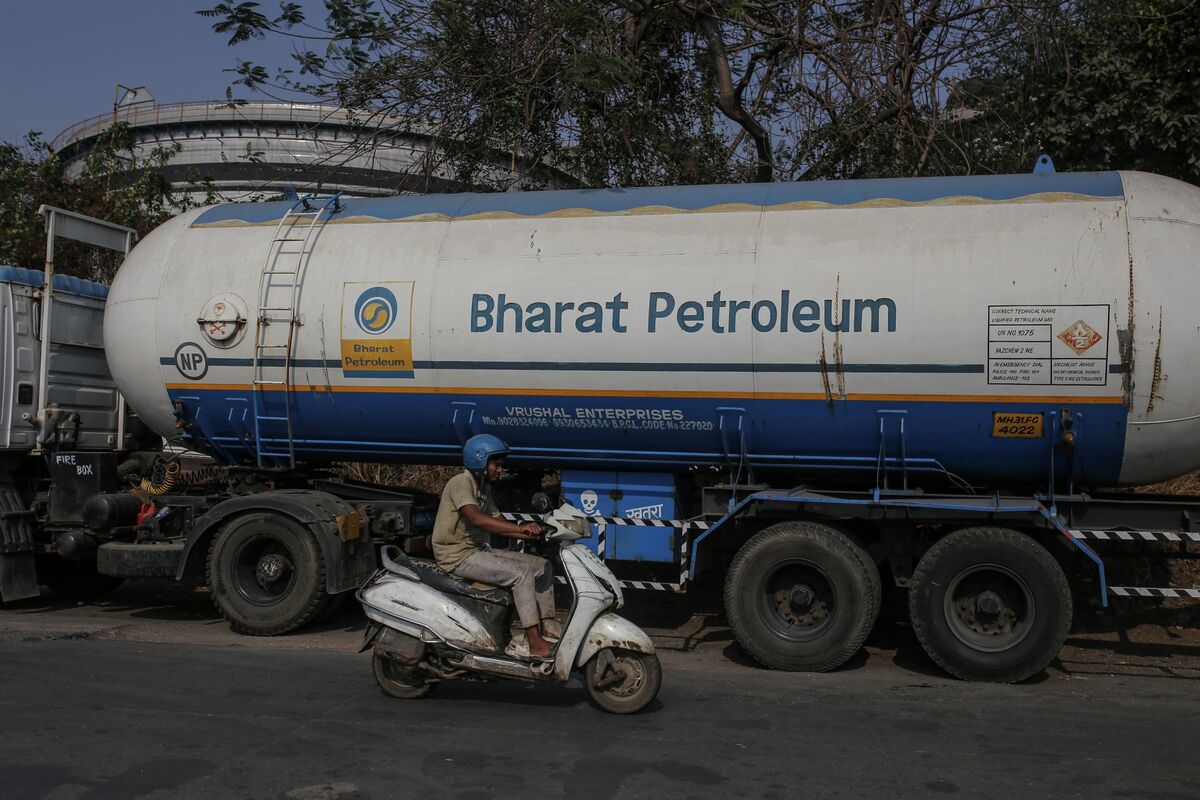
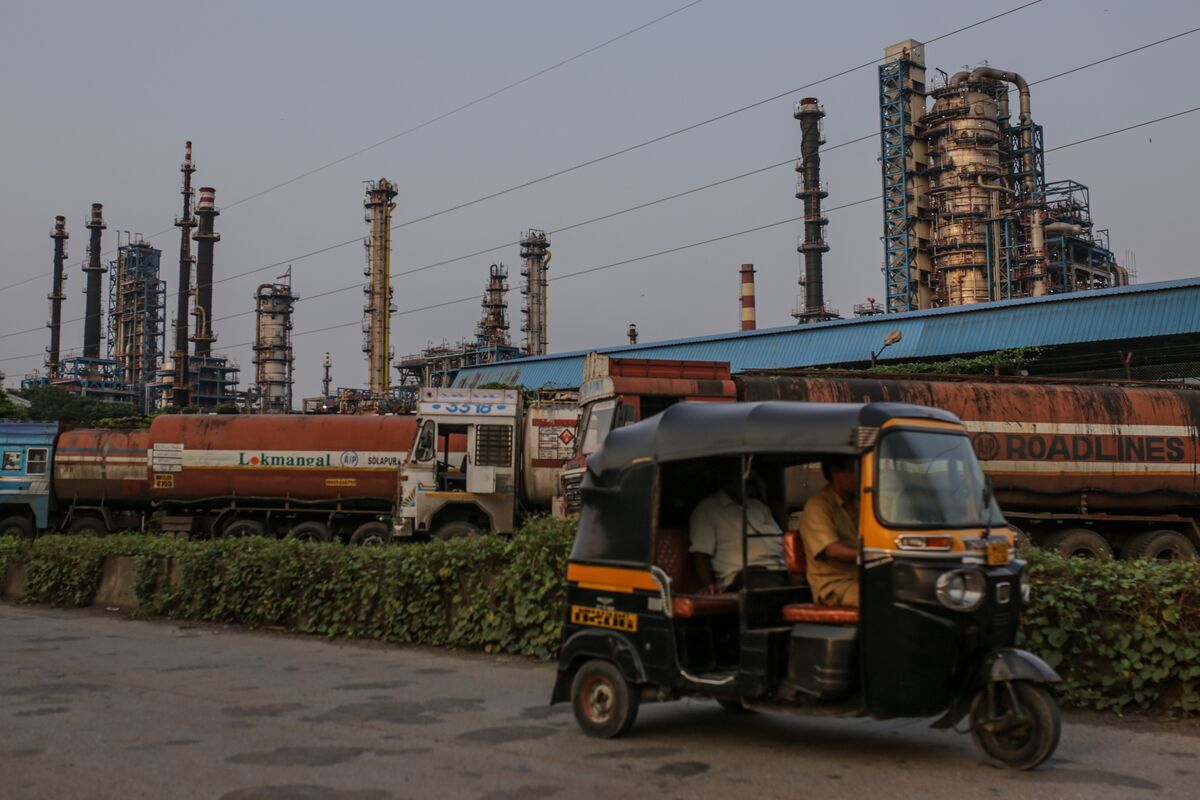
The US is a major importer of Indian oil products, many of which are made from Russian crude, despite US sanctions and tariffs aimed at Russia. India sources nearly half of its crude from Russia, and US imports of Indian oil products totaled around $1.4 billion in early 2023. US tariffs on Indian goods have doubled to 50%, partly as a response to India's purchase of Russian oil, which complicates US-India relations amid broader geopolitical tensions.
India is set to increase its Russian oil imports by 10-20% in September despite US tariffs aimed at discouraging such trade, as India continues to benefit from discounted Russian crude amidst ongoing geopolitical tensions and sanctions. The move highlights India's strategic economic and diplomatic balancing act, maintaining significant oil supplies from Russia while facing US criticism and tariffs.
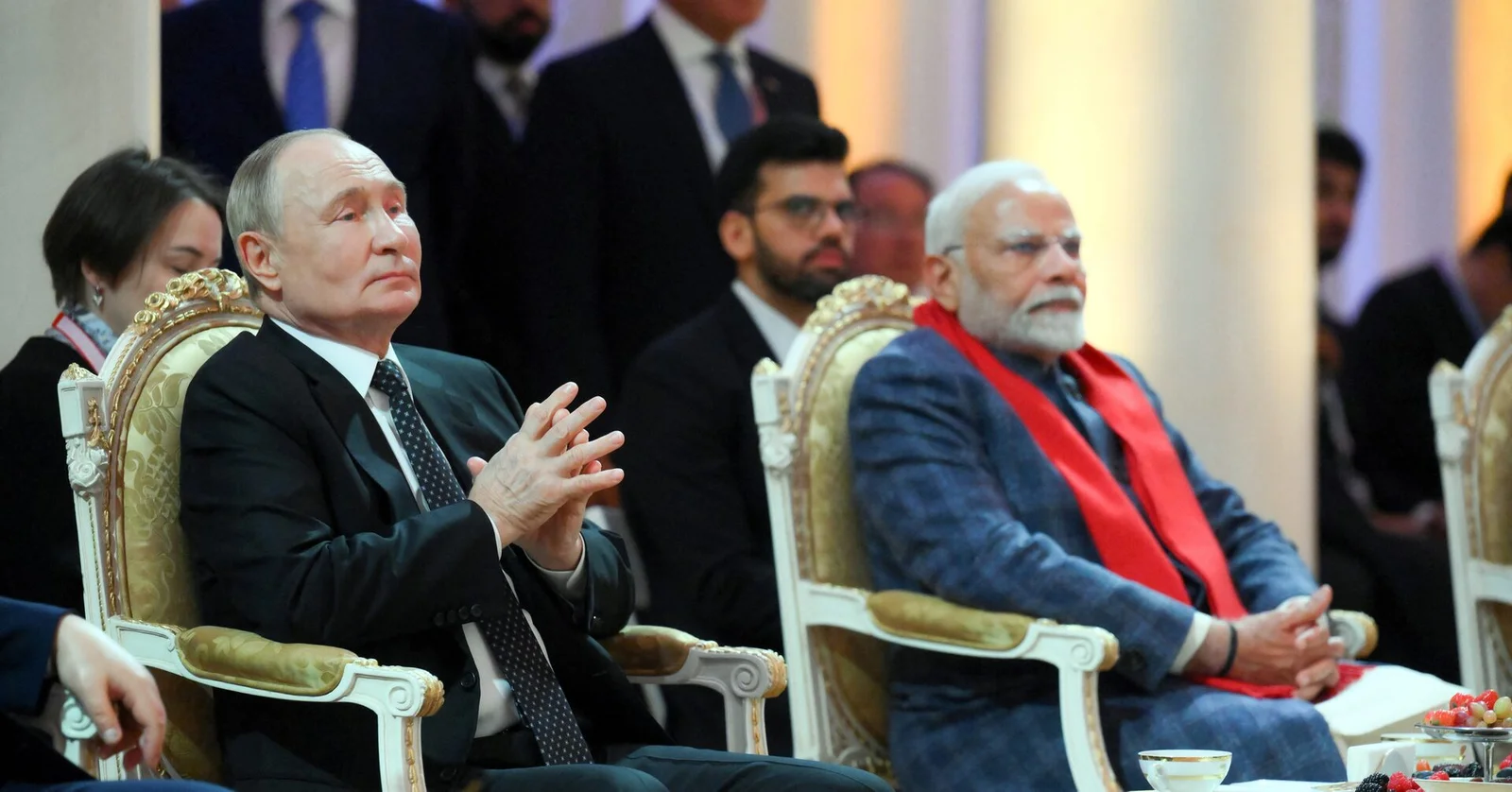
Russia plans to continue supplying oil to India despite US warnings and tariffs, emphasizing the profitability and special mechanisms for Indian buyers. Russia also seeks to expand LNG exports and nuclear cooperation with India, while fostering trilateral talks with China to strengthen a greater Eurasian partnership, with high-level meetings expected later this year.
India is reducing its Russian oil imports and shifting to suppliers like the US, Brazil, and Middle Eastern countries ahead of a high-level Alaska meeting between Trump and Putin, amid U.S. sanctions and tariffs on India for buying Russian energy.
India's state-owned oil refiners are temporarily halting Russian crude purchases due to increased US pressure and tariffs, with plans to await government guidance, potentially shifting to Middle Eastern and other sources to meet demand, amid geopolitical tensions and market adjustments.
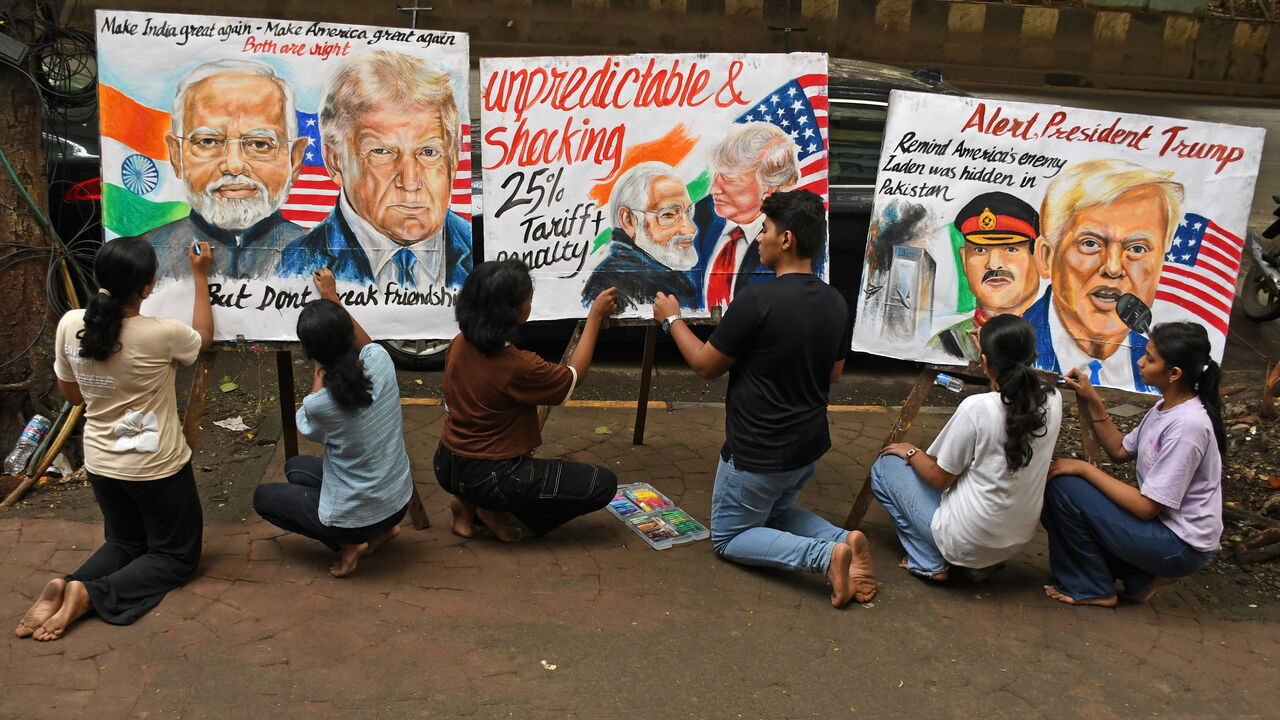
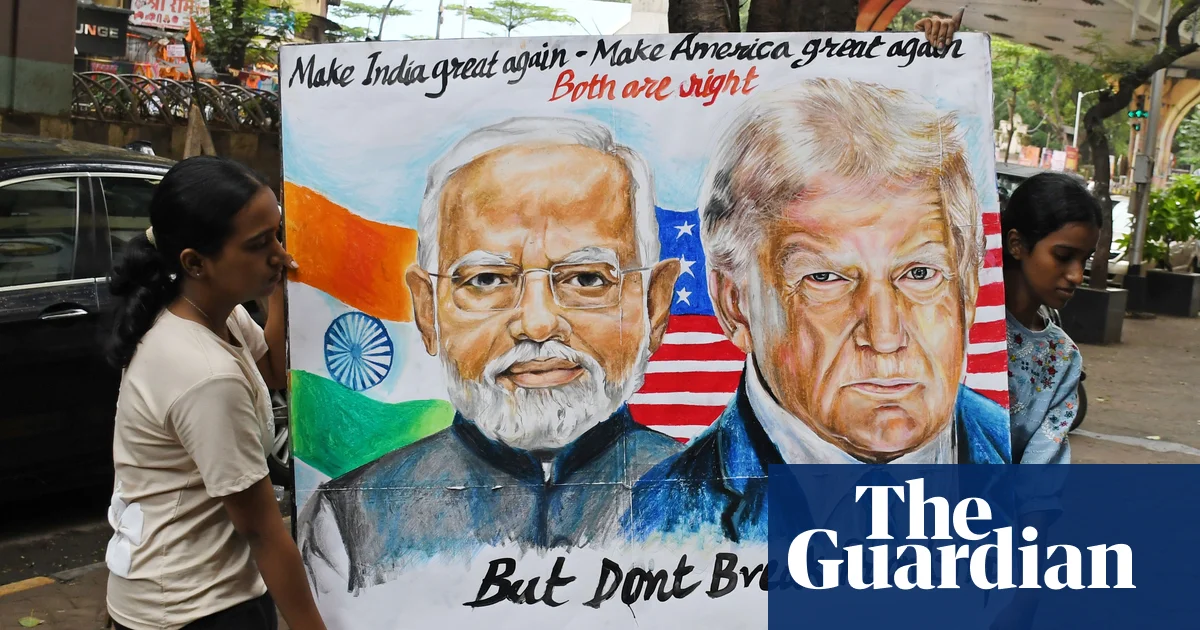
Donald Trump criticized India on social media for its oil purchases from Russia, threatening higher tariffs amid strained relations with Prime Minister Narendra Modi, as Russia's role in India's oil supply has increased significantly since the Ukraine conflict.
India has not received official instructions to cease buying Russian oil, despite US pressure and threats of sanctions, and continues to purchase Russian crude based on market decisions, with scenario planning underway in case of a halt.
Indian officials confirmed that India will continue purchasing oil from Russia despite threats of US sanctions and recent media reports suggesting a halt, citing economic and logistical reasons, and emphasizing the importance of Russian oil for India's energy needs amidst global price pressures.
India plans to continue purchasing Russian oil despite US threats of penalties, citing long-term contracts and independent decision-making, with no official policy change reported by Indian authorities, even as some refiners reduce imports due to shrinking discounts and EU sanctions on Russian-backed companies.
Indian officials have stated that India will continue purchasing Russian oil despite threats of penalties from President Trump, who urged India to cut off Russian crude imports amid ongoing geopolitical tensions. India has significantly increased its Russian oil imports since the Ukraine conflict began, viewing it as a strategic move to stabilize global oil prices and maintain a steady partnership with Russia, despite external pressures.
India is exploring alternatives to Russian oil amid looming sanctions and tariffs, as Western countries impose new sanctions on Russia's energy sector to reduce dependence and weaken Moscow's economy, which is heavily reliant on oil exports to India and other countries.