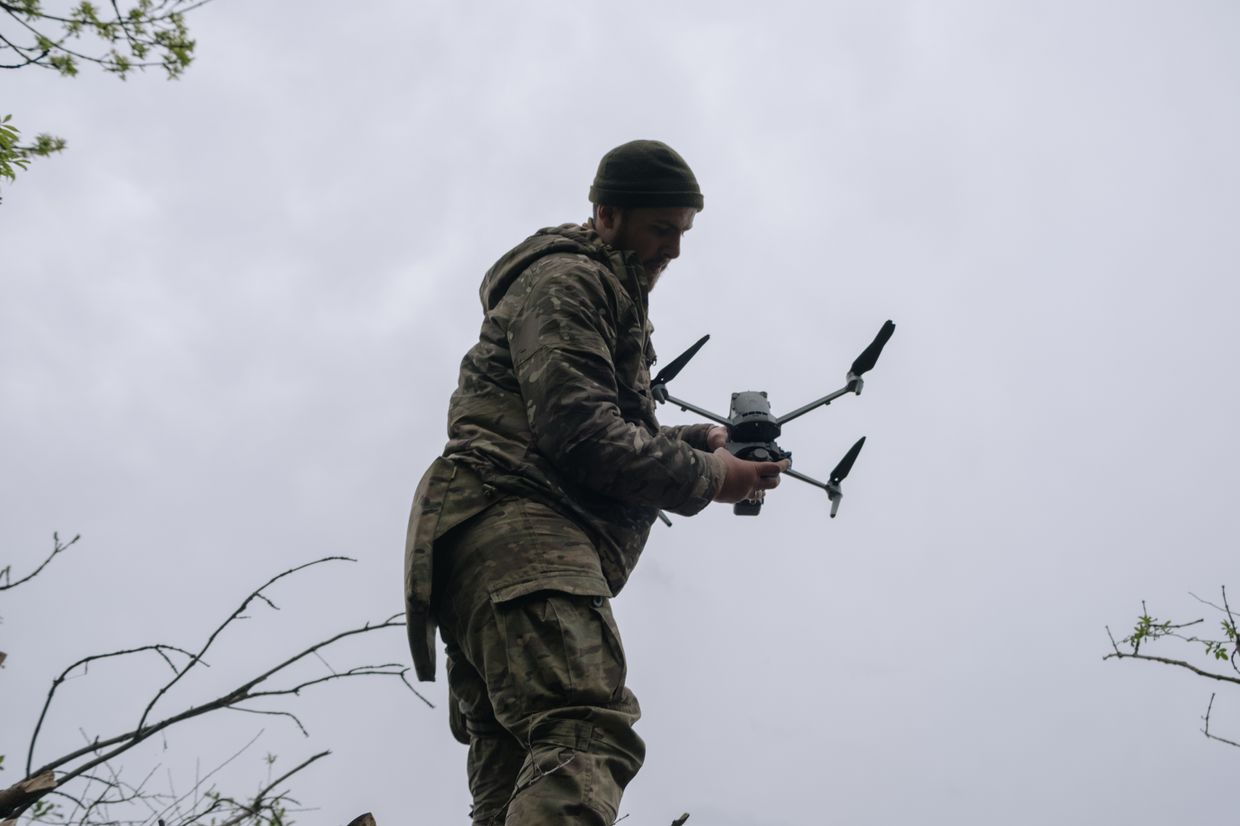
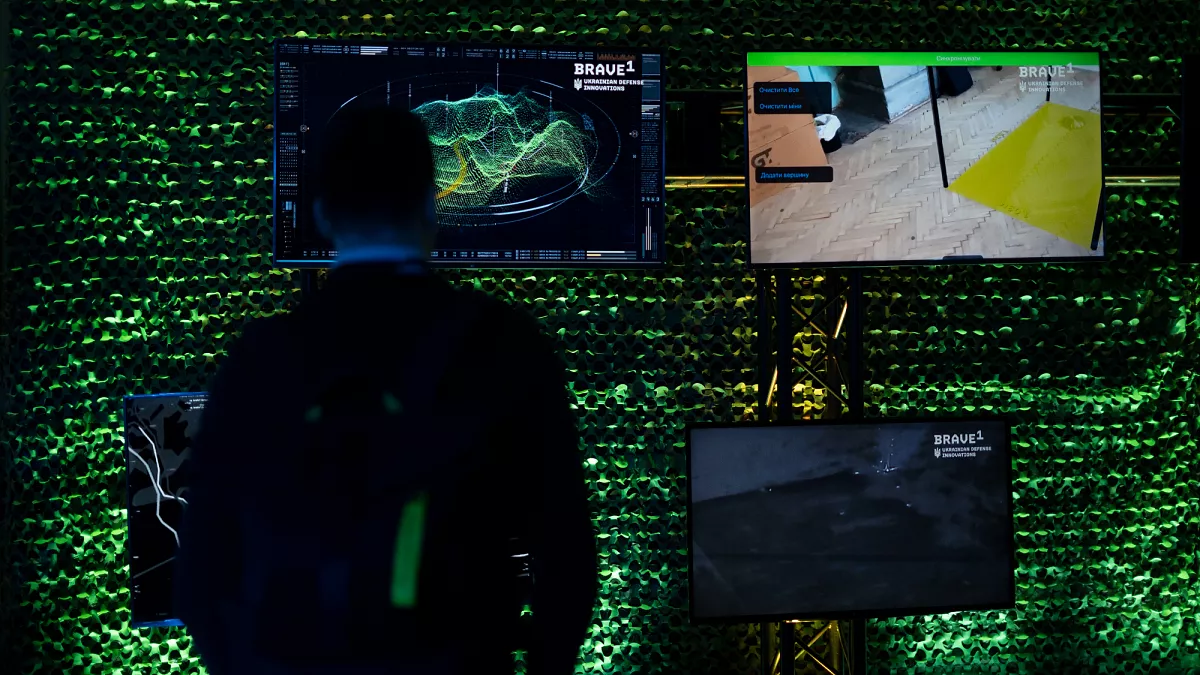
Ukraine's Brave1 defense innovation cluster has launched 'Test in Ukraine,' a program inviting foreign defense companies to test military technologies on the battlefield, aiming to develop and improve solutions like drones, missiles, and electronic warfare through real combat feedback.
Ukraine has launched a new program allowing foreign defense companies to test weapons and military technology on its battlefield, aiming to enhance battlefield performance and foster cooperation with Ukrainian manufacturers, amid broader EU efforts to integrate Ukraine into the European defense ecosystem.
Business lobbyists are opposing a Republican tax measure that would impose a 'revenge tax' on foreign companies enforcing global minimum tax rules or digital taxes, aiming to raise over $100 billion over ten years, as critics warn it could deter foreign investment in the U.S.
A provision in Trump's tax bill could discourage foreign companies from investing in the U.S. by allowing taxes on foreign-parented firms from countries with 'unfair' foreign taxes, potentially costing the U.S. 360,000 jobs and $55 billion annually in lost GDP over a decade, sparking debate over its economic and diplomatic implications.
Foreign companies exiting Russia since the 2022 invasion of Ukraine have incurred over $107 billion in losses, with the exodus increasing by one third since August 2022. President Putin's renewed mandate may lead to further isolation from the West, with Moscow demanding steep discounts on foreign asset sales. Western nations have frozen around $300 billion of Russia's reserves, and Germany has nationalized Gazprom's Germania plant. The hardline approach inflicts damage on Russia, with a ban on investors from "unfriendly" countries and bureaucratic hurdles for companies trying to leave.
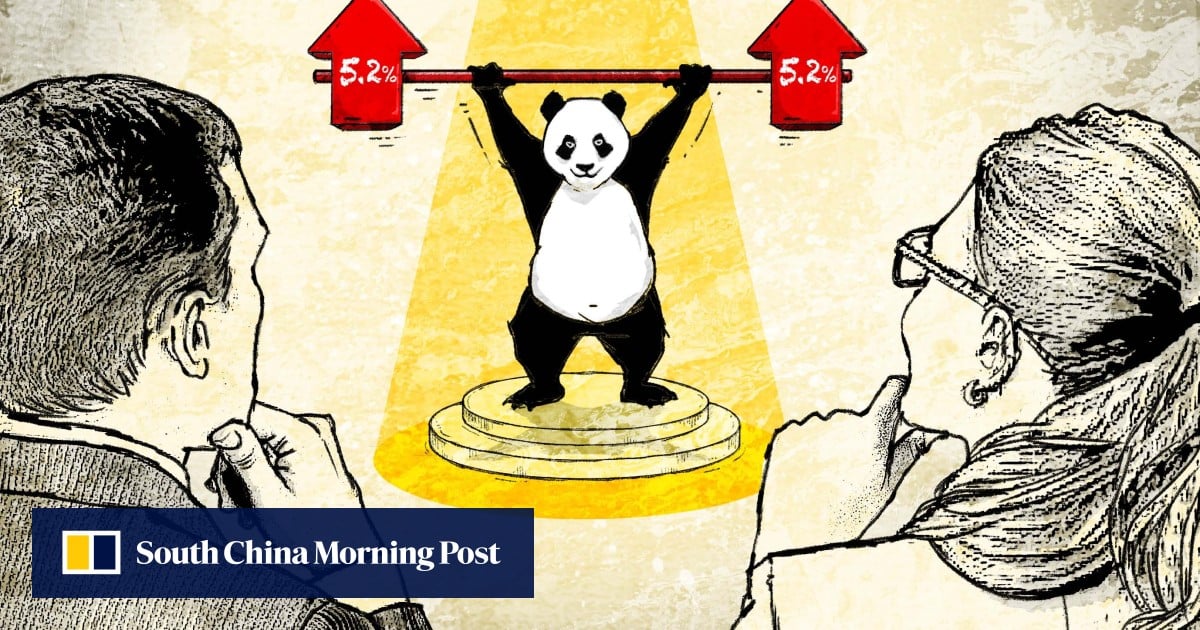
Foreign businesses in China are facing challenges and dwindling confidence amid a discrepancy between Beijing's positive economic outlook and their tepid business performances. Concerns about national security, data flows, and market barriers are fueling doubts about increasing investments in China, prompting some foreign companies to consider diversifying their investments outside of China. Despite China's 5.2% annualized growth, foreign investors remain wary due to uncertainties over jobs and income, while some still see potential in China's large consumer market.
Russian President Vladimir Putin has turned the Western boycott of Russia into a financial windfall for the country's loyal elite and the state itself. By forcing companies to sell at fire-sale prices, limiting sales to Moscow-approved buyers, and sometimes seizing firms outright, Putin has overseen one of the largest transfers of wealth within Russia since the fall of the Soviet Union. Western companies that have announced departures have declared over $103 billion in losses, with Putin squeezing as much of that wealth as possible through dictating the terms of their departure and imposing increasing taxes. The Russian economy has remained relatively resilient, allowing Putin to maintain a sense of normalcy despite the ongoing war. However, the wave of departing companies has stung, sending a global signal that Russia is a business pariah and reinforcing its image as a dangerous place to do business.
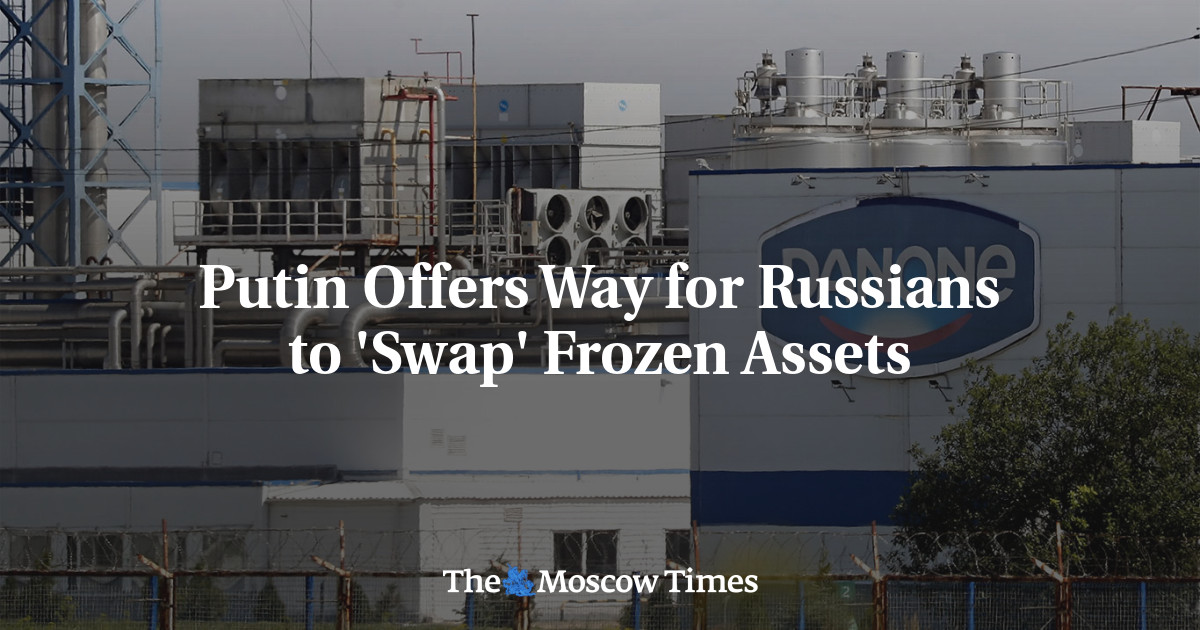
Russian President Vladimir Putin has signed a decree allowing Russian investors to "swap" their frozen assets abroad with the frozen assets of foreign companies in Russia. Western countries imposed sanctions on Russia following its invasion of Ukraine, blocking Russian banks from making international payments and freezing Russian assets abroad. The decree aims to address the issue of over $16 billion worth of foreign investments belonging to Russian citizens being stuck abroad. However, there is uncertainty regarding whether foreign clearing houses will cooperate with the exchange of shares. The Kremlin's actions, including seizing the subsidiaries of foreign companies, have made it difficult for foreign companies to operate in Russia.
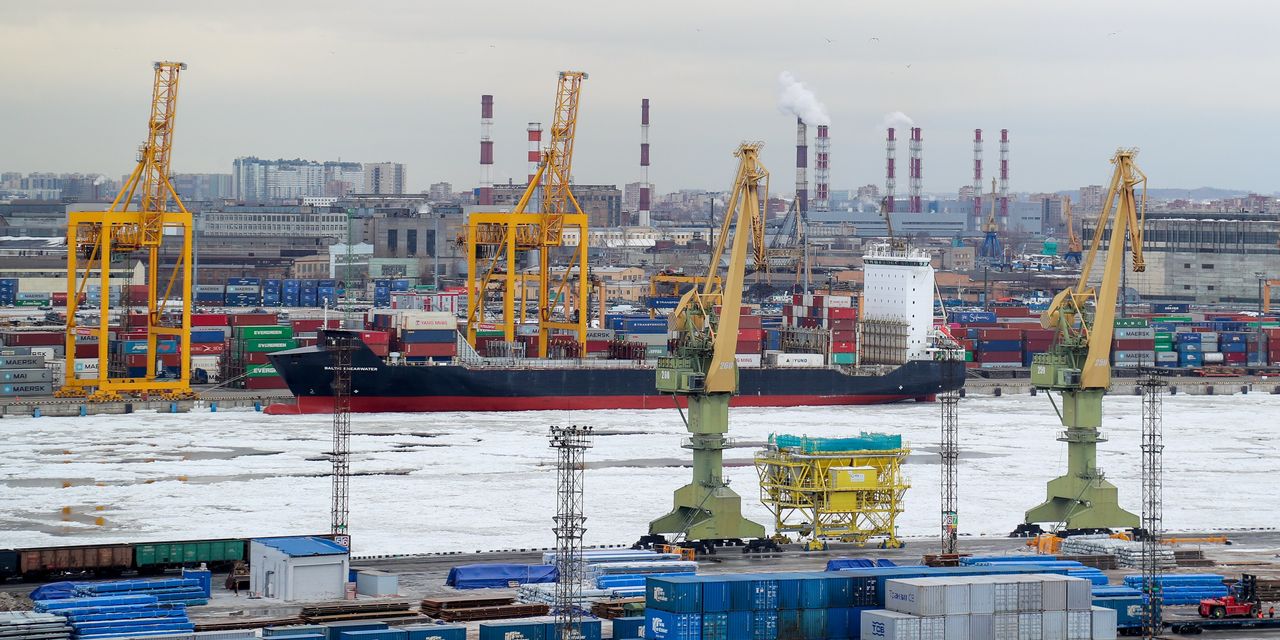
The US has imposed sanctions on over 150 foreign companies and individuals accused of aiding Russia, including by shipping American or other Western technology to Moscow. This move is part of a broader effort by Western countries to cut off the flow of goods that the Kremlin needs to prosecute its war against Ukraine. Despite previous sanctions, Russia has been able to continue importing many products through countries like China, Turkey, Hungary, and the United Arab Emirates.
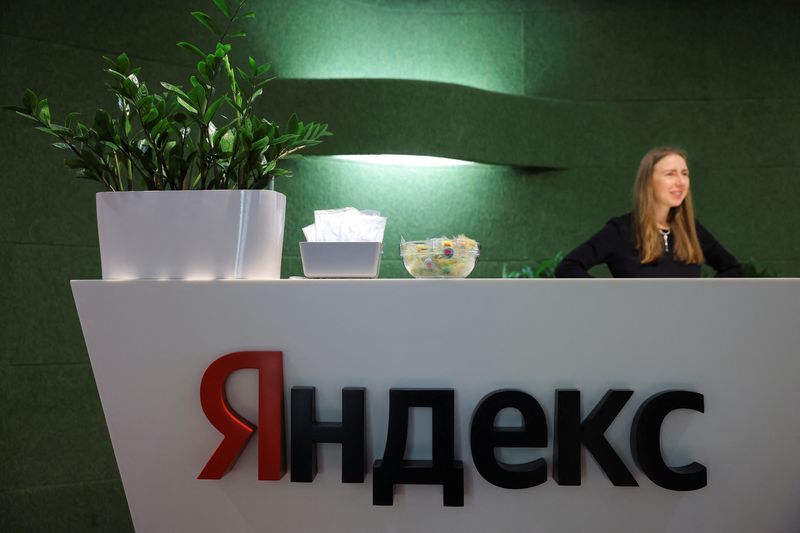
Moscow is demanding larger discounts on the price tags of assets that foreign companies want to sell as they try to exit Russia. This comes as Western companies have already lost over $80 billion from their Russian operations. The Russian government has been tightening exit requirements since Western companies started leaving after Moscow's military operation in Ukraine. Companies currently negotiating exits, such as Veon, Yandex, and Intesa, are facing additional demands for discounts before receiving approval. The government commission that monitors foreign investment has to approve deals involving companies from "unfriendly" countries, and banks and energy companies require President Putin's personal approval to sell. The unpredictable and changing exit process is hindering sales and forcing companies to consider alternatives.
Moscow is demanding larger discounts on the price tags of assets from foreign companies trying to exit Russia, leading to increased costs and difficulties for these companies. Russia has been tightening exit requirements since Western companies started leaving after Moscow's military operation in Ukraine. Some deals are facing demands for additional discounts before the government approves them, and the threat of nationalization looms. Foreign companies have already suffered losses of over $80 billion from their Russian operations. The Russian finance ministry denies forcing final sales prices to be cut but may adjust valuations during the sales process. The corporate exodus is benefiting Russian entrepreneurs and Western companies' rivals and former business partners.
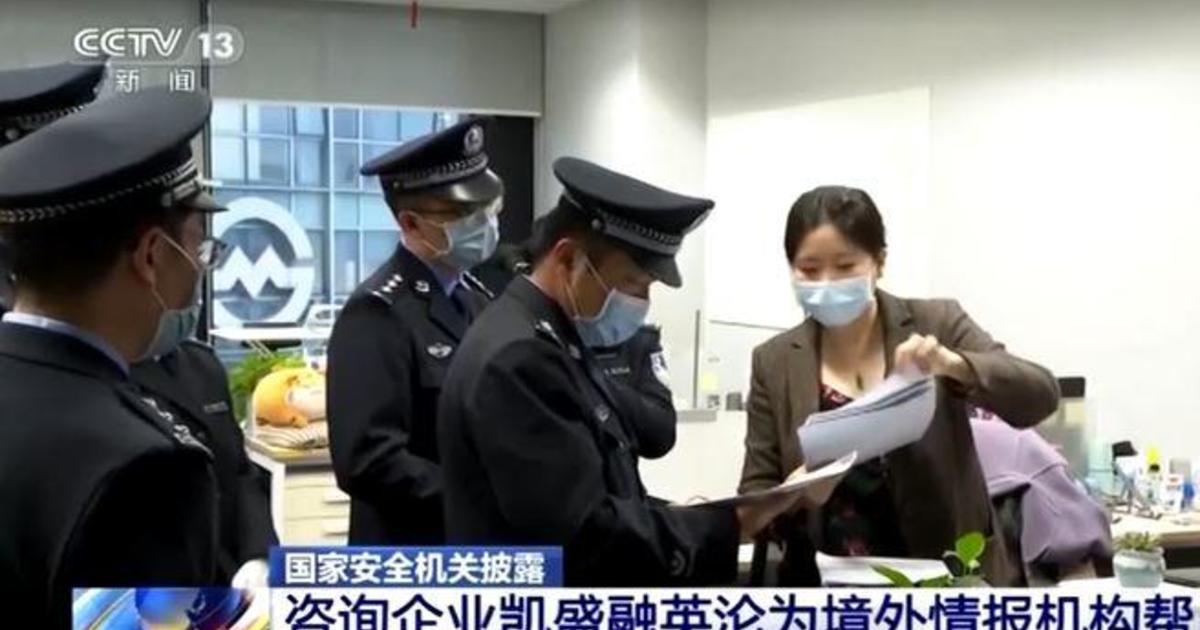
The risks of doing business in China are increasing for foreign companies as Chinese authorities exercise their power under a new security law. The offices of Capvision, a consulting firm with offices in New York and Shanghai, and two American firms have been raided in recent weeks. All three companies did business gathering information on Chinese companies for U.S. investors. The increasing crackdown by Chinese authorities makes it politically very risky for foreign businesses, and investors worry that the new counterespionage law may be used as a political weapon to punish certain firms by redefining legitimate due diligence as spying.
AstraZeneca's China president, Wang Lei, stated at an event celebrating the company's 30th year in China that the drugmaker will seek to be a patriotic company that "loves the Communist Party". While many local companies have publicly pledged allegiance to the ruling Chinese Communist Party, such messaging is still unusual from foreign companies. AstraZeneca has been increasing its bets in China with a $450 million investment to build a factory to make inhalers, and China accounted for 13% of AstraZeneca's total sales last year.
The recent detention of a Japanese executive at Astellas Pharma in China, accused of espionage, has raised concerns among foreign companies. This incident is one of many that have sparked worries about China's new espionage law and its impact on foreign businesses operating in the country.
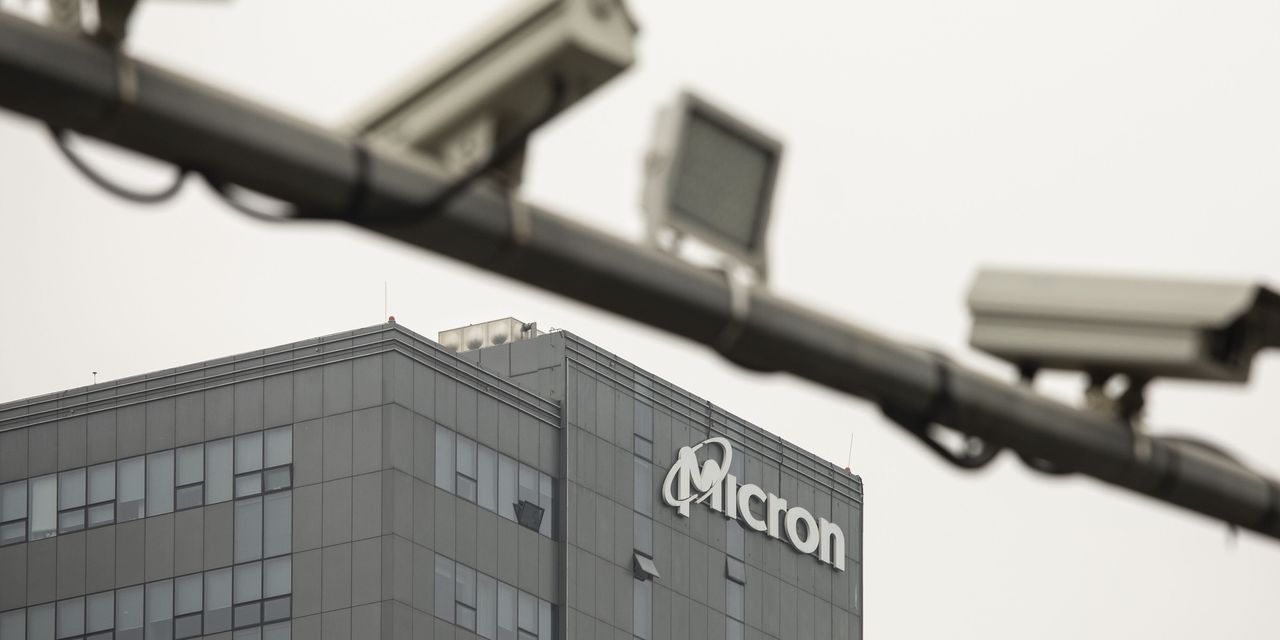
Chinese authorities have been increasing pressure on foreign businesses, including questioning staff at Bain & Co.'s Shanghai office, launching a cybersecurity review of imports from Micron Technology Inc., detaining an employee of Astellas Pharma Inc., and raiding the Beijing office of Mintz Group. This comes just months after Beijing delivered an open-for-business message to global investors.