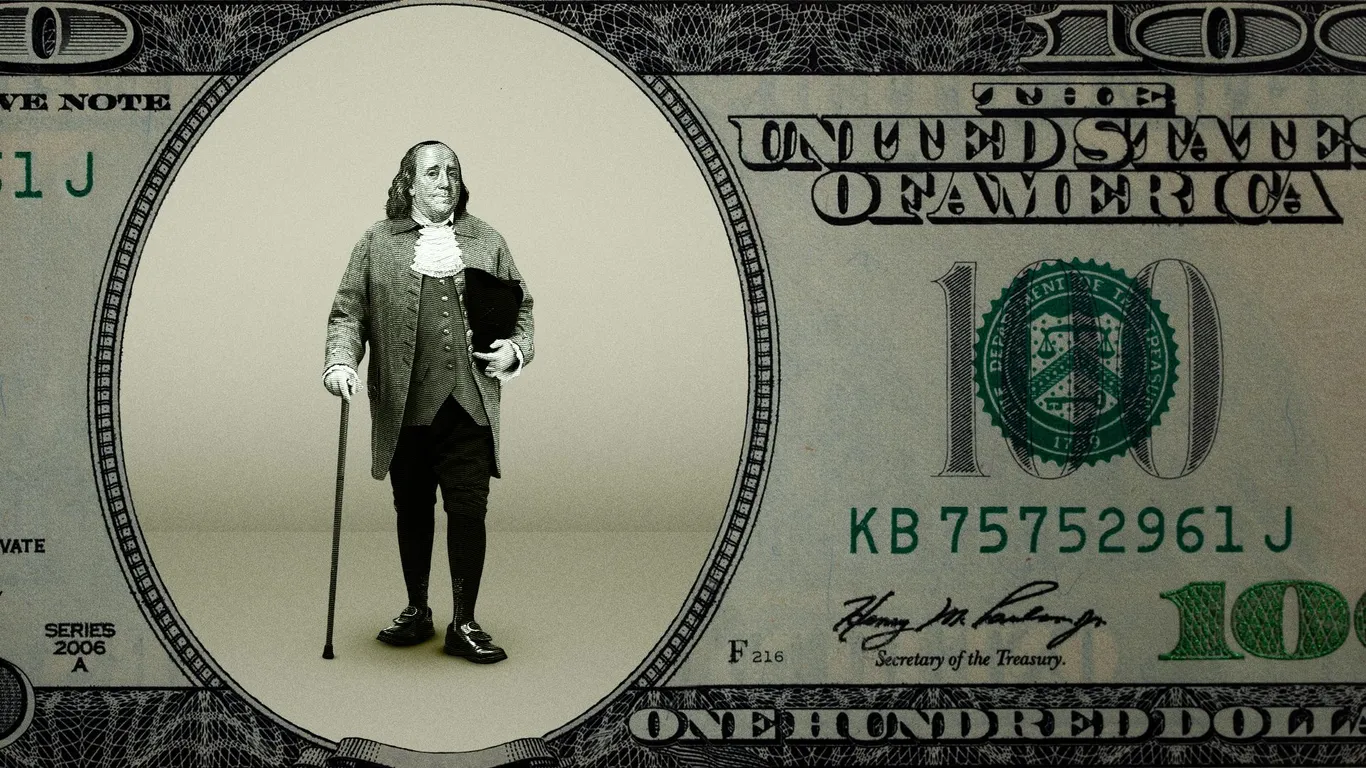
The US dollar started 2026 stronger after its biggest annual decline since 2017, amid anticipation of key economic data and potential Federal Reserve rate cuts, with markets closely watching US fiscal health, global trade tensions, and upcoming Fed leadership decisions.
The US dollar remained steady after the Fed's December meeting minutes, which indicated a cautious approach to rate cuts, contributing to the dollar's year-end decline of nearly 10%. The dollar index slightly rose, while the euro and yen experienced minor changes. Meanwhile, China's yuan broke a 2.5-year high against the dollar, defying central bank guidance amid year-end dollar sales by exporters.
The US dollar declined amid expectations of Federal Reserve rate cuts next year despite strong GDP growth data, with market sentiment influenced by potential dovish policies and Japan's hints at intervention to manage yen weakness.
The US dollar declined to a two-month low after stronger-than-expected jobs growth data, which may influence the Federal Reserve's interest rate decisions. Meanwhile, other major currencies like the euro and sterling gained, supported by regional economic data and central bank expectations. Cryptocurrency markets showed mixed movements, with Bitcoin rising and Ether falling.
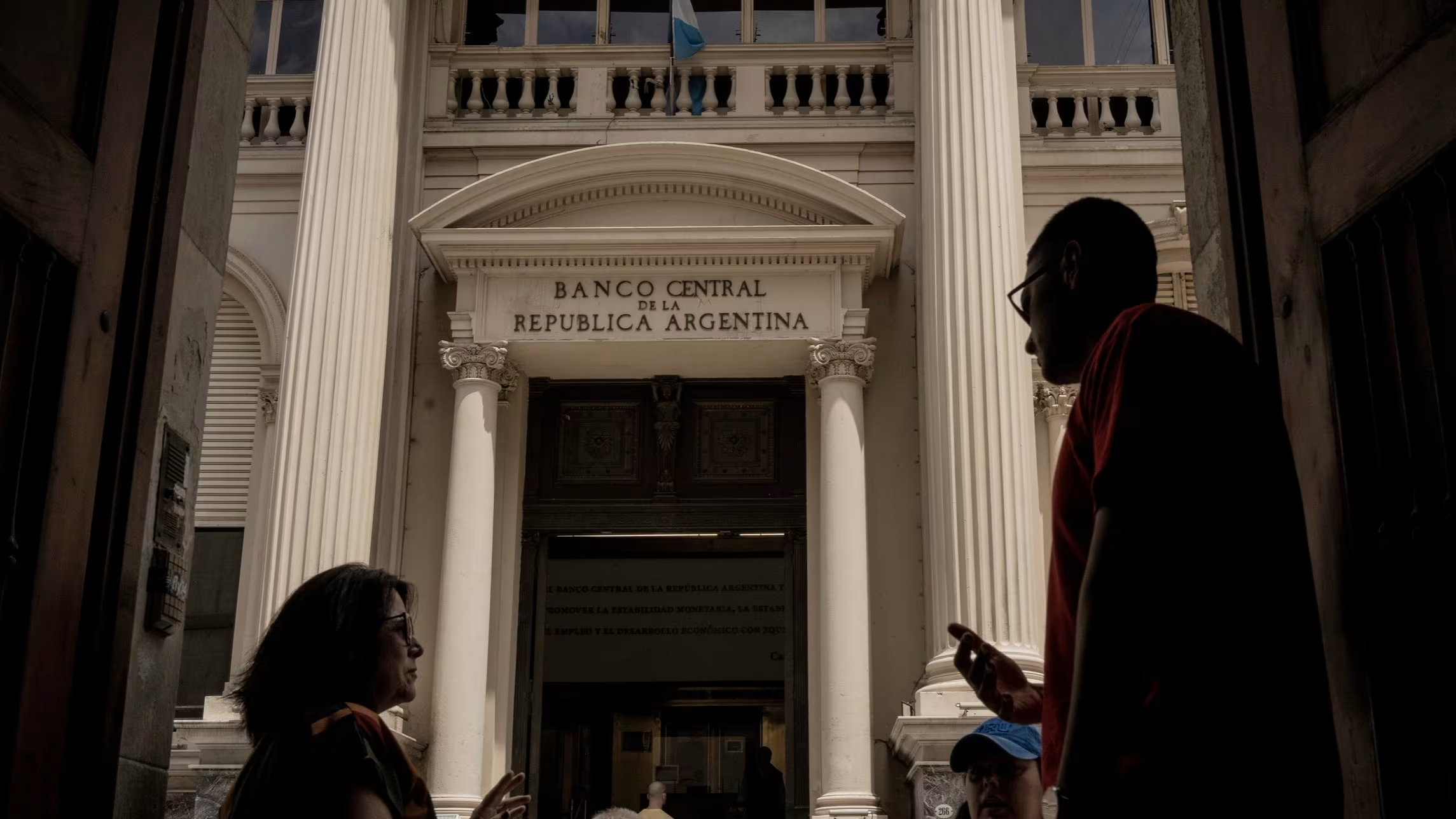
Argentina plans to loosen its currency exchange rate band in January, signaling a shift in its economic policy to potentially stabilize or adjust its currency management.
The US dollar rebounded against the euro and yen amid ongoing government shutdown uncertainty, which has caused market fear and data gaps, including the delayed September jobs report. Traders are anticipating further interest rate cuts by the Federal Reserve, with the dollar index slightly up and cryptocurrencies like Bitcoin gaining. The market remains cautious due to the lack of reliable economic data and political developments in Japan.
The dollar has fallen to a four-year low against the euro amid expectations of a Federal Reserve interest rate cut, with markets also awaiting upcoming rate decisions from the Bank of England and Bank of Japan. The euro strengthened, and the dollar declined across major currencies as investors anticipate dovish monetary policy signals from the Fed, influenced by softening U.S. labor market data and robust retail sales. Other currencies like the British pound and Japanese yen showed mixed movements ahead of their respective central bank meetings.
The US dollar struggled to recover from a four-week low after Federal Reserve Chair Jerome Powell signaled the possibility of a rate cut in September, causing the dollar to tumble over 1% against the euro and other currencies. Traders are now pricing in an 84% chance of a rate cut, influenced by economic data and Powell's dovish tone, amid political pressures and global economic factors.
Asian equities rose modestly after China and the US extended their tariff truce, with markets awaiting key US economic data and Fed decisions, while currencies like the won and yen gained amid geopolitical and economic developments.
The Russian ruble declined sharply following limited progress in recent Russia-Ukraine peace talks, with markets reacting negatively to the symbolic nature of negotiations and ongoing economic pressures from declining export revenues and investor concerns about potential interest rate cuts, leading to a weaker ruble and falling stock indices.
The dollar declined against major currencies as the US prepares to implement tariffs and faces rising debt concerns, with attention on upcoming trade negotiations and the impact of recent tax cuts and trade tensions on the US economy.
The U.S. dollar has experienced its fastest decline since 1973, dropping over 10% in six months due to waning investor confidence amid Trump's tariffs and fiscal issues, leading to higher import costs and potential inflation, while complicating efforts to boost exports.
Wall Street veterans observe a decline in appetite for the US dollar, with the dollar index dropping over 10% this year, signaling a potential shift away from the dollar as the world's primary reserve currency due to political, economic, and policy uncertainties, and a move by investors to hedge their exposure and seek alternatives.
The Russian ruble fell sharply following the EU's announcement of new sanctions targeting Russian banks and energy exports, including measures to disconnect banks from SWIFT and lower the oil price cap, which could significantly impact Russia's oil revenues and lead to further currency weakness amid declining oil prices and seasonal factors.
The US dollar declined against major currencies as traders shifted focus from strong employment data to cautious optimism ahead of crucial US-China trade negotiations in London, amid concerns over China's economic challenges and global trade tensions.