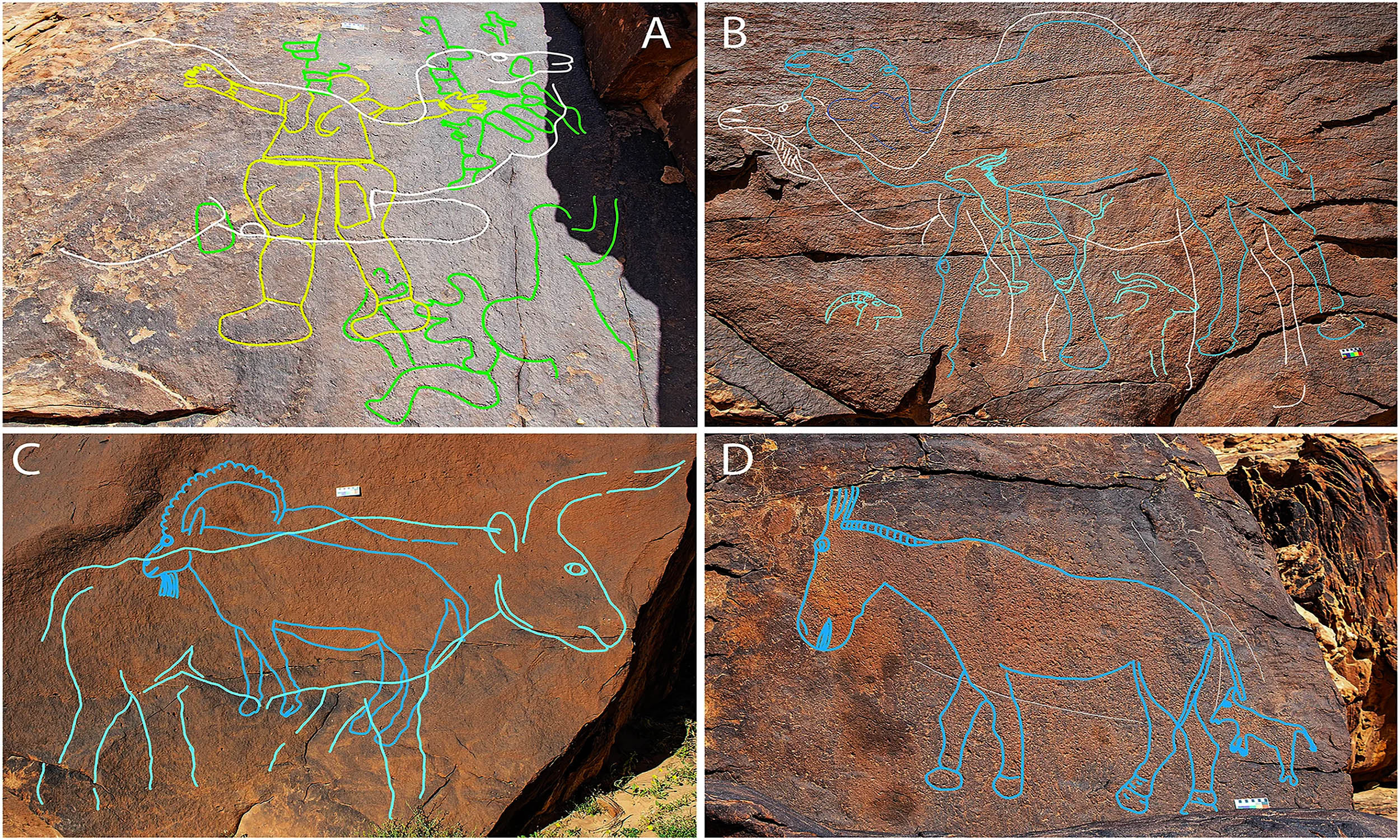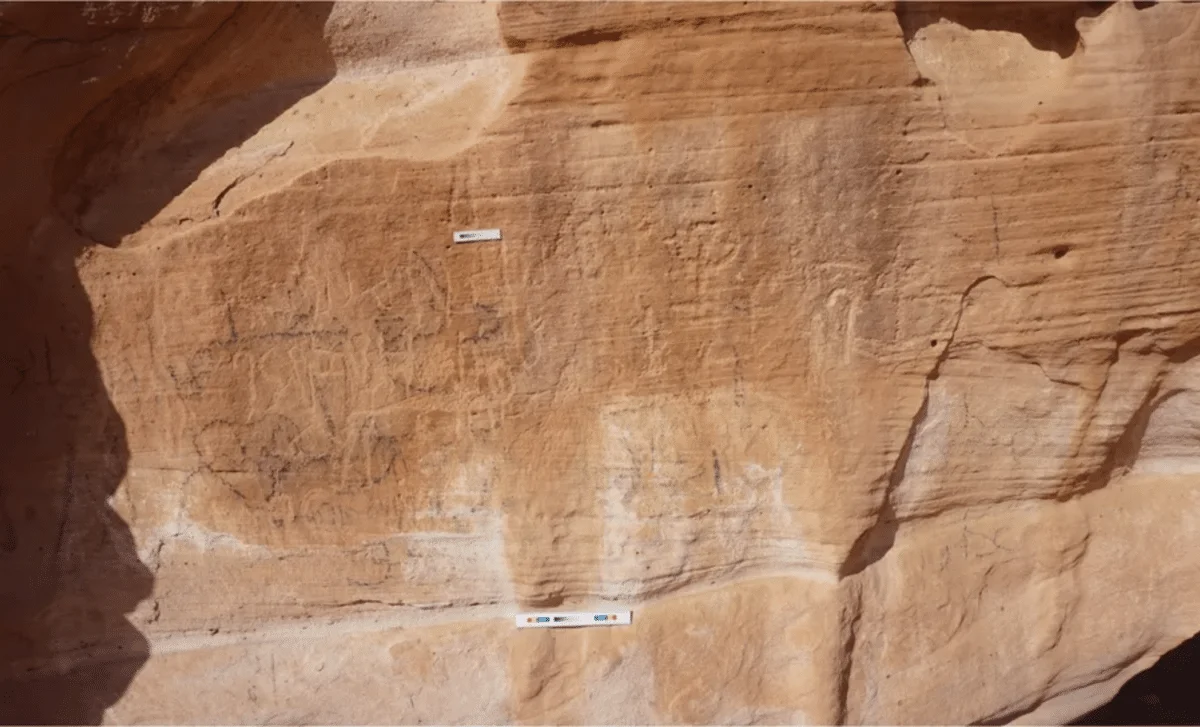
Ancient rock engravings in northern Arabia, dating back around 12,000 years, served as maps and markers for water sources and travel routes during a period of climate transition, highlighting early human adaptation and cultural identity in a challenging environment.
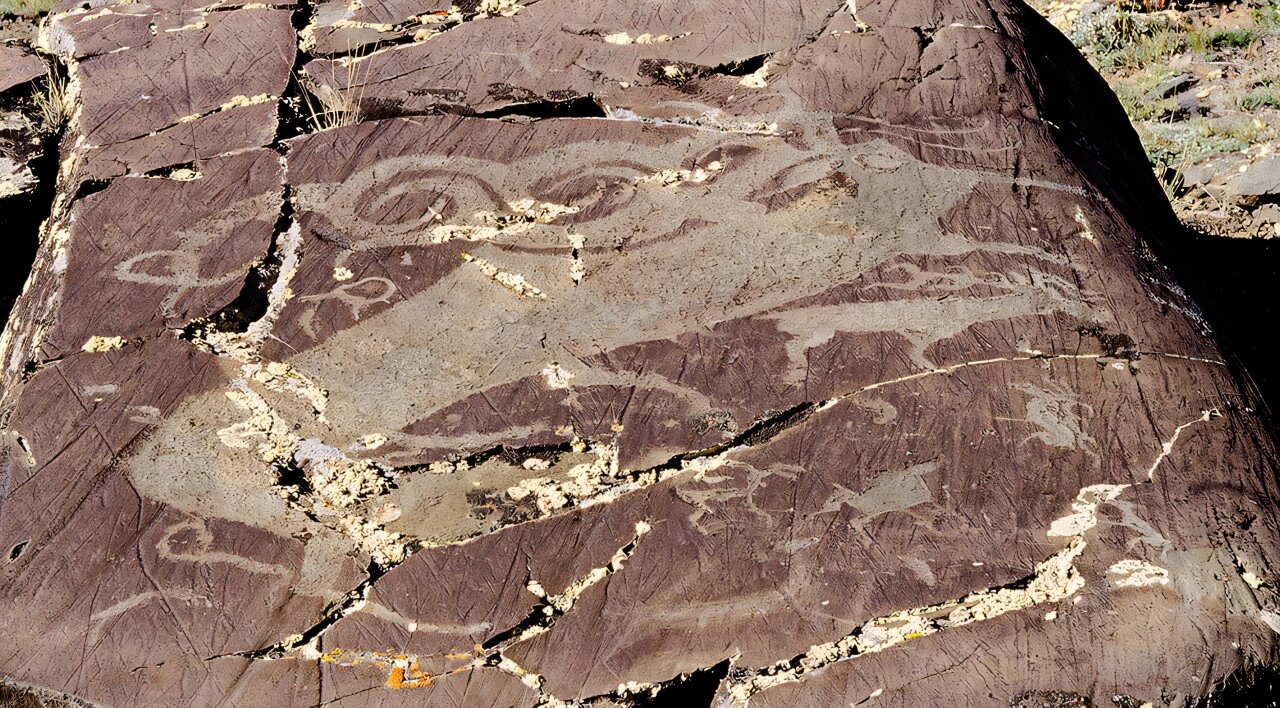
A study by Dr. Esther Jacobson-Tepfer reveals that ancient elk rock art in the Mongolian Altai evolved from realistic depictions to highly stylized, wolf-like images, influenced by environmental changes and shifting socio-political structures over time.
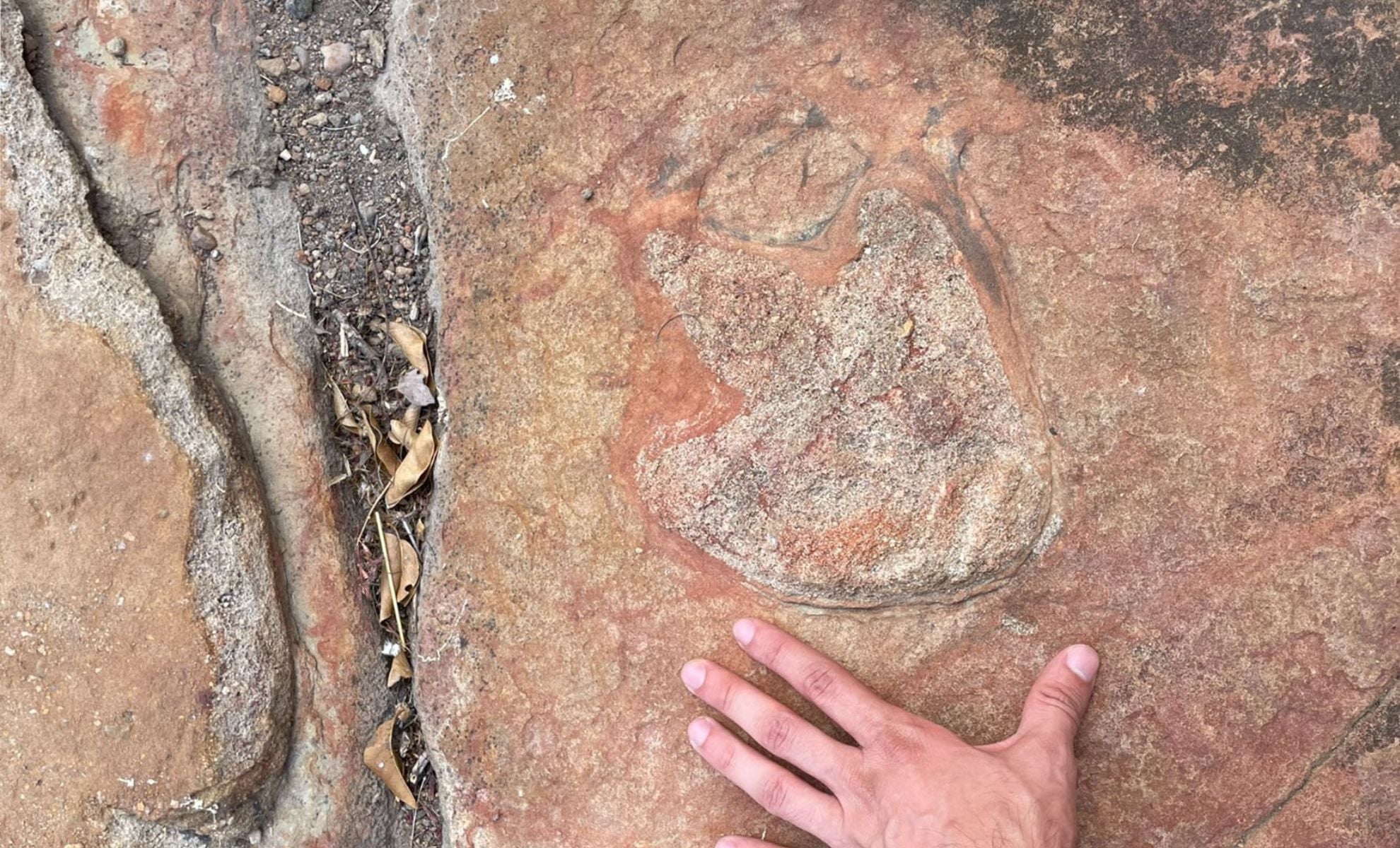
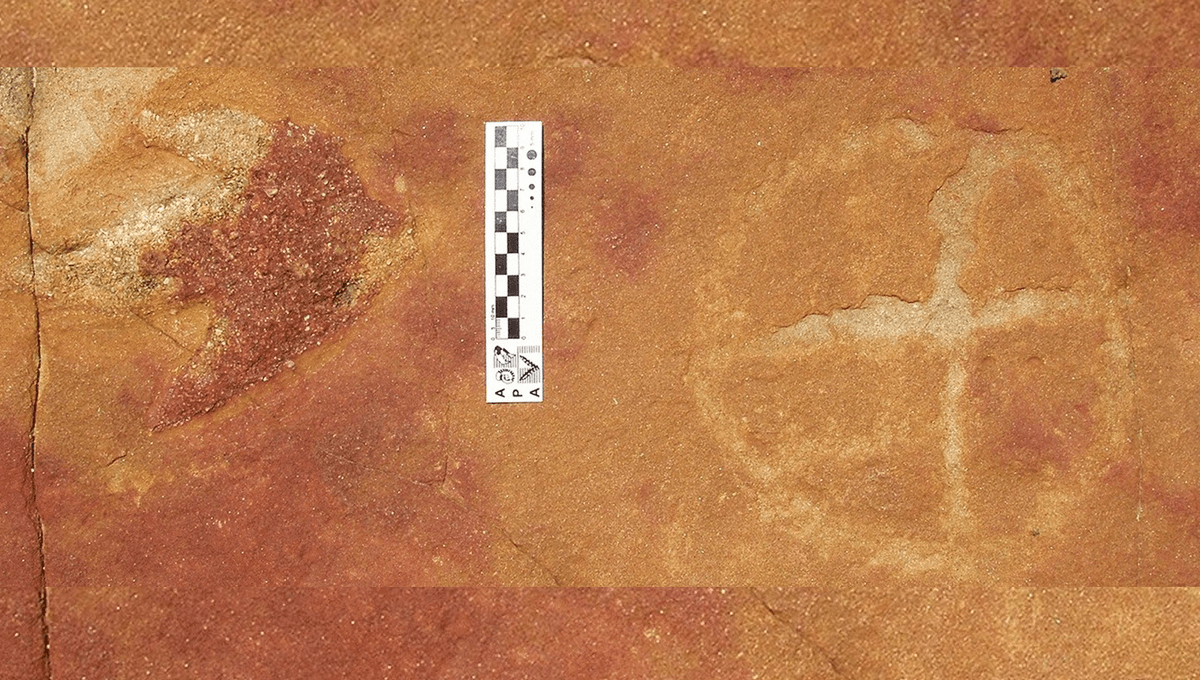
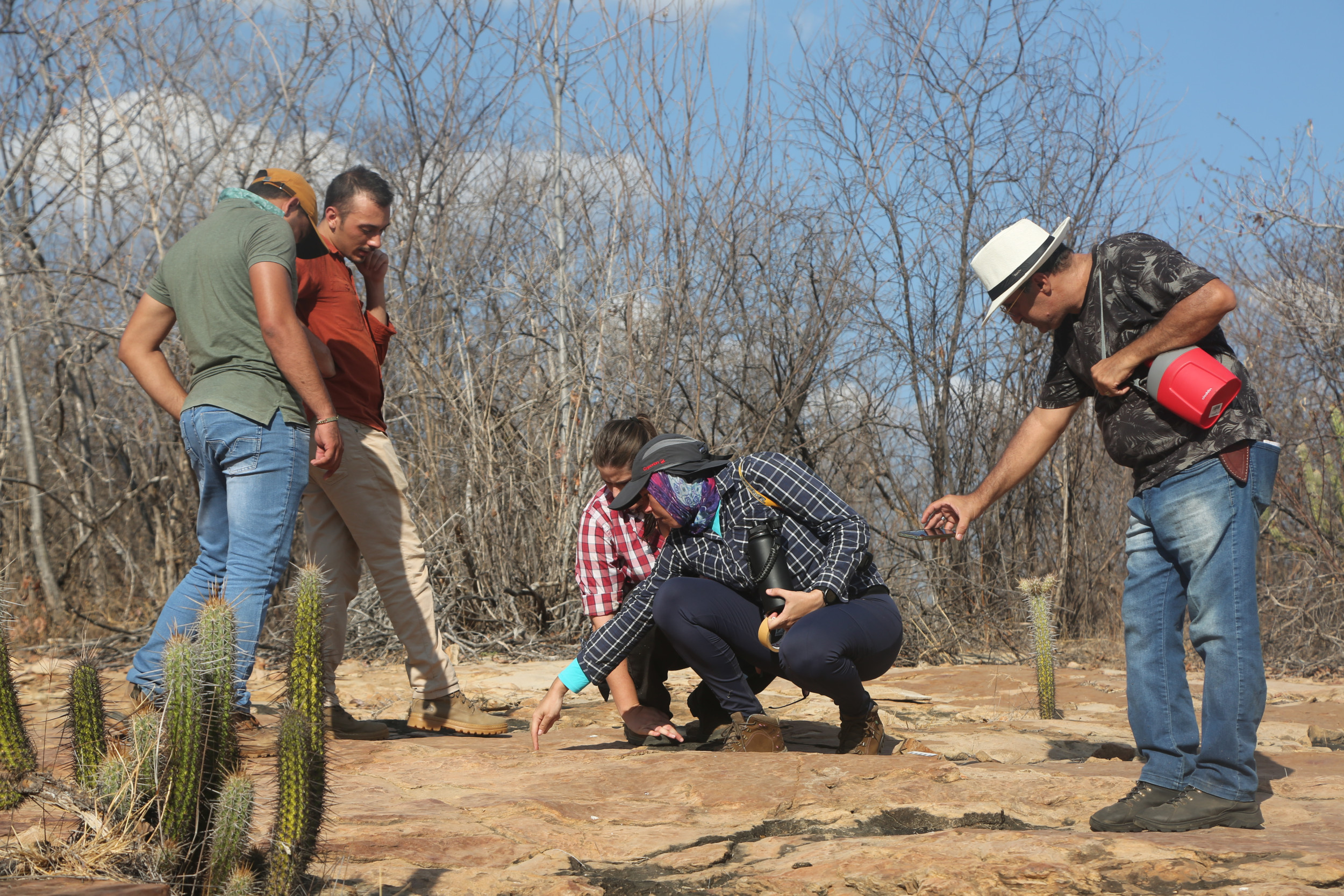
Researchers in Brazil discovered 9,000-year-old petroglyphs near Cretaceous dinosaur footprints, suggesting ancient humans deliberately interacted with or revered these fossils, highlighting a deep cultural connection to prehistoric life.
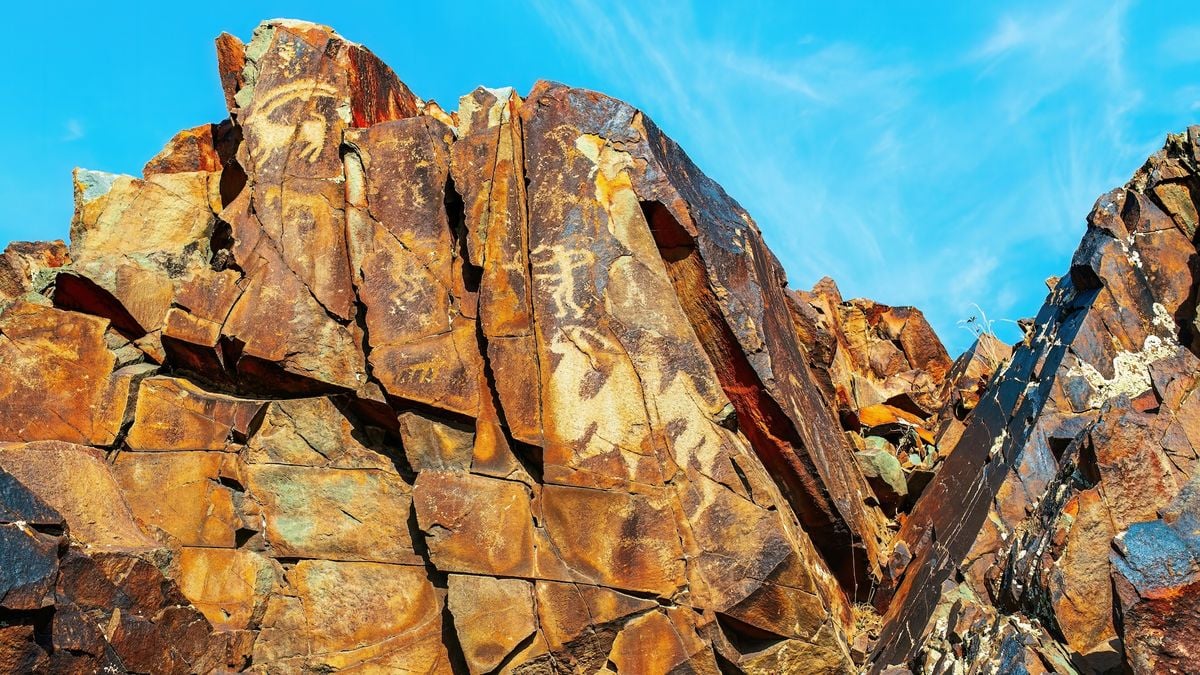
Volunteers in Kazakhstan discovered around 100 ancient petroglyphs depicting animals like wild sheep and double-humped camels, dating back approximately 3,500 years. Although the site was previously known to specialists, it was kept secret to protect it until further examination. The petroglyphs, found in the Zhambyl region, have not yet been detailed in peer-reviewed journals, and more funding is needed for proper documentation and analysis.
Petroglyphs found near dinosaur footprints in Brazil suggest that prehistoric indigenous people may have been aware of and interested in the footprints, although it's unclear if they knew about dinosaurs. The carvings, dating back between 9,400 and 2,620 years, display geometric shapes and may have been created during communal gatherings, possibly with the use of psychotropic plants. The unprecedented clarity of the association between the petroglyphs and dinosaur prints at this site could have significant implications across paleontology, archaeology, and cultural heritage studies.
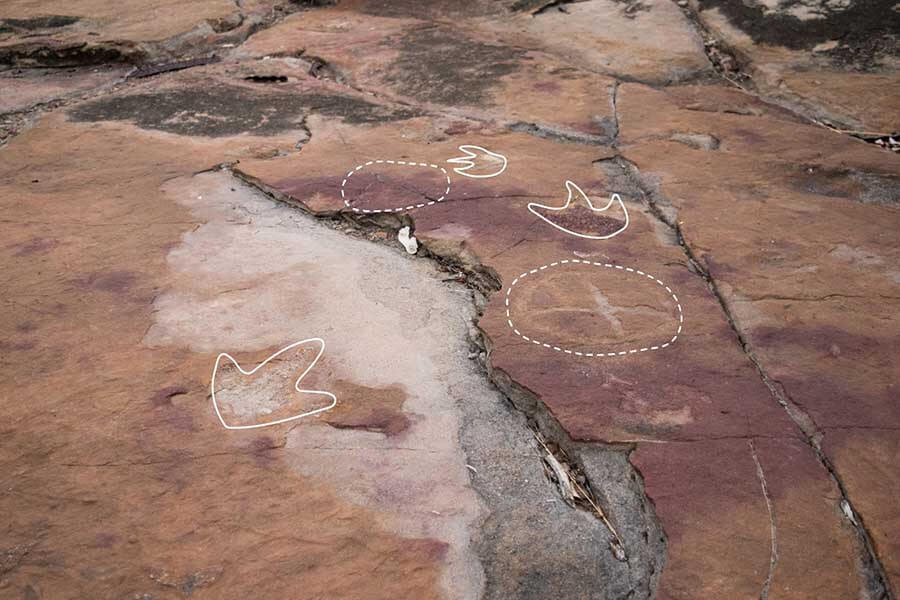
Hunter-gatherers in Brazil created rock art next to fossilized dinosaur footprints dating back 9,400 years, as described in a study published in Scientific Reports. The petroglyphs, found at the Serrote do Letreiro site, were purposefully placed near the dinosaur tracks, with some appearing to illustrate the prints. The site, located near the Valley of the Dinosaurs, contains footprints from various dinosaur types, and the rock art is attributed to small seminomadic groups of hunter-gatherers who lived in the region between 9,400 and 2,620 years ago.
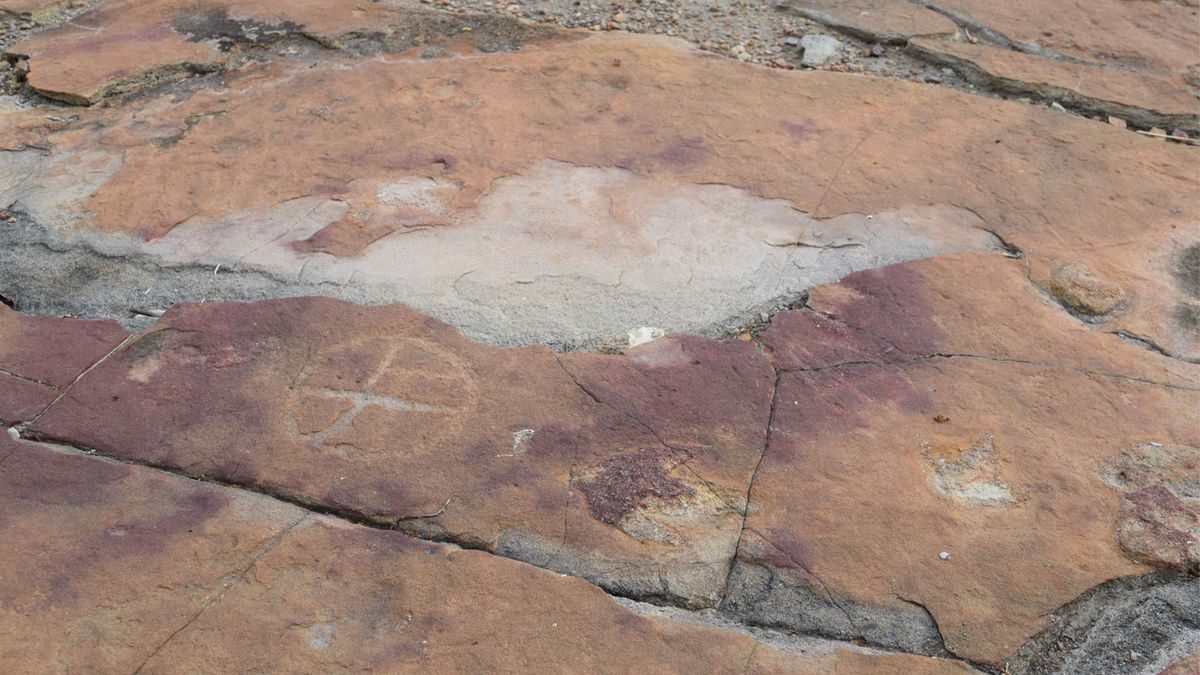
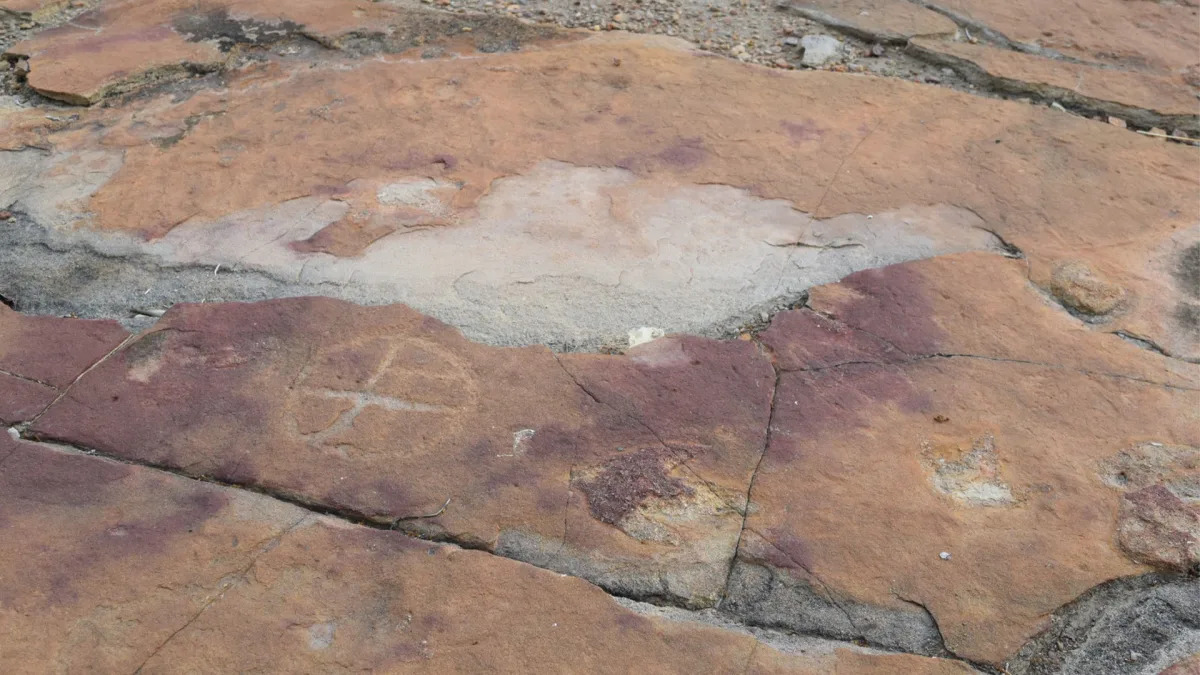
In Brazil, researchers have discovered 9,000-year-old rock art created by hunter-gatherers near fossilized dinosaur footprints dating back to the Cretaceous period. The petroglyphs, found at the Serrote do Letreiro site, are believed to have been intentionally placed next to the dinosaur tracks, with some appearing to illustrate the prints. The art, attributed to small seminomadic groups of hunter-gatherers, consists of geometric carvings made using perforation and scraping techniques. This discovery sheds light on the ancient humans' awareness of and interaction with the dinosaur footprints in the region.
In northeast Brazil, a site called Serrote do Letreiro has revealed a rare combination of dinosaur footprints and ancient rock carvings, or petroglyphs, from the Early Cretaceous period. This unique discovery represents the first instance of such close proximity between petroglyphs and dinosaur tracks. The petroglyphs, created by pre-colonial humans, display a symbolic connection with the fossil record, suggesting an intentional incorporation of the dinosaur footprints into their cultural expression. The site's remarkable juxtaposition of paleontology and archaeology highlights the active engagement of pre-colonial Brazilians with the fossil record, emphasizing the need for conservation measures to protect this invaluable cultural heritage.
Researchers have discovered a unique site in northeastern Brazil, the Serrote do Letreiro Site, featuring prehistoric rock art and dinosaur footprints dating back about 140 million years. The site, characterized by an "outstanding juxtaposition" of paleontological and archaeological elements, includes footprints of various dinosaurs and petroglyphs. The study reveals a close relationship between the two, suggesting a link between the footprints and petroglyphs, possibly embedded in a ritualistic context. The findings challenge traditional views and demonstrate the cultural relevance of fossils, indicating that these fossils can now be recognized as Brazilian cultural heritage.
Archaeologists in Brazil have discovered petroglyphs alongside fossilized dinosaur footprints in the northeastern state of Paraíba, suggesting a deliberate effort not to disturb the more than 100-million-year-old tracks. The rock art, found at the Serrote do Letreiro Site in Vale dos Dinossauros, features circular, abstract motifs and dates back to between 2,620 and 9,400 years ago. The researchers believe that the creators of the petroglyphs may have mistaken the dinosaur footprints for those of large flightless birds and now-extinct mastodons. This discovery establishes a unique symbolic connection between human graphic expression and the fossil record, unlike any other instances found in Australia, Poland, and the US.
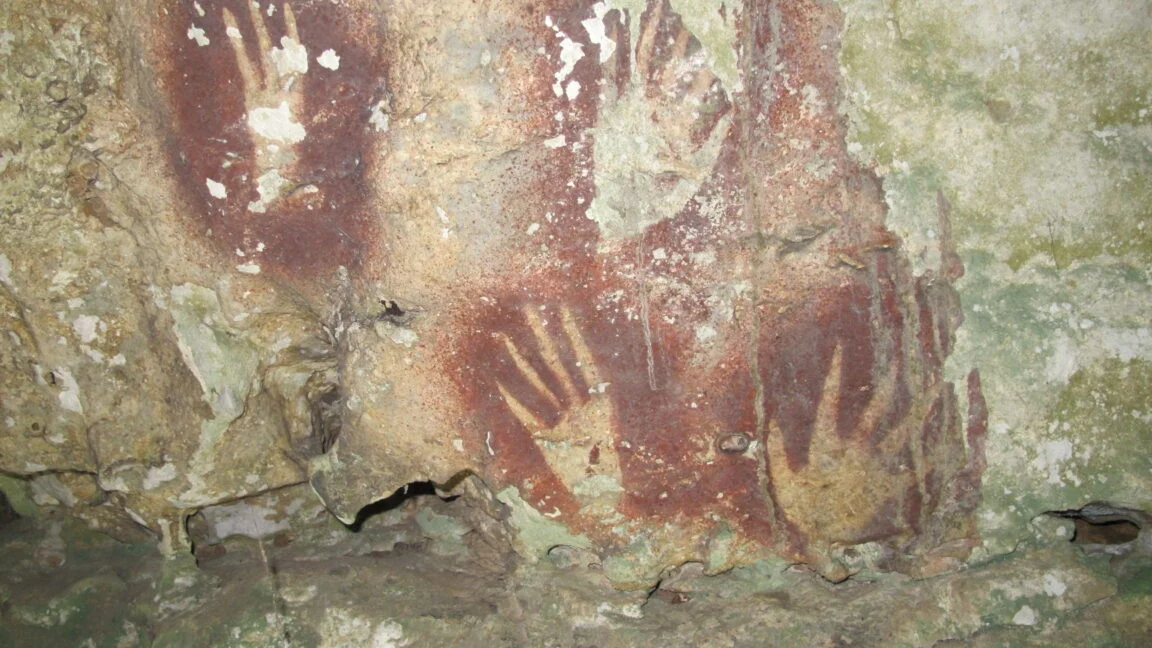
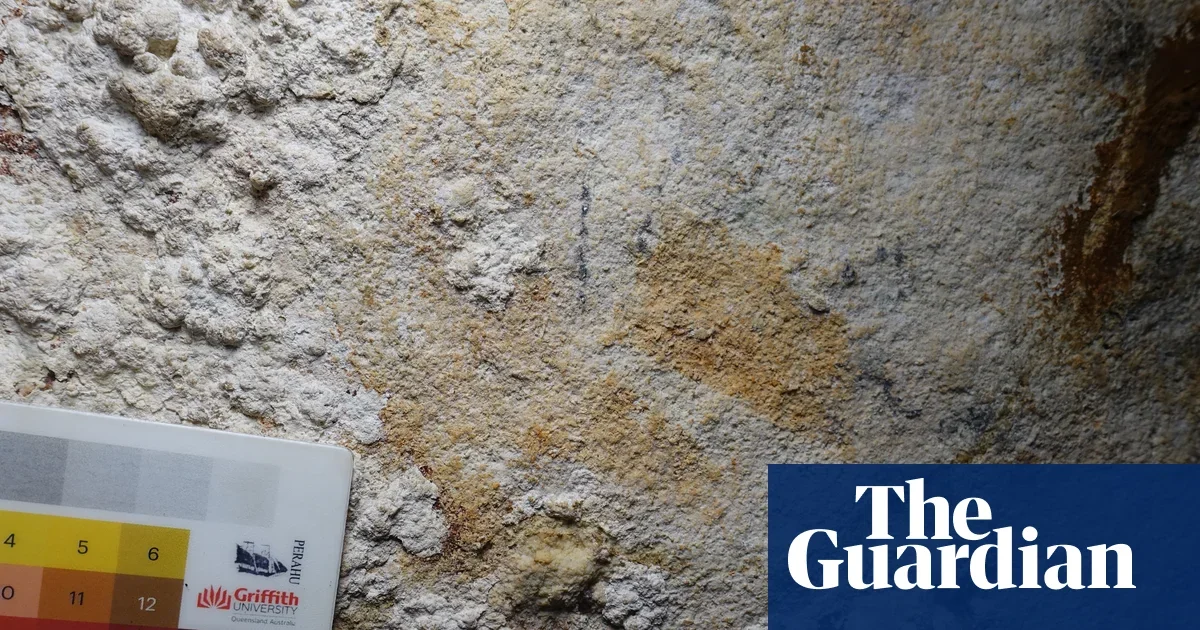
Analysis of two prehistoric sites in the Colombian Amazon reveals that humans settled in the region around 12,600 years ago, producing rock art depicting Ice Age giants and engaging in activities such as farming and hunting. The study also identifies four waves of human activity, shedding light on the long-term history of the settlements and the lives of the ancient inhabitants.
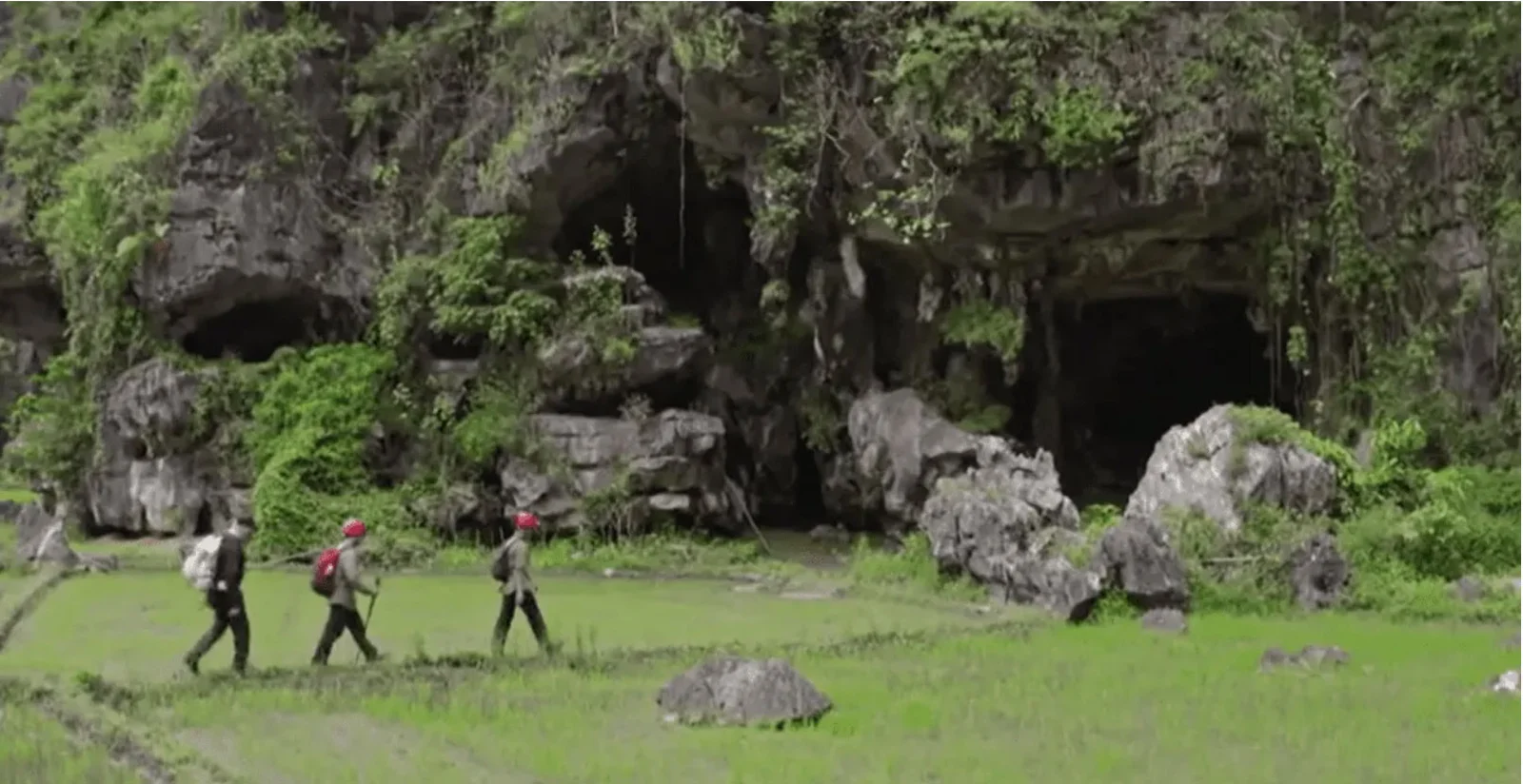
New evidence from rock art in the Serranía de la Lindosa caves of Colombia suggests that humans settled in the Amazon lowlands around 13,000 years ago, challenging previous understanding of the region's habitation history. The findings hint at a much earlier arrival of settlers in the Americas, potentially upending established theories about human migration and development. The study sheds light on the challenges of researching ancient settlements in dense rainforests and acidic soils, while also raising questions about the possibility of advanced human development prior to the end of the last glacial period.
Researchers have discovered evidence that humans settled the Colombian Amazon around 13,000 years ago, as part of a mass migration across the Americas. The findings, based on an archaeological site called Serranía de la Lindosa, reveal that early Americans lived in rock shelters, created rock art, and utilized the area for hunting and gathering. Soil samples and analysis provided insights into periods of occupation and abandonment, as well as evidence of domestic and sacred use of the rock shelters. The study sheds light on the lives and historical trajectories of early inhabitants in the region.
New research from Flinders University in collaboration with Njanjma Rangers and Erre Traditional Owners has revealed that the selection of rock art sites in Arnhem Land was not random, but rather intentional, based on crucial vantage points offered by the landscape. The study used aerial and drone surveys, subsurface imaging, and elevation data to create high-resolution palaeolandscape modeling, shedding light on the environmental conditions 15,000-28,000 years ago. The research shows how the landscape changes, particularly due to rising sea levels, impacted the placement and use of rock art sites, providing insights into the relationships between the art and the evolving landscape.
Archaeologists have discovered an elaborate rock art panel in Tanzania, featuring three anthropomorphic figures with oversized heads. The site, named Amak'hee 4, also depicts animals and human-like figures. The figures with buffalo-like heads are particularly noteworthy, as they resemble similar figures found in other rock art panels in the region. The culture of the Sandawe people, who inhabit the area, does not include such motifs, suggesting a different interpretation. The discovery provides insights into the ancient hunter-gatherer societies in the region and may shed light on the meaning of these mysterious figures.