archaeologypaleontology2.52 min read
"Uncovering Ancient Art: Petroglyphs and Dinosaur Footprints in Brazil"
1 year ago•Source: Gizmodo

The latest archaeologypaleontology stories, summarized by AI
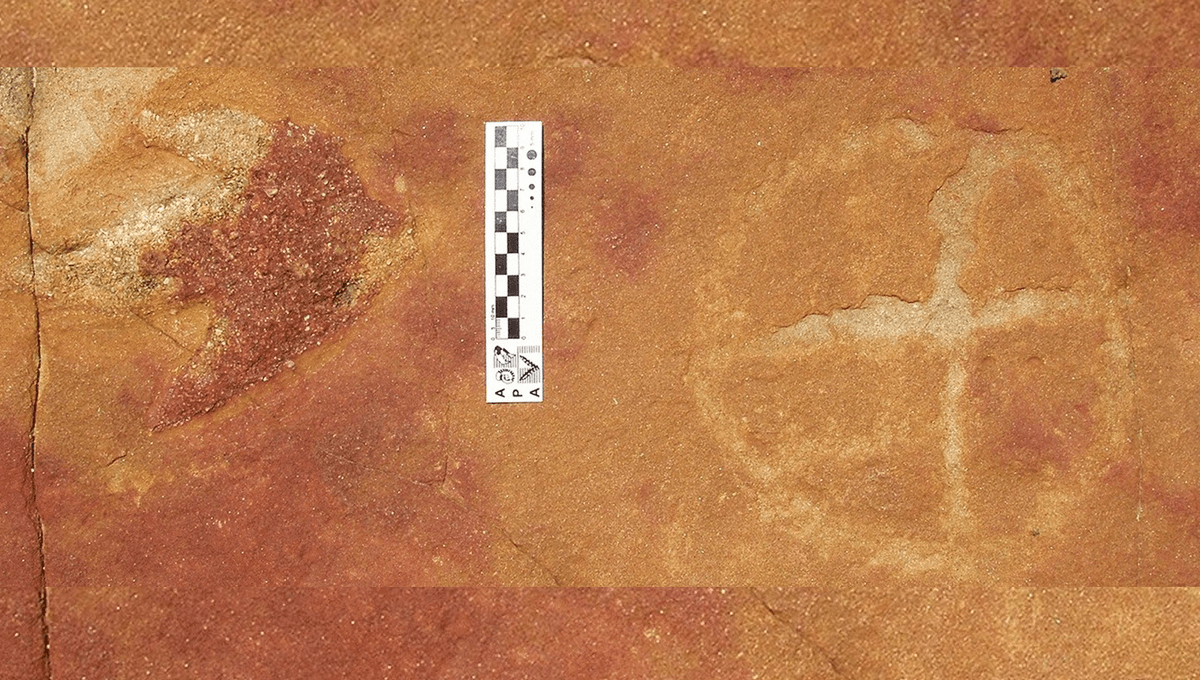
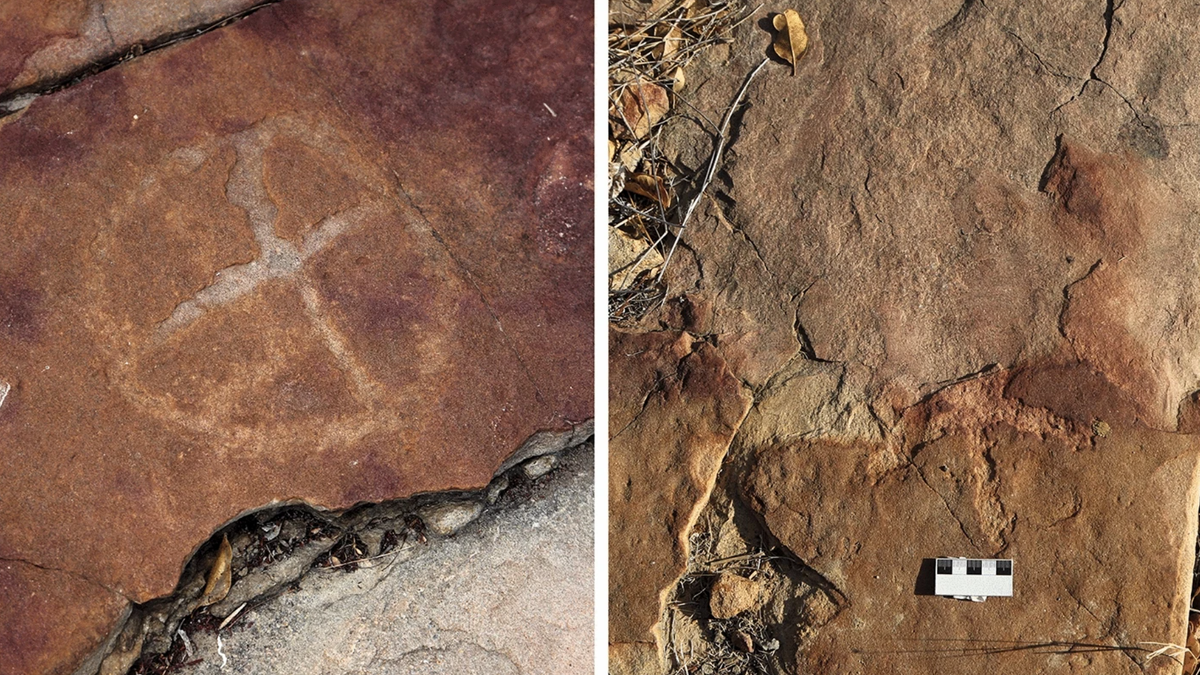
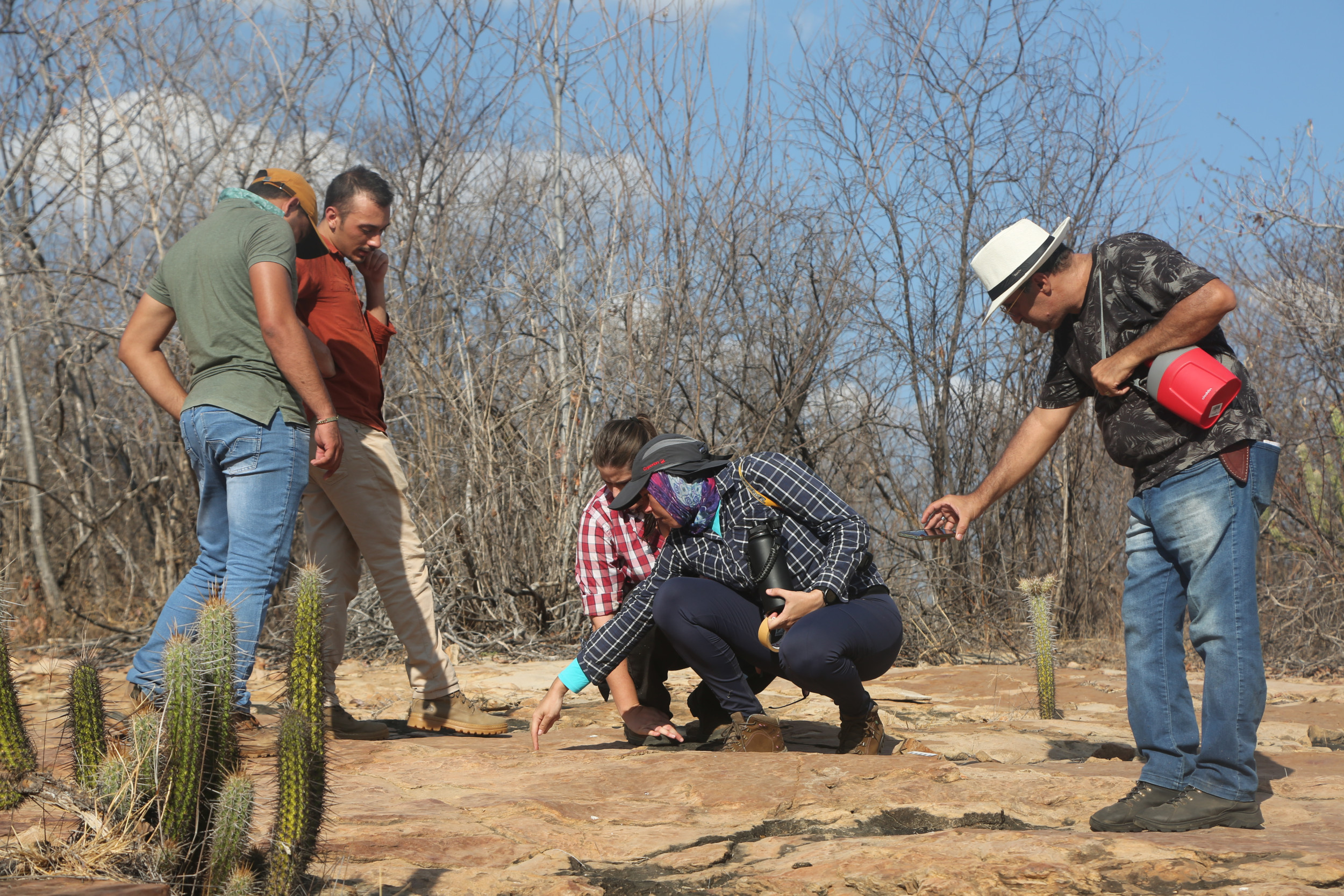
In northeast Brazil, a site called Serrote do Letreiro has revealed a rare combination of dinosaur footprints and ancient rock carvings, or petroglyphs, from the Early Cretaceous period. This unique discovery represents the first instance of such close proximity between petroglyphs and dinosaur tracks. The petroglyphs, created by pre-colonial humans, display a symbolic connection with the fossil record, suggesting an intentional incorporation of the dinosaur footprints into their cultural expression. The site's remarkable juxtaposition of paleontology and archaeology highlights the active engagement of pre-colonial Brazilians with the fossil record, emphasizing the need for conservation measures to protect this invaluable cultural heritage.
SciTechDaily•2 years ago
Gizmodo•2 years ago
An 8-year-old girl in Russia discovered well-preserved mammoth leg bones and a prehistoric bison vertebra while fishing with her father along the Oka River. The bones, believed to be from a large adult mammoth that lived around 100,000 years ago, were found in an area where mammoths likely persisted until about 10,000 years ago. The discovery highlights Russia's rich fossil record and the importance of reporting such finds to scientific institutions.
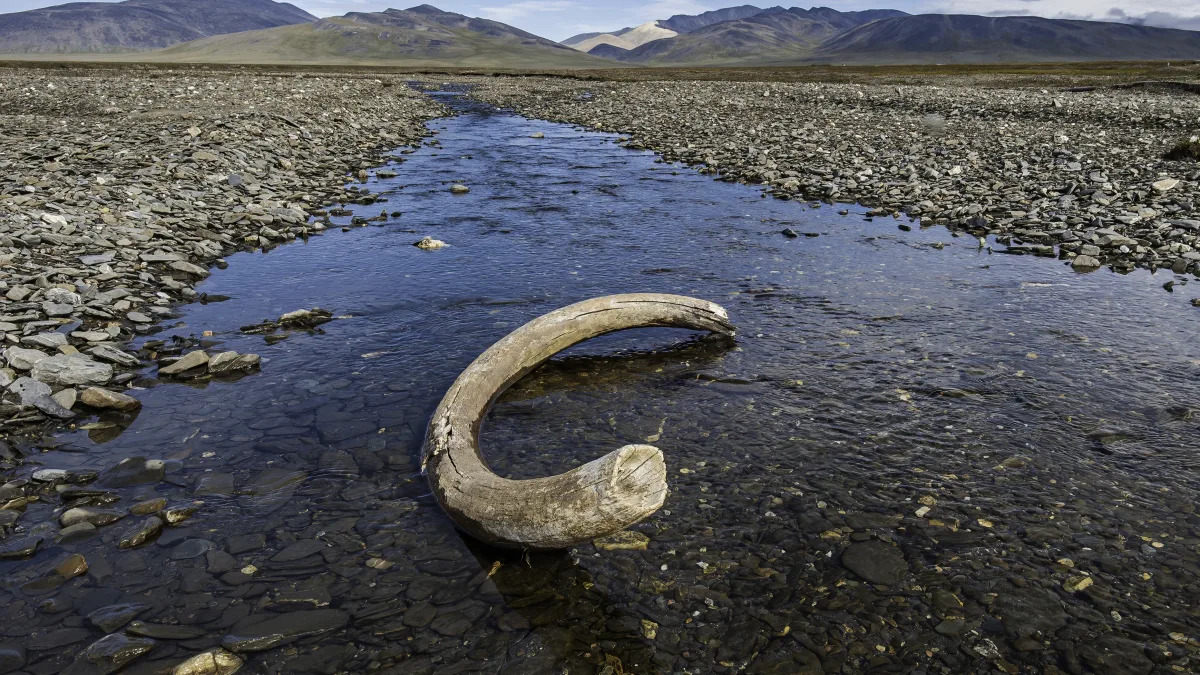
An 8-year-old girl in Russia discovered well-preserved mammoth leg bones and a bison vertebra while fishing with her father along the Oka River. The bones, estimated to be around 100,000 years old, belonged to a large adult mammoth and a steppe bison. The region where the fossils were found was once inhabited by mammoths until about 10,000 years ago. Russia is known for its rich mammoth fossil deposits, particularly in Siberia. The Nizhny Novgorod Museum-Reserve encouraged others to report any fossil discoveries to scientific institutions to ensure their study and preservation.
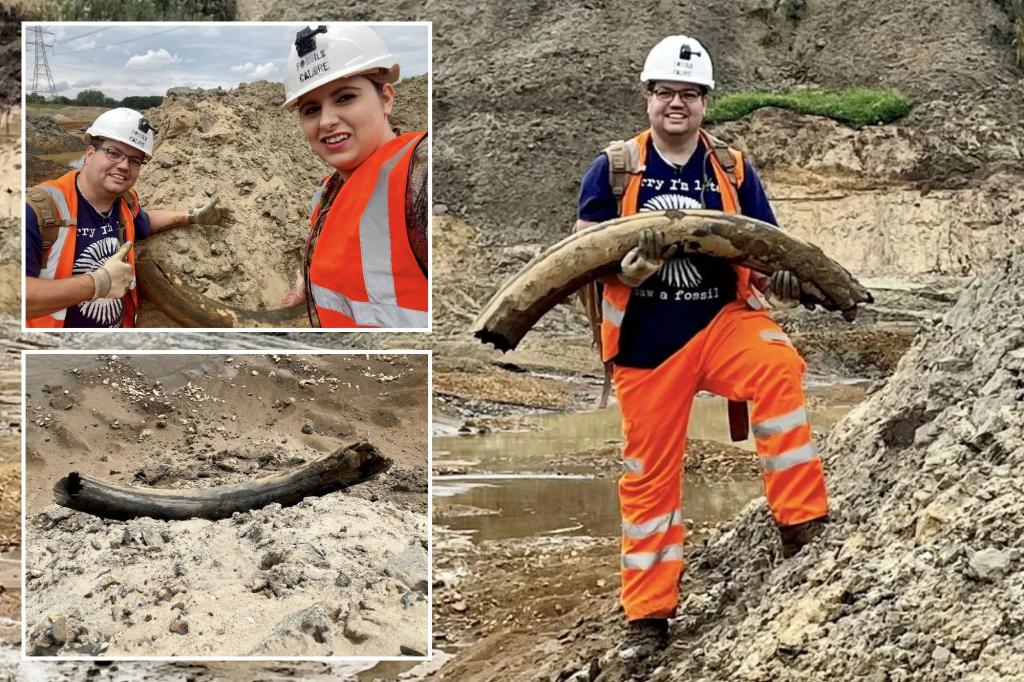
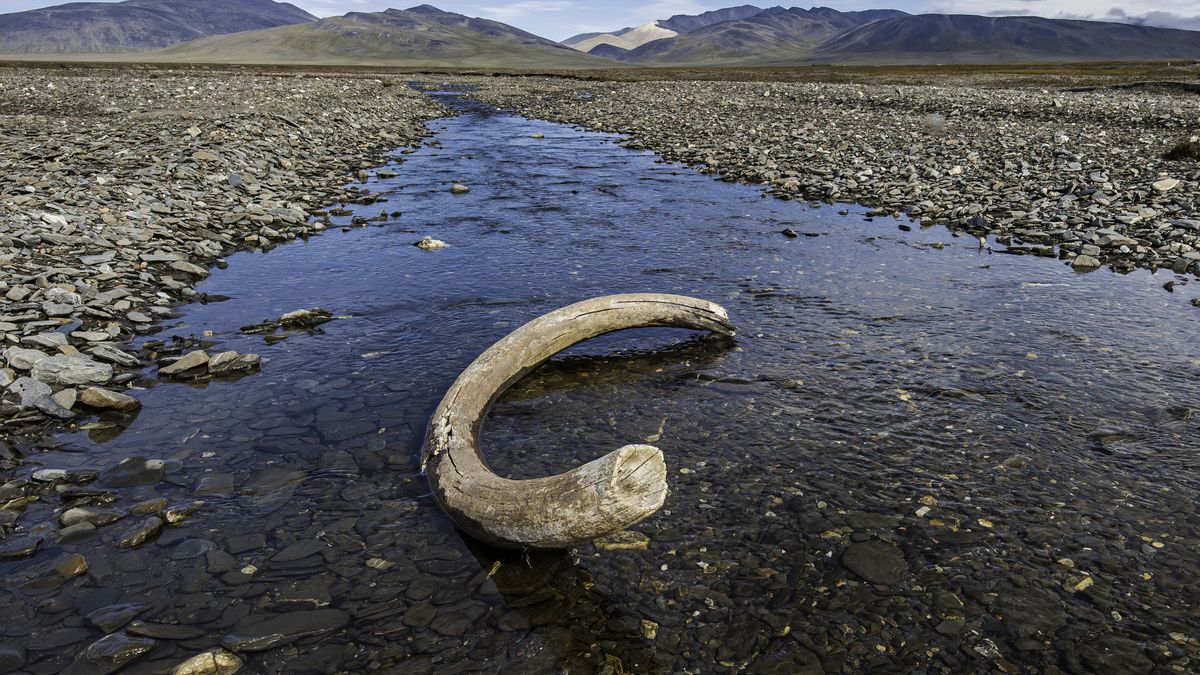
A fossil hunter discovered a 450,000-year-old mammoth tusk at a quarry in Cambridgeshire, England. The tusk, believed to belong to a steppe mammoth from before the last ice age, was found intact and is now being preserved at a paleontology museum. The museum plans to examine the tusk to learn more about the mammoth's life and habitat. The discovery adds to the museum's collection, which includes a skeleton of an iguanodon dinosaur and a plesiosaur. The museum also offers activities to educate families about paleontology and hopes to inspire future paleontologists.
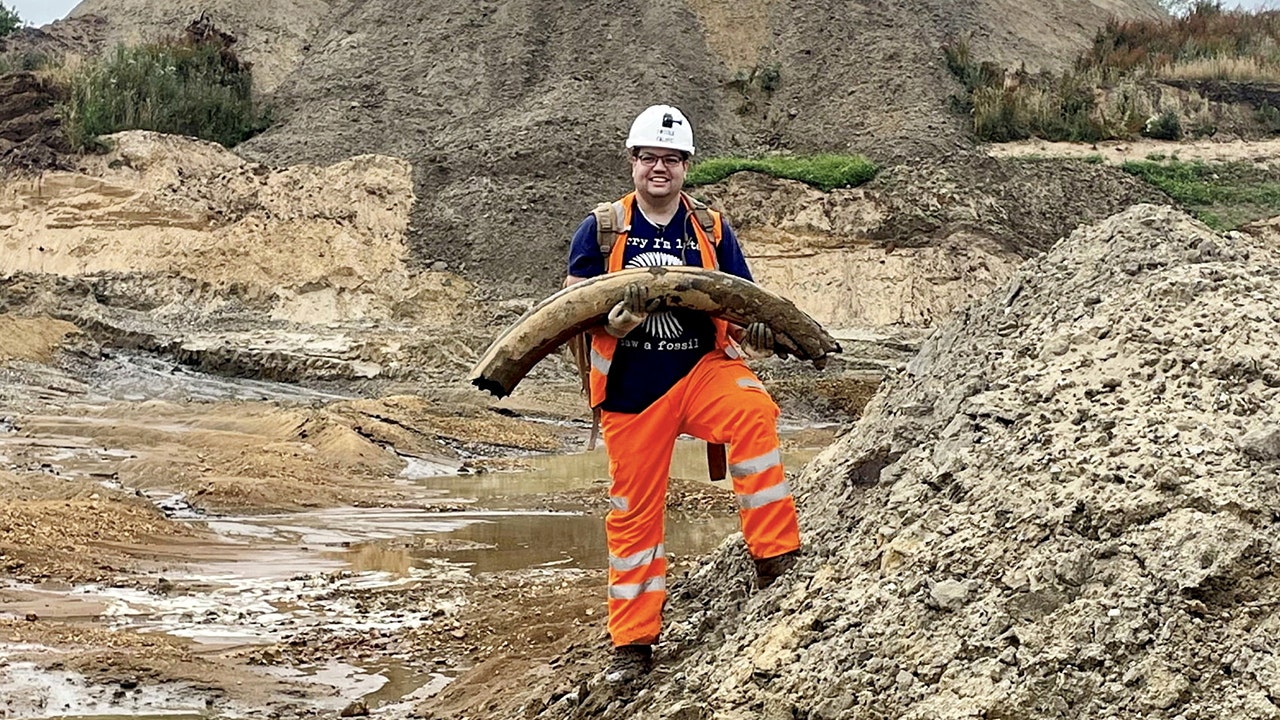
A fossil hunter discovered a 450,000-year-old mammoth tusk sticking out of the ground at a quarry in Cambridgeshire, England. The tusk, believed to belong to a steppe mammoth from before the last ice age, measures four feet long. The fossil was taken to a paleontology museum for preservation and examination, where experts will study its habitat, food supply, and signs of predation. The discovery adds to the museum's collection, which includes a plesiosaur skeleton and an iguanodon dinosaur found in previous years.