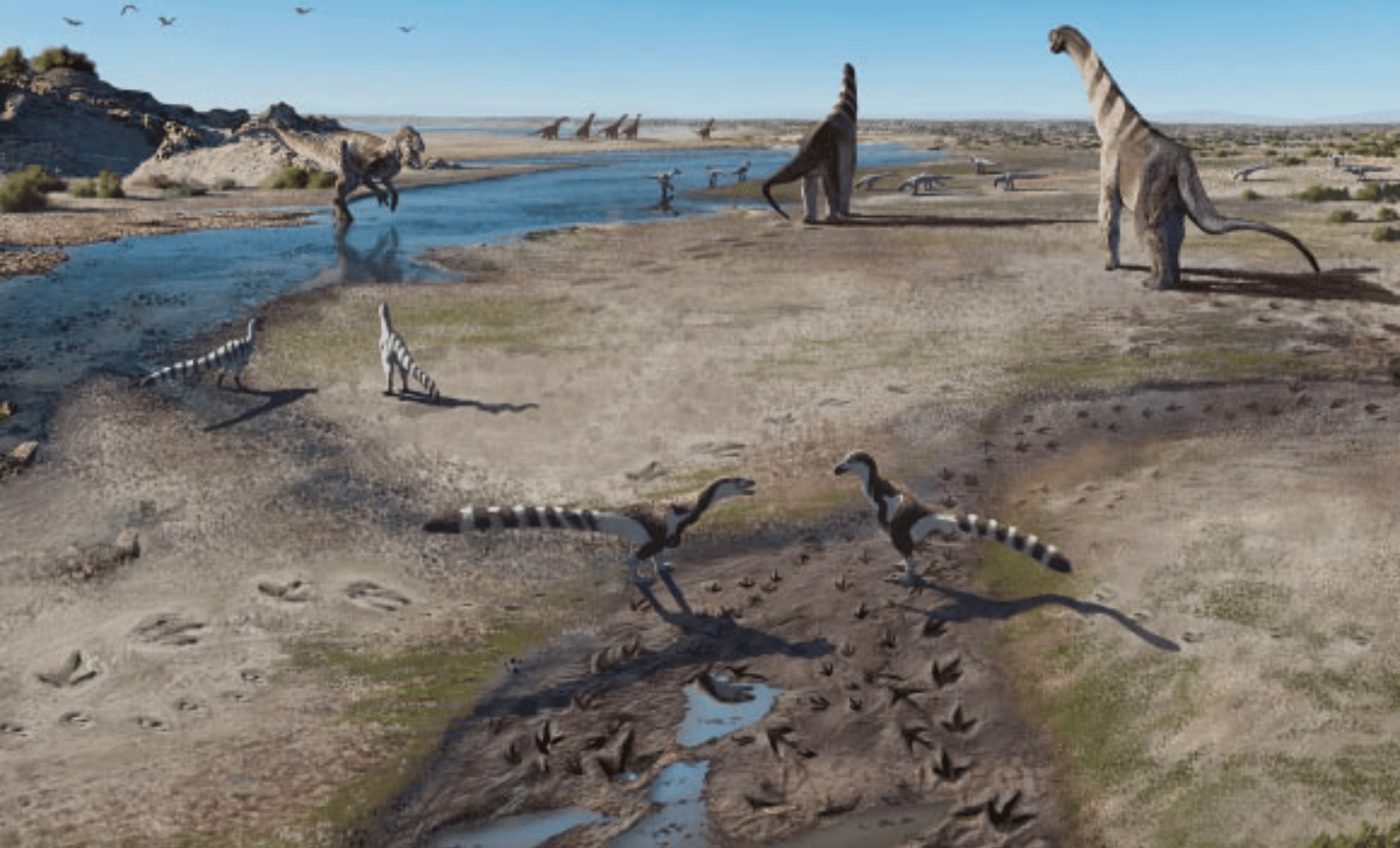
Scientists discovered 160-million-year-old dinosaur footprints in Chile's Atacama Desert, including the smallest known theropod tracks, offering insights into a once wetter Jurassic landscape with ephemeral wetlands that supported diverse dinosaur species.
Italian officials discovered thousands of well-preserved dinosaur footprints dating back 210 million years in Stelvio National Park, near the sites of the 2026 Winter Olympics, marking the first such find in Lombardy and offering new insights into prehistoric life in the region.
The Carreras Pampa site in Bolivia, the largest dinosaur tracksite ever found, contains nearly 18,000 tracks from around 70 million years ago, offering unique insights into dinosaur behavior and preservation due to exceptional environmental conditions that captured footprints, tail marks, and swimming traces of theropods, making it a significant paleontological discovery.
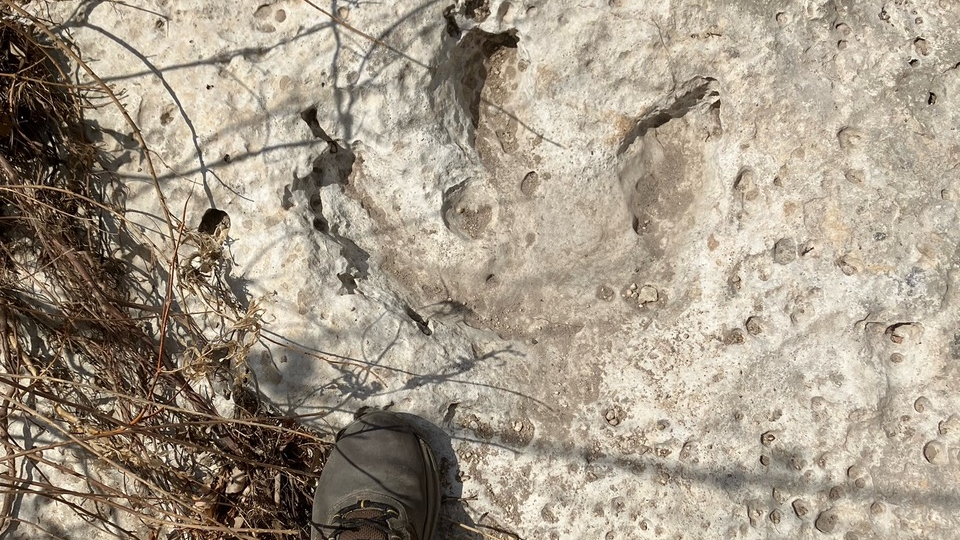
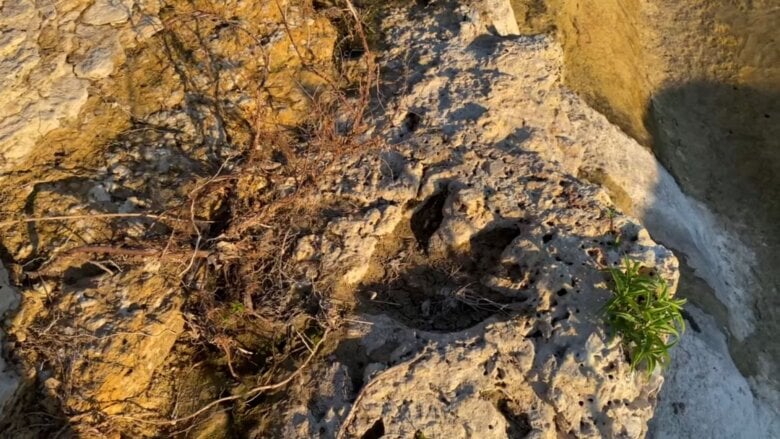
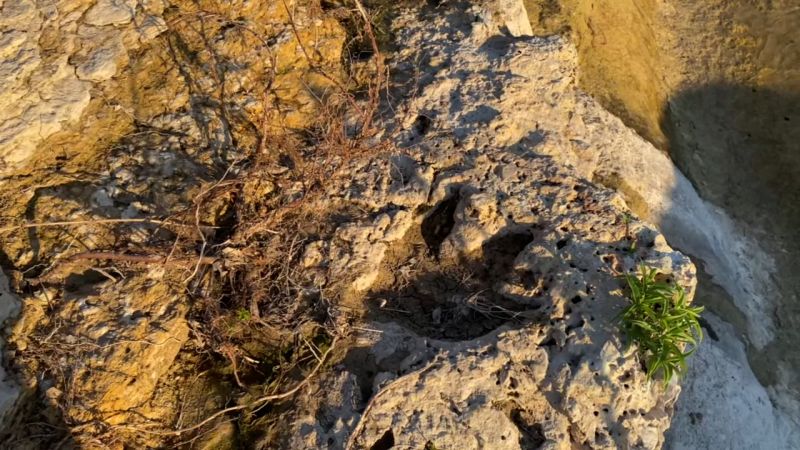
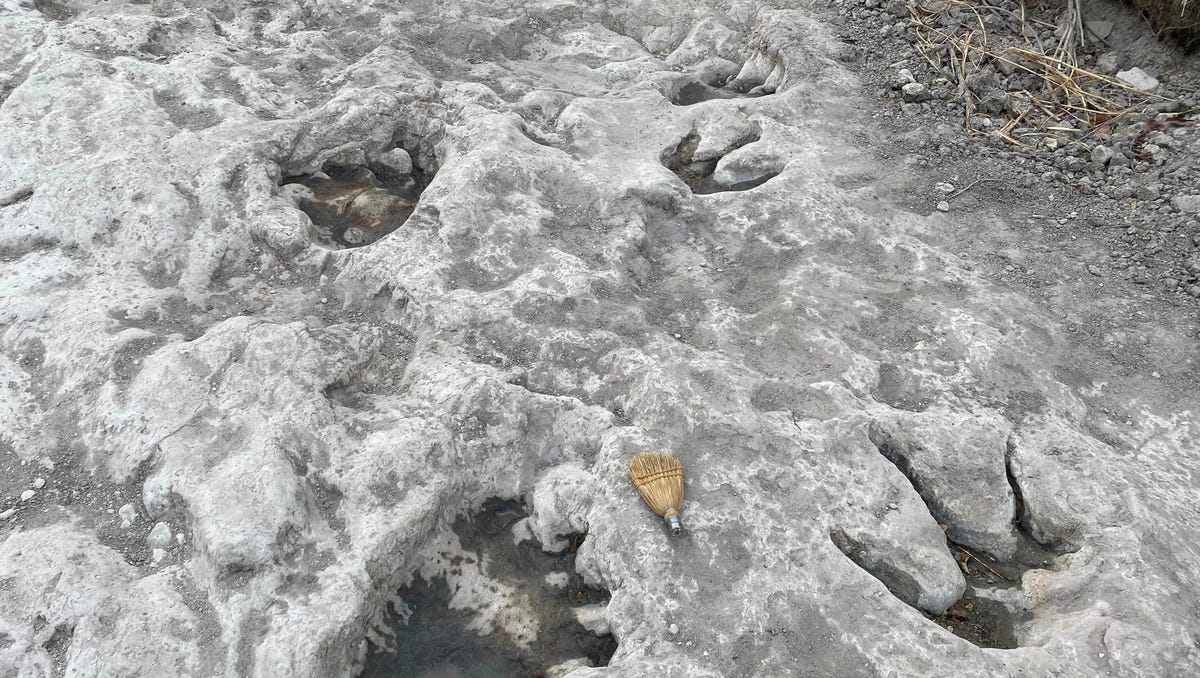
Floodwaters in Texas uncovered 15 dinosaur footprints dating back 115 million years, likely made by large carnivorous dinosaurs similar to Acrocanthosaurus, providing new insights into prehistoric life in the region.
Flooding in Texas uncovered 110-115 million-year-old dinosaur footprints in Travis County, providing a rare prehistoric discovery amid disaster recovery efforts, with experts planning further documentation of the tracks.
The July floods in Texas Hill Country uncovered 110-115 million-year-old dinosaur footprints, likely made by meat-eating dinosaurs similar to Acrocanthosaurus, with experts working to document and protect the site amid ongoing disaster recovery efforts.
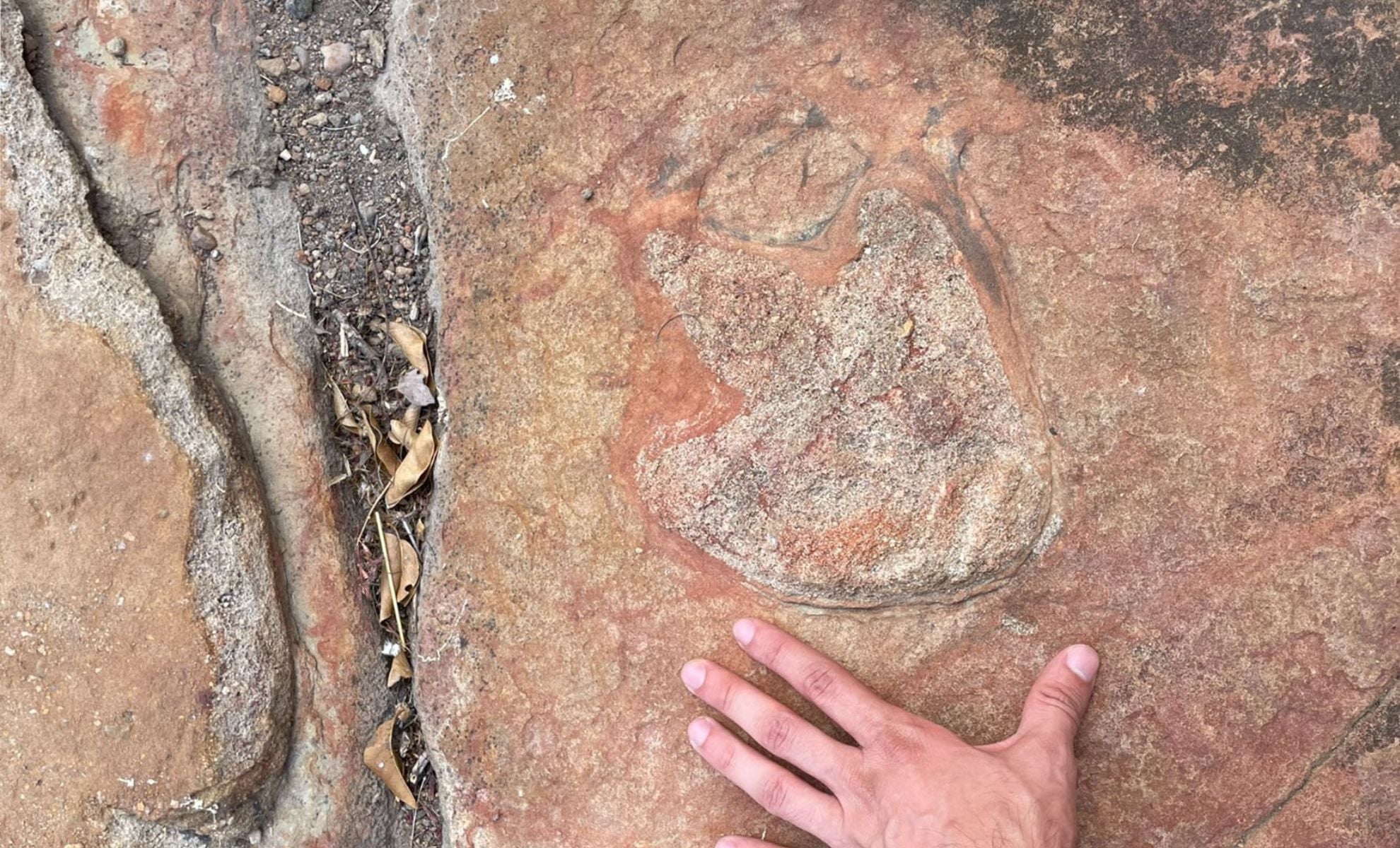
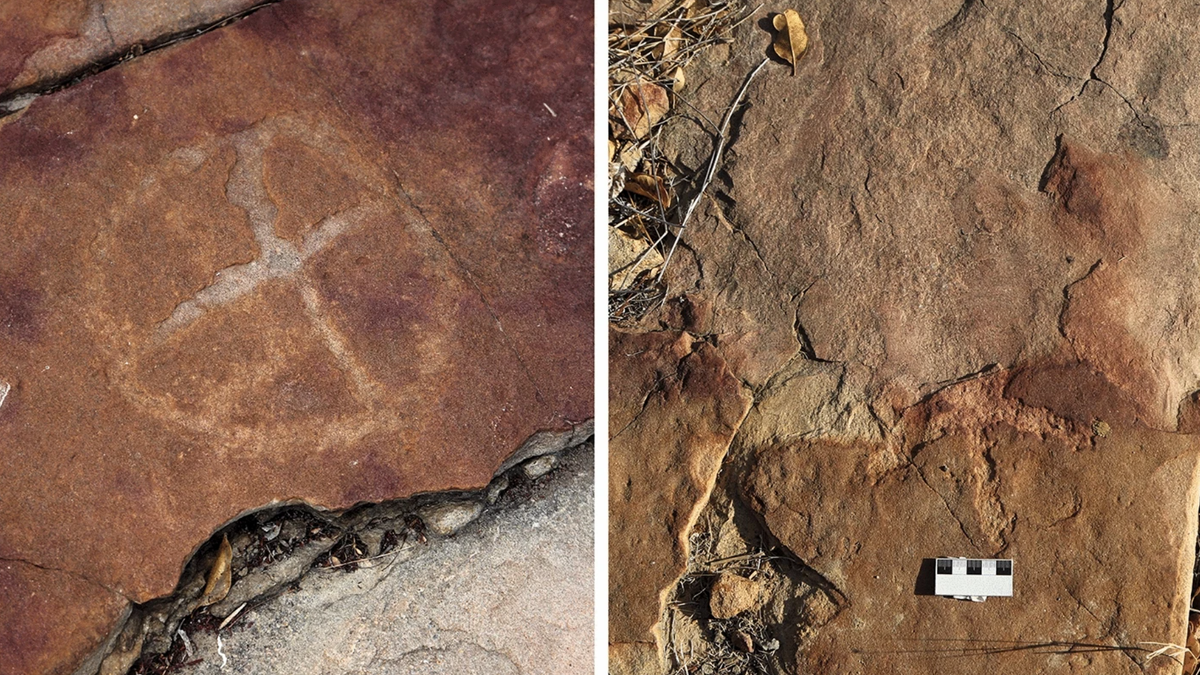
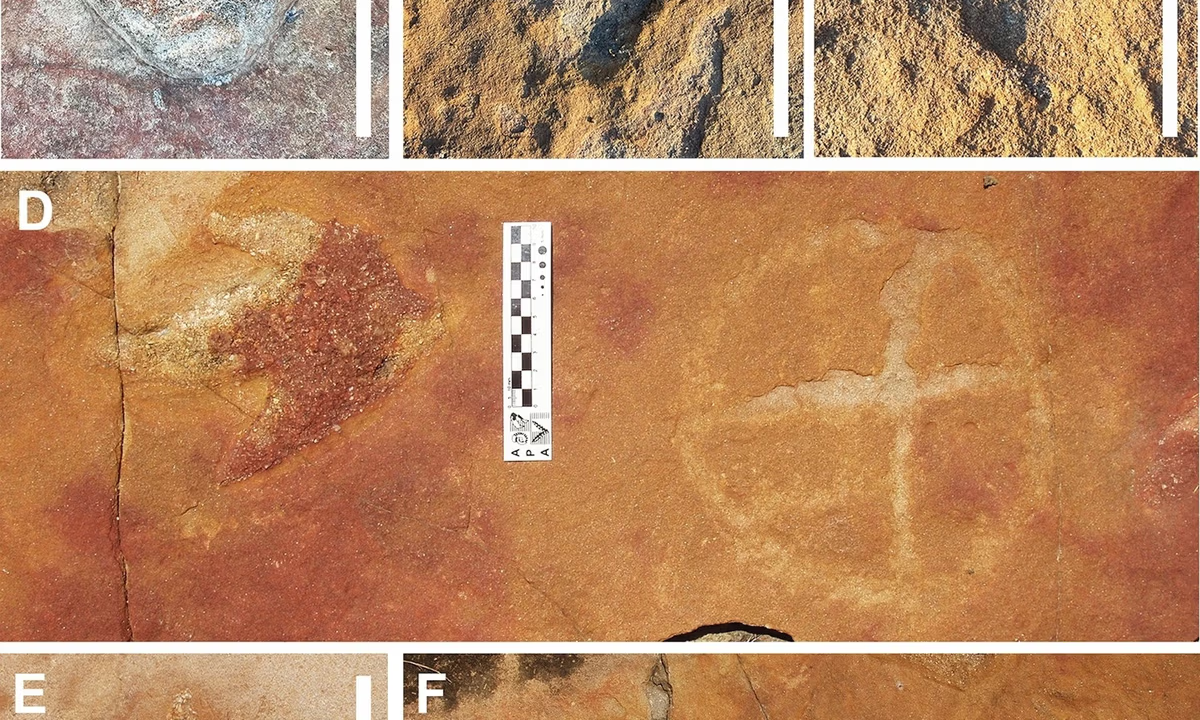
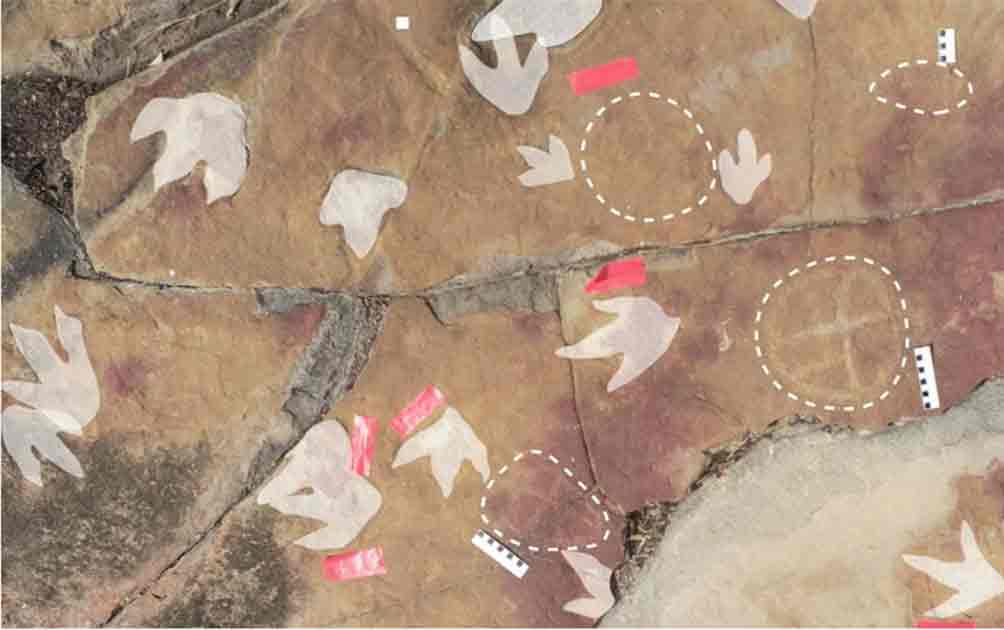
Researchers in Brazil discovered 9,000-year-old petroglyphs near Cretaceous dinosaur footprints, suggesting ancient humans deliberately interacted with or revered these fossils, highlighting a deep cultural connection to prehistoric life.
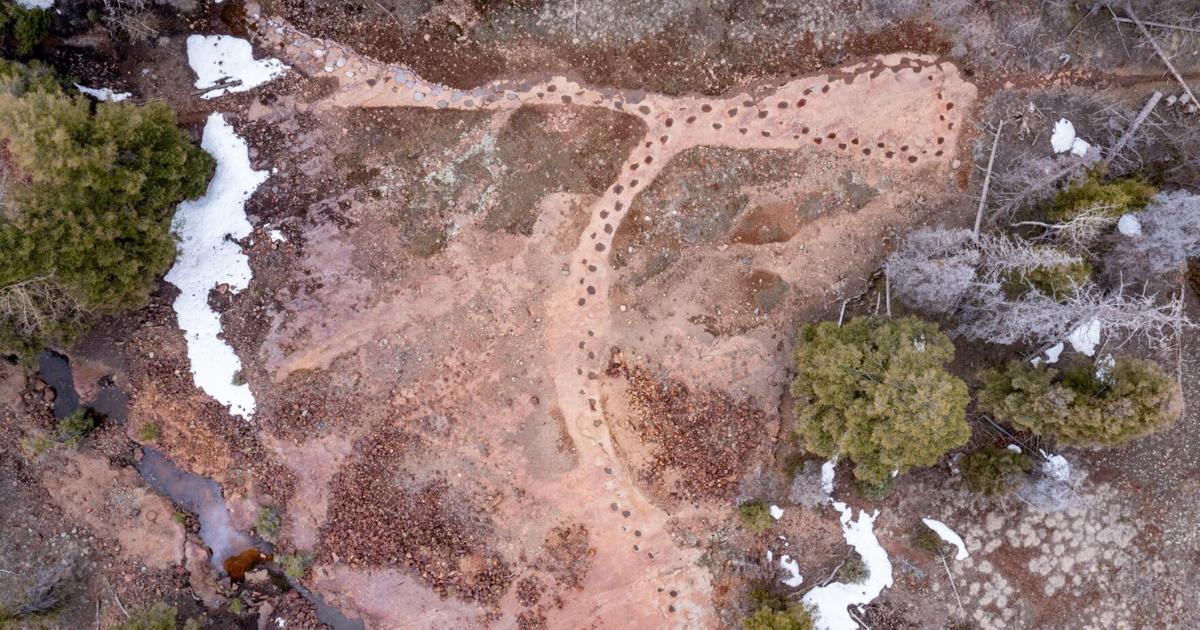
The Grand Mesa, Uncompahge, and Gunnison National Forests have acquired 27 acres of land in Ouray County, Colorado, including a trackway featuring 134 fossilized dinosaur footprints left by a long-neck sauropod dinosaur over 150 million years ago. The acquisition aims to protect this valuable scientific resource and provide an opportunity for the public to connect with the distant past. The site, known as the West Gold Hill Dinosaur Tracksite, will be open to the public, accessible via the steep and rugged Silvershield trail, with plans to add signage and improve access. This adds to Colorado's collection of prehistoric sites, including the Picket Wire Canyonlands tracksite in southeast Colorado.
Ancient South Americans in eastern Brazil created petroglyphs next to fossilized dinosaur tracks, possibly inspired by the movements of theropods, sauropods, and iguanodontians tens of millions of years earlier. The petroglyphs, primarily circular patterns, were found near human burials dating back to 10,000 years ago, indicating a wide timeframe for their creation. The proximity of the petroglyphs to the footprints suggests active engagement with the fossil material, and the petroglyphs were made by multiple individuals. The ancient communities may have mistaken the dinosaur trackways for rhea footprints, but the significance of the prints is evident in the artwork placed alongside them.
Archaeologists in Brazil have discovered petroglyphs alongside fossilized dinosaur footprints in the northeastern state of Paraíba, suggesting a deliberate effort not to disturb the more than 100-million-year-old tracks. The rock art, found at the Serrote do Letreiro Site in Vale dos Dinossauros, features circular, abstract motifs and dates back to between 2,620 and 9,400 years ago. The researchers believe that the creators of the petroglyphs may have mistaken the dinosaur footprints for those of large flightless birds and now-extinct mastodons. This discovery establishes a unique symbolic connection between human graphic expression and the fossil record, unlike any other instances found in Australia, Poland, and the US.
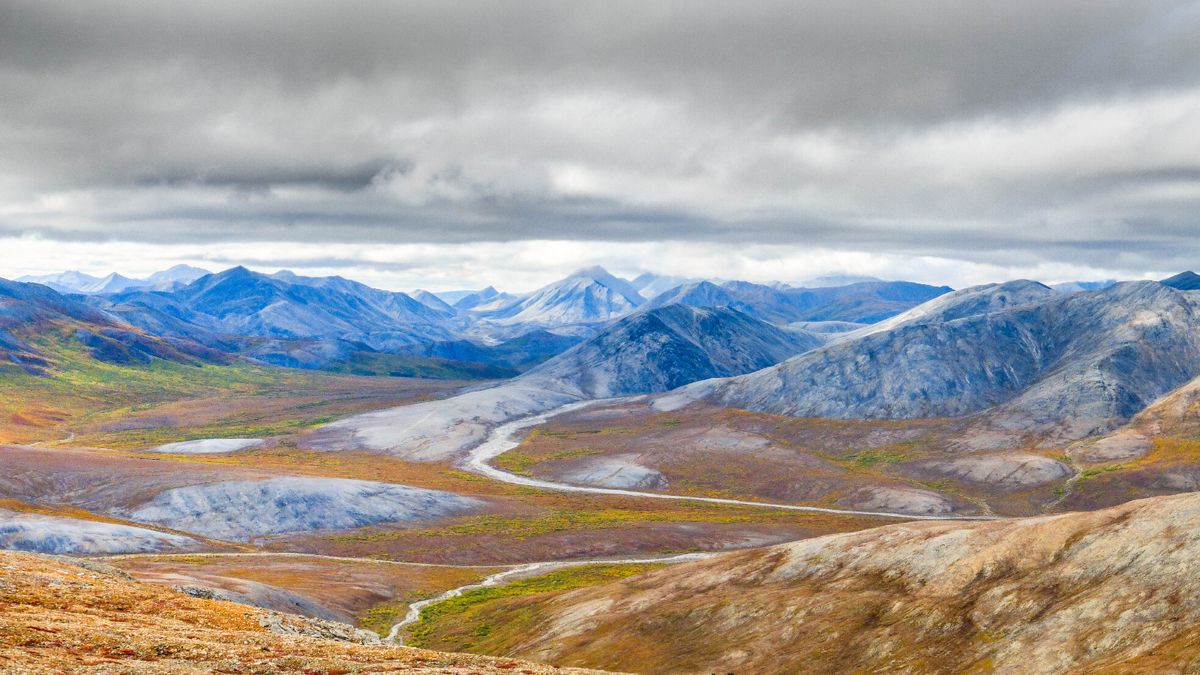
Researchers have unearthed a treasure trove of 100 million-year-old dinosaur tracks and fossils in Alaska's Nanushuk Formation, shedding light on a diverse Cretaceous ecosystem. The site boasts 75 dinosaur tracks, 2-foot-wide tree stumps, leaves, and feces, offering a glimpse into an ancient landscape. The majority of tracks were left by herbivorous dinosaurs, while some belonged to meat-eating dinosaurs and extinct shorebirds. The findings also revealed that the Arctic region had a warm and wet climate similar to modern-day South Florida, providing valuable insights into the ancient environment.
A study of the Serrote do Letreiro site in Brazil has revealed petroglyphs alongside dinosaur tracks, shedding light on the convergence of paleontological and archaeological evidence. The intentional placement of petroglyphs adjacent to the fossilized tracks suggests thoughtfulness by the makers, who were likely indigenous people occupying the region between 7,400 and 600 BC. The petroglyphs feature geometrical shapes and are similar to those found in other archaeological sites in northeastern Brazil. The motivations of the glyph makers remain a mystery, but the site promises to be a popular destination for scientists interested in ancient human culture and dinosaur history.
A large find of dinosaur tracks and fossilized plants and tree stumps in far northwestern Alaska provides new information about the climate and movement of animals near the time when they began traveling between the Asian and North American continents roughly 100 million years ago. The findings by an international team of scientists led by paleontologist Anthony Fiorillo were published in the journal Geosciences, shedding light on the lush, wet environment of the mid-Cretaceous period and providing insights into the high-latitude ecosystem on a warmer Earth.
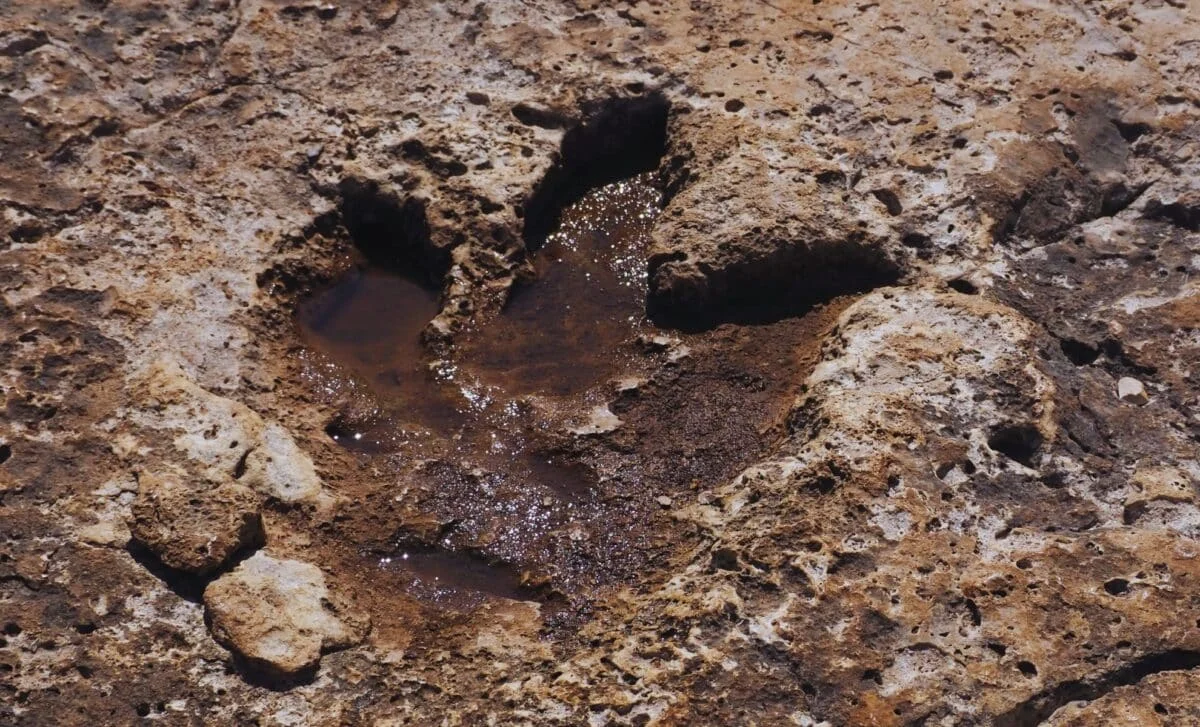
Dinosaur tracks dating back 113 million years have been revealed in Dinosaur Valley State Park, Texas, after a severe drought caused a river bottom to dry up. The tracks, which are typically submerged, are now visible to visitors. Two different dinosaur species' tracks were found, including those of an Acrocanthosaurus and possibly a Sauroposeidon. Researchers and volunteers will map and cast the tracks for future interpretive purposes.
Low water levels caused by a drought in Texas have revealed new giant dinosaur tracks believed to be around 110 million years old at Dinosaur Valley State Park. The park, known for its sauropod and theropod tracks, has seen an increase in discoveries due to the receding water levels. The newly discovered tracks are believed to belong to an Acrocanthosaurus and a Sauropodseiden species. Volunteers have been working to uncover and map the tracks, which are typically covered by sediment even when the river is dry. While the discoveries are exciting, the ongoing drought and high temperatures have had a negative impact on the area, including the drying up of the Paluxy River.